
Pruning
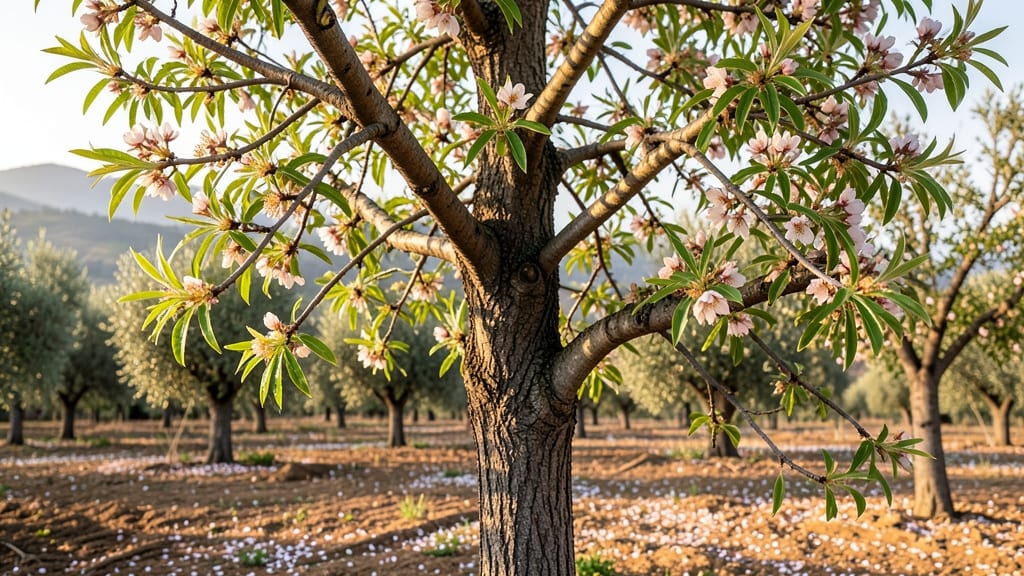
Growing a badam fruit tree means crunchy, nutritious harvests with less fuss than you’d expect. 🌱 I’ve watched mine produce for years with just basic pruning—no elaborate shaping or constant trimming. The key is understanding its natural growth habits and working with them, not against them.
Almond trees thrive in well-drained soil and full sun, but they’re surprisingly low-maintenance once established. Water deeply but infrequently, and focus on pruning only to remove dead wood or shape the tree’s canopy.
Most of the work happens in late winter, when the tree is dormant but about to burst into new growth. You’ll start seeing blossoms by spring, followed by those familiar green hulls that turn into sweet, edible nuts by late summer.
The tree’s deep roots mean it handles drought better than many other fruit trees, and with proper care, it can produce for decades. Even in small yards, a badam tree fits—just choose a dwarf variety if space is tight. Here’s how to keep it thriving with minimal effort.
📚 In This Guide
- What you need
- Instructions
- Tips and common mistakes
- Wrapping up and next steps
What you need
- ● Badam (almond) tree saplings or seeds: 1–3 non-bearing saplings (for faster fruit) or 5–10 seeds (for DIY growers). Choose self-pollinating varieties like Nonpareil or Butte for easier harvests.
- ● Well-draining soil: Mix 60% native soil with 30% compost and 10% coarse sand (or perlite). pH: 6.0–7.5 (test with a kit).
- ● Fertilizer: 1 slow-release nitrogen fertilizer (e.g., 10-10-10, 1 lb per tree).
- ● 1 phosphorus-rich fertilizer (e.g., bone meal, ½ lb) for root development.
- ● Mulch: 3–4 inches of wood chips or straw (keep 6 inches away from the trunk).
- ● Pruning tools: 1 bypass pruners (for clean cuts on small branches).
- ● 1 loppers (for thicker branches, 1.5–2 inches in diameter).
- ● 1 pruning saw (for branches >2 inches).
- ● Safety gear: Gloves, long sleeves, and eye protection (almond tree thorns are sharp!).
- ● Watering supplies: 1 drip irrigation system (recommended) or hose with adjustable nozzle.
- ● 1 watering can (for young saplings).
- ● USDA Hardiness Zones: 5–9 (almond trees thrive in warm, dry climates with chill hours—aim for 300–600 hours/year below 45°F).
- ● Sunlight: Full sun (6–8+ hours/day). Partial shade reduces fruit yield.
- ● Wind protection: Plant near a fence or windbreak if in exposed areas (young trees are vulnerable).
- ● 1 tree support stake (for saplings in windy areas).
- ● 1 soil moisture meter (to avoid over/under-watering).
- ● Organic pest control: Neem oil (for aphids) or diatomaceous earth (for borers).
- ● 1 fruit thinning shears (to improve almond size/quality).
Step-by-Step instructions for planting and caring for a badam (almond) tree
Here's how to establish a thriving badam tree with minimal fuss—perfect for year-round harvests.
🌱 Step 1: Choose the Right Location and Planting Time
Badam trees need full sun exposure (6-8 hours daily) and well-draining soil to thrive. I always plant in late winter or early spring, just before the last frost, when the soil is workable but not soggy. The tree's roots will establish more easily in cooler temperatures before summer heat sets in.
Pick a spot with at least 15 feet of clearance around the tree—badam trees grow large and need space for airflow. If your yard is small, consider a dwarf variety, but know it may produce fewer nuts. Dig a hole twice as wide as the root ball and just as deep, loosening the soil at the bottom to encourage root spread.
🪴 Step 2: Prepare the Soil and Plant the Sapling
Mix the native soil with 20% compost to improve drainage and fertility. Badam trees hate soggy roots, so avoid heavy clay soils unless you amend them heavily. Place the sapling in the hole so the top of the root ball sits 1-2 inches above ground level—this prevents water from pooling around the trunk.
Backfill the hole with the soil-compost mix, tamping gently as you go to remove air pockets. Water deeply right after planting to settle the soil and eliminate gaps. You'll know it's done right when the soil surface looks slightly firm but not compacted. Mulch around the base with 2-3 inches of organic mulch, keeping it 6 inches away from the trunk to prevent rot.
☀️ Step 3: Water and Fertilize for Strong Early Growth
Water the tree deeply once a week during the first year, providing 1-2 gallons per watering depending on soil type. Let the top 6 inches of soil dry out between waterings—overwatering is the fastest way to kill a badam tree. You'll see new growth within 4-6 weeks if the tree is happy, with bright green leaves emerging along the branches.
Apply a balanced 10-10-10 fertilizer in early spring and again in early summer, following the package rates. Avoid heavy nitrogen in the second year—it encourages leafy growth at the expense of fruit production. Prune only to remove dead or crossing branches in late winter, using clean, sharp pruners to make cuts just above a bud.
✂️ Step 4: Maintain Year-Round for Consistent Harvests
Once established, badam trees need minimal pruning—just remove any dead, diseased, or broken branches in late winter. Thin out crowded branches to improve airflow, which reduces the risk of fungal diseases. You'll know the tree is healthy when it produces small white flowers in early spring, followed by the familiar green hulls that turn brown when ripe.
Harvest nuts when the hulls are fully brown and dry, usually in late summer or early fall. Shake the tree gently to loosen the nuts, then collect them from the ground. Store them in a cool, dry place until ready to use. With proper care, your badam tree will reward you with year-round harvests with almost no effort beyond regular watering and occasional pruning.
Tips & tricks for perfect badam fruit tree care
Took me years to figure out these simple tricks that'll help your badam tree thrive with almost no effort.
Sunlight Secret: Badam trees absolutely demand that 6-8 hours of direct sunlight daily—no exceptions. If your yard gets less, consider a dwarf variety or supplement with grow lights during shorter winter days. I've seen trees in partial shade struggle to produce nuts, even with perfect care. Trust me, this is non-negotiable for healthy growth.
Soil Prep Game-Changer: That 20% compost mix in Step 2 isn't just about fertility—it's about creating the perfect drainage. Badam trees hate soggy roots, so if you're working with clay soil, mix in additional perlite or coarse sand to mimic their natural Mediterranean growing conditions. The goal is soil that drains like a sandy beach, not a swamp.
Watering Wisdom: Those 1-2 gallons per week during the first year might seem like a lot, but it's crucial. The key is letting the top 6 inches dry out between waterings—stick your finger in the soil. If it feels damp more than an inch down, you're overwatering. I learned this the hard way after losing two saplings to root rot.
Pruning Pro Tip: When you're removing dead branches in Step 4, make your cuts just above a bud that's facing outward. This encourages new growth in the right direction. And here's what nobody tells you—badam trees actually produce better quality nuts when you thin out crowded branches to improve airflow. It's counterintuitive, but the extra space prevents fungal diseases that can ruin your harvest.
Pro Tips for Badam Fruit Tree
- Took me years to figure out these simple tricks that'll help your badam tree thrive with almost no effort.
- Sunlight Secret: Badam trees absolutely demand that 6-8 hours of direct sunlight daily—no exceptions.
- Soil Prep Game-Changer: That 20% compost mix in Step 2 isn't just about fertility—it's about creating the perfect drainage.
Frequently asked questions
about growing and maintaining a badam (almond) fruit tree—because even low-maintenance trees need a little TLC! Here are answers to the most common queries:How long does it take for a badam tree to bear fruit?
A young badam tree typically takes 3 to 5 years to produce its first harvest, depending on climate and care. Patience is key—consistent watering and minimal pruning (like removing dead branches) during the early years will speed up fruiting. Pro tip: Plant in well-draining soil and full sun to encourage faster growth!
Can badam trees survive cold winters?
Yes! Badam trees are hardy in USDA Zones 5-9, meaning they can handle light frost. However, young trees may need mulching or frost cloth in harsh winters. Mature trees are more resilient—just avoid pruning during winter months to prevent damage. Pro tip: Monitor temperatures below 20°F for extra protection!
Do badam trees really need minimal pruning?
Unlike high-maintenance fruit trees, badam trees thrive with minimal pruning—just remove dead, diseased, or crossing branches. Focus on open-center shaping to improve airflow and sunlight exposure. Pro tip: Prune in late winter (before buds swell) for best results!
What’s the best alternative if I don’t want to wait for badam fruit?
If you’re eager for faster yields, consider peach or apricot trees—they fruit in 2-3 years! For nuts, pecan or walnut trees are great alternatives, though they require slightly more care. Pro tip: Check your local climate zone to pick the fastest-maturing option!
Why aren’t my badam tree’s flowers turning into fruit?
Common culprits include poor pollination (plant two trees for cross-pollination), late frosts (damaging blossoms), or nutrient deficiencies (add nitrogen-rich fertilizer). Pro tip: If flowers drop early, check for aphids or mites—treat with neem oil if needed!
Wrapping up and next steps
The badam (almond) fruit tree is a rewarding choice for gardeners—offering delicious nuts with minimal pruning demands! 🌱 With the right tools, seasonal care, and a few smart techniques, you can enjoy a year-round harvest while keeping maintenance simple.
Whether you're a beginner or seasoned gardener, this low-effort tree is perfect for adding beauty and bounty to your landscape.
Ready to get started? Pick a healthy sapling, gather your supplies, and begin pruning—your first harvest could be just a few years away! 🌟 Happy gardening!