
Flowers
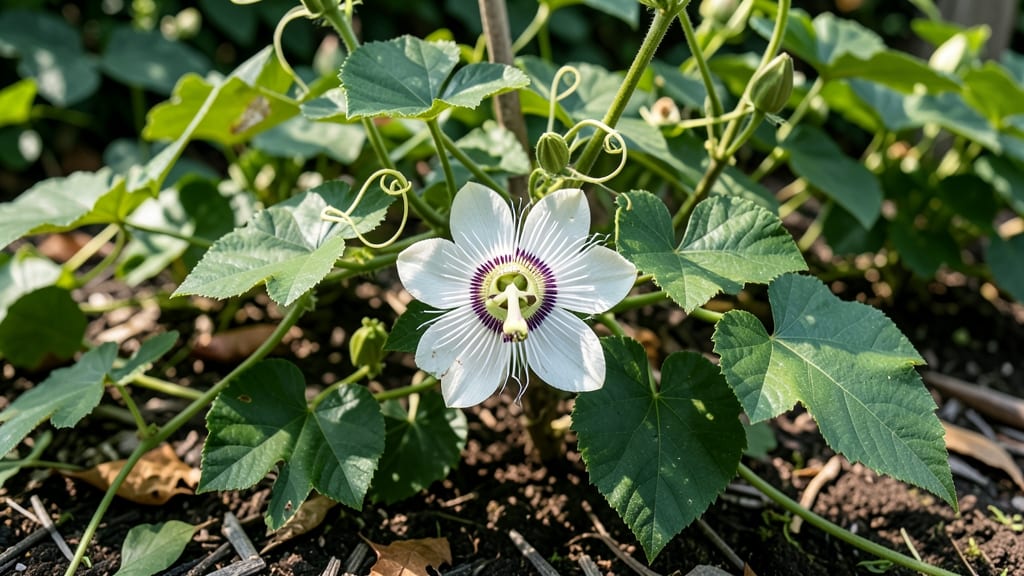
White passion fruit flowers aren’t just stunning—they’re the secret to a garden that blooms when others sleep. 🌸 I’ve grown Passiflora caerulea (the blue passionflower with white blooms) for years, and it thrives in zones 6-10, even surviving light frosts.
The key? Mimicking its natural habitat with well-draining soil and morning sun. This isn’t your typical tropical diva—it’s hardy, fragrant, and produces edible (though tart) fruit. Most gardeners overwater or prune too late, but I’ll show you the simple routine that keeps mine flowering year-round.
Your neighbors will think you’ve got a greenhouse when you’re really just growing a cold-resistant beauty. By summer, you’ll have clusters of snow-white, velvety blooms that hum with pollinators. The plant’s vines grow aggressively, so plan for a trellis or fence—it’ll climb like a jungle gym.
Even the fruit, when ripe, adds a unique citrusy punch to desserts. Perfect for beginner-friendly perennials that don’t need coddling. Let’s get those vines growing!
📚 In This Guide
- What you need
- Instructions
- Tips and common mistakes
- Wrapping up and next steps
What you need
- ● Passion fruit seeds or cuttings: Choose Passiflora edulis f. flavicarpa (yellow passion fruit) or Passiflora caerulea (blue passion fruit) varieties known for white or pale blooms. Quantity: 2–3 plants for optimal pollination.
- ○ Well-draining potting mix: A blend of 50% coconut coir, 30% perlite, and 20% compost. Optional: Add worm castings for extra nutrients.
- ● Containers or garden bed: Pots: 5–7 gallon containers with drainage holes (for indoor/patio growing). Material: Terracotta or fabric grow bags.
- ● Garden bed: Full sun (6+ hours/day) with sandy loam soil (pH 6.0–7.5). Amend clay soil with compost.
- ● Basic gardening tools: Trowel or small shovel
- ● Pruning shears (sterilized with rubbing alcohol)
- ○ Gloves (optional, but passion fruit vines have thorns!)
- ● Support structure: Trellis, fence, or 6–8 ft tall stake (vines grow aggressively!).
- ● Cold-hardiness prep (for zones 7–10): Mulch: 2–3 inches of straw or wood chips to insulate roots.
- ● Frost cloth: Lightweight 30–50% shade cloth for unexpected chills.
- ● Fertilizer: Balanced liquid fertilizer: 10-10-10 or fish emulsion (diluted to ½ strength). Apply every 4–6 weeks.
- ● Slow-release granules: Osmocote (14-14-14) for long-term feeding.
- ● Pollinators: Plant bee-friendly flowers (e.g., lavender, sunflowers) nearby to boost fruit set.
- ● Humidity tray: For indoor pots—fill a saucer with gravel + water to increase moisture.
- ● Grow lights: LED full-spectrum bulbs (12–14 hrs/day) if growing indoors in low-light areas.
- ● Pest control: Neem oil (for aphids/spider mites)
- ● Diatomaceous earth (organic barrier against crawling pests)
Step-by-step guide to growing white passion flower vines
This fragrant, cold-hardy vine thrives with the right approach—here’s how to coax those stunning white blooms year after year.
🌱 Step 1: Select the Right Variety and Planting Site
Choose a cold-hardy variety like Passiflora caerulea (blue passionflower) or Passiflora edulis f. flavicarpa (yellow passionfruit, which produces white flowers). Both tolerate temperatures down to 20°F once established. Plant in full sun to partial shade—at least 6 hours of direct sunlight daily for optimal blooming, though afternoon shade helps in hot climates.
White passionflower vines need well-draining soil with a slightly acidic to neutral pH (6.0-7.0). Amend heavy clay with compost or sand to prevent root rot. If planting in containers, use a 50/50 mix of potting soil and perlite for aeration. I always test soil moisture before planting—it should feel like a wrung-out sponge, not soggy.
☀️ Step 2: Plant and Provide Initial Support
Plant seeds or bare-root vines in early spring after the last frost, or in fall in mild climates. Dig a hole twice as wide as the root ball but no deeper. Spread roots gently and backfill with soil, tamping lightly to remove air pockets. Water deeply to settle the soil—you’ll see the surface firm up without pooling water.
Install a 6-8 foot trellis, arbor, or fence immediately. Passionflower vines grow 15-25 feet annually and need sturdy support. I tie young vines loosely with soft plant ties (not wire) to avoid damaging the tender stems. Mulch with 2-3 inches of organic mulch (like wood chips) to retain moisture and regulate soil temperature.
💧 Step 3: Water and Fertilize for Healthy Growth
Water deeply 2-3 times per week during the first growing season, ensuring the top 6 inches of soil stay moist but not waterlogged. Overwatering is the #1 killer of passionflower vines—yellowing leaves signal root stress. Once established, reduce watering to once weekly unless in extreme heat or drought. You’ll know it’s time to water when the topsoil feels dry to the touch.
Feed with a balanced, slow-release fertilizer (10-10-10) at planting, then again in early spring and mid-summer. I avoid high-nitrogen fertilizers—they promote leafy growth at the expense of flowers. Instead, switch to a low-nitrogen, high-phosphorus formula (5-10-10) when buds form to encourage blooming. Prune any leggy or overcrowded growth in late winter to redirect energy to flowering.
✂️ Step 4: Prune and Encourage Blooms Year-Round
Prune in late winter or early spring before new growth begins. Cut back one-third of the previous year’s growth to stimulate bushier, more productive vines. Remove dead or diseased stems immediately—they drain energy from healthy growth. I also trim any suckers growing at the base to focus the plant’s resources on the main vine.
To maximize white blooms, deadhead spent flowers by pinching off the wilting bloom and the first set of leaves below it. This redirects the plant’s energy to new flower production. In colder climates, protect vines with burlap wraps or frost cloth once temperatures drop below 30°F. Even cold-hardy varieties benefit from a little extra insulation during their first winter.
🌿 Step 5: Overwinter and Prepare for Next Season
In USDA Zones 7-9, passionflower vines can overwinter outdoors with mulch protection. In colder zones, dig up container-grown vines and store them in a cool, dark place (40-50°F) with minimal watering. Check roots monthly—they should stay slightly moist but not wet. I label containers with the variety and date to avoid confusion when replanting.
Resume regular care in early spring once nighttime temperatures stay above 50°F. Fertilize lightly with a fish emulsion or compost tea to jumpstart growth. Watch for aphids or spider mites—common pests that suck sap and weaken vines. Spray infested areas with neem oil or insecticidal soap at the first sign of trouble. With consistent care, your white passionflower will reward you with fragrant blooms from spring to frost.
Tips & tricks for perfect white passion flower growth
Here's what I've learned after growing these fragrant beauties for years—tricks that make all the difference between a struggling vine and a lush, blooming masterpiece.
Sunlight Strategy: While the instructions mention 6 hours of direct sunlight daily, I've found that positioning your trellis to capture morning sun and afternoon shade in hot climates actually produces more blooms. The key is avoiding the harsh afternoon sun that can stress the vines during peak heat. If you're in a particularly sunny region, consider a 50% shade cloth during the hottest months to protect your plants without sacrificing their light needs.
Soil Preparation Secret: Before planting, I always mix in a handful of egg shells (crushed) into the planting hole. This subtle addition raises the calcium levels slightly, which helps prevent blossom end rot—a common issue with passionflowers. The slightly acidic to neutral pH (6.0-7.0) mentioned in the instructions is perfect, but this extra calcium gives your vines an insurance policy against nutrient deficiencies that can show up as weak stems or poor flowering.
Watering Wisdom: The instructions recommend watering deeply 2-3 times per week for new plants, but I've found that watering in the morning gives the roots time to absorb moisture before the heat of the day. If you notice yellowing leaves, this is almost always a watering issue—either too much (root rot) or too little (stress). I like to use a moisture meter to check the top 6 inches of soil, aiming for that wrung-out sponge consistency mentioned in the instructions.
Cold Protection: While these vines tolerate temperatures down to 20°F once established, I've learned that young plants benefit from extra protection during their first winter. When temperatures approach 30°F, I wrap the base of the trellis with burlap and cover the entire structure with frost cloth. This creates a microclimate that can protect your vines even in colder zones than 7-9. The key is to remove the covers during the day when temperatures rise above freezing to prevent moisture buildup.
Pro Tips for Passion Fruit Flower White
- Here's what I've learned after growing these fragrant beauties for years—tricks that make all the difference between ...
- Sunlight Strategy: While the instructions mention 6 hours of direct sunlight daily, I've found that positioning your ...
- Soil Preparation Secret: Before planting, I always mix in a handful of egg shells (crushed) into the planting hole. T...
Frequently asked questions
Got questions about growing Passiflora edulis with white flowers? Here are answers to the most common ones!
Why aren’t my white passion fruit flowers blooming?
White passion fruit flowers may take 12–18 months to bloom after planting. Ensure they get 6+ hours of sunlight daily and well-draining soil. Overwatering or poor drainage can delay blooms—check your plant’s roots! If it’s young, be patient—some varieties bloom more reliably in warmer climates.
Can white passion fruit flowers survive frost?
While these flowers are more cold-tolerant than their purple counterparts, they still struggle below 20°F (-6°C). In frost-prone areas, grow them in containers and move them indoors or under cover. Mulching the base can provide extra protection during light freezes.
Will white passion fruit flowers produce edible fruit?
Yes! The white variety (Passiflora edulis f. flavicarpa) produces yellow passion fruit—sweeter and less acidic than purple varieties. The flowers are also edible and used in teas, salads, or garnishes. Just ensure no pesticides were used if consuming directly.
What’s the best alternative if my white passion fruit flowers die in winter?
Try these cold-hardy alternatives:
- Maypop (Passiflora incarnata) – Native to the U.S., blooms pink/white, and thrives in USDA Zones 6–9.
- Blue Passionflower (Passiflora caerulea) – Hardy to Zone 5, with striking blue-purple blooms.
- Hardy Kiwi (Actinidia arguta) – Produces edible fruit and tolerates Zone 4.
How do I attract pollinators to white passion fruit flowers?
White passion fruit flowers rely on bees, butterflies, and hummingbirds for pollination. Plant native pollinator-friendly flowers nearby (like lavender or sunflowers) and avoid pesticides. If hand-pollinating, gently transfer pollen with a soft brush from one flower’s center to another.
Are white passion fruit flowers toxic to pets?
While non-toxic to humans, passion fruit plants (including flowers) can cause mild stomach upset in pets if ingested in large amounts. Symptoms may include vomiting or diarrhea. Keep plants out of reach, and consult a vet if your pet shows signs of distress.
Wrapping up and next steps
The white passion fruit flower is a fragrant, cold-tolerant gem that brings year-round beauty to your garden with minimal fuss. Whether you're drawn to its delicate blooms, sweet aroma, or potential for fruit, this versatile plant rewards patience and care—perfect for both beginners and seasoned gardeners. 🌸
Ready to transform your space? Start by gathering your supplies, choosing the right location, and following the steps above. Before you know it, your garden will be alive with the exotic charm of these stunning white flowers—and maybe even a tasty harvest! 🌱