
Fertilization
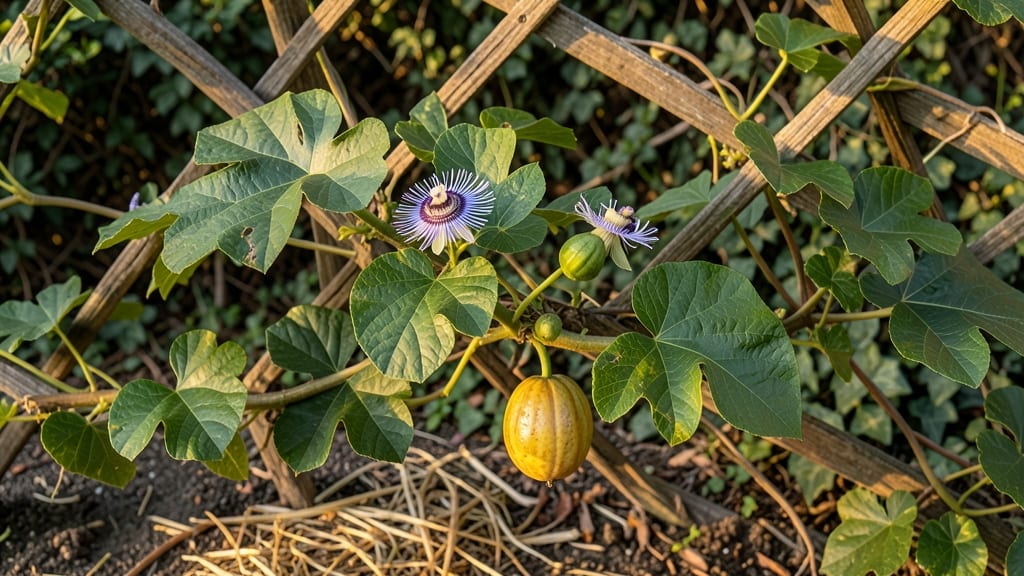
Growing Passiflora edulis passion fruit in containers unlocks tropical flavors even in cooler climates. 🌱 The key is mimicking its native warmth—sunny spots, well-draining soil, and consistent moisture—while keeping the vines contained. My first vine produced 20 fruits last summer, proving containers work beautifully if you meet its basic needs.
This vine thrives in zones 8-11 but can survive cooler areas with winter protection. Start with a 5-gallon container (minimum) and upgrade as it grows—passion fruit vines can reach 20+ feet if unchecked. The soil mix should be 60% potting soil, 30% perlite, and 10% compost for drainage and nutrients.
You’ll harvest golden or purple fruits in 6-8 months from planting, depending on variety. The flavor is sweeter than store-bought, with a tangy depth that pairs perfectly with yogurt or desserts. Prune aggressively in late winter to control size and encourage fruiting.
For container growers, winter care is critical—move pots indoors or wrap them in bubble wrap to protect roots. Even in mild climates, a light frost can kill the plant, so plan ahead. With the right setup, you’ll enjoy homegrown passion fruit year after year!
📚 In This Guide
- What you need
- Instructions
- Tips and common mistakes
- Wrapping up and next steps
What you need
- ● Container: A 5-gallon (or larger) pot with drainage holes (minimum 12" diameter for mature vines). Terracotta or fabric pots work best.
- ● Potting Mix: A well-draining blend like cactus/succulent mix (or 60% potting soil + 40% perlite/pumice). Avoid heavy garden soil!
- ● Passion Fruit Plant: A healthy Passiflora edulis cutting or nursery-grown vine (self-pollinating varieties like 'Sweet Granadilla' are ideal).
- ● Fertilizer: Balanced liquid fertilizer (10-10-10 or 20-20-20) for early growth.
- ● High-potassium fertilizer (like 5-10-10) once flowering begins.
- ● Support Structure: A trellis, tomato cage, or sturdy bamboo stake (vines can grow 15–20 ft!).
- ● Pruning Tools: Sharp bypass pruners or shears (sterilized with rubbing alcohol).
- ● Mulch: Organic mulch (straw or shredded bark) to retain moisture and regulate soil temp.
- ● Slow-release osmocote fertilizer for convenience.
- ● Self-watering drip irrigation kit (passion fruit loves consistent moisture!).
- ● Epsom salt (magnesium sulfate) for leaf health if yellowing appears.
- ● Pollination aid: A soft paintbrush to hand-pollinate flowers (if bees aren’t visiting).
Step-by-step instructions for growing Passiflora edulis in containers
Here's how to coax these tropical vines into thriving, fruit-bearing plants—even in limited space.
🌱 Step 1: Select the Right Container and Soil Mix
Passion fruit vines need room to sprawl, so choose a 5-gallon or larger container with drainage holes—15-20 gallons per vine is ideal for mature plants. I use fabric grow bags because they allow roots to breathe while preventing waterlogging. The soil must drain exceptionally well, so blend 60% premium potting mix with 30% perlite and 10% compost. This balance prevents root rot while providing nutrients.
Fill the container to 2 inches below the rim, then tap gently to settle the mix without compacting it. The surface should feel lightly crumbly—like a damp sponge—when squeezed. Avoid garden soil; its density will suffocate roots. A slow-release fertilizer (like 10-10-10) mixed into the soil at planting gives vines a nutrient boost without burning tender roots.
☀️ Step 2: Plant and Position for Maximum Sunlight
Passiflora edulis is a sun-worshipper, requiring 6-8 hours of direct sunlight daily. Plant your vine 1 inch deeper than its current soil level to encourage stable root growth. Gently spread the roots outward before covering with soil—don’t bury the crown (the area where stems meet roots). Water deeply right after planting to eliminate air pockets.
Place the container in a south-facing window or under grow lights if indoors. Vines will grow toward the light, so rotate the pot quarter-turn weekly to prevent lopsided growth. If you notice yellowing leaves, it’s a sign of insufficient light—move the vine closer to a brighter spot. In cooler climates, bring containers indoors before 50°F nights to protect tender growth.
💧 Step 3: Water and Fertilize for Optimal Growth
Water passion fruit vines deeply every 2-3 days during active growth, ensuring the top 3 inches of soil dry out between waterings. Stick your finger in the soil—if it feels dry to the touch, it’s time to water. Overwatering is the #1 killer of container-grown passion fruit; soggy soil leads to root rot and dropped flowers. Use a self-watering pot or drip irrigation system to maintain consistent moisture without drowning the roots.
Feed vines monthly with a balanced liquid fertilizer (20-20-20) diluted to half-strength during spring and summer. When you see new leaves emerging, it’s your cue to resume fertilizing. In fall, switch to a low-nitrogen, high-phosphorus fertilizer (like 5-10-10) to encourage flowering. Stop fertilizing entirely in winter when growth slows.
✂️ Step 4: Prune and Train for Fruit Production
Pruning isn’t just about shaping—it’s about directing energy toward fruit production. In early spring, trim back overly long or leggy vines to 3-4 feet from the base. Remove weak or crossing branches to improve airflow and reduce disease risk. Passion fruit vines produce flowers on new growth, so light pruning (cutting back by 1/3) in late winter stimulates fresh shoots.
Train vines to climb a trellis or sturdy support to save space and improve fruit accessibility. Use soft ties (like old T-shirts or horticultural tape) to secure stems—never wire, which can damage bark. When you see flower buds forming, reduce pruning to avoid shocking the plant. Hand-pollinate flowers with a small paintbrush in the morning to boost fruit set, especially if bees are scarce.
🍈 Step 5: Harvest and Overwinter for Next Season
Passion fruit is ripe when the skin turns yellow and the fruit detaches easily from the vine. Harvest in the morning for the best flavor and firmness. Cut stems with clean pruners, leaving a ½-inch stem attached to the fruit. Store ripe passion fruit at room temperature for up to 2 weeks or refrigerate for longer shelf life. Unripe fruit can ripen indoors in a paper bag with a banana (the ethylene gas speeds up the process).
Before winter, move containers to a bright, cool spot (50-60°F) with reduced watering. Prune back dead or diseased growth and fertilize lightly with a winterizing formula (like 5-5-5). If your climate drops below 32°F, wrap the container in bubble wrap and place it in an unheated garage or basement. Resume regular care in early spring when new growth appears.
Tips & tricks for thriving container-grown passion fruit
Let me share the insights I’ve gathered after watching these tropical vines transform my balcony into a mini orchard.
Container Selection: Fabric grow bags might be my go-to, but plastic containers with drainage holes work too—just avoid glazed ceramic, which can trap moisture. The key is the 15-20 gallon capacity for mature vines, so don't skimp on size. I've seen vines outgrow their containers by summer, and that's when root-bound stress starts showing. If you're working with limited space, consider vertical growing systems that maximize upward growth while keeping the root volume contained.
Soil Mix Secrets: That 60-30-10 blend of potting mix, perlite, and compost isn't just arbitrary—it's about creating an airy yet nutrient-rich environment. The perlite prevents compaction while the compost provides slow-release nutrients. Pro tip: Add a handful of orchid bark to your mix for extra aeration, especially if you're dealing with heavy potting soils. This small adjustment has dramatically improved my vines' ability to handle those 2-3 day watering intervals without stress.
Light Management: The 6-8 hours of sunlight requirement is non-negotiable, but here's what I've learned about working with it: If you're in a high-rise apartment, supplement with full-spectrum LED grow lights for 12-14 hours daily during winter. I use a timer to automate this, and it's made all the difference in maintaining growth through shorter days. For outdoor containers, rotate your pots weekly to prevent lopsided growth—your vines will thank you with more even fruit production.
Winter Survival Strategy: When temperatures drop toward 32°F, I don't just move my containers indoors—I create a mini greenhouse effect. Wrap the pots in bubble wrap and place them in an unheated garage where temperatures stay between 50-60°F. This simple step has saved my vines through multiple winters. In spring, when you see those first tender shoots, it's your cue to resume regular care and watch as the vines burst back to life.
Pro Tips for Passiflora Edulis Passion Fruit
- Let me share the insights I’ve gathered after watching these tropical vines transform my balcony into a mini orchard.
- Container Selection: Fabric grow bags might be my go-to, but plastic containers with drainage holes work too—just avo...
- Soil Mix Secrets: That 60-30-10 blend of potting mix, perlite, and compost isn't just arbitrary—it's about creating a...
Frequently asked questions
Got questions about growing Passiflora edulis (passion fruit) in containers? You’re not alone! Here are answers to the most common queries to help you cultivate this tropical vine like a pro.
What’s the best temperature range for container-grown passion fruit?
Passion fruit thrives in warm climates (60–85°F / 15–30°C). Protect it from frost (<32°F / 0°C)—even young plants can suffer damage. In cooler zones, grow it in large containers (15+ gallons) and move it indoors during winter or use a greenhouse. A heat lamp can help extend the growing season in chilly areas!
How often should I fertilize container passion fruit?
Feed your passion fruit vine every 4–6 weeks during spring and summer with a balanced liquid fertilizer (10-10-10 or 20-20-20). Reduce feeding in fall and winter. For organic options, use compost tea or worm castings. Over-fertilizing can burn roots—always water before applying fertilizer!
Why aren’t my passion fruit vines flowering or fruiting?
Common culprits include lack of sunlight (6+ hours daily), inadequate fertilization, or temperature stress. Prune leggy growth to encourage bushier vines, and ensure proper watering (consistent but not soggy). If indoors, supplement with a grow light—passion fruit needs bright light to bloom!
Can I grow passion fruit from seed, or should I buy a plant?
While you can grow from seed, it’s slower (2–3 years to fruit) and may not produce true-to-type fruit. For faster results, buy a grafted or rooted cutting from a nursery. Seedlings can be finicky—choose a hybrid like ‘Panama Red’ or ‘Purple’ for reliable container growth.
Are passion fruit vines toxic to pets or humans?
Passion fruit itself is safe to eat (and delicious!), but the vine’s leaves and stems contain mild toxins that can cause stomach upset if ingested in large amounts. Keep pets away from chewing on foliage. Always wash fruit thoroughly before eating to remove any residual pesticides or dirt.
Wrapping up and next steps
Growing Passiflora edulis in containers is totally doable—even for beginners! With the right fertilization strategy, sunlight, and care, you’ll enjoy a bountiful harvest of sweet, tropical passion fruit right at home. 🌱✨
Ready to take the next step? Start by monitoring your plant’s growth and adjusting your fertilizer routine based on its needs. Before you know it, you’ll be savoring homemade passion fruit treats or sharing your harvest with friends!