
Plants
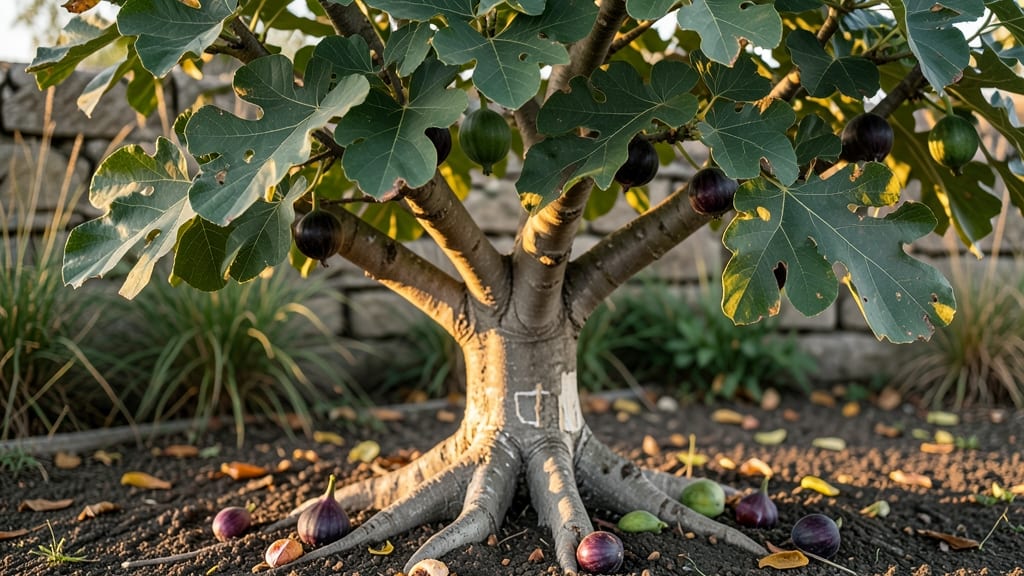
A fig fruit looks like a small, bulbous pear or upside-down teardrop, measuring about 1 to 2 inches wide. Its skin is rough and bumpy, changing from green to deep purple or brown as it ripens, often splitting open to reveal a sweet, honeycomb-textured interior packed with tiny seeds.
A fig fruit's shape and texture make it instantly recognizable once you know what to look for. 🌿 The bulbous form is its most distinctive feature, but the skin's texture varies dramatically—some figs have smooth surfaces while others develop pronounced warts as they mature.
I've noticed that Mission figs, for example, tend to have a smoother skin compared to the more rugged texture of Kadota figs, which can help you identify them quickly in grocery stores or orchards.
Ripeness is key when selecting figs, and there are several visual cues to watch for. A ripe fig will feel slightly soft when gently squeezed, and its color will deepen significantly—often transitioning from pale green to rich purple or brown.
The scent is another dead giveaway: a ripe fig releases a sweet, almost floral aroma that's impossible to miss. Many people mistakenly confuse figs with mulberries or persimmons, but the honeycomb interior and the way figs split open at the top are dead giveaways.
💡 In This Article
- Distinguishing Fig Fruit Shapes and Skin Variations
- How to Spot Ripe Figs in Gardens and Grocery Stores
Distinguishing fig fruit shapes and skin variations
The bulbous shape of figs is their most defining characteristic, but the variations between varieties can be surprising. 🌱 Mission figs, for example, grow to about 1.5-2 inches wide and develop a smooth, almost velvety skin that transitions from green to deep purple.
In contrast, Kadota figs—common in the southeastern U.S.—tend to be slightly smaller (1-1.5 inches) with a more textured, almost warty surface that resembles a small, bumpy pear.
The skin's texture isn't just cosmetic; it's tied to the fig's genetic makeup, with some varieties like the Black Mission developing a nearly glossy finish when fully ripe.
Ripeness dramatically alters a fig's appearance, especially in its skin color and surface. Green figs are firm and unripe, but as they mature, their skin deepens in hue—often turning a rich purple, brown, or even deep red depending on the variety.
The skin may also develop a slightly translucent quality near the stem, where the fruit begins to split open.
This "eye" or opening is a clear sign of ripeness and is where pollinators (like fig wasps) would normally enter in the wild. 🌿 The interior of a ripe fig is where the magic happens: a soft, jelly-like texture with tiny, edible seeds embedded in a honeycomb pattern.
One of the most fascinating aspects of figs is how their shape changes as they ripen. Unripe figs are often more symmetrical and compact, but as they mature, they can develop a slightly asymmetrical, almost "squished" appearance due to the pressure of the developing seeds inside.
This is especially noticeable in varieties like the Brown Turkey fig, which can grow to 2.5 inches wide and develop a pronounced "neck" near the stem. The skin's bumps or warts also become more pronounced with ripeness, which can help distinguish them from other fruits like mulberries or persimmons.
If you're comparing figs to other fruits, their unique shape and skin texture set them apart. Mulberries, for example, have a smoother, more elongated shape and lack the bulbous form of figs. Persimmons, on the other hand, are more oval and have a harder, less yielding texture when unripe.
Figs also lack the fibrous strands found in mulberries or the astringent quality of unripe persimmons. 🍇 The key is to focus on the fig's distinctive bulbous shape, the way it splits open at the top, and the honeycomb interior—features that are unmistakable once you know what to look for.
For gardeners or foragers, understanding these variations can make identification much easier. For instance, the Adriatic fig—a variety popular in Mediterranean regions—often has a smoother skin and a more elongated shape compared to its warty American counterparts.
Meanwhile, the Desert King fig, a heat-tolerant variety, tends to have a thicker skin and a more rounded shape. These differences aren't just about looks; they also influence taste and texture, with smoother-skinned figs often being slightly sweeter and more tender.