
Fertilization
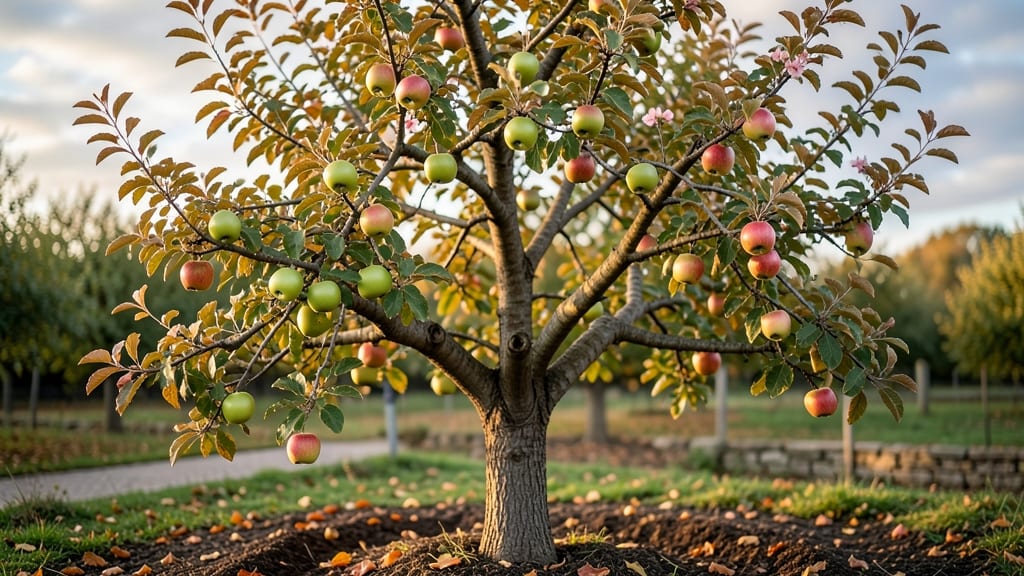
A whole fruit represents the fully developed, unprocessed ovary of a flowering plant, encompassing its seeds, edible flesh, and protective outer skin. This natural structure plays a dual role: it protects seeds during growth and aids in their dispersal while offering culinary versatility through its intact form.
A whole fruit isn't just what you eat—it's the plant's complete reproductive package. 🌱 The ovary wall thickens into layers (like citrus rinds or apple peels) that shield the seeds inside, while the fleshy parts often develop to attract animals for seed dispersal.
This intact form preserves all nutrients, unlike peeled or juiced versions that lose fiber and some vitamins. For example, an apple's core contains seeds and pectin-rich flesh that purees lose when processed. The key difference? Whole fruits maintain their natural structure, offering both botanical function and uncompromised nutrition.
Botanically, this structure includes the pericarp (the fruit wall) and its three layers: the outer exocarp (skin), middle mesocarp (flesh), and inner endocarp (seed covering). 🍎 This design explains why whole fruits like peaches or tomatoes ripen more slowly than cut pieces—the intact skin slows moisture loss.
Understanding this helps you store fruits properly: leave berries whole in the fridge, but remove citrus peels before refrigeration to prevent mold transfer. The whole fruit's natural packaging isn't just for show—it's a survival strategy that also benefits your kitchen.
💡 In This Article
- Botanical Definition of Whole Fruit
- Culinary Uses and Storage Tips for Whole Fruits
Botanical definition of whole fruit
The term "whole fruit" refers to the fully matured ovary of a flowering plant, complete with its protective outer layers, fleshy tissues, and seeds.
This structure develops from the fertilized ovule after pollination, where the ovary wall thickens into what we recognize as the fruit's skin and flesh. 🌱 For example, a tomato's exterior is actually its exocarp, while the juicy interior represents the mesocarp layer.
This three-layered pericarp (exocarp, mesocarp, endocarp) serves as the plant's natural seed dispersal system—animals eat the fleshy parts, then excrete the seeds elsewhere.
What sets whole fruits apart from processed versions is their intact structure. When you peel an orange or juice a grapefruit, you're removing the exocarp and often parts of the mesocarp, which contain valuable fiber and phytonutrients.
The endocarp (like the hard pit of a peach) protects seeds until they're ready to germinate. This natural packaging also explains why whole fruits ripen more gradually—the intact skin regulates moisture loss and ethylene gas buildup, which speeds ripening in cut pieces.
Botanists classify fruits based on their development patterns. For instance, berries (like tomatoes) have thin skins and fleshy interiors with seeds embedded throughout, while drupes (like cherries) feature a stony endocarp. The key difference from vegetables?
Fruits always contain seeds (even if they're tiny), while vegetables are other edible plant parts like stems or roots. This botanical definition helps explain why a cucumber is technically a fruit (it has seeds), even though we treat it like a vegetable in cooking.
Understanding these layers matters for nutrition too. The exocarp often contains flavonoids (like the bright colors in berries), while the mesocarp provides fiber and vitamins. For example, an apple's skin has 10 times more antioxidants than its flesh.
When you eat a whole fruit, you're consuming all these layers in their natural balance—a benefit lost in juices or purees that extract only the mesocarp. 🍏 This is why nutritionists recommend whole fruits over processed versions whenever possible.
The reproductive purpose of whole fruits becomes clear when you observe seed dispersal. Animals eat the fleshy parts, then the seeds pass through their digestive systems to be deposited far from the parent plant.
Some fruits even develop hooks (like burdock) or wings (like maple samaras) to catch wind or animal fur. This dual function—nourishment for animals and seed transport—is why whole fruits maintain their structural integrity until ready for consumption or dispersal.
Consider how this botanical structure affects common fruits: A watermelon has a tough rind (exocarp) protecting juicy red flesh (mesocarp) with black seeds (endocarp). A kiwi has a fuzzy exocarp surrounding vibrant green mesocarp with tiny black seeds.
Even citrus fruits follow this pattern—the thick peel (exocarp) contains oils, while the segmented flesh (mesocarp) surrounds the central core (endocarp) with seeds. This layered design isn't just for show; it's the plant's survival strategy that also delivers optimal nutrition when we eat whole fruits.