
Orchid Care
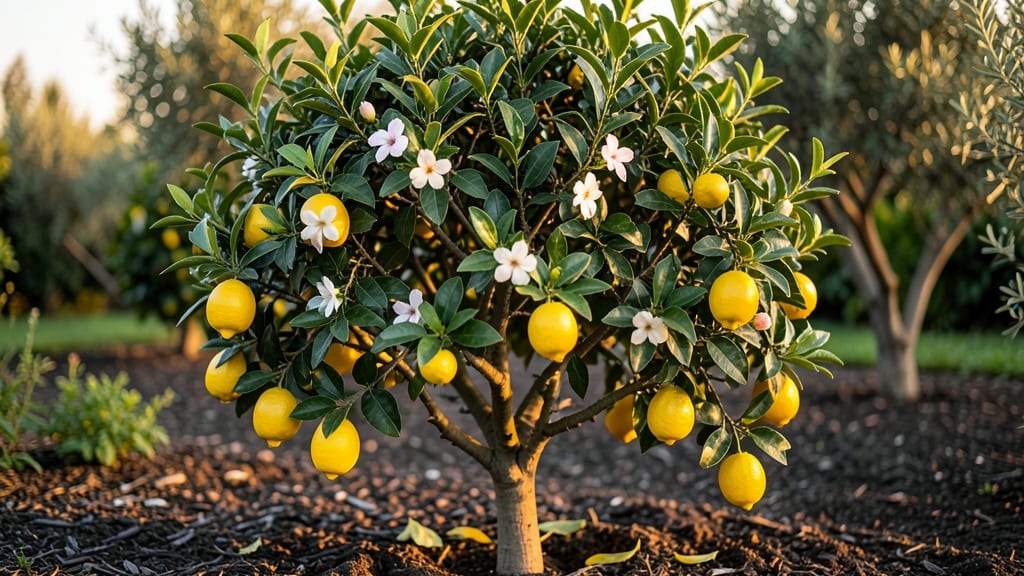
Citrus fruits are a vibrant family of fruits that includes oranges, lemons, grapefruits, limes, and mandarins, among others. These fruits belong to the Rutaceae family, showcasing bright flavors, high vitamin C content, and juicy textures that make them essential for both culinary and nutritional uses in gardening.
When you think of citrus fruits, you're looking at a diverse group that thrives in warm climates and brings a burst of flavor to any dish or drink. 🌿 These fruits aren't just delicious—they're packed with nutrients like vitamin C, potassium, and fiber, making them a gardener's favorite for both home consumption and sharing.
Many citrus varieties, such as dwarf oranges or Meyer lemons, are perfect for container gardening, even in smaller backyard spaces or patios. The key to growing them successfully lies in providing well-draining soil, plenty of sunlight, and protection from frost, which ensures a bountiful harvest year after year.
What makes citrus fruits so special is their versatility. You can use them in everything from fresh salads and desserts to savory marinades and cocktails. For example, blood oranges add a unique sweet-tart flavor, while yuzu brings a tangy twist to both sweet and savory dishes.
Whether you're growing them for their nutritional benefits or their culinary potential, citrus fruits are a must-have for any home garden.
💡 In This Article
- Botanical Traits of Citrus Fruits
- Top 12 Citrus Varieties for Home Growers
Botanical traits of citrus fruits
Citrus fruits all belong to the Rutaceae family, which includes over 1,600 species of flowering plants, but only about 20 are commercially significant for fruit production. These evergreen trees or shrubs typically grow between 10-30 feet tall, though dwarf varieties can stay under 6 feet—perfect for container gardening.
The key botanical features include glossy, dark green leaves with aromatic oils, fragrant white flowers, and fruits with thick, leathery rinds that protect the juicy segments inside.
The thick rinds aren't just protective—they contain oils that give citrus its signature aroma and flavor. For example, the peel of a Meyer lemon contains 3-5% essential oils, while grapefruit peels have up to 10% oil content.
These oils also play a role in pest resistance, which is why citrus trees thrive in warm climates with 6-10 hours of direct sunlight daily. Soil conditions matter too: well-draining, slightly acidic soil (pH 6.0-7.0) prevents root rot and encourages healthy growth.
What most gardeners don't realize is how temperature fluctuations affect fruit development. While citrus trees love warmth, they need a period of cooler weather (around 50-60°F) to trigger flowering.
This is why many varieties produce better yields in regions with mild winters. 🌿 The fruit itself develops from small white flowers that appear in spring, and it takes about 6-12 months to reach maturity, depending on the variety.
For home growers, this means patience—and choosing cold-hardy varieties like trifoliate orange if you live in frost-prone areas.
Another fascinating trait is how citrus fruits develop their signature tartness. The acidity comes from citric acid and malic acid, which build up as the fruit matures. For instance, a lime has about 5% acidity, while a sweet orange has only 0.5-1%.
This chemical process is why some citrus fruits taste sweeter when fully ripe, while others (like grapefruits) remain tart even at peak ripeness. Understanding these botanical quirks helps gardeners predict flavor profiles and harvest times.
Climate also influences the size and quality of citrus fruits. In regions with high humidity, like Florida or California, citrus trees often produce larger, juicier fruits due to consistent moisture. However, in drier climates, like Arizona or Spain, the fruits tend to be smaller but more concentrated in flavor.
This is why many commercial growers use irrigation systems to maintain optimal soil moisture without overwatering, which can lead to blossom end rot or fungal diseases.
For home growers, this means paying close attention to local weather patterns and adjusting care routines accordingly. For example, in USDA Zone 9 or higher, citrus trees can thrive outdoors year-round, while in cooler zones, they may need winter protection or container growing to survive.
The key is mimicking their natural tropical environment as closely as possible—whether through greenhouse setups or careful winter care.