
Planting
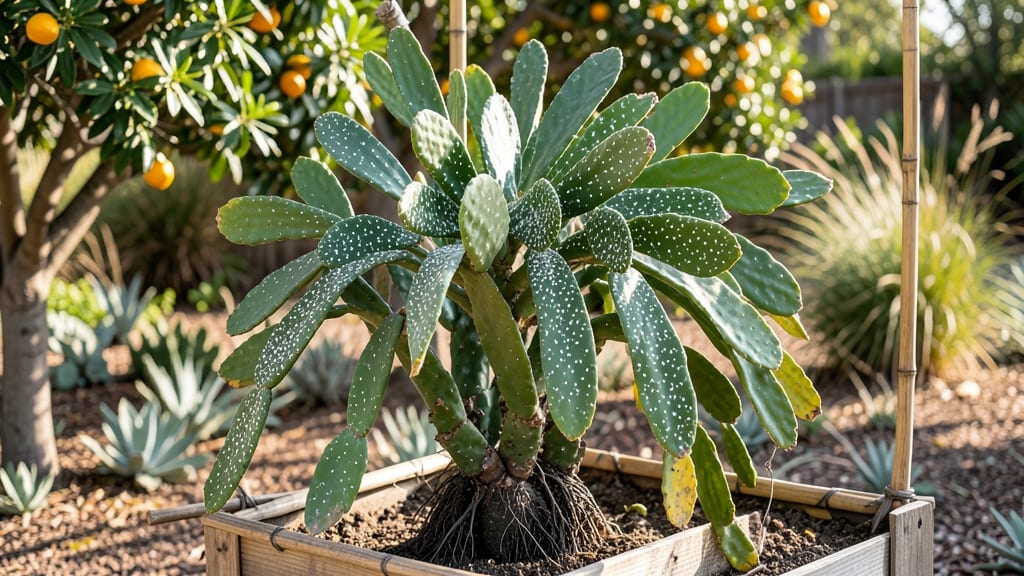
White spots on your dragon fruit plant might look alarming, but they’re often fixable with the right care. 🌱 I’ve dealt with this exact issue—what started as a few spots turned into a full-blown problem before I learned the proper response.
The good news? Most cases involve simple fixes like pruning, adjusting water, or treating mild fungal issues before they spread.
These spots usually mean either powdery mildew (a common fungal infection) or spider mites hiding under the leaves. The key is acting fast: wipe leaves with neem oil, improve airflow, and avoid overhead watering. My plant recovered completely within a few weeks after I adjusted my routine—no harsh chemicals needed.
Once you’ve addressed the spots, focus on prevention: prune for better airflow, water at the base only, and keep the plant in bright but indirect light. A healthy dragon fruit thrives with 6+ hours of sun daily and well-draining soil.
The result? Fewer spots, more vibrant growth, and fruit that’s actually worth harvesting.
If the spots persist after a week, double-check for pests or nutrient deficiencies—sometimes the fix is as simple as adding compost or adjusting fertilizer. The goal is to keep your plant strong enough to fight off future issues naturally.
Root Causes of White Spots
Understanding why your dragon fruit plant develops white spots is the first step toward fixing the issue. These spots rarely appear by accident—they’re usually a sign of environmental stress, pest activity, or fungal/bacterial infections.
Below, we break down the most common culprits, complete with scientific explanations and actionable insights to help you diagnose the problem accurately.
---
Dragon fruit plants (Hylocereus spp.) thrive in well-draining soil with consistent moisture, but imbalances trigger white spots. Here’s why:
- Overwatering & Poor Drainage When roots sit in soggy soil for too long, they struggle to absorb oxygen, leading to anaerobic stress.
This weakens the plant’s defenses, making it susceptible to: - Fungal infections (like Phytophthora or powdery mildew), which manifest as white, fuzzy patches on leaves or stems. - Root rot, which can cause white, mushy spots on the base of the plant or along the stem where water pools. - Actionable fix: Let the top 2–3 inches of soil dry out between waterings.
Use pots with drainage holes and amend soil with perlite or coconut coir to improve aeration.
- Underwatering & Heat Stress Dragon fruit plants are drought-tolerant but hate prolonged dryness, especially in hot climates.
When soil dries out completely: - Leaf scorch occurs, causing white or yellowish spots (often along leaf edges) due to oxidative damage from dehydration. - Sunburn (if combined with intense sunlight) can bleach patches of the plant, turning them white or translucent. - Actionable fix: Water deeply 2–3 times per week during peak summer months, and provide afternoon shade if temperatures exceed 90°F (32°C).
---
White spots aren’t always fungal—they can be the calling cards of pests that feed on plant sap or excrete sticky residue. Here’s how to spot them:
- Mealybugs & Scale Insects These sap-sucking pests cluster in leaf axils or under leaves, leaving behind: - Cottony white masses (mealybugs) or brown, waxy bumps (scale) that later turn white as they age. - Sticky honeydew, which attracts sooty mold (a black fungal growth that contrasts with the white spots). - Actionable fix: Wipe infested areas with a 70% isopropyl alcohol solution or spray with neem oil (1 tsp per quart of water).
Repeat every 5–7 days until pests disappear.
- Spider Mites (Indirect Cause) While spider mites don’t create white spots directly, their feeding causes: - White stippling (tiny dots) on leaves due to cell damage from their mouthparts. - Severe infestations lead to leaf curling and premature drop. - Actionable fix: Blast leaves with water to dislodge mites, or use insecticidal soap (1.5 tbsp per gallon of water).
Increase humidity to deter them.
---
Fungi love warm, humid conditions—perfect for dragon fruit plants in tropical or greenhouse settings. These are the most common offenders:
- Powdery Mildew This fungal disease thrives in high humidity (70%+) and poor air circulation, forming: - White, powdery patches on leaves and stems (like dust but won’t wipe off easily). - Leaves may yellow or curl as the fungus blocks sunlight. - Actionable fix: Improve airflow with a small fan, avoid overhead watering, and spray with a baking soda solution (1 tsp baking soda + 1 tsp soap + 1 quart water) weekly.
- Downy Mildew Less common but more aggressive, this fungus causes: - White, fuzzy spots on the undersides of leaves (often accompanied by yellowing on top). - Unlike powdery mildew, it spreads rapidly in cool, wet conditions (60–70°F / 15–21°C). - Actionable fix: Remove infected leaves immediately, space plants 2–3 feet apart, and apply copper fungicide as a preventive measure.
--- Dragon fruit plants are heavy feeders, but too much fertilizer—especially synthetic varieties—can cause fertilizer burn, leading to: - White, crusty deposits on soil or leaf surfaces (from excess salts). - Leaf tip burn, where edges turn white or brown due to osmotic stress (too many salts disrupt water uptake). - Actionable fix: Flush the soil with water to leach out salts, and switch to organic, slow-release fertilizer (like fish emulsion or compost tea).
Reduce fertilizer frequency to every 6–8 weeks.
--- Sometimes, white spots are purely mechanical: - Abrasion from wind or hail can create white, scuffed patches on leaves or stems. - Improper pruning (cutting too close to the stem) can expose tissue that oxidizes and turns white. - Actionable fix: Protect plants from harsh weather with row covers or stakes.
Prune with sterilized shears and leave a small stem collar (¼ inch) to prevent damage.
--- Not sure which cause fits your plant? Use this table to narrow it down:
| Symptom | Likely Cause | Key Clues | |---------------------------|--------------------------------|----------------------------------------| | White, powdery patches | Powdery mildew | Humid conditions, spreads fast | | Cottony white clusters | Mealybugs | Sticky residue, often in leaf axils | | White stippling | Spider mites | Tiny webs, dry conditions | | White crust on soil | Fertilizer burn | Over-fertilized, salty soil | | White stem spots | Root rot or fungal infection | Soggy soil, mushy texture | | Scuffed white patches | Physical damage | No other symptoms, recent wind/hail |
Fixing White Spots on Dragon Fruit
Now that you know the likely causes of those pesky white spots on your dragon fruit plant, let’s tackle them head-on with practical, step-by-step solutions. Whether it’s fungal infections, pest infestations, or environmental stress, each issue has a targeted fix to restore your plant’s health.
Below, we’ve mapped out the best approaches for each cause—plus pro tips to keep your dragon fruit thriving long-term.
---
If white spots are fuzzy, powdery, or spreading like a blanket, fungi like powdery mildew or downy mildew are likely to blame. Here’s how to banish them:
#### 🔥 Remove Infected Areas Immediately 1. Snip it out: Use sterilized pruning shears (wipe with rubbing alcohol between cuts) to trim away heavily spotted leaves or stems. Dispose of the clippings in the trash—not the compost!
Fungi can survive and reinfect. 2. Don’t over-prune: Remove only what’s severely affected. Healthy tissue can recover faster with less stress.
#### 🌿 Apply Fungicidal Treatments 1. Neem oil spray: Mix 1 tsp neem oil + 1 tsp mild soap + 1 quart water. Spray early in the morning (avoid direct sunlight) every 5–7 days until spots fade.
Neem oil disrupts fungal spores and strengthens plant defenses. - Pro tip: 💡 Add a drop of cinnamon oil (natural antifungal) to the mix for extra power.
2. Baking soda solution: For mild cases, stir 1 tsp baking soda + 1 quart water + a few drops of dish soap. Spray leaves undersides too (where fungi love to hide). Reapply weekly.
3. Store-bought fungicides: If infections persist, opt for copper-based sprays (like Copper Soap) or sulfur sprays (follow label instructions). These are tougher on fungi but safe for plants.
#### 🌡️ Adjust Growing Conditions Fungi thrive in humidity + poor airflow.
Fix this by: - Improving airflow: Space plants 12–18 inches apart or prune nearby foliage blocking circulation. - Watering smarter: Water at the base (not overhead) and early in the day so leaves dry quickly. - Reduce humidity: Use a fan on low setting near the plant or open windows to circulate air.
---
White, cottony spots? Mealybugs or scale insects might be sucking the life out of your dragon fruit. Here’s how to evict them:
#### 👨🍳 Manual Removal (Best for Small Infestations) 1. Dampen a cotton swab with rubbing alcohol (70% isopropyl) and dab each pest. This dehydrates them instantly. 2. Scrape off scale insects: Use a plastic scraper (like a credit card) to gently remove the hard, white shells from stems/leaves.
3. Drop pests in soapy water: Prevent them from crawling back by disposing of them in a bucket of soapy water.
#### 🔪 Natural Pest Control Sprays 1. Insecticidal soap: Mix 2 tbsp castile soap + 1 quart water. Spray directly on pests (avoid healthy leaves). Reapply every 3–5 days for 2 weeks.
2. Horticultural oil: Apply dormant oil (like Neem Bliss) in evening hours to suffocate pests. Reapply every 7–10 days. 3. Beneficial insects: Release ladybugs or lacewings (available at garden centers). They feast on mealybugs and scale.
#### 🌿 Prevent Reinvasion - Isolate infected plants until pests are gone. - Check new plants before bringing them home—quarantine for 2 weeks. - Wipe down pots with vinegar solution (1:1 water ratio) to kill hidden eggs.
---
White spots from sunburn, nutrient deficiencies, or overwatering? Adjust your plant’s environment with these fixes:
#### ☀️ Sunburn or Heat Stress 1. Move to partial shade: Dragon fruit plants need morning sun + afternoon shade, especially in hot climates (above 90°F). Use a light shade cloth (30–50%) if outdoors.
2. Mulch the soil: Apply 2–3 inches of organic mulch (straw or wood chips) to insulate roots and retain moisture. 3. Avoid cold drafts: Keep plants away from AC vents or chilly windows at night.
#### 💧 Overwatering or Poor Drainage 1. Check soil moisture: Stick your finger 2 inches deep—water only if soil is dry. Dragon fruit plants hate soggy roots. 2. Upgrade pots: Use pots with drainage holes and terracotta (which dries faster than plastic).
3. Adjust watering: Water deeply but less frequently (every 7–10 days in dry climates). Let the top 1–2 inches of soil dry out between waterings.
#### 🍽️ Nutrient Deficiencies White spots from calcium or magnesium deficiency?
Boost nutrients with: - Epsom salt soak: Dissolve 1 tbsp Epsom salt in 1 gallon water and water the plant monthly for magnesium. - Crushed eggshells: Sprinkle around the base for calcium (great for preventing blossom-end rot too). - Balanced fertilizer: Use a low-nitrogen, high-potassium fertilizer (like 5-10-10) every 6–8 weeks during growing season.
---
Once your dragon fruit plant is spot-free, keep it that way with these easy maintenance habits:
| Problem | Prevention Tip | When to Do It | |----------------------|------------------------------------------------------------------------------------|---------------------------------| | Fungal infections | Spray neem oil monthly as a preventative. | Every 4 weeks or after rain. | | Pests | Inspect plants weekly for early signs (sticky residue = aphids!). | Every 7 days. | | Sunburn | Acclimate new plants to bright indirect light for 2 weeks before full sun. | Before moving outdoors. | | Overwatering | Use a moisture meter or the finger test to avoid guesswork. | Before each watering. | | Nutrient loss | Top-dress soil with compost 2x/year to replenish minerals. | Spring + Fall. |
--- 🎯 Final Pro Tip: Rotate your dragon fruit plant every few weeks so all sides get even sunlight and airflow. This prevents uneven stress and keeps pests from settling in one spot!
With these solutions, your dragon fruit plant should bounce back in 2–4 weeks. Keep an eye on it, adjust as needed, and soon you’ll be enjoying vibrant, spot-free growth—and maybe even those coveted pink or yellow fruits! 🌱✨
Frequently asked questions
Are white spots on my dragon fruit plant always a sign of disease?
Not necessarily! While fungal infections like powdery mildew are common causes, white spots can also result from pest activity (mealybugs or scale insects), sunburn, or even physical damage from wind or improper pruning. Always check for other symptoms like sticky residue (pests) or leaf curling (fungus) to narrow down the cause.
How quickly can I expect to see improvement after treating white spots?
With proper care, you should see noticeable improvement within 2-4 weeks. Mild cases of powdery mildew or early-stage pest infestations may clear up faster (1-2 weeks) if you remove infected areas and apply treatments consistently. Severe fungal infections or advanced pest damage might take longer, especially if the plant is already stressed.
Can I still harvest fruit from a dragon fruit plant with white spots?
It depends on the cause. If the spots are from pests or fungal infections, avoid harvesting fruit from the same plant until the issue is fully resolved. However, if the spots are due to sunburn or nutrient deficiencies, the fruit may still be safe to eat—just focus on treating the plant first. Always wash fruit thoroughly before consumption.
What’s the best way to prevent white spots from returning?
Focus on proper airflow (space plants 12-18 inches apart), smart watering (base only, not overhead), and regular inspections (weekly checks for pests). Use neem oil monthly as a preventative, and avoid over-fertilizing. Rotate your plant occasionally for even sunlight exposure.
Will commercial fungicides harm my dragon fruit plant?
Most copper-based or sulfur fungicides are safe when used correctly, but always follow label instructions. For organic growers, neem oil or baking soda sprays are gentler alternatives. Test any treatment on a small area first to check for sensitivity.