
Propagation
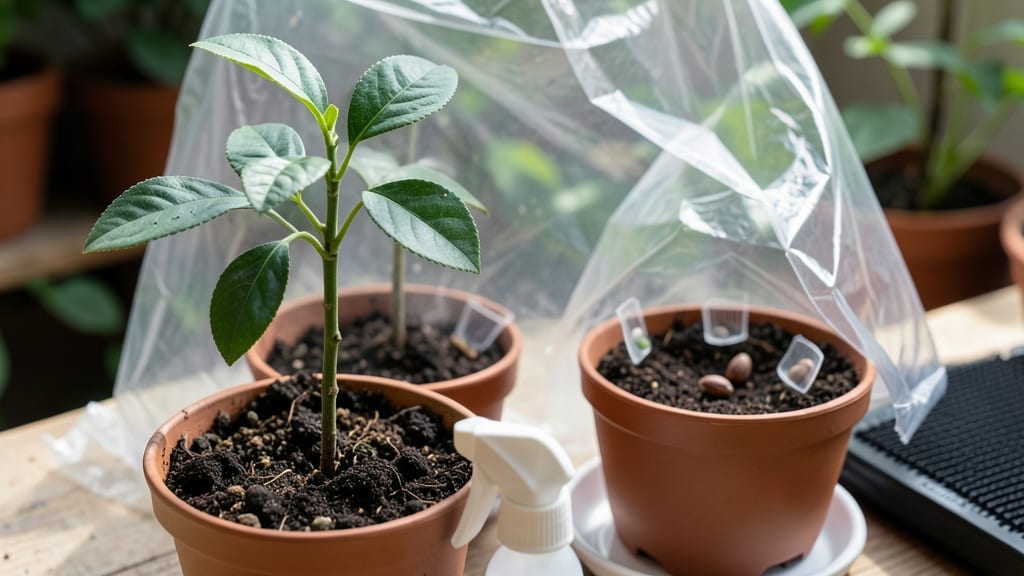
Germinating grapefruit seeds turns kitchen scraps into a citrus tree—if you keep them moist and patient. 🌱 The process starts with a simple soak, but the real magic happens when those stubborn little seeds finally crack open after weeks of waiting.
I’ve sprouted three trees this way, and each one reminds me that good things come to those who nurture (and don’t give up after two weeks).
The secret isn’t fancy equipment—just a warm spot, a damp paper towel, and a little time. Most seeds need 30-60 days to germinate, and some take twice that.
You’ll need a clear container to track progress, since the first sign of life is often just a tiny white root peeking out. Once sprouted, they’ll need bright, indirect light to keep growing strong.
What you end up with is a delicate citrus sapling that’ll grow into a small tree—not a fruit-bearing giant, but one that’s perfect for containers or warm climates. The leaves smell like sunshine, and the slow growth makes every new leaf feel like a victory.
Just don’t expect fruit anytime soon; these trees take 5-10 years to mature.
Here’s the catch: grapefruit trees from seeds rarely produce fruit worth eating, but the journey is half the fun. If you live in USDA zones 9-11, you can eventually move yours outdoors.
For cooler climates, keep it as a houseplant—just be ready for the slow-and-steady pace of citrus growth. Patience, after all, is the real ingredient here.
📚 In This Guide
- What you need
- Instructions
- Tips and common mistakes
- Wrapping up and next steps
What you need
- ● Grapefruit seeds: 3–5 fresh, plump seeds (harvested from a ripe grapefruit—avoid store-bought seeds treated to prevent germination)
- ● Small pots or containers: 3–4 shallow, well-draining pots (4–6 inches deep) with drainage holes, or a seed tray with individual cells
- ● Potting mix: 1–2 cups of seed-starting mix or a lightweight, sterile blend (avoid garden soil—it’s too dense!)
- ● Plastic wrap or clear lid: To create a mini greenhouse effect (e.g., a ziplock bag or a humidity dome)
- ● Spray bottle: With water (for gentle misting—no heavy watering!)
- ○ Room-temperature water: For soaking seeds (optional but helpful)
- ● Grow lights or sunny windowsill: A south-facing window or LED grow light (12+ hours/day) for seedlings
- ○ Heating mat: (Optional) To keep soil warm (70–80°F) and speed up germination
- ● Fertilizer: A balanced, water-soluble fertilizer (diluted to half-strength) for later stages
- ● Label markers: To track seed planting dates (trust us, it helps!)
Step-by-Step instructions for germinating grapefruit seeds
Here's how I turn grapefruit seeds into tiny citrus saplings—it’s all about keeping them moist and patient.
🌱 Step 1: Extract and Clean the Seeds
Rinse the seeds thoroughly under lukewarm water to remove any pulp or residue. I like to scrub them gently with my fingers—this prevents mold and speeds up germination. Lay them on a clean paper towel to dry for 10-15 minutes until they feel slightly tacky but not wet.
Here's the thing—don't rush this step. If you skip drying, the seeds may rot before they sprout. You'll know they're ready when they look clean but still hold moisture if you press them lightly.
💧 Step 2: Soak the Seeds for Faster Germination
Place the seeds in a small bowl or cup and cover them with warm water (about 85°F). Soaking for 12-24 hours softens the outer coating and kickstarts the germination process. I like to leave them overnight—just make sure they stay submerged.
Check them after 12 hours. If the water cools, replace it with fresh warm water. You'll see tiny cracks or sprouts starting to form—this is your signal that germination is underway. Don't let the seeds dry out during this time.
☀️ Step 3: Plant in Moist, Well-Draining Soil
Fill small pots (about 2-3 inches deep) with a mix of 50% potting soil and 50% perlite or sand to ensure good drainage. Press the soil down lightly and create small holes about ½ inch deep—just enough to cradle the seeds.
Plant the seeds ½ inch deep, spacing them about 1 inch apart in each pot. Cover them lightly with soil and mist the surface until it feels evenly damp. You want the soil to stay moist but not soggy—think of a wrung-out sponge.
🪴 Step 4: Create a Humid, Warm Environment
Place the pots in a clear plastic bag or under a humidity dome to trap moisture. I keep them in a warm spot (around 70-75°F)—a sunny windowsill or on top of the fridge works well. This warmth and humidity mimic the tropical conditions grapefruit seeds love.
Check the soil every 2-3 days and mist it lightly if it starts to dry out. You'll see tiny sprouts emerging in about 2-4 weeks. Once they do, remove the plastic bag immediately to prevent mold. Watch for the first true leaves—these will look different from the initial seed leaves.
⏰ Step 5: Care for Young Seedlings
Move the seedlings to a bright spot with indirect sunlight once they've sprouted. Too much direct sun at this stage can scorch the delicate leaves. Water them gently at the base, keeping the soil consistently moist but not waterlogged.
Real talk: grapefruit seedlings grow slowly. Don't expect much in the first few months—patience is key. Once they reach about 6 inches tall, you can transplant them into larger pots or the ground, but only after the last frost date in your area.
Tips & tricks for perfect grapefruit seed germination
These little tricks will help you coax those stubborn grapefruit seeds into sprouting like pros—no green thumb required.
Seed Selection: Choose plump, intact seeds from ripe grapefruits—they hold the most potential. I always pick the largest ones from the center of the fruit, as they tend to have higher germination rates. If you're working with multiple seeds, soak them all together in the same bowl to save time and water.
Water Temperature: The 85°F warm water in Step 2 is crucial—it mimics the tropical conditions grapefruit seeds love. Use a thermometer if you're unsure, or test with your wrist (should feel warm, not hot). If your water cools below 70°F during the 12-24 hour soak, replace it immediately to maintain consistent warmth and prevent slowing germination.
Soil Mix Matters: That 50/50 potting soil and perlite mix in Step 3 is non-negotiable for drainage. I've tried regular garden soil before, and it compacted too much, leading to rot. Perlite creates air pockets that prevent waterlogging while still keeping roots happy. For extra insurance, add a handful of coarse sand to the mix—it helps break up clay soils if you're using store-bought potting mix.
Humidity Hack: When creating that humid environment in Step 4, I like to use a clear plastic bag with tiny holes poked in it—just enough to let excess moisture escape but keep humidity high. Place a small dish of water near the pots inside the bag for extra moisture. This creates a mini greenhouse effect that speeds up sprouting from 2-4 weeks to as little as 10 days in ideal conditions.
Pro Tips for Germinate Grapefruit Seeds
- These little tricks will help you coax those stubborn grapefruit seeds into sprouting like pros—no green thumb required.
- Seed Selection: Choose plump, intact seeds from ripe grapefruits—they hold the most potential. I always pick the larg...
- Water Temperature: The 85°F warm water in Step 2 is crucial—it mimics the tropical conditions grapefruit seeds love. ...
Frequently asked questions
Got questions about germinating grapefruit seeds?
You’re not alone—this process can feel tricky at first! Here are answers to the most common queries to help you grow confidently.
How long does it take for grapefruit seeds to sprout?
Patience is key! Most seeds sprout within 2–4 weeks under ideal conditions (warmth, moisture, and indirect light). If nothing happens after 6 weeks, the seeds may be non-viable—try fresh ones or adjust your setup.
Can I germinate grapefruit seeds in water?
Yes, but with caution. Place seeds in a damp paper towel or shallow water (changed daily) to avoid rot. Once roots appear (1–2 inches), transfer them to soil. Never let them sit in standing water—this can drown them!
What’s the best soil mix for young seedlings?
Use a lightweight, well-draining mix like 50% potting soil + 50% perlite or sand. Avoid heavy garden soil—it retains too much moisture and risks fungal issues. A small pot with drainage holes works best for starters.
My seeds sprouted, but the seedlings are weak. What’s wrong?
Weak seedlings often suffer from overwatering, poor light, or cold temps. Move them to a warm, sunny spot (but avoid direct midday sun) and water only when the top inch of soil feels dry. Fertilizer isn’t needed yet—focus on strength first!
Can I grow a grapefruit tree indoors?
Grapefruit trees thrive indoors with 6+ hours of sunlight daily (a south-facing window or grow light helps). Just expect slower growth and smaller fruit—outdoor trees (in USDA zones 9–11) yield the juiciest rewards!
Wrapping up and next steps
Germinating grapefruit seeds is a rewarding way to grow your own citrus sapling—just remember, patience and consistency are key! 🌱 With the right moisture, warmth, and care, those tiny seeds can sprout into a thriving plant.
Once your seedlings emerge, the real adventure begins: nurturing them into healthy, fruit-bearing trees (if you’re lucky enough to wait that long!).
Ready to take the next step? Transplant your sprouted seeds into pots with well-draining soil and watch them grow. Happy planting! 🌿