
Trees
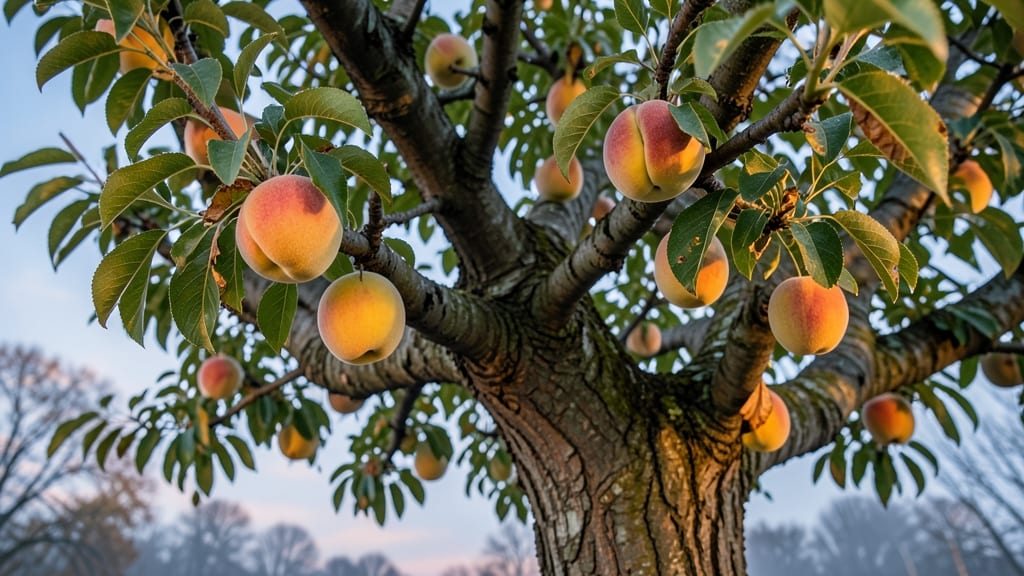
Indiana’s unpredictable winters and humid summers demand fruit trees that are tough, productive, and well-adapted. These 10 cold-hardy varieties not only survive Hoosier climates but also deliver bountiful harvests with minimal fuss—perfect for both novice and experienced gardeners.
Honeycrisp Apple Tree
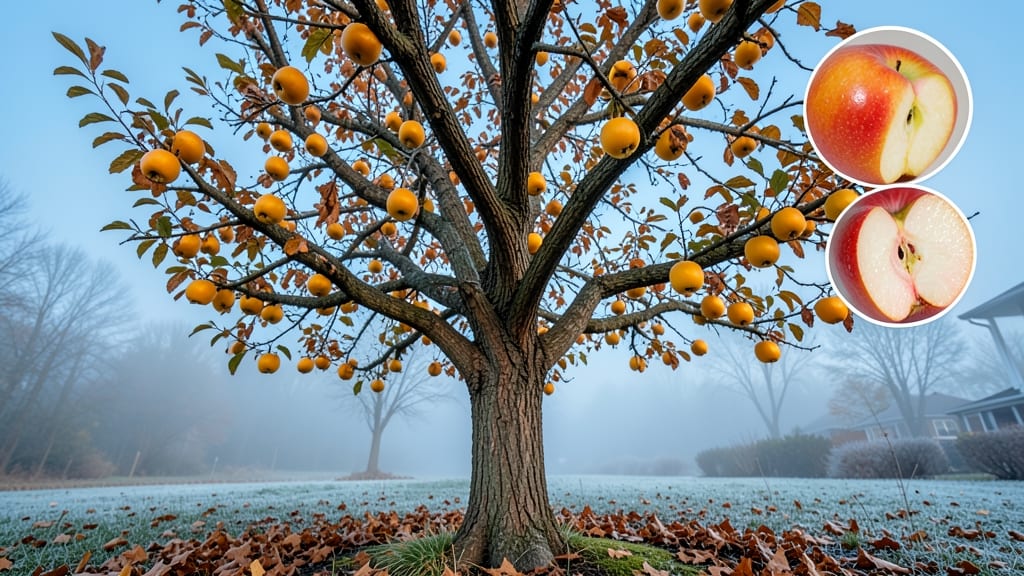
If you crave apples that burst with flavor and hold up to Indiana’s -25°F winters, the Honeycrisp apple tree is your game-changer. This variety isn’t just cold-hardy—it’s a crowd-pleaser with its signature crisp texture and perfect balance of sweet-tart taste that keeps Hoosiers reaching for seconds.
Plant it in full sun with well-drained soil, and you’ll get high yields of apples that store well into winter. Prune annually to encourage airflow, and watch as this tree thrives in both home orchards and commercial plantings. Its disease resistance means fewer headaches for you—just more delicious apples.
Whether you’re a backyard gardener or a small-scale farmer, Honeycrisp delivers year-round satisfaction from harvest to storage. 🌟
Patriot Pear Tree
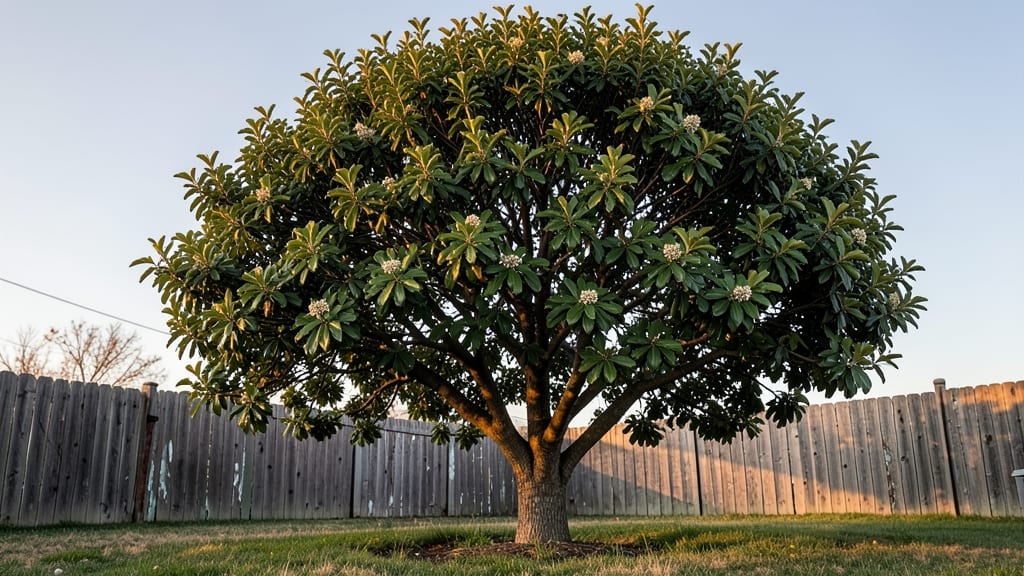
If you're dreaming of a backyard pear tree but lack the space for a sprawling orchard, the Patriot Pear Tree is your perfect match. This compact, cold-hardy variety thrives in Indiana’s climate, surviving temperatures down to -30°F without flinching, making it ideal for urban yards and small gardens.
Unlike traditional pears, this disease-resistant cultivar produces large, sweet pears with a flavor that shines fresh or baked into pies. It matures in just 5-6 years, delivering a bountiful harvest with minimal care. Plant it in full sun with well-draining soil, and watch it flourish with minimal pruning—its natural shape fits neatly into tight spaces.
Perfect for Hoosiers who want a low-maintenance, high-reward fruit tree, the Patriot Pear is a standout choice for both beginners and seasoned gardeners. 🌱
Montmorency Tart Cherry Tree
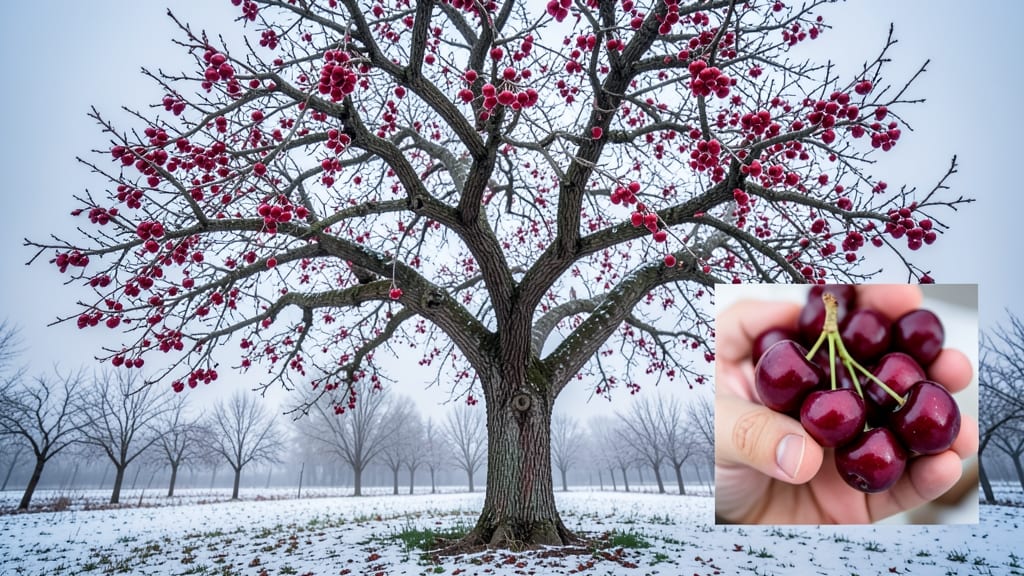
Looking for a fruit tree that thrives in Indiana’s harsh winters while delivering a bold, tart-sweet flavor? The Montmorency Tart Cherry Tree is your answer—this hardy variety survives down to -30°F and produces abundant harvests perfect for pies, jams, and fresh snacking.
This self-pollinating tree matures quickly, producing fruit within 3-4 years, and its high yields make it a favorite among Hoosier gardeners. Plant it in full sun with well-drained soil, and expect vibrant white blossoms in spring followed by clusters of bright red cherries in summer. Its compact size also makes it ideal for smaller yards.
Perfect for both homesteaders and urban gardeners, this cherry tree brings a classic Indiana flavor to your table while requiring minimal maintenance. 🌟
Reliance Blueberry Bush
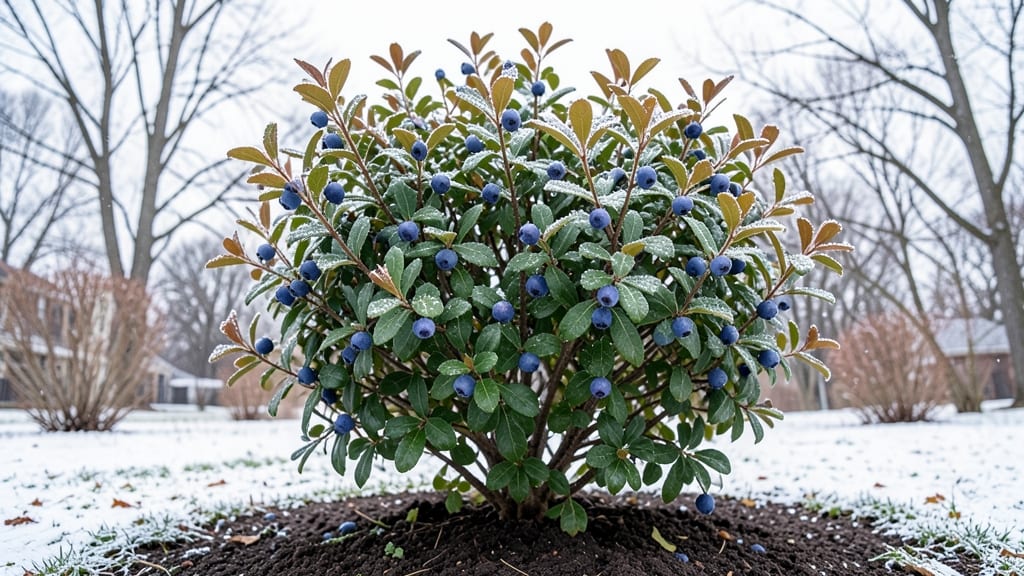
Skip the orchard space and still enjoy fresh, homegrown blueberries with the Reliance blueberry bush—a compact, cold-hardy powerhouse that thrives even in Indiana’s toughest winters (-20°F). Unlike many varieties, this bush is self-pollinating, meaning you’ll get abundant harvests without needing a second plant.
Perfect for containers or small gardens, this bush produces sweet, deep blue berries with a flavor Hoosiers love—ideal for fresh snacking, jams, or baking. Plant it in well-draining soil with 6-8 hours of sun daily, and mulch around the base to retain moisture. With minimal care, you’ll enjoy a year-round harvest from late spring to early summer.
This variety is a game-changer for urban gardeners or those with limited space, offering big rewards with minimal fuss. 🌱
Stark Gold Delicious Apple Tree
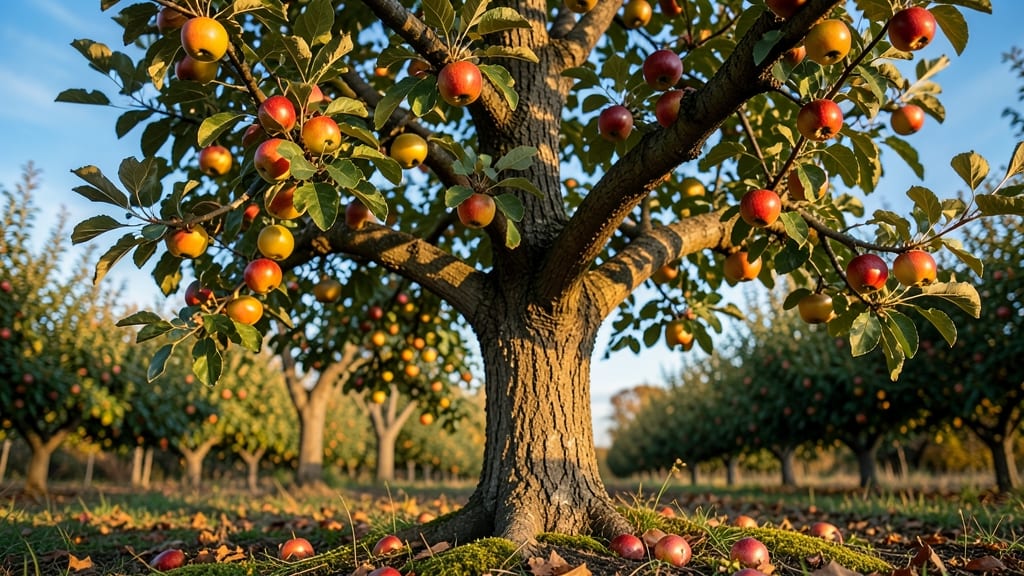
If you crave a reliable apple tree that delivers both long-term storage and fresh eating quality, the Stark Gold Delicious is Indiana’s go-to choice. This variety thrives in the state’s climate, surviving down to -25°F without fuss, making it perfect for backyard orchards.
Known for its balanced sweet-tart flavor, these apples ripen in late September and store exceptionally well—keeping their quality for months in a cool, dark space. Plant in full sun with well-draining soil, and expect a tree that matures to 12-15 feet tall, providing shade and fruit for decades. 🌱
Evans Plum Tree
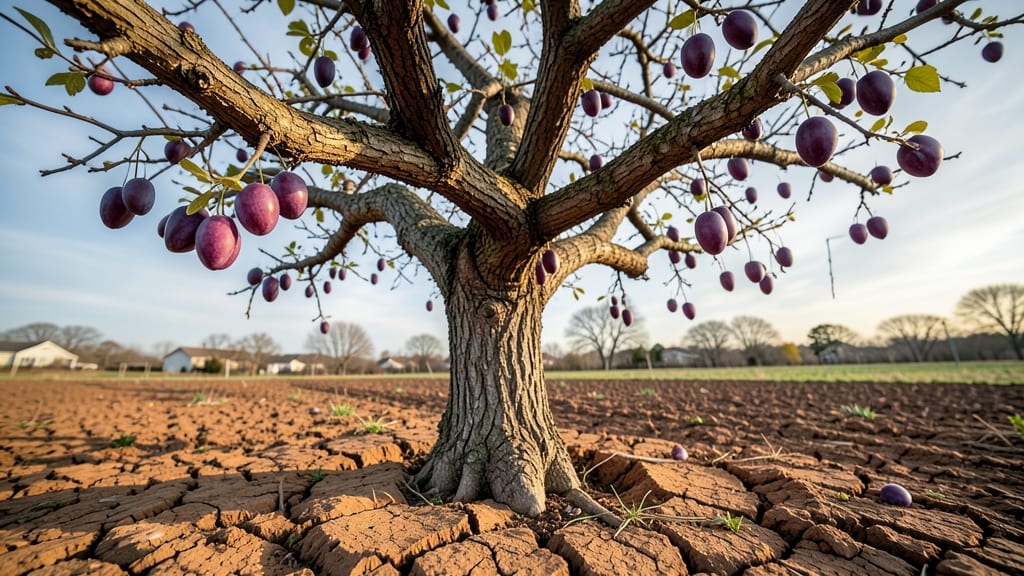
If you're struggling with Indiana's clay-heavy soils and unpredictable droughts, the Evans plum tree is your solution. This hardy variety thrives in tough conditions while producing sweet, juicy plums with vibrant purple skins—perfect for fresh snacking or preserving.
With cold resistance down to -25°F, it handles Indiana winters without fuss, while its drought tolerance means less watering once established. The tree's compact size (12-15 feet tall) makes it ideal for home gardens, and its self-fertile nature eliminates the need for pollinators. Plant in full sun for maximum fruit production and enjoy harvests in late summer.
This versatile plum is especially great for beginner gardeners or those with limited space, offering both beauty and bounty with minimal maintenance. 🌱
Jersey Black Plum Tree
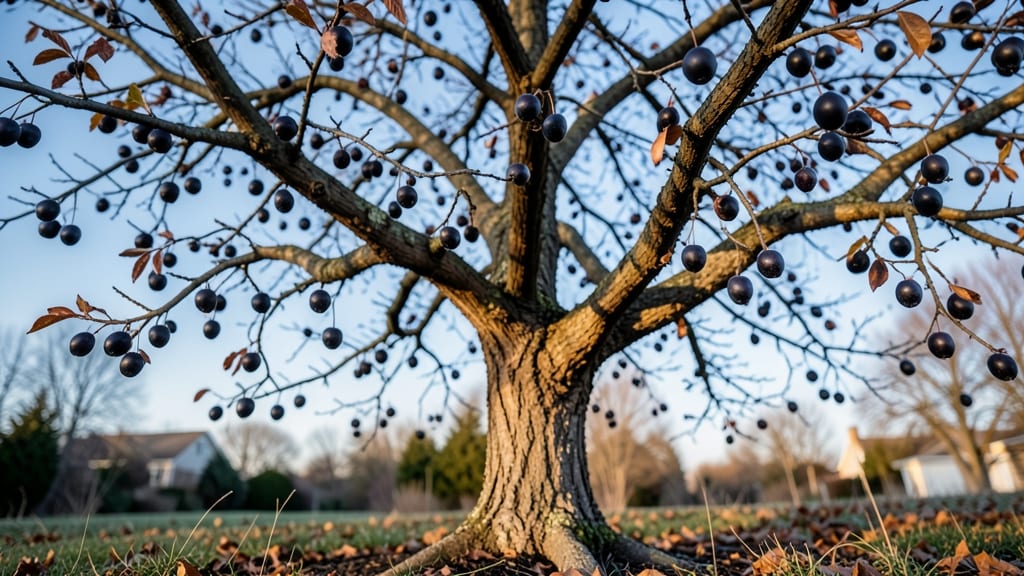
If you crave a plum with depth and complexity, the Jersey Black Plum Tree delivers a flavor experience unlike any other Indiana fruit tree. This heirloom variety thrives in Hoosier winters, surviving temperatures down to -30°F—no cross-pollination required, thanks to its self-fertile nature.
Expect deep purple plums with a rich, wine-like sweetness that pairs beautifully with cheese or fresh in salads. Plant in full sun with well-draining soil, and prune annually to maintain an open canopy. The tree’s compact size (15-20 feet) makes it ideal for both rural orchards and urban backyards.
Perfect for gardeners who want bold flavors without compromise, this plum tree rewards patience with a harvest that’s as visually stunning as it is delicious. 🌻
Rutgers Blackberry Bush
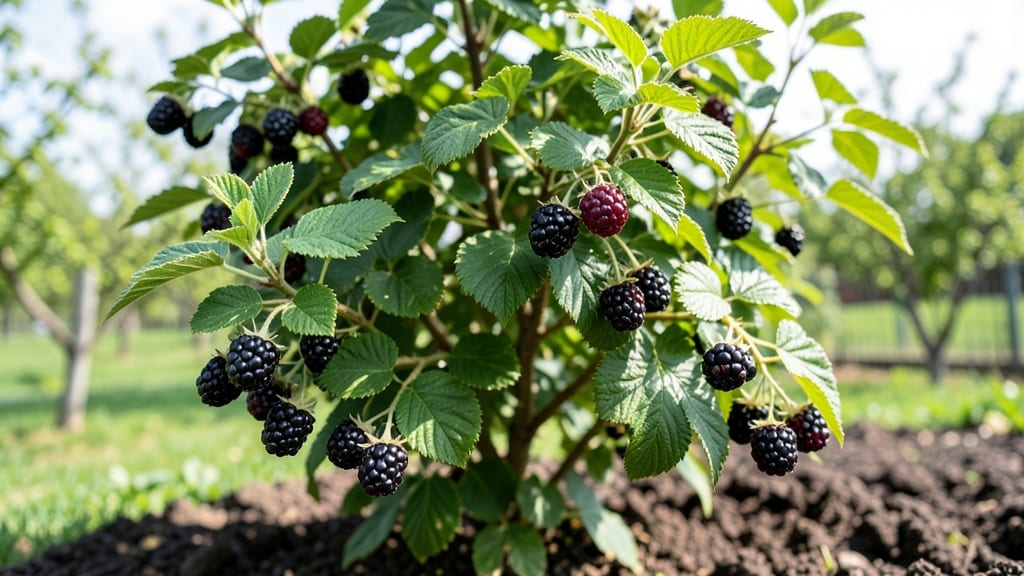
If you’ve ever dreamed of growing blackberries but dreaded thorns and fussy care, the Rutgers blackberry bush is your game-changer. This cold-hardy variety (to -15°F) thrives in Indiana’s short growing season while delivering sweet, juicy berries without the prickers—ideal for small gardens, containers, or trellises.
Unlike traditional blackberries, Rutgers produces thornless canes that grow 4–5 feet tall, making them perfect for urban spaces. Plant in full sun with well-draining soil and space canes 2–3 feet apart. With minimal pruning (just remove old canes after harvest), you’ll enjoy year-round interest from glossy foliage to vibrant berries in late summer.
This variety is especially great for beginner gardeners or those with limited space—no orchard required! Just add a trellis for vertical growth and watch your harvest grow. 🌻
Harvest Gold Asian Pear Tree
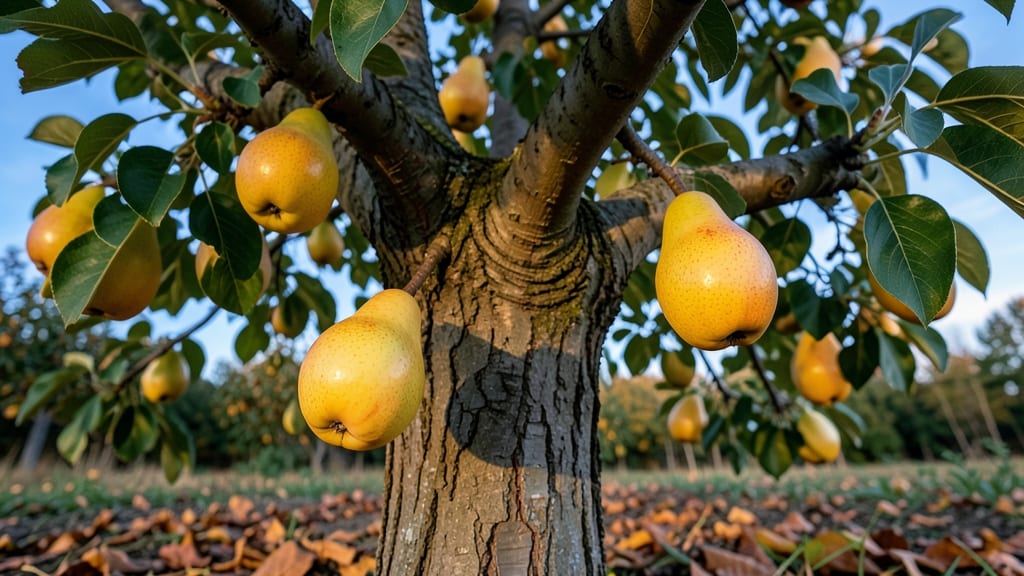
Looking for a pear tree that delivers both beauty and bounty without the fuss? The Harvest Gold Asian Pear is your answer—this cold-hardy variety thrives in Indiana’s winters (down to -20°F) while offering a honey-like sweetness and crisp texture that rivals any grocery store fruit.
Unlike traditional pears, this variety is self-pollinating, meaning you only need one tree for a full harvest. Its golden-yellow pears ripen in late summer, and the tree itself provides year-round interest with attractive foliage, delicate blossoms in spring, and persistent fruit well into fall. Plus, it’s resistant to fire blight, a common issue for pear growers.
Perfect for gardeners who want a low-maintenance, high-reward tree with minimal pruning needs, this variety is especially great for small yards or urban spaces where space is limited. 🌟
Elberta Peach Tree

If you crave summer peaches but worry about Indiana’s chilly winters, the Elberta peach tree is your answer. This classic variety thrives in your state’s climate, surviving down to -10°F with proper winter care—making it one of the hardiest peaches for Hoosier gardens.
Known for its large, sweet, yellow-fleshed peaches, Elberta ripens in late summer, offering a flavor that’s both juicy and aromatic. Its disease-resistant nature means fewer pesticides, and it adapts well to Indiana’s humid summers if planted in full sun with well-drained soil. For winter protection, wrap the trunk with burlap or use a tree guard to shield it from harsh winds.
Perfect for backyard orchards or small homesteads, Elberta rewards gardeners with abundant harvests and minimal fuss—ideal for those who love fresh, homegrown fruit without the high-maintenance demands of other varieties. 🌻