
Succulent
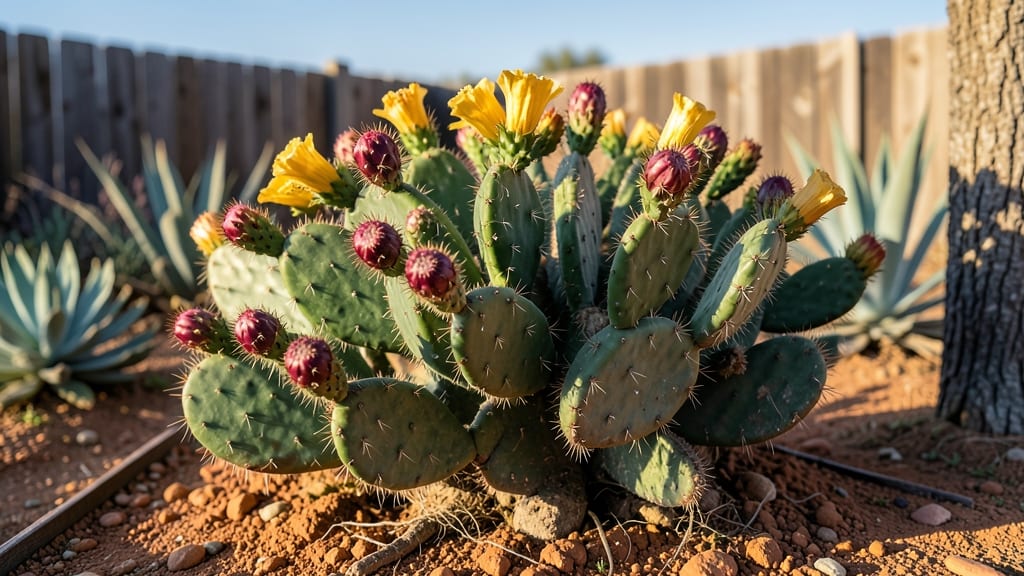
Growing tuna fruit cactus (Opuntia ficus-indica) means edible harvests and striking blooms without the fuss of high-maintenance plants. 🌵 This drought-tolerant wonder thrives in hot climates, producing vibrant flowers and sweet, pear-shaped fruits with minimal care—once you know the secrets to its happy soil and water balance.
The key to success starts with well-draining soil and full sun exposure (at least 6 hours daily). In warmer zones, it handles heat like a pro, while cooler climates need winter protection.
Water deeply but infrequently—overwatering is the fastest way to kill this tough plant—and watch as it rewards you with bright yellow or red blooms followed by delicious fruit.
Harvesting is simple: just twist off ripe fruit when it softens slightly. The fruits taste like a mix of honeydew and pear, perfect for fresh eating or jams. Even the pads (nopales) are edible—just remove the spines first.
With proper care, your cactus will produce for decades, making it both a practical and beautiful addition to any landscape.
Whether you're growing for food, ornamentals, or both, this cactus delivers low-maintenance reliability. Just avoid heavy soils, protect from frost, and enjoy the dual rewards of beauty and bounty with almost no effort.
📚 In This Guide
- What you need
- Instructions
- Tips and common mistakes
- Wrapping up and next steps
What you need
- ● Tuna fruit cactus pads (paddles): 3–5 healthy, disease-free pads (ensure they’re at least 6–8 inches long for faster growth).
- ● Well-draining cactus/succulent soil: 1–2 bags (mix with perlite or pumice for extra drainage—avoid regular garden soil!).
- ● Containers: 1–2 shallow pots (6+ inches deep) with drainage holes for young pads.
- ● 1 large container (12+ inches deep) for mature plants (or a raised bed if outdoors).
- ● Gravel or pebbles: Small bag for top-dressing soil (prevents rot and mimics desert conditions).
- ● Watering can with a narrow spout: 1 (to avoid overwatering delicate pads).
- ○ Fertilizer (optional but helpful): Balanced succulent fertilizer (5-5-5 or 10-10-10, diluted to half-strength).
- ● OR organic options like worm castings or fish emulsion.
- ● Gloves: 1 pair (cactus spines are not friendly—opt for thick gardening gloves!).
- ● Pruning shears or sharp knife: 1 (sterilized with rubbing alcohol to prevent infection).
- ● Sunlight access: 6+ hours of direct sunlight daily (south-facing window or grow lights for indoors).
- ● Outdoor growers: Full sun (even in winter—this cactus loves heat!).
- ● Patience: 😉 (Tuna fruit cacti take 3–5 years to bear fruit, but the wait is worth it!).
- ● Humidity tray: 1 (if growing indoors in dry climates).
- ● Cactus food spikes: Slow-release granules for lazy gardeners.
- ● Pollination kit: A small brush to hand-pollinate flowers (if you’re really eager for fruit!).
- ● Support stakes: For heavy fruit-laden pads (bamboo or metal).
How to grow a thriving tuna fruit cactus (Opuntia ficus-indica)
Here's my no-fuss method for growing this drought-loving cactus that rewards you with edible fruit and stunning blooms.
🪴 Step 1: Choose the Right Container and Soil Mix
Select a container with drainage holes—terracotta pots work best because they breathe and prevent root rot. I use a 6-inch diameter pot for each cactus, which gives roots plenty of room while keeping the plant manageable. The key is a fast-draining cactus mix: blend 50% potting soil, 30% coarse sand, and 20% perlite. This prevents moisture buildup, which kills cactus roots faster than anything else.
Fill the pot halfway with your mix, then place the cactus pad on top. The flat side should face down—this is where the roots will emerge. Press gently but don't compact the soil; you want it loose enough for roots to penetrate easily. Leave 1 inch of space at the rim for watering.
☀️ Step 2: Position for Maximum Sunlight
Tuna fruit cactus thrives in full sun, so place it where it gets 6-8 hours of direct sunlight daily. A south-facing window or outdoor patio works perfectly. If you're growing indoors, supplement with a grow light positioned 12 inches above the plant for 12-14 hours daily. Without enough light, the pads will stretch and grow weak—you'll see them elongate and turn pale green.
Here's the thing—this cactus handles heat better than most. In summer, temperatures above 90°F won't bother it, but protect it from sudden temperature drops below 50°F. If you're in a colder climate, bring it indoors during winter months. Watch for yellowing pads—that's your sign it's getting too cold.
💧 Step 3: Water Sparingly and Only When Needed
Water is the trickiest part, but once you get the rhythm, it's easy. Water deeply but infrequently: soak the soil until water runs out the drainage holes, then wait until the top 2 inches of soil feel completely dry before watering again. In summer, this might be every 7-10 days; in winter, stretch it to every 3-4 weeks. Overwatering causes root rot, which turns pads mushy and black—don't let that happen.
I use the "finger test" to check moisture: stick your finger 2 inches deep into the soil. If it feels dry, it's time to water. If it's still damp, wait another day. This cactus stores water in its pads, so it can handle drought better than most plants. Underwatering causes pads to wrinkle slightly—that's normal and not a problem.
✂️ Step 4: Fertilize Lightly and Prune for Health
Feed your cactus once in spring with a balanced, diluted fertilizer (half-strength 10-10-10). Too much fertilizer burns the roots, so less is always better. I skip fertilizing in winter when the plant is dormant. After fertilizing, water thoroughly to help distribute nutrients. You'll see new growth emerge within 4-6 weeks—that's your reward for feeding it right.
Pruning isn't necessary, but if you want to propagate, remove healthy pads from the main plant using clean, sharp scissors. Let the cut ends dry for 2-3 days before planting them in fresh soil. This prevents rot and gives the new pads a chance to callous over. Watch for new roots forming at the base of the pad within a few weeks—that's your sign it's taking!
🌱 Step 5: Encourage Blooms and Fruit
To get those stunning blooms and eventual fruit, your cactus needs consistent care—especially sunlight and water. In late spring, move the plant to a slightly cooler spot (60-70°F) for 2-3 weeks. This temperature shift tricks the cactus into blooming. You'll see buds forming along the pads within 3-4 weeks. Don't move it back into scorching heat too soon—gradual adjustments prevent stress.
Once flowers appear, protect them from heavy rain or wind, which can damage delicate blooms. If you're growing outdoors, stake taller pads to keep them upright. The fruit that follows will be small, oval-shaped, and bright red when ripe. Harvest by twisting gently—don't cut, or you'll damage the pad. The fruit is edible but has a slightly tart, citrusy flavor—best used in jams or sauces.
Tips & tricks for perfect tuna fruit cactus growth
Mastering this drought-resistant beauty takes confidence—not complicated techniques. These insights will help you avoid common pitfalls while maximizing your cactus's potential.
Soil Mix Precision: When blending your 50% potting soil, 30% coarse sand, and 20% perlite mix, sift all components together to eliminate clumps. I've found that pre-mixing in a large bucket ensures even distribution throughout the pot—especially important when planting in that 6-inch diameter container. The goal is to mimic the cactus's natural arid environment where water drains rapidly. For extra insurance against moisture retention, I add a handful of pumice to the mix (optional but helpful). The key is that water should flow through like sand through an hourglass—not linger.
Lighting Strategy: That 6-8 hours of direct sunlight requirement is non-negotiable, but here's what I've learned about positioning: place your cactus near a south-facing window in winter when sunlight is weaker, but move it to a west-facing window in summer to prevent scorching. For indoor grow lights positioned 12 inches above, use a timer to maintain those 12-14 hours daily—consistency matters more than intensity. I've noticed that when light varies too much, the pads develop uneven coloration, with some areas turning pale yellow while others stay deep green. The solution? Rotate your plant quarter-turn daily for balanced exposure.
Watering Rhythm: The finger test for checking soil moisture works, but here's the refinement: after watering, wait until your finger comes out completely clean when pressed 2 inches deep—not just dry. I've ruined multiple pads by watering too soon because the surface soil dried while moisture remained deeper. For winter care, I mark the pot's rim with a permanent marker to track soil level—when it drops below that line, it's time to water. This visual cue prevents overwatering during the plant's dormant season when you're stretching watering to every 3-4 weeks.
Bloom Inducement: That late spring temperature shift to 60-70°F for 2-3 weeks is your secret weapon for blooms, but timing matters. I've found the most reliable results occur when you initiate this shift during the first week of May in most climates. Watch for those buds forming within 3-4 weeks—they'll appear as tiny green bumps along the pad edges. Here's a pro move: once buds appear, reduce watering slightly (let the top 3 inches dry between waterings) to help the plant focus energy on blooming rather than new growth. The result? More vibrant flowers and better fruit development.
Pro Tips for Tuna Fruit Cactus
- Mastering this drought-resistant beauty takes confidence—not complicated techniques. These insights will help you avo...
- Soil Mix Precision: When blending your 50% potting soil, 30% coarse sand, and 20% perlite mix, sift all components to...
- Lighting Strategy: That 6-8 hours of direct sunlight requirement is non-negotiable, but here's what I've learned abou...
Frequently asked questions
Got questions about growing and enjoying your tuna fruit cactus?
Here are some of the most common ones—plus quick, no-fuss answers to keep your plant thriving and delicious!
How often should I water my tuna fruit cactus?
Water your tuna fruit cactus only when the soil is completely dry—usually every 2-3 weeks. Overwatering is the #1 killer! Stick your finger 1-2 inches into the soil; if it feels dry, it’s time to hydrate. In winter or cooler months, reduce watering to once a month or less.
When will my tuna fruit cactus bloom?
With proper care, your tuna fruit cactus can bloom year-round in warm climates (like zones 9-11). In cooler areas, expect flowers in spring or summer. Patience is key—some plants take 2-5 years to produce their first fruit! Bright sunlight and well-draining soil speed up the process.
Can I eat the fruit, and how do I harvest it?
Yes! The fruit is edible and tastes like a mix of pineapple, kiwi, and cucumber. Harvest when it’s fully ripe and slightly soft—twist gently or use pruning shears. Wear gloves, as the spines can irritate skin. Once picked, store in the fridge for up to 1 week or blend into smoothies!
What if my cactus isn’t blooming? Troubleshooting tips!
No flowers? Check these fixes:
- Light: Move to a sunnier spot (6+ hours of direct sun daily).
- Water: Let soil dry thoroughly between waterings.
- Temperature: Keep it warm (70°F+)—cold drafts shock the plant.
- Age/Maturity: Young cacti need time! Fertilize lightly in spring/summer to encourage growth.
What are some low-maintenance alternatives to tuna fruit cactus?
If the tuna fruit cactus seems too hands-off for you, try these equally resilient options:
- Dragon Fruit (Pitaya): Thrives in pots, edible fruit, and loves indirect light.
- Prickly Pear Cactus: Produces vibrant fruit and handles neglect like a champ.
- Haworthia (Zebra Plant): Nearly indestructible, needs minimal water, and adds a pop of green.
Wrapping up and next steps
Growing a tuna fruit cactus is a rewarding way to enjoy vibrant blooms and delicious fruit with minimal effort—perfect for both beginners and seasoned plant lovers! 🌵✨ With the right care (sunlight, well-draining soil, and occasional watering), this hardy succulent thrives year-round, offering beauty and a tasty harvest.
Ready to dive in? Start by gathering your supplies, then follow the simple steps to nurture your plant from seedling to fruiting glory.
Now that you’re armed with knowledge, why not plant one today? Share your progress with fellow plant enthusiasts or experiment with different growing conditions to see what works best. Happy gardening—and may your tuna fruit cactus flourish! 🌱💚