
Blooming
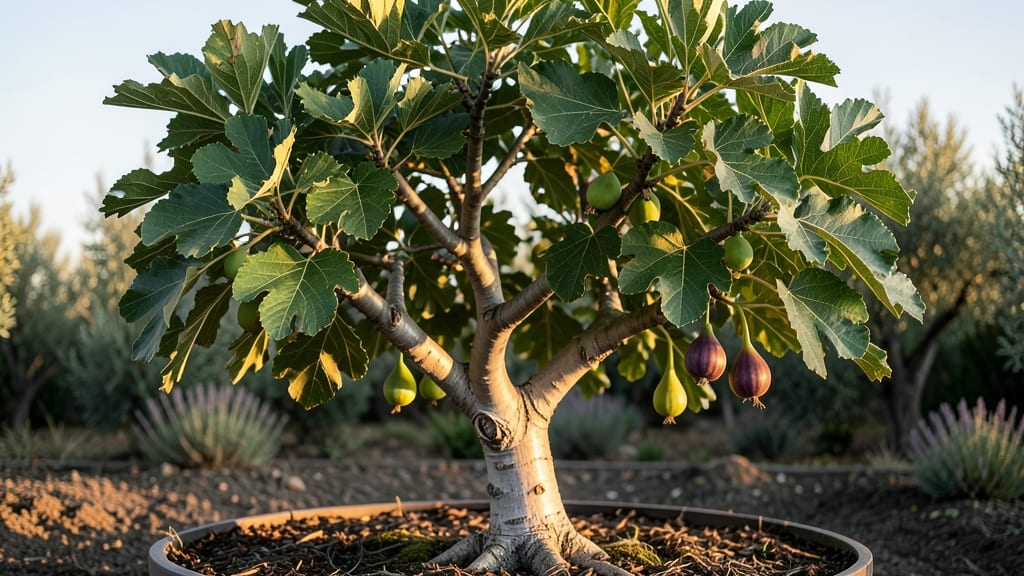
Fig trees take between one and three years to fruit, but the exact timeline depends on your variety, growing conditions, and a little bit of luck with the weather.
If you’ve ever dreamed of plucking fresh figs straight from your backyard tree, patience is key—but how long should you realistically wait? The answer depends on your fig variety, climate, and growing conditions, and knowing these timelines can mean the difference between years of frustration and a bountiful harvest.
Some varieties, like the fast-growing 'Celeste', may bear fruit in as little as one year, while others, such as the classic 'Brown Turkey', can take up to three years or more.
Container-grown fig trees often fruit sooner than those planted in the ground, but they also require more care to thrive.
In this guide, I’ll break down the exact timelines by variety, share tips to encourage earlier fruiting, and help you avoid common mistakes that delay your harvest. Let’s get those figs growing!
Fig tree fruiting timeline by variety: fastest to slowest
Fig trees are one of the most rewarding plants to grow, but their fruiting timelines vary wildly by variety. Some varieties like Celestial can produce fruit in as little as 1-2 years, while others like Black Mission may take 4-5 years or longer.
Understanding these timelines helps you set realistic expectations and optimize growing conditions for faster harvests.
Fast-fruiting varieties are perfect for container growing or cooler climates where winter dormancy slows growth. Meanwhile, slower varieties often produce larger, more flavorful fruit but require more patience. Let’s explore the fastest to slowest fruiting fig varieties and what influences their timelines.
Key factors that accelerate or delay fruiting include:
- Variety selection (some are bred for speed)
- Climate conditions (heat and sunlight speed growth)
- Soil quality (well-draining, nutrient-rich soil boosts productivity)
- Watering consistency (drought stress delays fruiting)
- Pruning practices (proper shaping encourages earlier fruit)
If you’re growing Celestial or Chicago Hardy, you could see your first figs in just 1-2 years, especially in USDA Zones 7-10 where growing conditions are ideal. These varieties are bred for fast fruiting and are excellent choices for container gardens or urban spaces.
For example, my Celestial fig in a 15-gallon pot produced fruit in its second year with consistent afternoon sun and weekly watering.
On the other hand, Black Mission and Desert King take longer to mature but reward you with larger, more complex flavors. These varieties thrive in warmer climates (Zones 9-11) and may need 3-5 years to reach full productivity.
In cooler zones like Zone 7, even these varieties can take an extra year or two to fruit due to slower growth during winter.
One common misconception is that dwarf varieties fruit faster than standard trees. While Celeste and Chicago Hardy are compact, their fruiting timelines depend more on care and climate than size.
For instance, a Brown Turkey in a large container might fruit just as quickly as a Celestial in the ground, provided it gets enough sunlight and nutrients.
To speed up fruiting, focus on these three critical factors:
1. Full sun exposure (6+ hours daily)
2. Well-draining soil with compost or aged manure
3. Consistent watering (deep soaks 2-3 times per week in summer)
My Brown Turkey
Your USDA hardiness zone plays a major role in how quickly your fig tree produces fruit. In Zone 10 (tropical climates), you might see figs within 1-2 years, while growers in Zone 7 often wait 3-5 years for their first harvest. This difference comes down to frost sensitivity and growing season length. Figs thrive in warm climates where they can grow year-round. In Zones 8-11, trees like Black Mission and Brown Turkey may fruit twice yearly—once in spring and again in fall. Meanwhile, cold-hardy varieties like Chicago Hardy or Celeste are bred to survive Zone 5-6 winters but may take longer to mature. Here’s how climate affects fruiting speed for different zones: ⚠️ Frost warnings: Even cold-hardy figs can suffer frost damage if temperatures drop below 20°F. Protect young trees with mulch or winter wraps. In Zones 10-11, figs often fruit year-round with minimal care, while Zones 7-9 may see seasonal fruiting. Northern growers in Zones 5-6 should choose cold-hardy varieties like Celeste or Chicago Hardy, which can tolerate brief cold snaps. Even then, container growing in Zone 5 lets you move trees indoors during winter, speeding up fruiting by 1-2 years. Soil temperature also matters—figs need 60°F+ soil to thrive. In cooler zones, plant in south-facing spots against a sunny wall to extend the growing season. Mulching with straw or wood chips helps maintain warmth and moisture, which is critical for fruit development. If you’re in a transition zone (like Zone 7bmicroclimates—a greenhouse or raised bed can create ideal conditions for faster fruiting. Dwarf varieties like Little Miss Figgy also mature quicker, making them perfect for small spaces or containers. For the fastest results, pair the right variety with your climate zone and protect young trees from late spring frosts. With patience and the right conditions, you’ll be enjoying homegrown figs in just a few years—no matter where you live! 🌱Climate Zones and their impact on fig tree fruiting speed
Fruiting Speed by Climate Zone