
Fertilization
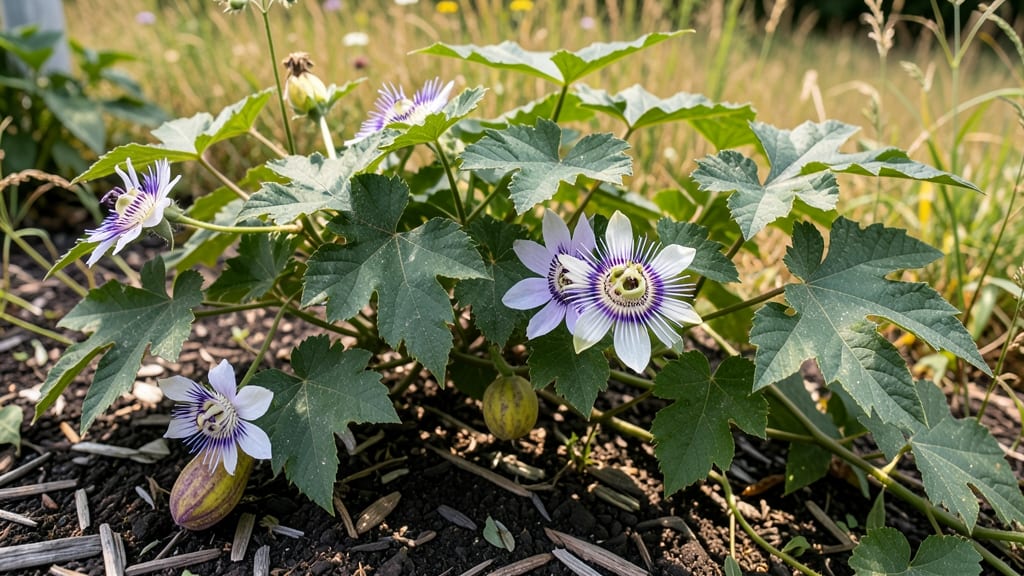
Growing passiflora incarnata fruit—those mysterious, grape-sized maypop treasures—starts with a single vine and a sunny spot. 🌱 I’ve watched this native passionflower transform from a scraggly seedling into a lush, fruit-bearing powerhouse in just two seasons, and the secret isn’t complicated: patience, the right pollinators, and a little shade in summer.
The key to success lies in mimicking its wild habitat: well-draining soil, 6 hours of morning sun, and afternoon shade to prevent leaf scorch. Native bees and hummingbirds do the heavy lifting for pollination, but if your garden lacks them, hand-pollinating with a soft brush ensures fruit set.
By late summer, you’ll spot those signature purple blooms—and if pollinated, grape-sized fruits forming by early fall. Once ripe (when they turn translucent yellow and give slightly under gentle pressure), the flavor is a sweet-tart surprise, best enjoyed fresh or fermented into wine.
The vines also produce medicinal rootstock, but the fruit alone makes this vine worth the space. Perfect for fences, trellises, or wild corners of the garden—just give it room to sprawl. For Southern gardeners, maypops thrive in zones 5-9, but they’re drought-tolerant once established.
Northern growers can treat them as annuals or overwinter potted vines indoors. The real magic? Watching wildlife—raccoons, opossums, and birds—go nuts for them before you even get a taste.
How Maypop Vine Fruits Develop
Harvesting Passiflora incarnata—commonly called maypop—can feel like uncovering a hidden treasure, but its fruit development isn’t always straightforward. Understanding why these fruits grow (or sometimes fail to thrive) helps wild harvesters predict success. Here’s a breakdown of the key factors at play.
The maypop vine’s fruit development is heavily influenced by its genetic blueprint. As a perennial climbing plant, Passiflora incarnata relies on specific conditions to trigger flowering and fruiting:
- Pollination Dependency: Unlike some self-pollinating plants, maypop vines require cross-pollination between flowers to produce fruit. Bees, butterflies (especially Heliconius charithonia, the Gulf Fritillary), and hummingbirds are its primary pollinators. Without them, flowers may drop without setting fruit.
- Clonal Variations: Wild populations can vary in vigor. Some vines produce abundant fruit, while others may struggle due to inbreeding depression or poor genetic diversity in isolated patches.
- Age Matters: Young vines (under 2–3 years old) often focus energy on growth rather than fruiting. Mature vines, however, can produce hundreds of fruits per season if conditions align.
Actionable Tip: If you’re harvesting in an area with few pollinators, consider hand-pollinating flowers with a soft brush to boost fruit set. 🐝
Maypop vines are warm-season plants, and their fruit development is tightly linked to temperature. Too hot or too cold at the wrong time can derail the process:
- Chilling Requirements: While maypop thrives in USDA Zones 6–9, it needs winter chilling (40–50°F for 4–6 weeks) to break dormancy and trigger spring blooms. Without this, vines may produce fewer or smaller flowers.
- Heat Stress: Temperatures above 95°F (35°C) during flowering can cause flower drop or poor fruit development. High heat also reduces pollinator activity.
- Frost Sensitivity: Young flowers and fruit are highly frost-sensitive. A late spring frost can kill blooms before they set fruit, while early fall frosts may stunt ripening.
Pro Tip: Monitor local frost dates and plant in microclimates (e.g., near south-facing fences) to extend the growing season. 🌡️
Maypop vines are drought-tolerant but not drought-proof. Water and soil conditions directly impact fruit quality and quantity:
| Factor | Effect on Fruiting |
|---|---|
| Inconsistent Watering | Leads to blossom end rot (fruit tips turn brown) or small, misshapen fruit. |
| Poor Drainage (Waterlogged Soil) | Roots suffocate, reducing nutrient uptake and causing fruit drop. |
| Nutrient Deficiencies (e.g., Nitrogen, Phosphorus) | Fewer flowers or stunted fruit growth. Maypop prefers well-draining, slightly acidic soil (pH 6.0–7.0). |
| Competition from Weeds | Vines divert energy to growth instead of fruiting if not pruned or mulched. |
Harvest Hack: Water deeply 1–2 times per week during dry spells, focusing on the root zone. Mulch with straw to retain moisture and suppress weeds. 💧
Wild maypop vines face natural threats that can limit fruit production. Common culprits include:
- Herbivores:
- Deer and rabbits may nibble on young shoots and flowers.
- Squirrels and opossums sometimes raid ripe fruit.
- Insects:
- Passion vine hoppers (e.g., Homalodisca spp.) suck sap, weakening vines.
- Spider mites cause yellowing leaves, reducing photosynthesis.
- Fungal Diseases:
- Fusarium wilt or root rot (from overwatering) can kill vines.
- Powdery mildew coats leaves, blocking sunlight and stunting growth.
Prevention Tip: Use row covers for young plants or apply neem oil for pests. Remove diseased foliage immediately to prevent spread. 🛡️
By addressing these factors—genetics, climate, hydration, and pests—you’ll maximize your chances of a bountiful maypop harvest. The key is observation: note which vines thrive in your area and mimic their conditions! 🌿
Fixing Maypop Vine Fertility Issues
When your passionflower vine isn’t producing fruit—or when the fruit falls off prematurely—don’t panic! With the right adjustments, you can restore balance and encourage a bountiful harvest. Below are practical, step-by-step solutions tailored to common causes, plus prevention tips to keep your vine thriving.
---
If your vine lacks vigor or flowers drop before fruiting, it’s often a sign of poor soil health or nutrient imbalances.
#### 🔥 Fix It: Amend the Soil Properly 1. Test Your Soil 📊 - Use a DIY soil test kit (or send a sample to a local extension office) to check pH and nutrient levels. - Ideal pH for passionflower: 6.0–7.5 (slightly acidic to neutral).
2. Add Organic Matter 🌿 - Mix in compost, well-rotted manure, or worm castings (2–3 inches deep) to improve drainage and microbial activity. - For nitrogen-loving vines, sprinkle alfalfa meal (1 cup per plant) in early spring.
3. Targeted Fertilizer Fixes 💊 - Low phosphorus? Use bone meal (1 tbsp per plant) to support root and flower development. - Magnesium deficiency? Apply Epsom salt (1 tbsp dissolved in 1 gallon of water, sprayed on leaves). - Zinc or iron issues? Use a chelated micronutrient spray (follow package instructions).
4. Mulch for Moisture & Nutrients 🍂 - Apply straw or wood chips (2–3 inches thick) to retain moisture and slowly release nutrients.
#### 💡 Prevention Tips - Rotate crops every 3–4 years to prevent nutrient depletion. - Avoid over-fertilizing with nitrogen—this promotes leafy growth at the expense of fruit. - Water deeply but infrequently (1–2 inches per week) to encourage deep root development.
---
Extreme heat, cold, or poor pollination can cause flowers to abort or fruit to drop.
#### 🍳 Fix It: Optimize Growing Conditions 1. Protect from Heat Stress 🌡️ - Provide afternoon shade (especially in hot climates) with lightweight row covers or dappled shade cloth. - Mulch heavily to keep roots cool.
2. Safeguard from Cold Snaps ❄️ - Cover vines with frost blankets if temperatures drop below 28°F (-2°C). - Choose cold-hardy varieties (e.g., Passiflora incarnata is more resilient than tropical types).
3. Hand-Pollinate for Better Fruit Set 🐝 - If bees are scarce, gently shake vines in the morning to release pollen. - Use a small brush to transfer pollen from male to female flowers (look for the 3-styled center).
#### ✨ Prevention Tips - Plant in spring (after last frost) for a stronger start. - Avoid windy locations—passionflowers prefer sheltered spots with gentle breezes. - Prune for airflow—remove crowded or diseased growth to reduce stress.
---
Aphids, spider mites, or fungal diseases (like powdery mildew) can weaken vines and reduce fruiting.
#### 👨🍳 Fix It: Natural & Chemical Controls 1. Spray Off Soft-Bodied Pests 💦 - Neem oil spray (1 tbsp per quart of water) to deter aphids, whiteflies, and mites. - Insecticidal soap (apply in early morning or evening to avoid harming bees).
2. Combat Fungal Issues 🍄 - Copper fungicide (for powdery mildew or bacterial spots) or baking soda spray (1 tsp baking soda + 1 quart water + a drop of soap). - Remove infected leaves immediately to prevent spread.
3. Encourage Beneficial Insects 🐞 - Plant marigolds or basil nearby to attract ladybugs and lacewings, which eat pests.
#### 🎯 Prevention Tips - Inspect vines weekly for early signs of pests or disease. - Water at the base (avoid wetting leaves) to reduce fungal risk. - Rotate pesticide types if using chemicals to prevent resistance.
--- If your vine flowers but no fruit develops, pruning or harvesting at the wrong time may be the culprit.
#### ⏰ Fix It: Prune & Harvest Strategically 1. Prune in Late Winter/Early Spring ✂️ - Cut back dead or weak growth to redirect energy to new flowers. - Avoid heavy pruning after flowering—this can remove potential fruit.
2. Harvest Mature Fruit Properly 🍈 - Pick fully ripe fruit (when it turns dark purple/black and feels soft). - Leave some fruit on the vine to ensure seed production for next year.
3. Encourage Second Flushes 🌸 - After the first harvest, fertilize lightly with potassium (e.g., greensand) to support late-season blooms.
#### 🔥 Prevention Tips - Label pruning cuts with the date to track growth patterns. - Avoid over-pruning—passionflowers are woody perennials and need some old growth for structure. - Space vines properly (6–8 feet apart) to improve airflow and fruit retention.
--- ✅ Soil: Tested, amended, and mulched. ✅ Water: Deep and consistent (1–2 inches/week). ✅ Pollination: Hand-help if needed. ✅ Pests/Disease: Monitored and treated early. ✅ Pruning: Done at the right time, not too aggressive.
With these fixes, your passionflower vine should rebound—producing plump, sweet maypops for years to come! 🌿🍇
Frequently asked questions
How do I know when maypop fruit is ripe for harvesting?
Look for translucent yellow skin and a slight give when gently pressed—like a ripe grape. The fruit should detach easily from the vine. Harvest in late summer to early fall when wildlife isn't already raiding them!
Can I grow maypop from seed, or should I buy a vine?
Both work! Seeds take 2-3 years to produce fruit, while established vines fruit in 1 year. For faster results, buy a 1-year-old vine from a nursery. Save seeds from ripe fruit, but expect genetic variation in flavor and vigor.
What's the best way to store maypop fruit?
Store unwashed fruit in the fridge for up to 5 days in a paper bag with a few apple slices (ethylene gas helps ripen any unripe ones). For longer storage, ferment into wine or dry the pulp—both preserve the unique flavor.
Are maypop vines invasive in my garden?
Not typically, but they can spread via seeds and runners. Contain them with deep root barriers or prune aggressively. They thrive in wild gardens but may overtake small spaces if unchecked. Perfect for permeable fences or trellises!
Can I use maypop fruit in cooking like passionfruit?
Yes! The flavor is milder and sweeter than passionfruit, with notes of pineapple and citrus. Use in smoothies, jams, or as a souring agent in cocktails. The seeds are edible but less fibrous than tropical passionfruit. Experiment with fermentation for a unique twist!