
Fertilization
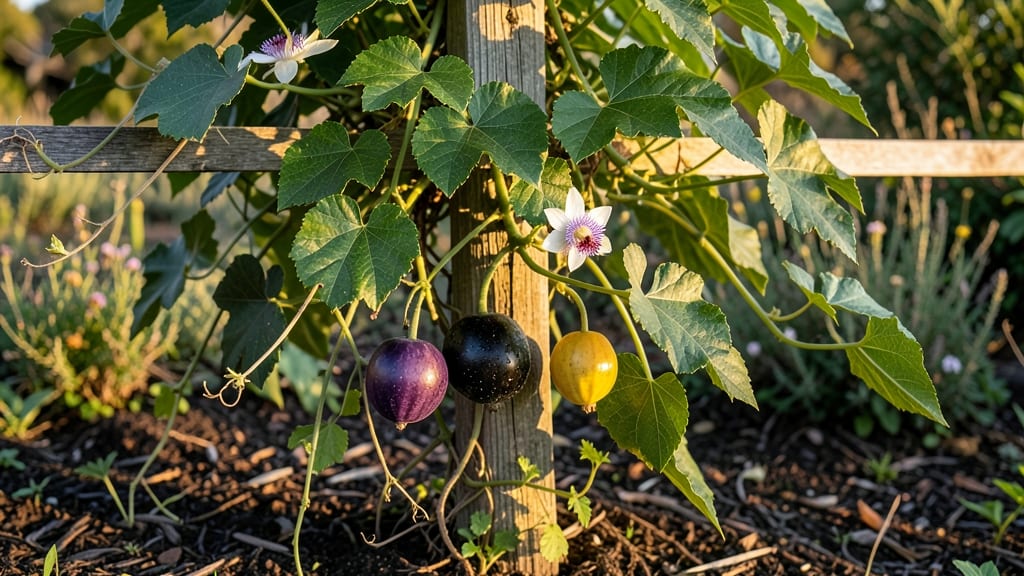
Growing passion fruit in Arizona isn’t just possible—it’s a year-round adventure with the right drought-resistant varieties. 🌵 I’ve watched my Passiflora ligularis vines thrive under the desert sun, producing sweet, tropical fruit even when temperatures hit 110°F. The secret?
Choosing heat-tolerant varieties, protecting roots from intense sun, and mastering watering in a way that mimics the monsoon season’s natural rhythm.
You’ll need well-draining soil mixed with compost to retain moisture without drowning roots, plus sturdy trellises to support vines that can grow 20-30 feet in a single season.
Arizona’s microclimates mean your low-desert garden near Phoenix will handle things differently than a higher-elevation spot in Flagstaff—adjusting water and shade accordingly keeps plants productive. The biggest challenge? Frost sensitivity, but even that’s manageable with row covers or container growing for mobile protection.
By late summer, you’ll be harvesting fragrant, edible flowers and fruit that tastes like sunshine—especially if you prune aggressively in spring to focus energy on new growth. The vines reward patience with harvests stretching from June through November, and the tropical vibe they add to your yard is unmatched.
Even in drought conditions, these plants drink deeply but efficiently once established.
Container growing works beautifully for those in urban areas or with limited space—just use 15-gallon pots with drainage and move them to shaded areas during peak afternoon heat. The key to success? Observing your plants daily and adjusting water, shade, and pruning based on what they’re telling you.
Trust me, the first time you bite into a passion fruit you grew yourself in the desert will feel like a small victory over Arizona’s challenges.
📚 In This Guide
- What you need
- Instructions
- Tips and common mistakes
- Wrapping up and next steps
What you need
- ● Passion fruit vines (plants): Choose drought-resistant varieties like ‘Golden Passionfruit’ (Passiflora edulis flavicarpa) or ‘Purple Granadilla’ (Passiflora ligularis). Buy 3–5 healthy plants (potted or bare-root) from a nursery or online supplier.
- ● Well-draining potting mix or soil: 50 lbs of a blend like 50% coconut coir, 30% perlite, and 20% compost. Arizona’s alkaline soil? Amend it with peat moss or sulfur to lower pH (aim for 6.0–7.0).
- ● Fertilizer: Balanced fertilizer (10-10-10 or 8-3-9): 1 lb for initial planting.
- ● Citrus/acid-loving plant fertilizer: 1 lb (high in iron and zinc) for ongoing feeding.
- ● Compost or worm castings: 10 lbs for organic nutrients.
- ● Mulch: 2–3 inches of straw, wood chips, or pine bark to retain moisture and regulate soil temp.
- ● Support structure: A 6–10 ft trellis, fence, or arbor (metal or wood) to train vines vertically.
- ● Garden tools: Trowel or transplant spade
- ● Pruning shears (sterilized)
- ● Gloves (gardening and work gloves)
- ● Watering supplies: Drip irrigation kit or soaker hose (50 ft)
- ● Watering can (1–2 gallons) for seedlings
- ● pH testing kit: Digital or liquid test kit to monitor soil acidity.
- ○ Shade cloth (optional): 30–50% shade fabric for young plants during peak Arizona sun (10’ x 10’ sheet).
- ● Climate readiness: Passion fruit thrives in USDA Zones 8–11. Arizona’s low desert (e.g., Phoenix, Tucson) is ideal, but protect plants from freezes below 28°F with row covers or indoor pots.
- ● Sunlight: 6+ hours of direct sun daily. South-facing walls or greenhouses work best.
- ● Water access: Drip irrigation is a must—Arizona’s heat demands 1–2 inches of water weekly (more during fruit set).
- ● Pollinators: Attract bees and hummingbirds with native flowering plants (e.g., desert marigold, agave).
Step-by-Step instructions for growing passion fruit in Arizona
Here’s how to cultivate thriving passion vines in Arizona’s heat—choosing the right varieties and giving them just enough water to flourish.
🌱 Step 1: Select Drought-Tolerant Varieties and Prepare the Site
For Arizona’s climate, ‘Purple Passionfruit’ (Passiflora edulis) or ‘Golden Passionfruit’ (Passiflora edulis flavicarpa) are your best bets—they handle heat and dry spells better than tropical varieties. Plant in full sun (6+ hours daily) where vines can spread across a 6-8 foot trellis or fence. Avoid low-lying areas where cold air pools—passion fruit vines are tender and can’t tolerate frost.
Test your soil’s drainage first. Passion fruit hates soggy roots, so amend heavy clay with 3-4 inches of coarse sand or perlite to improve aeration. Work in 2-3 inches of well-aged compost to provide nutrients without compacting the soil. A pH between 6.0 and 7.0 is ideal—test your soil and adjust with lime if needed.
⏰ Step 2: Plant at the Right Time and Establish Roots
In Arizona, plant after the last frost date (typically mid-March) but before summer’s peak heat—aim for late winter to early spring. Purchase 1-year-old bare-root plants from a reputable nursery for the best establishment. Dig a hole twice as wide as the root ball but no deeper, then place the plant so the crown sits just above soil level. This prevents rot and encourages strong root growth.
Water deeply at planting to settle the soil around roots, then mulch with 2-3 inches of wood chips to retain moisture and regulate soil temperature. Avoid mulching too close to the stem—keep it 2-3 inches away to prevent rot. You’ll know roots are establishing when new vines sprout within 4-6 weeks and leaves stay deep green and firm (not wilting).
☀️ Step 3: Water Strategically and Protect from Heat Stress
Passion fruit vines are drought-tolerant once established, but young plants need consistent moisture—water 2-3 times weekly during the first 3 months to encourage root development. After that, reduce to once weekly, soaking the soil to a depth of 12 inches. Overwatering leads to root rot, while underwatering causes drooping leaves and flower drop. Check moisture by sticking your finger 2 inches deep—if it feels dry, water.
In Arizona’s intense sun, vines may wilt slightly during midday heat—this is normal. Provide afternoon shade (via a 30% shade cloth) during June–August to prevent leaf scorch. Prune any sunburned or yellowing leaves immediately to redirect the plant’s energy. Once vines are 3-4 feet long, they’ll start producing tender new growth and blooms—a sign they’re thriving.
✂️ Step 4: Prune for Fruit Production and Manage Pests
Prune aggressively in late winter (February) to remove dead, diseased, or crossing vines. Cut back one-third of the oldest growth to encourage new, fruiting wood. During the growing season, trim overly long vines to 6-8 feet—this improves air circulation and reduces fungal risks. Always use sterilized pruners to avoid spreading disease.
Watch for passion vine hoppers (tiny green insects) and aphids—they suck sap and weaken plants. Spray infested areas with neem oil or insecticidal soap at the first sign of damage. For fruit fly prevention, cover young fruit with fine netting until harvest. Healthy vines produce flowers within 6-8 months, followed by fruit in 8-12 weeks—harvest when fruit turns deep purple (purple passion) or golden yellow (golden passion) and feels slightly soft when gently squeezed.
🌿 Step 5: Harvest and Overwinter (If Needed)
Harvest passion fruit by hand—twist gently until the fruit releases from the vine. Store at room temperature for 1-2 weeks or refrigerate for up to 3 months. In Arizona’s mild winters, vines may remain active year-round, but if temperatures drop below 30°F, protect young plants with frost cloth or move potted vines to a sheltered garage. Older, established vines often survive light frosts but may drop leaves—new growth will return in spring.
Fertilize lightly in early spring with a balanced 10-10-10 fertilizer (½ cup per plant) to support new growth. Avoid heavy feeding—passion fruit thrives in moderate fertility. With proper care, your vines will produce harvests for 5-10 years, yielding 4-6 pounds of fruit per vine annually in Arizona’s climate.
Tips & tricks for perfect passion fruit cultivation in Arizona
Here's what I've learned from years of growing passion fruit in Arizona's unforgiving heat—these tricks will help you avoid common pitfalls and maximize your harvest.
Soil Prep is Non-Negotiable: In Step 1, when amending your soil with 3-4 inches of coarse sand or perlite, don't skimp on this layer. I've seen passion fruit roots fail spectacularly in heavy clay because the roots can't breathe. For even better drainage, consider adding a 1-inch layer of small gravel at the bottom of your planting hole before adding the amended soil. This creates a natural drainage layer that prevents waterlogging, which is especially critical during Arizona's monsoon season when downpours can turn soil into mud.
Timing Your Planting Makes All the Difference: The late winter to early spring window mentioned in Step 2 is perfect because it gives your vines time to establish roots before summer's scorching heat arrives. I've planted in early spring and watched vines struggle through the first summer—don't make my mistake! If you miss this window, your best bet is to plant in late summer (August) so the vines can establish before winter arrives. Just be prepared to provide extra afternoon shade during their first summer.
Watering Wisdom for Arizona's Climate: During those first 3 months when you're watering 2-3 times weekly, I recommend using drip irrigation instead of overhead watering. This keeps the foliage dry, reducing fungal diseases that thrive in Arizona's heat and humidity. When you reduce to weekly watering, check that 12-inch depth by inserting a long screwdriver—if it comes out clean, you're good. If it's damp, cut back to every 10 days. The key is to mimic Arizona's natural rainfall patterns: deep, infrequent watering that encourages deep root growth.
Pruning Strategy for Maximum Fruit: When you're pruning in late winter (Step 4), focus on creating an open center in your vine structure. This improves air circulation and sunlight penetration, both critical for fruit production. I've found that vines with good airflow produce 20% more fruit because they're less stressed by fungal diseases. Also, always prune just above a leaf node—this ensures new growth will emerge from that point. For established vines, I recommend a second light pruning in early summer to remove any overly vigorous growth that's shading out the fruit.
Pro Tips for Passion Fruit In Arizona
- Here's what I've learned from years of growing passion fruit in Arizona's unforgiving heat—these tricks will help you avoid common pitfalls and maximize your harvest.
- Soil Prep is Non-Negotiable: In Step 1, when amending your soil with 3-4 inches of coarse sand or perlite, don't skimp on this layer.
- Timing Your Planting Makes All the Difference: The late winter to early spring window mentioned in Step 2 is perfect because it gives your vines time to establish roots before summer's scorching heat arrives.
Frequently asked questions
Got questions about growing passion fruit in Arizona’s heat?
Here are answers to the most common queries—from planting tips to troubleshooting—so you can enjoy a thriving vine and sweet harvests year-round!
What’s the best time to plant passion fruit in Arizona?
Plant passion fruit vines in late winter or early spring (February–March) after the last frost risk has passed. Arizona’s mild winters allow for early starts, but avoid planting in summer heat—vines need time to establish roots before scorching temperatures. For container growing, you can plant anytime, but spring ensures faster growth.
Can passion fruit survive Arizona’s drought conditions?
Yes! Passion fruit is drought-tolerant once established, but young plants need consistent watering (about 1–1.5 inches per week). Mulch heavily to retain moisture, and opt for drought-resistant varieties like ‘Panama Golden’ or ‘Purple Granadilla’, which thrive in Arizona’s climate. Avoid overwatering—root rot is a common issue in heavy soils.
Use row covers or netting to shield flowers and fruit from birds and insects. For fruit flies, hang traps with apple cider vinegar and dish soap near vines. Prune regularly to improve airflow, reducing fungal issues. Spray neem oil early in the season as a preventive measure—it’s safe and effective against many pests. Common causes include insufficient sunlight (they need 6+ hours daily), over-fertilizing with nitrogen (focus on phosphorus/potassium), or inconsistent watering. If vines are healthy but not flowering, try hand-pollinating with a small brush or shake flowers gently to release pollen. Arizona’s dry air can also hinder pollinators—plant near native bees or attract them with companion flowers like marigolds. If passion fruit feels too finicky, try hardy tropical alternatives** like feijoa (pineapple guava), loquat, or mulberries. These thrive in Arizona’s heat, require less fuss, and still deliver delicious fruit. For a similar texture, kiwi berries (Actinidia arguta) are cold-hardy and perfect for containers. How do I protect my passion fruit from Arizona’s pests (like fruit flies or birds)?strong>
Why aren’t my passion fruit vines flowering or fruiting?
What’s a good alternative if passion fruit proves too tricky in my Arizona climate?
Wrapping up and next steps
Growing passion fruit in Arizona isn’t just possible—it’s a rewarding adventure that brings vibrant flavors and lush greenery to your desert oasis! 🌵✨ With the right drought-resistant varieties and a few smart fertilization tricks, you can enjoy year-round harvests that rival tropical paradises.
Whether you’re a seasoned gardener or a curious beginner, this guide gives you the tools to thrive in Arizona’s unique climate.
Ready to take the next step? Start small—plant a single vine in a pot or your backyard—and watch your passion for gardening (and passion fruit!) grow. Happy planting! 🌱🍈