
Vegetables
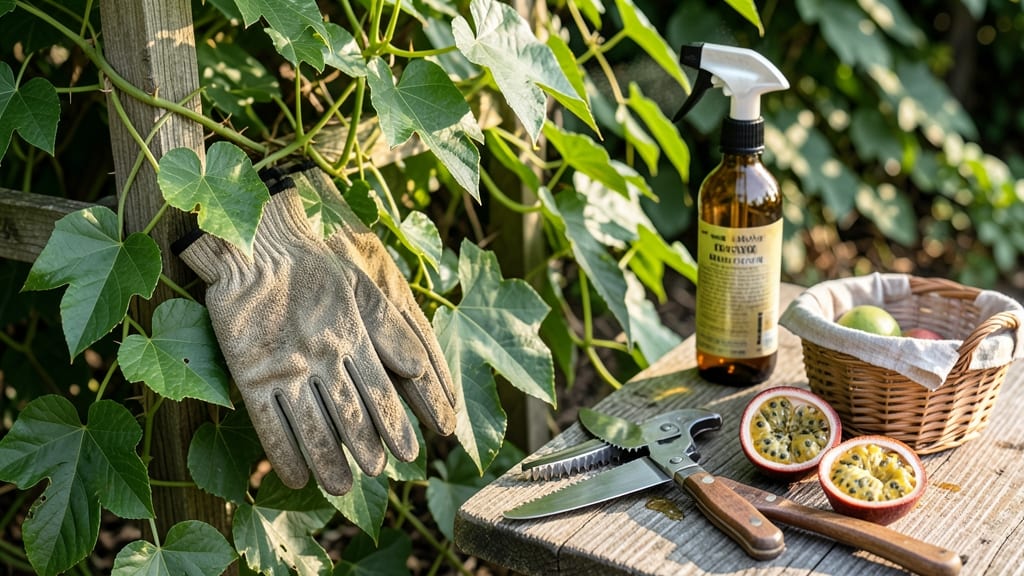
Growing passion vine fruit means turning your patio into a tropical paradise with edible blooms and exotic fruit. 🌺 I learned the hard way that not all varieties thrive in cooler climates—some need real heat to set fruit, while others produce stunning flowers you can eat before the fruit even ripens.
The secret lies in choosing the right type for your zone and giving it the right conditions.
You’ll need a sunny spot with well-draining soil and a sturdy trellis—passion vines can grow 10-20 feet if left unchecked. Most varieties prefer zones 8-11, but cold-hardy types like Passiflora incarnata (maypop) survive down to zone 5.
The edible flowers taste like a mix of citrus and pineapple, and the fruit, when ripe, is sweet and juicy—if you can wait that long.
Pollination is key—hand-pollinating with a small brush ensures fruit set, especially in cooler areas. Prune in late winter to shape the vine and encourage new growth, and watch for pests like spider mites or aphids that love tender new shoots.
With the right care, you’ll harvest both flowers and fruit in just one season.
This plant is surprisingly versatile—grow it in containers for patios, train it along fences, or let it climb a pergola for a dramatic backdrop. The flowers alone make it worth it, but the fruit? That’s the real reward. Ready to grow your own tropical treat?
📚 In This Guide
- What you need
- Instructions
- Tips and common mistakes
- Wrapping up and next steps
What you need
- ● Passion vine seeds or cuttings: Start with Passiflora edulis (purple passion fruit) or Passiflora ligularis (sweet granadilla). Buy 3–5 seeds or 1–2 healthy cuttings from a nursery.
- ● Well-draining soil: A mix of 60% potting soil, 30% perlite, and 10% compost (pH 6.0–7.0). For garden beds, amend clay soil with sand or coconut coir.
- ○ Containers (optional but recommended): 5–10 gallon pots with drainage holes if growing indoors or in climates with cold winters.
- ● Support structure: A 6–8 ft trellis, arbor, or sturdy fence—passion vines are vigorous climbers!
- ● Hand trowel or small shovel for planting.
- ● Pruning shears (sterilized with rubbing alcohol) for trimming.
- ● Watering can or hose with gentle nozzle (avoid overwatering!).
- ● Fertilizer: Balanced 10-10-10 NPK or organic options like fish emulsion (apply every 4–6 weeks).
- ○ Mulch (optional): Straw or wood chips to retain moisture and suppress weeds.
- ● Sunlight access: 6+ hours of direct sun daily (partial shade in scorching climates).
- ● Cold-hardy zone (if outdoors): Zones 8–11. Use a greenhouse or overwinter indoors in colder areas.
Step-by-step instructions for growing passion vine fruit
Here’s how to coax those fragrant, edible flowers—and eventually fruit—from your passion vine.
🌱 Step 1: Choose the Right Spot and Plant Your Vine
Passion vines thrive in full sun to partial shade (at least 6 hours of sun daily) and need a sturdy trellis or fence to climb—8-10 feet tall is ideal. I plant mine near a south-facing wall where it gets morning sun and afternoon shade in hot climates. The soil should drain well but retain moisture, so amend heavy clay with compost before planting.
Dig a hole twice as wide as the root ball but only as deep as the container it came in. Place the vine in, backfill with soil, and water deeply to settle everything. Mulch around the base with 2-3 inches of organic mulch to keep roots cool and retain moisture. Passion vines are tropical, so they hate cold drafts—keep them sheltered in winter if you’re in a frost-prone zone.
☀️ Step 2: Train and Prune for Healthy Growth
Once established, train the vine along its trellis by gently tying new growth with soft plant ties or old fabric strips. I avoid wire or plastic ties—they can girdle the stems as the vine thickens. Prune leggy or crowded stems in early spring to encourage bushier growth, cutting just above a leaf node where new shoots will emerge.
Here’s the thing—passion vines flower best when they’re slightly stressed. If growth slows in summer, let the soil dry out a bit between waterings. You’ll see fragrant, trumpet-shaped flowers appear in late spring to early summer—these are your edible blooms! Harvest them in the morning when they’re fully open but before they wilt.
💧 Step 3: Water and Fertilize for Fruit Development
Keep the soil evenly moist but not soggy—passion vines wilt fast when thirsty, but they also dislike sitting in waterlogged roots. Water at the base in the morning to avoid fungal issues. Once flowers appear, reduce water slightly to encourage fruit set. You’ll know it’s working when you see tiny green fruit forming where the flowers were.
Feed your vine with a balanced, organic fertilizer (like 10-10-10) every 4-6 weeks during the growing season. I switch to a low-nitrogen, high-phosphorus fertilizer once flowers appear to boost fruit development. Stop fertilizing in late summer to let the plant focus on ripening what’s already set.
⏰ Step 4: Harvest Flowers and Fruit at Peak Ripeness
Edible flowers are best picked in the morning after the dew dries. Snip the entire bloom with a clean pair of scissors, leaving a short stem. Use them fresh in salads or infuse them in syrups—just don’t overharvest, or you’ll limit fruit production. For fruit, wait until it’s fully colored (usually deep purple or yellow, depending on the variety) and slightly soft to the touch.
Harvest fruit by twisting gently until it releases from the vine. Store unripe fruit at room temperature to finish ripening, or refrigerate once ripe for up to a week. If you’re growing passion fruit for its tart, tropical flavor, patience is key—some varieties take 6-8 months from flower to ripe fruit!
✂️ Step 5: Winter Care and Pruning for Next Year
In colder climates, passion vines need winter protection. Once frost threatens, cut back the vine to 6-12 inches tall, leaving a few strong stems. Mulch heavily around the base with 4-6 inches of straw or leaves, and wrap the trellis in burlap to insulate the plant. In warmer zones, minimal pruning is needed—just remove dead or diseased growth in early spring.
Real talk: Passion vines are vigorous and can spread aggressively. If yours gets too large, prune back one-third of the oldest growth in late winter to rejuvenate the plant. You’ll see fresh, new shoots emerge in spring, ready to climb and flower again.
Tips & tricks for perfect passion vine fruit harvesting
These practical insights will help you grow a thriving passion vine and maximize both your edible flowers and fruit.
Location and Sunlight Strategy: That 6 hours of daily sun is non-negotiable for flower production, but here's the thing: passion vines actually prefer morning sun and afternoon shade in hotter climates. If you're in a particularly sunny region, position your trellis to catch the cooler afternoon breezes. I've noticed my vine produces twice as many flowers when it gets that afternoon relief from intense heat.
Pruning for Flowers: When you prune those leggy stems in early spring, focus on removing the oldest growth first. This might seem counterintuitive, but the younger, more flexible stems will produce more abundant flowers. I cut back about one-third of the oldest growth each year, and my vine responds with a burst of new blooms by late spring. The key is to always cut just above a leaf node where new shoots will emerge.
Watering Technique: The "evenly moist but not soggy" rule is crucial, but here's what nobody tells you—passion vines actually benefit from a slight drying period between waterings once flowers appear. This stress triggers fruit set. I water deeply every 5-7 days during flowering, then reduce to every 7-10 days once fruit forms. The soil should dry out about an inch below the surface between waterings.
Harvesting Timing: Those morning-harvested flowers are at their peak flavor, but here's a pro tip: harvest them when they're fully open but still slightly closed at the throat. This stage gives you the best balance of flavor and texture. For fruit, the "fully colored and slightly soft" rule works, but I also check for a slight give when I gently squeeze the fruit—it should feel like a ripe avocado rather than a hard ball.
Pro Tips for Passion Vine Fruit
- These practical insights will help you grow a thriving passion vine and maximize both your edible flowers and fruit.
- Location and Sunlight Strategy: That 6 hours of daily sun is non-negotiable for flower production, but here's the thing: passion vines actually prefer morning sun and afternoon shade in hotter climates.
- Pruning for Flowers: When you prune those leggy stems in early spring, focus on removing the oldest growth first.
Frequently asked questions
Got questions about growing and harvesting passion vine fruit? You’re not alone! Here are some of the most common queries—plus straightforward answers to help you succeed.
How long does it take for passion vine fruit to ripen after flowering?
Passion vine flowers typically take 80–120 days to ripen into fruit after pollination, depending on the variety and climate. Pro tip: Warmer temperatures (70–85°F) speed up ripening, while cooler weather can delay it. Check for color changes (deep purple, yellow, or red) and slight softness to confirm readiness!
Can I eat passion vine flowers or fruit before they’re fully ripe?
Yes! Both flowers (buds) and young fruit are edible and delicious. Flowers are often harvested when still tightly closed (like a bud) for a crunchy, citrusy flavor. Young fruit (about golf-ball sized) can be eaten raw, cooked, or pickled—just avoid overripe or fermented fruit, which may cause stomach upset. Harvest flowers in the morning for peak flavor!
Why aren’t my passion vine flowers turning into fruit?
No fruit? Check these common culprits:
- Lack of pollinators: Passion vines rely on bees, hummingbirds, or wind. Hand-pollinate by gently brushing stamens with a brush if needed.
- Temperature stress: Flowers drop if temps dip below 50°F or exceed 95°F.
- Over-fertilizing: Too much nitrogen = lush leaves, few flowers. Use a balanced 10-10-10 fertilizer instead.
- Immaturity: Young plants (under 1 year) may focus on growth over fruiting.
What can I do with passion vine leaves if I don’t want fruit?
Don’t toss those leaves! They’re edible and aromatic, often used in:
- Teas (lightly steeped for a herbal, slightly peppery flavor).
- Soups or stews (adds a citrusy depth—like a milder citrus leaf).
- Infused oils or vinegars (great for dressings!).
Caution: Avoid consuming large amounts raw, as they can be mildly toxic in excess. Always cook or steep leaves before eating.
Can I grow passion vine fruit in containers, or does it need a garden?
Passion vines thrive in large containers (15+ gallons) with well-draining soil and support (like a trellis or cage). Choose compact varieties like Passiflora edulis ‘Panama Red’ for smaller spaces. Ensure the container gets 6+ hours of sunlight daily and water consistently—containers dry out faster than garden beds. Add compost annually to replenish nutrients!
Wrapping up and next steps
Growing passion vine fruit is a rewarding journey that blends beauty with delicious harvests! 🌱 Whether you’re drawn to its stunning flowers or the tangy-sweet fruits, this vine offers both aesthetic and culinary joys. With the right care—sunlight, support, and patience—you’ll soon enjoy homegrown passion fruits straight from your garden.
Ready to take the next step? Start by planting your vine this season and experiment with varieties to find your favorite. Happy growing—and may your passion vine flourish as abundantly as your enthusiasm! 🍈✨