
Fertilization
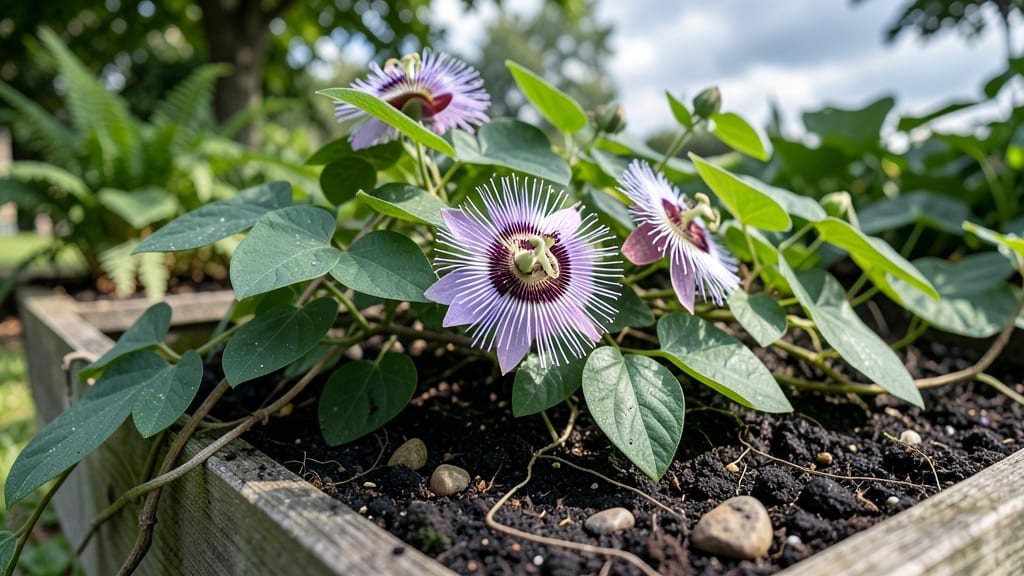
Growing Passiflora incarnata—the maypop or purple passionflower—means adding a native vine that thrives with almost no effort. 🌿 I’ve watched this hardy plant climb fences and trellises in my garden, its fragrant flowers attracting hummingbirds while its edible fruit drops in late summer.
The key? Understanding its natural habits and giving it space to spread.
This vine loves full sun to partial shade and tolerates poor soil, making it perfect for beginners. Plant it in well-draining soil with a sturdy support structure—it can grow up to 20 feet if left unchecked.
Watering is minimal once established; drought-tolerant once rooted, it’s one of the most low-maintenance natives around.
By late summer, you’ll see purple-black fruits (maypops) that taste like a mix of pineapple and citrus—great for jams or fresh eating. The flowers alone are worth growing, with their intricate, otherworldly blooms that hummingbirds adore. Prune in early spring to control growth and encourage flowering.
Works in USDA zones 6-10, even handling light frosts once established. Perfect for borders, trellises, or letting it sprawl wild in a sunny corner. Here’s how to get started without the fuss.
📚 In This Guide
- What you need
- Instructions
- Tips and common mistakes
- Wrapping up and next steps
What you need
- ● Seeds or rooted cuttings: 3–5 Passiflora incarnata seeds (or 1–2 cuttings for faster growth). Look for organic, non-GMO options if possible!
- ● Well-draining potting mix: 1 bag (5–10 gallons) of a blend designed for tropical plants or amend regular soil with 30% perlite/vermiculite.
- ○ Containers (optional but helpful): 1–2 5–7 gallon pots with drainage holes (for seedlings) or
- ● A raised bed or in-ground plot (if planting directly outdoors; ensure full sun and well-draining soil).
- ● Organic fertilizer: 1 lb of balanced 5-5-5 or 10-10-10 fertilizer (or compost tea for a natural boost).
- ● Mulch: 2–3 inches of straw or wood chips to retain moisture and suppress weeds.
- ● Hand trowel (for transplanting seedlings).
- ● Garden gloves (to protect from thorns and soil).
- ● Watering can or hose with a gentle spray nozzle (avoid overwatering!).
- ● Pruning shears (for shaping vines and removing dead growth).
- ○ pH test kit (optional but recommended): Aim for a soil pH of 6.0–7.0—slightly acidic to neutral.
- ● Sunlight: 6+ hours of direct sun daily (partial shade in scorching climates).
- ● Climate: USDA Zones 6–10 (hardy to 0°F/-18°C with mulch protection).
- ● Water: 1–1.5 inches per week (drought-tolerant once established, but keep soil moist for young plants).
- ○ Support structure (optional but fun!): A trellis, fence, or arbor (vines can grow 10–20 feet!).
- ● Or let them sprawl naturally in a wild, vine-y garden vibe! 🌿
Step-by-Step instructions for cultivating Passiflora incarnata
Here's how to grow this stunning native passion fruit with minimal effort—just follow these simple steps.
🌱 Step 1: Select the Perfect Planting Location
Passiflora incarnata thrives in full sun to partial shade, with at least 6-8 hours of direct sunlight daily. Choose a spot that receives morning sun and afternoon shade in hotter climates—this prevents leaf scorch while ensuring enough energy for flowering. The plant naturally climbs, so position it near a trellis, fence, or pergola where vines can reach 8-10 feet without competition.
I always plant mine near the edge of my garden bed so the vines can spill gracefully over the fence. Avoid low-lying areas where cold air pools—this delicate tropical beauty struggles with frost. If you live in a cooler zone, grow it in a large container that you can move indoors during winter.
🪴 Step 2: Prepare Soil and Plant with Care
This passion fruit variety prefers well-draining, slightly acidic soil with a pH between 6.0 and 7.0. Amend heavy clay with compost or organic matter to improve drainage—waterlogged roots will cause root rot. Dig a hole twice as wide as the root ball but no deeper to encourage outward root spread.
Gently remove the plant from its container and loosen any circling roots. Place it in the hole, backfill with native soil, and water deeply to settle everything. Mulch around the base with 2-3 inches of organic mulch (like shredded bark) to retain moisture and suppress weeds. Keep the mulch 6 inches away from the stem to prevent rot.
☀️ Step 3: Water and Fertilize for Optimal Growth
Water deeply once a week during the first growing season, ensuring the soil stays evenly moist but not soggy. You'll know it's time to water when the top 2 inches of soil feel dry to the touch. Once established, Passiflora incarnata becomes drought-tolerant, but consistent moisture encourages vigor and flowering. Avoid overhead watering—wet foliage invites fungal diseases.
Feed with a balanced, slow-release fertilizer (10-10-10) at half-strength in early spring and again after flowering. I swear by a monthly dose of compost tea during the growing season—it keeps the plants lush without burning the roots. Stop fertilizing in late summer to allow the plant to prepare for dormancy.
✂️ Step 4: Prune and Train for Maximum Beauty
Prune in early spring before new growth begins. Remove any dead, diseased, or crossing branches first, then trim back overgrown vines to one-third of their length. This encourages bushier growth and more abundant flowers. Always prune just above a leaf node to promote new shoots.
Train the vines along your trellis or support structure, gently tying them with soft plant ties as they grow. Avoid metal ties—they can cut into the tender stems. If you notice leggy growth, it’s a sign the plant isn’t getting enough light. Move it to a sunnier spot or provide a dappled shade cloth during peak afternoon sun.
🍈 Step 5: Harvest and Enjoy the Fruits of Your Labor
Passiflora incarnata produces edible, grape-sized fruits that ripen in late summer to early fall. Harvest when the skin turns deep purple and the fruit yields slightly to gentle pressure. The flavor is tart and tropical, perfect for jams, teas, or fresh eating. I always leave a few fruits on the vine to reseed—this hardy plant spreads easily and thrives in wildflower gardens.
After harvest, reduce watering and stop fertilizing to prepare the plant for dormancy. In colder climates, bring potted plants indoors to a cool, bright location (around 50-60°F) until spring. With proper care, your Passiflora incarnata will reward you with stunning flowers and delicious fruit for years to come.
Tips & tricks for perfectly cultivating Passiflora incarnata
Here's what nobody tells you about making this tropical beauty thrive with minimal fuss.
Sunlight Strategy: While 6-8 hours of sunlight is ideal, watch for signs of stress in Step 1. If leaves develop crispy edges by midday, provide afternoon shade using a lightweight shade cloth—this prevents leaf scorch while maintaining energy for flowering. I've found that morning sun with afternoon shade creates the perfect balance for consistent fruit production.
Soil Science: When preparing your planting hole in Step 2, test your soil's pH before amending. You can use a simple soil test kit from your garden center—aim for that 6.0-7.0 range. If your soil tests higher, mix in elemental sulfur or peat moss to lower the pH gradually. The right soil chemistry makes all the difference in root development and overall plant health.
Watering Wisdom: That weekly deep watering in Step 3 might need adjustment based on your climate. In hotter regions, you may need to water every 5-6 days instead. The key is to check the top 2 inches of soil—if it's dry, it's time to water. I've learned the hard way that inconsistent watering leads to blossom end rot in the fruit, so maintaining even moisture is crucial.
Pruning Precision: When you're trimming back vines to one-third their length in Step 4, focus on removing the oldest growth first. This encourages new, vigorous shoots to develop from the base. I always make my cuts just above a leaf node, and I've noticed that plants pruned this way produce more abundant flowers the following season.
Pro Tips for Passion Fruit Passiflora Incarnata
- Here's what nobody tells you about making this tropical beauty thrive with minimal fuss.
- Sunlight Strategy: While 6-8 hours of sunlight is ideal, watch for signs of stress in Step 1. If leaves develop crisp...
- Soil Science: When preparing your planting hole in Step 2, test your soil's pH before amending. You can use a simple ...
Frequently asked questions
Got questions about growing Passiflora incarnata (maypop or purple passionflower)? Here are the answers to the most common ones—so you can nurture this native beauty with confidence!
How long does it take for Passiflora incarnata to produce fruit?
Patience is key! With ideal conditions, Passiflora incarnata typically takes 2–3 years to flower and fruit. Young vines focus on establishing roots first—so give them time, sunlight, and support (like a trellis) to encourage faster growth. Pro tip: Prune aggressively in early spring to redirect energy toward flowering!
Can I grow Passiflora incarnata in containers?
This vine thrives in 15–20 gallon containers with drainage holes. Use a well-draining potting mix and repot every 2–3 years. Just remember: containers dry out faster, so water consistently (especially in summer). Warning: Move pots indoors or to a sheltered spot if temps drop below 20°F (-7°C)—it’s frost-sensitive!
Why aren’t my Passiflora incarnata leaves turning purple?
Purple foliage is a sunlight signal! If leaves stay green, your vine might need more direct sun (6+ hours/day). Test spots with dappled shade—if growth is leggy or sparse, relocate to a sunnier area. Bonus: Purple hues deepen as temps drop in fall, so don’t worry if it’s slow to change!
Do I need to hand-pollinate Passiflora incarnata flowers?
Usually, no! Native bees and butterflies (like swallowtails) love these flowers and do the job naturally. If you’re in a low-pollinator area, use a soft paintbrush to transfer pollen between flowers (gently touch the center of each bloom). Fun fact: The flowers open at dawn—pollinate in the morning for best results!
What’s the best fertilizer for Passiflora incarnata?
Feed lightly! Use a balanced, organic fertilizer (10-10-10 or 5-5-5) in early spring and again after flowering. Avoid high-nitrogen blends—they encourage leafy growth over fruit. Compost or worm castings are also great for native perennials. Avoid: Heavy synthetic fertilizers, which can burn roots.
How do I overwinter Passiflora incarnata in cold climates?
This tender perennial cannot survive frost, but you can protect it! Cut back vines to 6–12 inches, mulch heavily with leaves/straw, and cover with burlap or frost cloth when temps drop below 30°F (-1°C). In containers, move to an unheated garage or basement. Spring tip: Prune back dead growth in early March to stimulate new shoots!
Wrapping up and next steps
Growing Passiflora incarnata—or maypop passionflower—is a rewarding journey that blends ease with stunning natural beauty. With minimal care, this native vine thrives, offering fragrant blooms and edible fruit while supporting local ecosystems.
Whether you're drawn to its zero-fuss nature or its ecological benefits, this plant is a fantastic addition to any garden or landscape.
Ready to take the next step? Start by selecting a sunny spot, gathering your materials, and planting with confidence. Your garden—and pollinators—will thank you! 🌿✨