
Plants
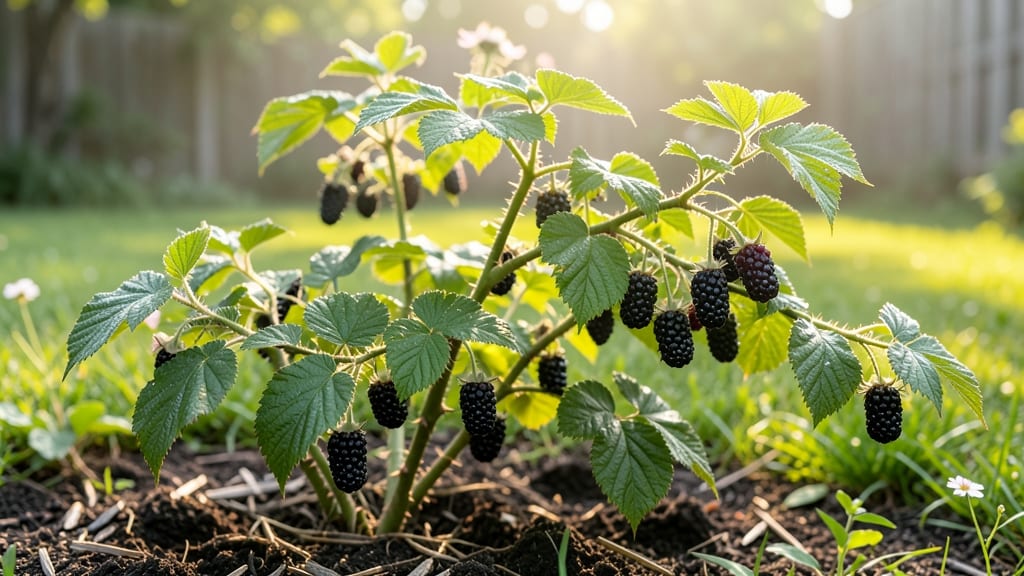
Growing black raspberries means summer after summer of juicy fruit that tastes like sunshine. 🌿 I've grown them for years, and the secret isn't complicated—it's about the right spot, soil, and a little patience.
These hardy shrubs reward you with bold, deep purple-black berries that burst with flavor when picked at peak ripeness. Start with a sunny area (at least 6 hours of sunlight daily) and well-draining soil. Plant canes in early spring or fall, spacing them 3-4 feet apart to allow airflow.
The first year focuses on establishing roots, but by year two, you'll see vigorous canes and—if all goes well—your first harvest in late summer. Pruning in winter keeps the plants productive and healthy.
📚 In This Guide
- What you need
- Instructions
- Tips and common mistakes
- Wrapping up and next steps
What you need
- ● Black raspberry canes: 3–5 healthy, disease-free plants (bare-root or potted). Choose a variety like ‘Black Hawk’ or ‘Jennings’ for reliability.
- ● Well-draining soil: Mix 60% topsoil with 40% compost or aged manure (pH 5.5–6.5). Avoid clay-heavy soil.
- ● Sunlight: A full-sun spot (6+ hours daily) with afternoon shade in hot climates.
- ● Watering system: Drip irrigation or soaker hoses (to keep roots consistently moist but not soggy).
- ● Mulch: 2–3 inches of straw or wood chips to retain moisture and suppress weeds.
- ● Fencing or trellis: 6–8 ft tall (raspberries need support and protection from wildlife).
- ● Pruners: Sharp, clean bypass pruners (disinfect with rubbing alcohol between cuts).
- ● Fertilizer: Balanced organic fertilizer (10-10-10) or compost tea (apply in early spring).
- ● Gloves: Heavy-duty gardening gloves (raspberry canes have thorns!).
- ○ Soil test kit: To check pH and nutrient levels (optional but recommended).
- ● Row cover: Frost cloth (for early/late-season protection).
- ● Spray bottle: For misting young plants in dry conditions.
- ● Harvesting containers: Shallow bowls or clamshells to prevent bruising fruit.
- ● Pest control: Neem oil or insecticidal soap (for aphids/spider mites).
Step-by-step instructions for planting black raspberry canes
Here's how I get these hardy shrubs thriving in my garden—producing those famously juicy berries year after year.
🌱 Step 1: Choose and Prepare the Planting Site
Black raspberries need full sun (6-8 hours daily) and well-draining soil with a pH between 5.5-6.5. I always test my soil first—amending with compost if needed to improve fertility. These canes spread aggressively, so plant them 10-12 feet apart or use strong barriers if space is limited. A slight slope helps water run off rather than pooling around roots.
Dig holes twice as wide as the root ball but only as deep. The top of the root ball should sit 1-2 inches above ground level—this prevents rot while allowing room for the canes to grow upright. I like to add a handful of bone meal to each hole for phosphorus, which encourages strong root development. Loosen the soil at the bottom of the hole with a fork to prevent compaction.
🪴 Step 2: Plant Bare-Root Canes Correctly
Soak bare-root canes in lukewarm water for 1-2 hours before planting to revive the roots. I spread the roots gently outward in the hole, ensuring they're not twisted or curled. The strongest canes should face outward from the center—this encourages bushier growth. If planting multiple canes, space them 6-8 feet apart in a slight trench to make future harvesting easier.
Backfill the hole with native soil mixed with 2-3 inches of compost, tamping lightly as you go. Water deeply to settle the soil and eliminate air pockets. The soil should feel damp but not soggy—you'll see water pooling around the base, but it should drain within 30 minutes. Mulch with 3-4 inches of wood chips, keeping it 6 inches away from the stem to prevent rot.
☀️ Step 3: Establish Proper Watering and Pruning Routines
Water deeply 2-3 times per week during the first growing season, aiming for 1-1.5 inches of water per week. Let the top 2 inches of soil dry out between waterings—this prevents fungal diseases like anthracnose. I use a soaker hose to deliver water at the base, avoiding wetting the leaves. After the first year, established plants tolerate drought better but still need 1 inch of water weekly during fruit production.
Prune in late winter or early spring before new growth begins. Remove dead, diseased, or crossing canes, cutting them back to the ground. Thin out weak canes to leave 4-6 of the strongest, most vigorous ones per plant. This ensures better air circulation and larger fruit. I also cut back any suckers growing outside the designated planting area—they sap energy from the main plant.
✂️ Step 4: Harvest and Maintain for Future Yields
Black raspberries ripen in late summer to early fall, typically 60-90 days after flowering. The fruit is ready when it detaches easily from the plant and turns deep black. Harvest in the morning when the berries are coolest and juiciest. I use a pair of pruning shears to cut the canes just above the fruit cluster—this prevents damaging the plant. Wear gloves; the fruit stains easily and can irritate sensitive skin.
After harvest, fertilize lightly with a balanced 10-10-10 formula to replenish nutrients. Remove any remaining fruit to prevent birds from spreading disease. In fall, apply a 2-3 inch layer of mulch to insulate roots over winter. These canes are hardy down to Zone 3, but a thick mulch layer helps protect young plants from extreme cold. Prune again in late winter to shape the plant and encourage new growth for next season's harvest.
Tips & tricks for growing juicy black raspberries
These hard-won lessons will help you avoid common pitfalls and maximize your harvest of those famously sweet berries.
Soil Prep Secret: Before amending, do a simple pH test—black raspberries thrive between 5.5-6.5. If your soil tests lower, add pelletized lime gradually over several months. I've seen plants struggle in acidic soil where a quick pH adjustment would have made all the difference. The 2-3 inches of compost you mix in should be well-aged to prevent nitrogen burnout that can stunt early growth.
Root Revival Technique: When soaking bare-root canes for 1-2 hours, use lukewarm water—not cold tap water. The roots need gentle encouragement to wake up without shock. I add a splash of seaweed extract to the water for extra root growth hormones. After soaking, handle roots like you would fragile glass stems—no bending or twisting!
Watering Wisdom: That 30-minute drainage test after watering is crucial. If water pools longer than 30 minutes, your hole needs better drainage. I've seen black raspberries fail from root rot when planted in low spots. For container growing, use pots with drainage holes and a mix of 60% soil, 30% compost, and 10% perlite to improve aeration.
Pruning Precision: When thinning to 4-6 strongest canes, look for ones with thick stems and multiple buds. The weaker canes you remove will actually improve fruit size on the remaining ones. I mark my strongest canes with a ribbon in early spring so I don't accidentally prune them away during subsequent trims.
Pro Tips for Black Raspberry Fruit
- These hard-won lessons will help you avoid common pitfalls and maximize your harvest of those famously sweet berries.
- Soil Prep Secret: Before amending, do a simple pH test—black raspberries thrive between 5.5-6.5.
- Root Revival Technique: When soaking bare-root canes for 1-2 hours, use lukewarm water—not cold tap water.
Frequently asked questions
Got questions about growing or enjoying black raspberries? Here are some of the most common ones—and their answers!
How long does it take for black raspberry plants to bear fruit?
Most black raspberry canes take 2-3 years to produce fruit after planting. The first year focuses on root and cane establishment, while the second year yields small harvests. By the third year, you’ll enjoy a full, bountiful crop if given proper care! Patience pays off—these shrubs reward long-term commitment with juicy, flavorful berries.
Why aren’t my black raspberries ripening properly?
If your berries stay small, pale, or mealy, check these common issues:
- Insufficient sunlight: Black raspberries need 6-8 hours of full sun daily. Move plants to a sunnier spot if needed.
- Water stress: Keep soil consistently moist (but not soggy) during fruiting. Drought or overwatering can stunt growth.
- Nutrient deficiency: Feed with a balanced fertilizer (like 10-10-10) in early spring and after harvest.
- Pests/disease: Watch for Japanese beetles or cane blight. Prune affected canes immediately and use organic sprays if necessary.
Can black raspberries survive winter in cold climates?
Black raspberries are hardy in USDA zones 3-9, making them perfect for cold climates. To protect them:
- Mulch heavily with straw or wood chips (4-6 inches) after the first frost.
- Bundle canes loosely with twine to prevent wind damage.
- Avoid pruning until early spring—wait until new growth appears.
What’s the best way to store black raspberries?
Black raspberries are delicate—here’s how to preserve their freshness:
- Short-term (1-2 days): Store in a single layer on a paper towel-lined tray in the fridge. Avoid washing until ready to eat.
- Long-term (up to 2 weeks): Freeze on a baking sheet first (to prevent clumping), then transfer to an airtight container.
- For juicing: Freeze unwashed berries in bags—thaw and strain when ready to use.
Are black raspberries different from blackberries?
Yes! While they look similar, key differences include:
Feature
Black Raspberry
Blackberry
Plant type
Grows on separate canes (primocanes and floricanes).
Produces fruit on current season’s growth (no biennial cycle).
Flavor
Tart, complex, and highly aromatic.
Sweeter, milder, and less tangy.
Growth habit
Forms thorny, arching canes (needs support).
Thornless varieties exist; canes are more sprawling.
Uses
Best for jams, wines, and fresh eating.
Versatile for baking, sauces, and snacking.
Wrapping up and next steps
Growing black raspberry fruit is a rewarding journey that brings sweet, nutrient-packed harvests to your table—and—boosts your garden’s beauty! With the right care, these hardy shrubs thrive in diverse climates, offering juicy rewards for years.
Whether you’re a seasoned gardener or a curious beginner, start small, stay patient, and soon you’ll be savoring homemade jams, smoothies, or fresh snacks straight from your backyard. 🌱✨
Ready to take the next step? Pick a sunny spot, gather your supplies, and plant your first canes this season—your future harvest is waiting! 🍇💚