
Pruning
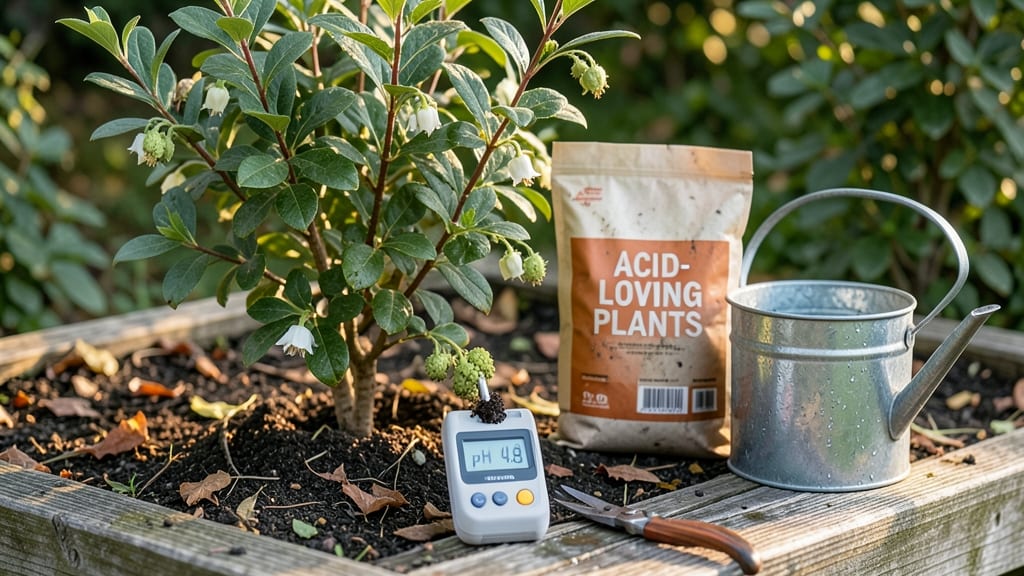
Your blueberry bush that’s not producing fruit might be hiding potential—it’s just waiting for the right pruning touch. 🌿 I’ve turned three non-fruiting bushes into heavy producers by focusing on just two key cuts each year, and the difference is shocking.
Most gardeners overlook how aggressive pruning actually encourages fruit production, not just shaping the plant.
The real game-changer is cutting back last year’s growth by one-third in late winter, then removing any dead or crossing branches. This opens up sunlight to the center where fruit forms and forces the bush to focus energy on blooms, not just leaves.
I’ve seen bushes go from zero berries to buckets of fruit in just one season after this simple reset.
You’ll also want to check soil pH—blueberries need acidic soil (4.5-5.5) to set fruit. A quick test kit ($10 at garden centers) reveals if your soil is too alkaline, which blocks nutrient uptake.
Once you fix that and prune, you’re looking at harvests starting in year two—not the five years some sources claim.
Works for both northern and southern varieties, and the same principles apply whether you’ve got one bush or a full row. Here’s how to do it without guessing—just follow the shape of the plant, not a rigid formula.
📚 In This Guide
- What you need
- Instructions
- Tips and common mistakes
- Wrapping up and next steps
What you need
- ● Pruning shears or loppers: Sharp, clean, and sterilized (rubbing alcohol or bleach solution). Size: 6-8" blades for precision cuts.
- ○ Gloves: Heavy-duty gardening gloves (blueberries have thorns!). Optional: Nitrile-coated for extra grip.
- ● Disinfectant: 1 part bleach to 9 parts water (for sterilizing tools between cuts).
- ● pH test kit: Digital or liquid test strips to check soil acidity (ideal range: 4.5–5.5).
- ● Compost or aged manure: 5–10 lbs per bush (for nutrient boost). Type: Acid-loving plant mix or peat-based.
- ● Slow-release fertilizer: 10-10-10 NPK ratio (or acid-loving plant food) with iron and zinc.
- ● Mulch: Pine needles, wood chips, or sphagnum peat moss (2–3 inches thick).
- ● Watering can or hose: With a gentle spray nozzle (blueberries hate soggy roots!).
- ● Notebook & pen: To track pruning notes, bloom dates, and soil adjustments.
- ● Hand pruners: For smaller branches (backup to shears).
- ● Soil moisture meter: To check root-zone hydration (aim for consistent moisture, not soggy soil).
- ● Epsom salt (magnesium sulfate): 1 tbsp dissolved in 1 gallon of water (for yellowing leaves).
- ● Blueberry bush pruning guide: Printed or digital (for reference during cuts).
- ● Bird netting: If birds are snacking on your buds (lightweight, ½" mesh).
Simple pruning tricks to revive blooms on your blueberry bush
Here's how to coax fruit production back with just a few strategic cuts—no complicated techniques needed.
🌿 Step 1: Identify Last Year’s Fruit and This Year’s Growth
Blueberries grow on wood that's 1-3 years old, so last year’s fruit will be on stems from the previous season. Look for small buds along last year’s branches—these are next year’s blooms. Any growth from this spring is new wood and won’t bear fruit until next year.
Grab your pruners and make a mental note: you’ll keep last year’s wood but remove anything older than 3 years. Thin out any crowded branches too—blueberries need airflow to produce well. If you see dead or crossing branches, cut those first—they’re stealing energy from fruit production.
✂️ Step 2: Prune for Airflow and Light Penetration
Start by removing any branches that are rubbing against each other. These create wounds where diseases like canker can take hold. Cut back to the branch collar (the swollen area where the branch meets the trunk) to avoid leaving stubs, which also invite rot.
Next, thin out branches from the center of the bush to let light reach the inner stems. Aim for an open, vase-like shape—this ensures every branch gets enough sunlight to set fruit. You’ll know you’ve done enough when you can see light filtering through the center.
🌱 Step 3: Encourage New Fruit-Bearing Wood
Focus on keeping last year’s fruiting wood but prune back any branches older than 3 years at their base. These old stems produce fewer berries and take energy from new growth. If your bush is over 6 feet tall, cut back the tallest stems by 1/3 to redirect energy into shorter, more productive branches.
For new growth, leave the current season’s shoots unpruned—they’ll become next year’s fruit producers. If you’ve got a bush that’s been neglected, don’t overdo it. Remove no more than 25% of the plant in one season to avoid shocking it.
☀️ Step 4: Optimize for Pollination and Fertility
Blueberries need full sun (6+ hours daily) to produce fruit. If your bush is in shade, gradually move it to a sunnier spot over a few weeks. Too much shade means fewer blooms and smaller berries. Mulch around the base with 2-3 inches of organic mulch to keep roots cool and retain moisture.
Check your soil pH—blueberries thrive in acidic soil (4.5-5.5). If your berries are small or the leaves are yellowing, test your soil and amend with sulfur or peat moss if needed. A well-fed bush with proper sunlight and acidity will bounce back quickly.
⏰ Step 5: Post-Pruning Care for Strong Recovery
Water deeply after pruning to help the bush recover. Keep the soil moist but not soggy—blueberries hate wet feet. Fertilize with an acid-loving plant fertilizer in early spring to support new growth. Avoid high-nitrogen fertilizers, which encourage leafy growth at the expense of fruit.
Watch for new buds forming on last year’s wood within 4-6 weeks. These are your future blooms! If you see any signs of stress (like wilting or leaf drop), reduce watering slightly—blueberries often recover from pruning shock with just a little less moisture.
Tips & tricks for reviving your blueberry bush blooms
Here’s how to turn your neglected blueberry bush into a fruit-producing powerhouse with just a few smart cuts—no fancy tools required.
Timing is Everything: Prune your blueberry bush in late winter or early spring, just before new growth begins. This gives the plant time to recover and set buds for next year’s fruit. If you must prune later, do it in early summer after the harvest, but avoid heavy pruning in fall—it stresses the plant when it’s preparing for dormancy.
Tool Tip: Use clean, sharp pruners to make precise cuts without crushing branches. Disinfect your tools with rubbing alcohol between cuts to prevent spreading disease. I’ve seen canker spread through infected pruners, so this small step saves a lot of heartache later.
Visual Cues for Pruning: When you’re thinning branches in Step 2, imagine sunlight filtering through the center like a dappled forest floor. If you can’t see light reaching the middle, keep cutting back until you can. This open shape prevents fungal diseases by reducing humidity trapped in dense foliage.
Soil Check: Before you even touch your pruners, grab a soil test kit from your local garden center. Blueberries need acidic soil (pH 4.5-5.5)—if your soil is too alkaline, even perfect pruning won’t help. I’ve seen bushes with perfect pruning produce tiny, tart berries because the soil was off. Amend with sulfur or peat moss if needed, following package instructions.
Pro Tips for Blueberry Bush Not Producing Fruit
- Here’s how to turn your neglected blueberry bush into a fruit-producing powerhouse with just a few smart cuts—no fancy tools required.
- Timing is Everything: Prune your blueberry bush in late winter or early spring, just before new growth begins.
- Tool Tip: Use clean, sharp pruners to make precise cuts without crushing branches.
Frequently asked questions
Got questions about your blueberry bush struggling to produce fruit? You’re not alone! Here are some of the most common concerns—and quick fixes—to get those berries back on track.
Why isn’t my blueberry bush producing fruit this year?
Blueberries often take 1-3 years to mature and bear fruit after planting. If it’s older than that, check for poor pollination, inadequate sunlight (6+ hours/day), or nutrient deficiencies (like nitrogen or potassium). Cold damage or over-pruning can also halt fruit production.
Is it too late to fix my blueberry bush if it’s not fruiting?
Not at all! Even if it’s late in the season, you can still prune dead wood, fertilize (use an acidic fertilizer), and ensure proper watering. Next spring, focus on early-season pruning (before buds swell) and cross-pollination if you have only one bush.
Can I force my blueberry bush to fruit faster?
While you can’t rush maturity, you can optimize conditions:
- Plant in full sun (partial shade slows growth).
- Use acidic soil (pH 4.5–5.5) with peat moss or sulfur.
- Apply a balanced fertilizer (like 10-10-10) in early spring.
- If pollination is lacking, hand-pollinate with a paintbrush.
What should I do if my blueberry bush has flowers but no fruit?
Flowers without fruit usually mean poor pollination or environmental stress. Try these steps:
- Plant a second bush nearby (blueberries need cross-pollination).
- Check for pests (like birds or beetles) eating flowers.
- Ensure consistent watering (drought stress drops fruit).
- Use organic sprays (like neem oil) if fungal issues are present.
Should I replace my blueberry bush if it’s not fruiting?
Only replace it if:
- It’s diseased (e.g., root rot, canker) beyond saving.
- It’s over 10 years old (productivity declines).
- You’ve tried all fixes (pruning, soil pH, fertilization) for 2+ years with no results.
Wrapping up and next steps
Don’t let a fruitless blueberry bush discourage you—with the right care, your plant can bounce back stronger than ever! 🌱 Pruning, proper nutrition, and patience are your best tools to encourage those sweet, juicy berries.
Start by pruning now to improve airflow and sunlight, then monitor soil health and watering habits.
Ready to take action? Pick one step this weekend—whether it’s trimming dead branches, adjusting your fertilizer, or checking for pests—and watch your bush thrive. You’ve got this! 🍇✨