
Pruning
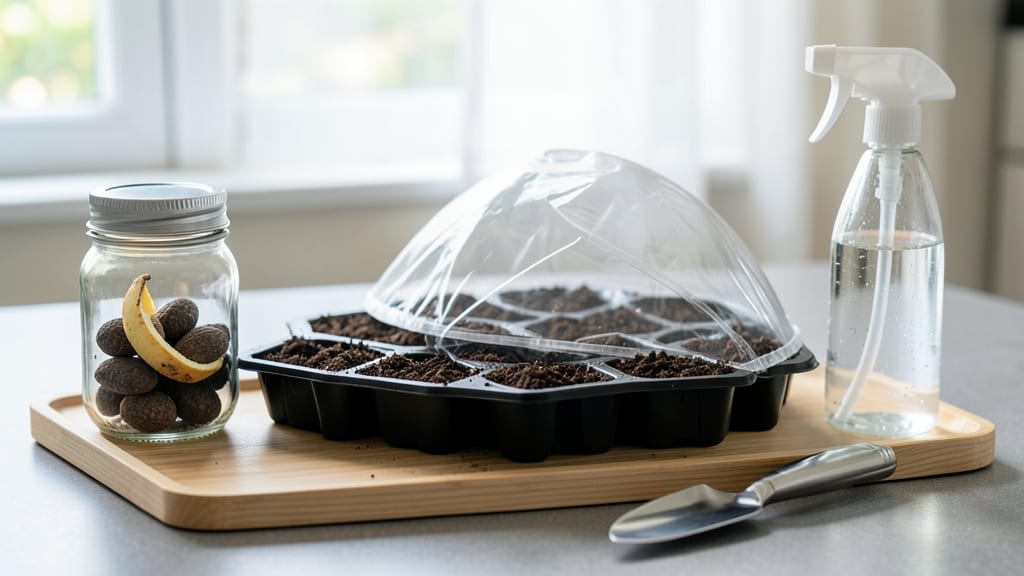
Growing breadfruit tree seeds fast-tracked my tropical garden dreams—those plump, nutty seeds sprout in just two weeks with the right approach. 🌱 The key isn’t just patience; it’s mimicking the warm, humid conditions they crave before they even crack open.
I’ve learned that skipping this step means waiting months instead of weeks for those first vine leaves to unfurl.
Start with well-draining soil mixed with 50% coconut coir—breadfruit seeds hate soggy roots. Plant them ½-inch deep in small pots under 75-85°F warmth, and keep humidity high with a plastic dome or misting.
The first shoots emerge fast, but don’t rush transplanting—wait until they’re 3-4 inches tall to avoid root shock. Tropical vines are delicate at this stage.
By week three, you’ll see glossy, heart-shaped leaves signaling success, and the vine will climb anything in sight. The real magic? These aren’t just pretty plants—they’re edible, with fruit that tastes like a cross between potato and artichoke.
Just be ready for fast growth (they can double in size monthly) and occasional pests like mealybugs.
If your climate dips below 50°F, move pots indoors near a sunny window—breadfruit seeds won’t tolerate cold. And here’s the secret: soak seeds overnight before planting to jumpstart germination. The faster they sprout, the sooner you’ll harvest that first homegrown bounty.
📚 In This Guide
- What you need
- Instructions
- Tips and common mistakes
- Wrapping up and next steps
What you need
- ● Breadfruit tree seeds: 5–10 fresh, plump seeds (harvested from ripe breadfruit or purchased from a reputable supplier). Pro tip: 💡 Soak seeds in warm water for 24 hours to speed up germination!
- ● Seed-starting mix: 1–2 gallons of well-draining, sterile potting soil (or a blend of coconut coir, perlite, and compost in a 50/30/20 ratio).
- ● Small pots or seed trays: 3–5 biodegradable pots (4–6 inches deep) or a shallow tray with drainage holes.
- ● Plastic wrap or humidity dome: To retain moisture while seeds germinate.
- ● Spray bottle: For gentle watering (avoid over-saturating the soil!).
- ○ Heat mat (optional): Maintains soil warmth (75–85°F) for faster germination. Pro tip: 🌡️ A sunny windowsill works too!
- ● Grow lights or LED bulbs: Provides 12–14 hours of light daily for seedlings (if natural light is limited).
- ● Fertilizer (balanced, water-soluble): Diluted to half-strength for young seedlings (e.g., 10-10-10 NPK ratio).
- ● Pruning shears: For trimming leggy seedlings later (if needed).
- ● Gloves and a small trowel: Protects hands and helps with transplanting.
- ● A warm, humid environment (breadfruit thrives in USDA zones 10–12, but seedlings can start indoors!).
- ● Patience—germination can take 7–14 days (sometimes longer for older seeds).
- ● Access to a greenhouse, patio, or sunny spot for mature trees (breadfruit needs space—20+ feet tall at maturity!).
Step-by-step instructions for germinating breadfruit tree seeds
Here’s how to coax those tropical seeds into vigorous growth—no fancy equipment needed.
🌱 Step 1: Select and Prepare the Seeds
Choose plump, firm seeds—avoid any that feel soft or shriveled, as they won’t sprout. Breadfruit seeds have a thick outer husk, so I like to soak them in warm water for 24 hours to soften the shell and kickstart germination. Place them in a jar or bowl, ensuring they’re fully submerged. You’ll know they’re ready when the husks start to crack open slightly.
After soaking, drain the water and gently rub the seeds between your palms to remove any remaining husk fragments. This step is crucial—it prevents mold and ensures even moisture contact with the seed’s inner layers. If you’re impatient, you can nick the seed coat lightly with a knife, but I’ve found the soak alone works just fine with breadfruit.
💧 Step 2: Set Up the Germination Medium
Fill a shallow tray or seedling flat with a mix of 50% peat moss and 50% perlite—this lightweight combo drains well while retaining enough moisture to keep seeds happy. Moisten the mix until it’s damp but not soggy; squeeze a handful to test—it should hold together without dripping. Spread the soaked seeds about 1 inch apart on the surface, pressing them lightly into the mix just enough to keep them in place.
Cover the tray with plastic wrap or a humidity dome to create a mini greenhouse effect. Breadfruit seeds thrive in warmth, so place the tray in a spot where temperatures stay between 75-85°F. A sunny windowsill or under a grow light works perfectly. Check daily for condensation—if the plastic fogs up, prop it open slightly to prevent mold.
☀️ Step 3: Monitor and Transplant Seedlings
Germination usually happens within 7-14 days, but I’ve seen some pop up in as few as 5 days if conditions are ideal. Once you spot the first sprouts—tiny green shoots breaking through the soil—remove the plastic cover immediately. Too much humidity now can cause damping-off, where seedlings collapse overnight. Keep the soil consistently moist but never waterlogged; a spray bottle works best to avoid disturbing the delicate sprouts.
When seedlings reach about 3-4 inches tall and develop their first true leaves (not the initial seed leaves), it’s time to transplant them into individual pots. Use a well-draining potting mix and plant them just deep enough to cover the roots. Place them in bright, indirect light for the first week to help them adjust—direct sun can scorch young leaves.
🌿 Step 4: Encourage Healthy Growth
Breadfruit seedlings grow fast once they’re established, so feed them lightly with a balanced liquid fertilizer (10-10-10) diluted to half strength every 4-6 weeks. They’ll need plenty of space to stretch, so give them at least 6 inches of vertical room in their pots. If you notice the leaves turning yellow or the stems getting leggy, they’re craving more light—move them closer to a sunny window or under a grow light for 12-14 hours daily.
Here’s the thing—breadfruit trees are tropical vines, so they love humidity. If your home feels dry, mist the leaves occasionally or place the pots on a tray of pebbles filled with water to boost moisture levels. Watch for pests like spider mites; a gentle spray of neem oil keeps them at bay without harming the plants.
Tips & tricks for germinating breadfruit tree seeds
Here's what I learned after watching dozens of seeds sprout—and how to avoid the pitfalls that sink so many attempts.
Soaking Strategy: The 24-hour warm water soak is non-negotiable for breadfruit seeds. I've tried shorter soaks, and they simply don't soften the thick husk enough. Use a thermometer to confirm your water stays between 75-80°F—too cold slows germination, while above 85°F can damage the seed. After soaking, I like to add a drop of hydrogen peroxide to the water (1 part peroxide to 10 parts water) to prevent bacterial growth during that crucial first day.
Medium Mix Matters: That 50/50 peat moss and perlite mix is your secret weapon. The peat holds moisture while the perlite prevents compaction that suffocates roots. Pro tip: Sterilize your mix first by microwaving it for 2 minutes in a bowl of water—this kills any lurking pathogens that could outcompete your seeds. And never reuse germination medium; it becomes a breeding ground for mold after one use.
Humidity Control: The plastic wrap creates a greenhouse effect, but you must monitor it daily. If condensation forms on the inside, prop up one corner to allow airflow—this prevents damping-off, where seedlings rot at the base overnight. I've lost entire trays this way, so I now set a timer to check humidity every 12 hours. A hygrometer (under $10) takes the guesswork out of maintaining that perfect 75-85°F range.
Light Transition: Those first true leaves after transplanting are your signal to gradually introduce more light. Start with 4 hours of indirect light daily, then increase by 2 hours every 3 days. I use a grow light on a timer for consistency—breadfruit seedlings are sensitive to light fluctuations. Watch for purplish stems, which means they're stretching for more light; this is when you know it's time to move them closer to your light source.
Pro Tips for Breadfruit Tree Seeds
- Here's what I learned after watching dozens of seeds sprout—and how to avoid the pitfalls that sink so many attempts.
- Soaking Strategy: The 24-hour warm water soak is non-negotiable for breadfruit seeds.
- Medium Mix Matters: That 50/50 peat moss and perlite mix is your secret weapon.
Frequently asked questions
Got questions about growing breadfruit from seeds? You’re not alone—this tropical wonder has a few quirks! Here are answers to the most common queries to help you get started with confidence.
How long do breadfruit seeds take to germinate?
Breadfruit seeds typically sprout in 7–14 days when kept warm (75–85°F) and moist. Use a seedling tray with damp potting mix and cover lightly with plastic wrap to retain humidity. Patience is key—some seeds may take up to 3 weeks, especially in cooler climates.
Can I grow breadfruit from store-bought breadfruit?
Nope! Store-bought breadfruit is often irradiated or treated to prevent sprouting. For seeds, source them from a mature, organic breadfruit tree or a reputable tropical nursery. Look for plump, firm seeds with no cracks—they’re your best bet for germination.
What’s the best time of year to plant breadfruit seeds?
Breadfruit thrives in warm weather (68°F+), so aim to plant seeds in spring or early summer in tropical/subtropical zones. If you’re in a cooler climate, start seeds indoors under grow lights 8–10 weeks before the last frost, then transplant outdoors after danger of frost has passed.
Why aren’t my breadfruit seeds sprouting?
Common culprits include dry soil, low temperatures, or old seeds. Double-check that your mix stays consistently moist (not soggy) and place seeds in a warm, sunny spot. If seeds are over 6 months old, germination rates drop—opt for fresh ones! Also, some seeds may be non-viable—don’t stress if a few don’t sprout.
How big should my breadfruit seedling be before transplanting?
Wait until your seedling has 3–4 true leaves and is at least 6–8 inches tall before moving it outdoors. Harden off seedlings gradually (acclimate to sun/wind over 1–2 weeks) to avoid shock. Choose a permanent spot with full sun and well-draining soil—breadfruit loves space!
Wrapping up and next steps
Growing breadfruit tree seeds is a rewarding journey that brings tropical abundance right to your backyard—and you’ve got the speedy 2-week germination trick to make it even easier! 🌱 Whether you're a seasoned gardener or a curious beginner, these versatile seeds offer a bounty of food, shade, and eco-friendly benefits.
Now that you’re armed with the right knowledge, why not take the next step? Plant those seeds, nurture your little saplings, and soon you’ll be harvesting delicious, nutrient-packed breadfruit to share with friends and family.