
Vegetables
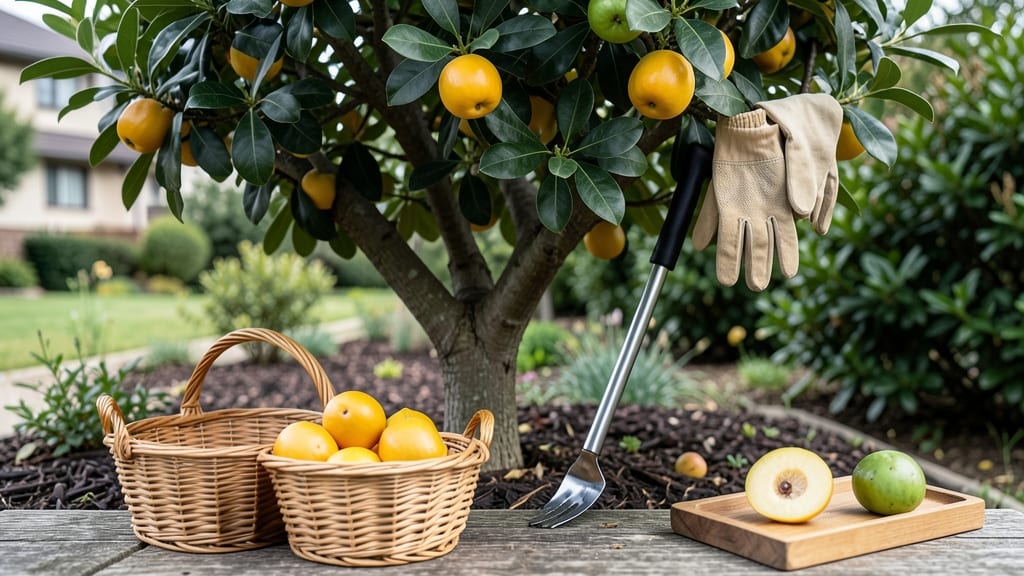
Chinese fruits with white flesh include lychee, pomelo, and jujube, identifiable by their smooth, pale interiors and distinct textures—lychee's translucent segments, pomelo's crisp pulp, or jujube's jelly-like center. Always check peel color and shape for clues before cutting.
Identifying these fruits starts with their outer appearance—lychee often has a rough, reddish-brown shell with a crown-like top, while pomelo boasts a thick, yellow-green rind that can be as large as a grapefruit. 🍈 The key is to look for fruits with smooth, pale interiors when cut open, as this indicates their signature white flesh.
Jujube, for example, has a glossy, reddish skin that turns translucent when ripe, revealing its jelly-like center. These visual cues help distinguish them from other tropical fruits that might look similar at first glance.
For home gardeners, these fruits thrive in warm climates with well-draining soil and plenty of sunlight. Lychee and pomelo need consistent moisture, while jujube is more drought-tolerant once established. Seasonal availability varies—lychee and longan peak in summer, while pomelo can be found year-round in tropical regions.
Understanding these growing conditions helps you select the right varieties for your garden and ensures a successful harvest.
💡 In This Article
- Key Visual Traits of White-Fleshed Chinese Fruits
- Top 5 Chinese White-Fleshed Fruits for Home Gardens
Key visual traits of white-fleshed Chinese fruits
The peel color of white-fleshed Chinese fruits acts as your first clue. Lychee typically sports a rough, reddish-brown shell with a distinctive crown-like bump at the top—this outer texture contrasts sharply with its snow-white, translucent flesh.
Pomelo, on the other hand, features a thick, yellow-green rind that can range from 3-6 inches in diameter, often resembling a grapefruit's size but with a smoother, waxier surface.
The key is that both fruits have smooth, pale interiors when peeled, with pomelo's flesh being crisp and juicy while lychee's segments remain gelatinous yet firm.
Shape plays a crucial role too. Jujube presents as small, round fruits (about 1-2 inches in diameter) with a glossy, reddish skin that turns translucent when ripe, revealing its jelly-like center.
Longan, lychee's cousin, has a similar round shape but with a smoother, darker brown shell and a slightly larger cavity. Wax apple stands out with its oblong, star-like shape and thin, translucent skin that resembles a cross between a pear and a starfruit.
These shapes help differentiate them from tropical fruits like pineapple or mango, which have entirely different structures.
External markings are another telltale sign. Lychee's shell often has a bumpy, textured surface with a noticeable crown, while pomelo's rind may show ridges or a slightly rough texture depending on the variety.
Wax apple's skin is nearly smooth but can have faint vertical lines, and its translucency lets you see the white flesh even before cutting. These visual cues—combined with the fruit's size and shape—make identification straightforward once you know what to look for.
Texture contrasts also help. Pomelo's flesh is crisp and juicy, almost like a grapefruit but milder, while lychee's segments have a gelatinous yet firm texture that clings together. Jujube's center is uniquely jelly-like and sweet, almost like a chewy date when dried.
These differences in texture are why they feel distinct even when their white flesh appears similar at first glance.
One pro tip: Always check the stem end of the fruit. Lychee and longan often have a small, woody core where the stem attaches, while pomelo's stem end is smoother and more rounded.
This small detail can save you from mistakenly picking a fruit with yellow or pinkish flesh, which is common in varieties like grapefruit or certain citrus hybrids.
For example, a yellow-green rind with a rough texture and a large size (5+ inches) is almost certainly pomelo. Meanwhile, a small, glossy red fruit with a jelly-like center is jujube. These visual traits act as a foolproof guide when shopping or foraging.