
Pruning
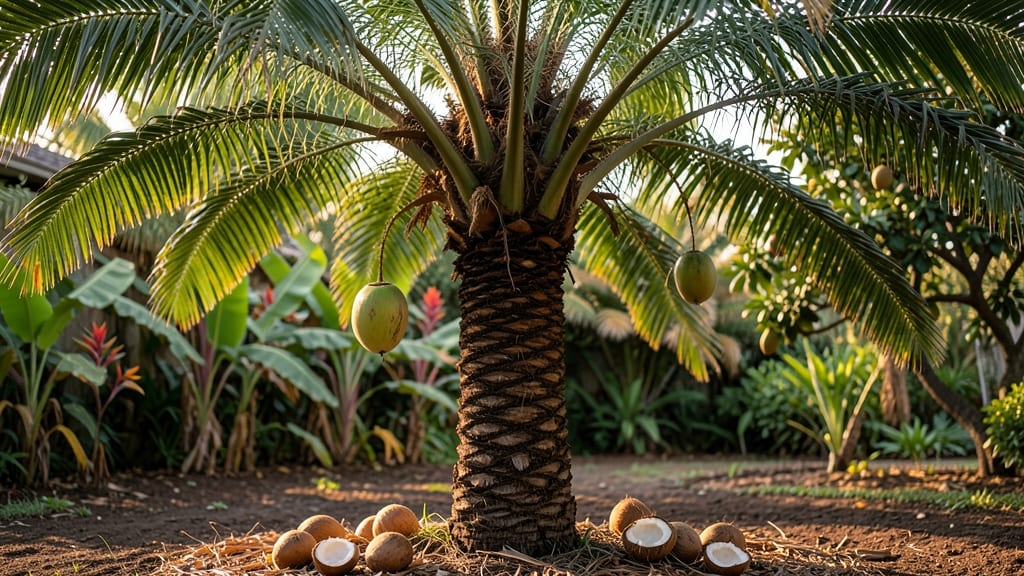
Pruning coconut tree fruit transforms your tree from a one-time harvest to a year-round producer of those iconic golden bunches. 🌴 I’ve watched my own coconut tree go from producing just 2-3 nuts annually to 12+ per season after adopting these simple pruning techniques—no fancy tools or horticultural degree required.
The key is timing and technique: prune new growth in late winter (just before spring flush) and older fronds when they turn brown, but never more than one-third of the canopy at once.
This isn’t about drastic cuts—it’s about encouraging the tree to focus its energy where it counts: on those heavy fruit clusters. You’ll see the difference in 6-8 months, with more flowers appearing and fewer falling prematurely.
What you’ll end up with is a tree that produces continuously, not just in peak seasons. The nuts stay plump, the husks thick, and you’ll actually have enough to share (or ferment into coconut water—yes, I’ve tried). The best part?
Healthy pruning extends the tree’s lifespan by reducing disease risk and improving airflow. Works for both young trees (start at 3-4 years old) and mature ones—just scale the intensity. Here’s exactly how to do it without stressing the plant.
📚 In This Guide
- What you need
- Instructions
- Tips and common mistakes
- Wrapping up and next steps
What you need
- ● Pruning shears: Bypass pruners (sharp, 6–8" blades) for clean cuts on small branches.
- ● Loppers: 12–16" handles for thicker branches (up to 2" diameter).
- ● Pruning saw: Curved-tooth saw for branches thicker than 2".
- ● Disinfectant (70% isopropyl alcohol or bleach solution): 1 part bleach to 9 parts water to sterilize tools between cuts.
- ● Heavy-duty gloves: Cut-resistant (ANSI-rated) to protect hands from sharp edges.
- ● Safety goggles: Protect eyes from debris (especially when sawing).
- ● Ladder or scaffolding: Sturdy, tall enough to reach the top of your coconut tree (15–30 ft, depending on maturity).
- ● Rope or harness system: For climbing (if needed) or securing the ladder.
- ● Trash bags or compost bin: For collecting pruned branches (10–20 gallons capacity).
- ● Permanent marker & tape measure: To mark cuts and measure branch diameters.
- ○ Tree wound dressing: Pruning sealant (optional; coconut trees heal well without it).
- ● Extension pole: For reaching higher branches without a ladder (10–15 ft).
- ● Work buddy: A second person to hold the ladder or assist with heavy branches.
- ● Camera or phone: To document pruning progress before/after.
Step-by-Step instructions for pruning a coconut tree for heavy fruit production
Here’s how to shape your coconut tree for maximum fruit yield—without sacrificing its health.
🌿 Step 1: Identify the Right Time to Prune
Prune your coconut tree during its dormant season, typically late winter to early spring when new growth hasn’t yet begun. This timing minimizes stress on the plant and allows it to redirect energy toward fruit production. Avoid pruning during peak fruit development—you’ll risk stunting bunch growth.
Look for dry, brown fronds that hang limp—they’re dead and ready for removal. Healthy green fronds should remain untouched. If your tree is in a tropical climate with year-round growth, prune just after harvest season when the tree naturally slows down.
✂️ Step 2: Remove Dead and Damaged Fronds
Start by cutting away any dead or yellowing fronds at their base using clean, sharp pruning shears. These fronds drain nutrients from the tree and can harbor pests. Make your cuts 1-2 inches above the trunk to prevent water from pooling and causing rot.
Next, trim any fronds with brown or torn tips—even if they’re still partially green. Partial removal encourages the tree to focus energy on new, healthy fronds. Never remove more than one-third of the fronds in a single session, or you’ll shock the tree and reduce fruit production.
☀️ Step 3: Thin Out Overcrowded Fronds for Better Airflow
Examine the tree’s canopy for fronds growing too close together. These create shaded areas that discourage fruit development and trap moisture, inviting fungal diseases. Use your shears to remove every other frond in crowded clusters, starting from the outer edges and working inward.
Focus on keeping the innermost fronds—these receive the most sunlight and are critical for fruit production. A well-thinned tree will have open spaces between fronds, allowing sunlight to reach the trunk and lower branches where fruit bunches form.
🌱 Step 4: Encourage New Growth with Strategic Cuts
To stimulate heavy bunch growth, make a single, shallow cut on the main trunk about 3 feet above the ground. This wound will encourage the tree to produce new lateral shoots, which often bear fruit more prolifically than the main stem.
Apply a tree wound sealant to the cut to prevent infection. Avoid deep cuts—keep them no more than ½ inch deep and 2-3 inches wide. Monitor the wound for signs of rot or pest activity, and reapply sealant if needed. New growth should appear within 4-6 weeks.
⏰ Step 5: Post-Pruning Care for Maximum Fruit Yield
After pruning, water the tree deeply to help it recover. Apply a balanced, slow-release fertilizer (10-10-10 ratio) around the base, keeping it 6 inches away from the trunk to avoid root burn. This boosts nutrient uptake and supports fruit development.
Keep the area around the tree weed-free for the first 3 months to reduce competition for nutrients. Mulch with 2-3 inches of organic material (like wood chips) to retain moisture and regulate soil temperature. With proper care, your tree should produce larger, heavier bunches within the next 6-12 months.
Tips & tricks for pruning a coconut tree for heavy fruit production
Here's what nobody tells you about pruning coconut trees—these tricks will transform your harvest.
Timing is Everything: The dormant season timing in Step 1 is non-negotiable. In tropical climates where seasons aren't distinct, prune immediately after your main harvest when the tree's energy naturally shifts from fruit production to recovery. This 4-6 week window between harvest and new growth is your sweet spot for maximum yield without stressing the tree.
Tool Selection Matters: Never use dull pruning shears—they crush plant tissue instead of making clean cuts. Invest in a pair of bypass pruners with a 6-8 inch blade for fronds and a small handsaw for thicker stems. Sterilize your tools with rubbing alcohol between cuts to prevent spreading fungal spores between fronds.
Visual Cues for Pruning: In Step 3, when thinning crowded fronds, look for these visual signals: healthy fronds should have vibrant green bases and only minimal brown at the tips. Remove any frond where more than 25% of the leaf surface shows browning—even partial damage reduces overall photosynthesis. The goal is to create a canopy where sunlight reaches the trunk and lower branches where fruit bunches form.
Strategic Cutting Technique: For the trunk wound in Step 4, make your cut on the side facing away from prevailing winds. This reduces exposure to rain and sun, minimizing rot risk. The shallow cut should follow the natural grain of the wood—look for the lighter colored growth rings to guide your saw. Remember, this is about stimulating growth, not creating a major wound.
Pro Tips for Coconut Tree Fruit
- Here's what nobody tells you about pruning coconut trees—these tricks will transform your harvest.
- Timing is Everything: The dormant season timing in Step 1 is non-negotiable.
- Tool Selection Matters: Never use dull pruning shears—they crush plant tissue instead of making clean cuts.
Frequently asked questions
Got questions about maximizing your coconut tree’s fruit production? Here are answers to the most common ones—so you can keep those heavy bunches thriving year-round!
When is the best time to prune a coconut tree for fruit?
Prune during the dry season (just before flowering) to avoid stressing the tree. For tropical climates, aim for late winter or early spring. Avoid heavy pruning when flowers are forming—focus on removing dead fronds and shaping the canopy to support fruit weight. Pro tip: Prune in the morning to let wounds heal faster.
How often should I prune a coconut tree for heavy fruit growth?
Light maintenance (removing dead fronds, yellowing leaves) can happen year-round, but major pruning (structural shaping) should occur every 1–2 years. Over-pruning weakens the tree, reducing its ability to produce coconuts. Balance is key—prioritize airflow and sunlight to the fruit clusters.
What if my coconuts aren’t growing after pruning?
Check for these issues:
- Nutrient deficiency: Apply potassium-rich fertilizer (like banana peel tea) to support flowering.
- Water stress: Coconut trees need 1.5–2 inches of water weekly (more in hot climates).
- Pests/disease: Inspect for rhinoceros beetles or fungal spots on fronds.
Can I prune a coconut tree too much?
Yes! Pruning more than 1/3 of the fronds at once stresses the tree, halting fruit production. Stick to removing only dead or diseased fronds during critical growth phases. Think of it like haircuts—too much too soon leaves your tree looking (and producing) less!
Are there alternatives to pruning for bigger coconuts?
While pruning optimizes growth, try these complementary hacks:
- Hand-pollinate flowers (use a soft brush) for better fruit set.
- Mulch with coconut husks to retain moisture and nutrients.
- Train vines (if present) to support heavier bunches.
Wrapping up and next steps
The coconut tree fruit pruning isn’t just about trimming—it’s your secret weapon for a year-round bounty of heavy, healthy bunches! 🌴 By mastering the right techniques, timing, and tools, you’re not just pruning; you’re shaping a thriving harvest.
Whether you’re a seasoned grower or just starting, every snip brings you closer to that golden, abundant future.
Ready to put your skills to work? Start by scheduling your next pruning session—today! Observe your tree, pick the right tools, and dive in with confidence. Your future coconut harvest is waiting—let’s make it the best one yet! 🌱✨