
Companion Plants
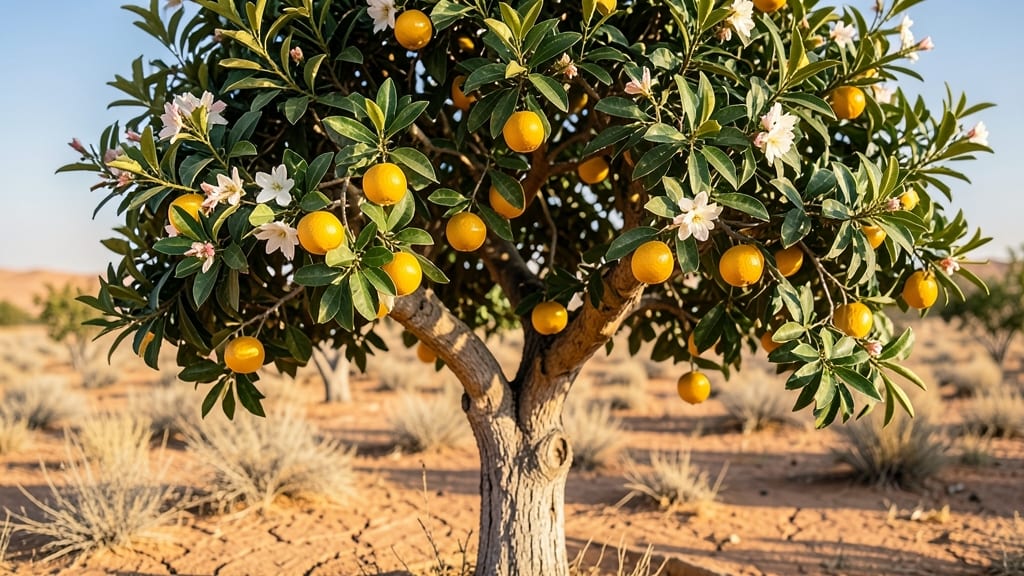
Water scarcity shouldn’t stop you from growing delicious fruit. These 10 desert fruit plants produce bountiful harvests with minimal irrigation, making them perfect for arid climates, drought-prone regions, or eco-conscious gardeners.
Pomegranate Trees for Hot Climates
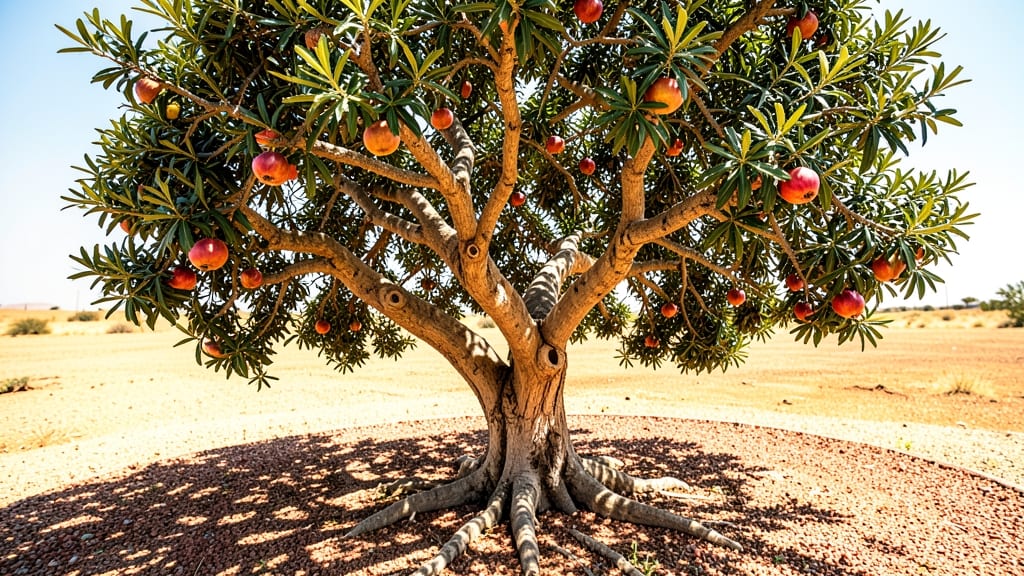
Want a fruit tree that thrives in 100°F+ heat while requiring almost no water after its first year? The pomegranate tree delivers jewel-like fruit packed with antioxidants and a 10-year lifespan, making it a powerhouse for desert landscapes.
Plant in well-draining soil with full sun (6+ hours daily) and water deeply once a week for the first year. Once established, it needs only monthly watering in most desert climates. Prune in late winter to shape the tree and remove dead branches—this encourages larger fruit production. The medicinal benefits of pomegranate seeds (anti-inflammatory, heart-healthy) make it a dual-purpose plant for both fruit and wellness.
Perfect for urban desert yards, Mediterranean gardens, or even large containers, pomegranate trees add beauty and bounty with minimal effort. 🌟
Fig Trees Growing in Dry Soil
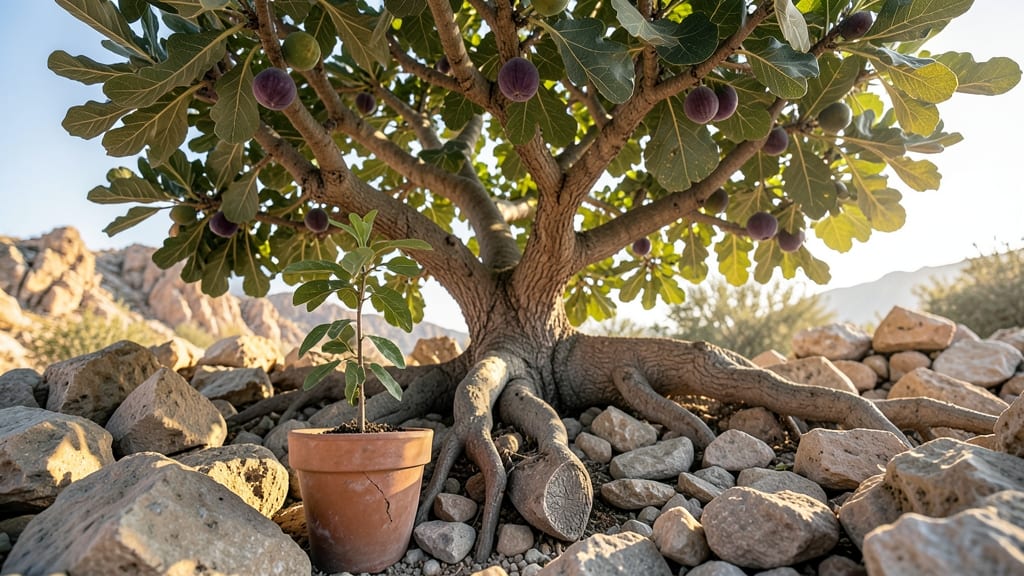
If your garden soil is more rocks than dirt, don’t despair—fig trees thrive in these conditions with almost no fuss. Unlike finicky fruit trees, figs tolerate poor, rocky soil and even grow well in containers, making them perfect for desert landscapes or urban patios.
Once established, fig trees need watering only every 2-3 weeks in hot climates, and their roots seek out moisture deep underground. Varieties like Brown Turkey or Mission produce sweet, versatile fruit year-round in frost-free zones like Arizona or California, with minimal care beyond occasional pruning to shape the tree.
This makes figs ideal for beginners or eco-conscious gardeners who want low-maintenance fruit production without the water bills. 🌻
Date Palms for Home Gardens
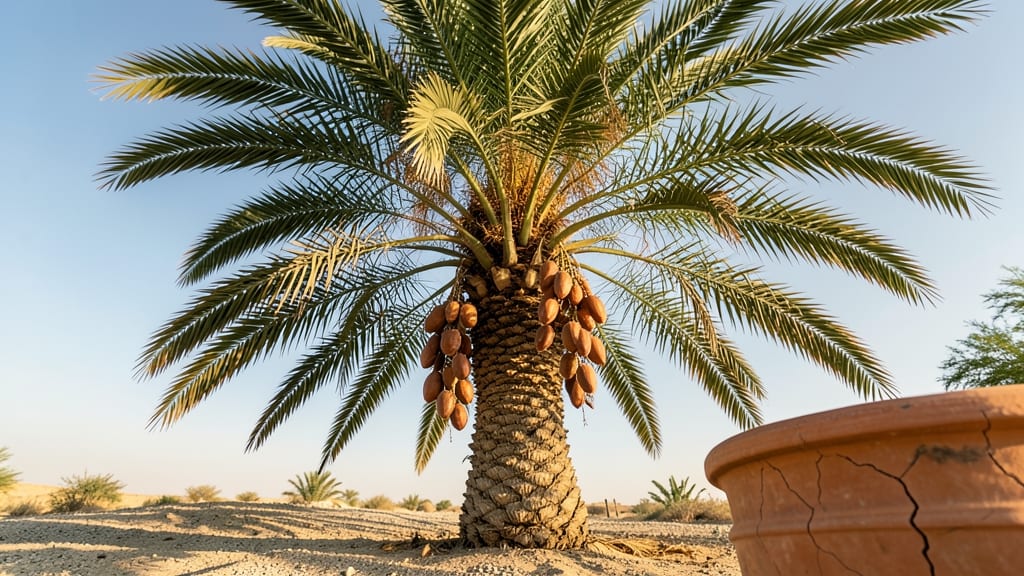
Looking for a fast-growing fruit tree that thrives on neglect and delivers sweet rewards? Date palms are the answer—these desert natives produce edible dates with minimal water once established, making them ideal for urban yards or large containers.
Once rooted, date palms require only occasional deep watering (every 2-4 weeks) and tolerate poor, well-draining soil. Varieties like Medjool or Deglet Noor grow 15-25 feet tall, providing shade while yielding fruit in 3-5 years. Prune fronds annually to maintain shape and remove dead leaves.
Perfect for city dwellers or small spaces, date palms add exotic charm while offering a sustainable food source. Their drought tolerance makes them a standout for eco-conscious gardeners. 🌟
Jujube Trees for Arid Regions
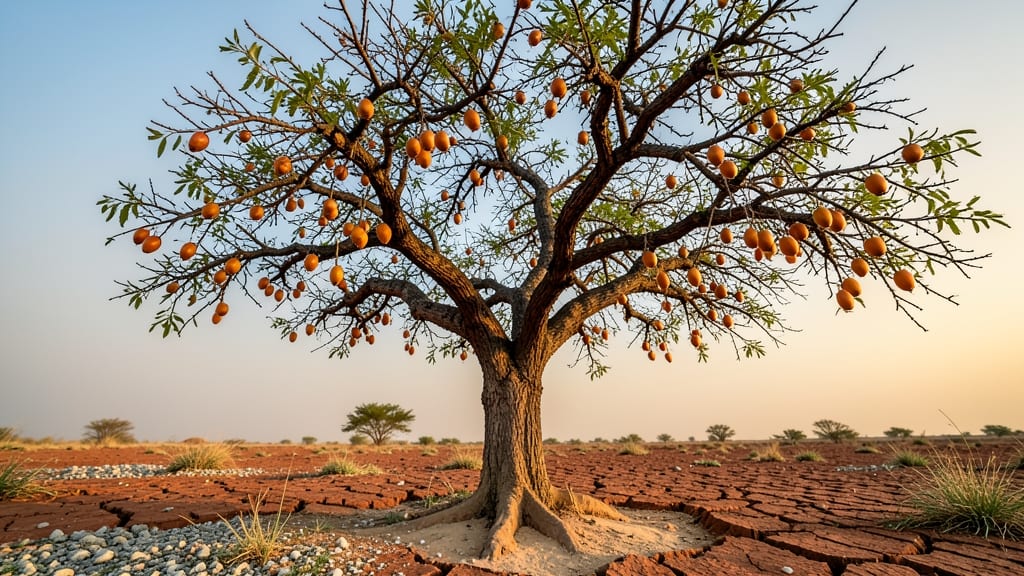
Looking for a survival garden fruit tree that thrives on neglect? The jujube tree—an ancient Chinese treasure—delivers tart-sweet fruit with almost no watering, making it perfect for arid regions where every drop counts.
Once established, jujube trees require only occasional deep watering (every 3-4 weeks in summer) and tolerate poor, rocky soil better than many desert plants. Their drought-resistant roots dive deep, while the fruit stores for months at room temperature—ideal for food forests or emergency pantries. Prune lightly in late winter to encourage fruit production.
This low-maintenance tree suits beginners, permaculture enthusiasts, or off-grid gardeners seeking reliable harvests with minimal effort. 🌟
Persimmon Trees in Dry Climates
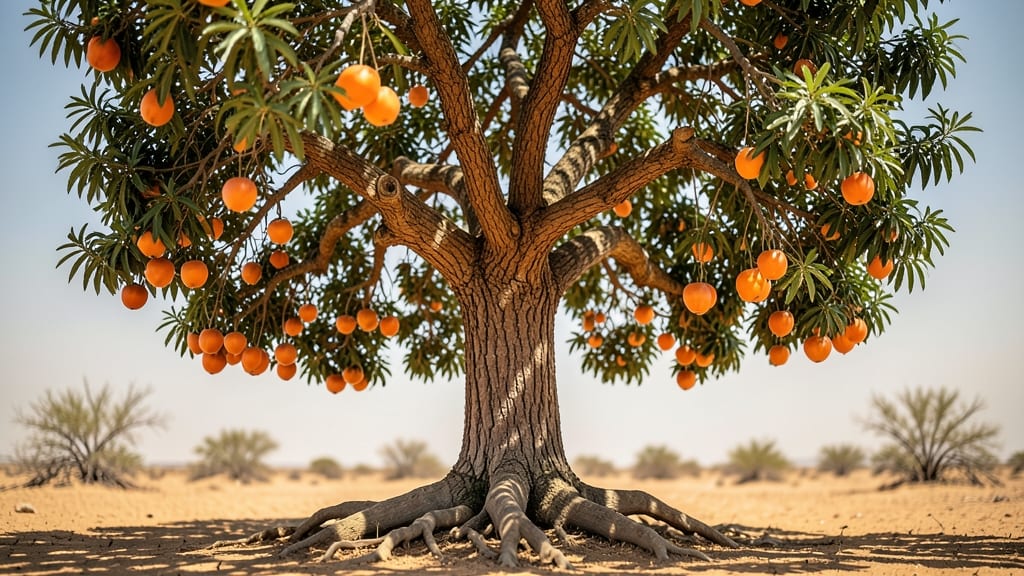
Want a shade tree that also bears fruit while sipping water like a true desert native? Persimmon trees deliver—once mature, they thrive on rainfall alone and pack a vitamin C punch in their sweet, orange fruit. Their deep roots make them resilient against drought, perfect for water-conscious gardeners in Phoenix or Tucson.
Choose between Asian (Diospyros kaki) or American (Diospyros virginiana) varieties, both drought-tolerant but with different fruit textures. Plant in well-draining soil and full sun, then reduce watering to once every 2-3 weeks after the first year. The fruit ripens in late fall, offering a natural snack with 20% more vitamin C than oranges—ideal for immune-boosting harvests.
This dual-purpose tree works as a low-water orchard staple or a street tree in desert towns, providing shade without guzzling resources. 🌟
Barbadine Citrus for Water-Smart Gardens
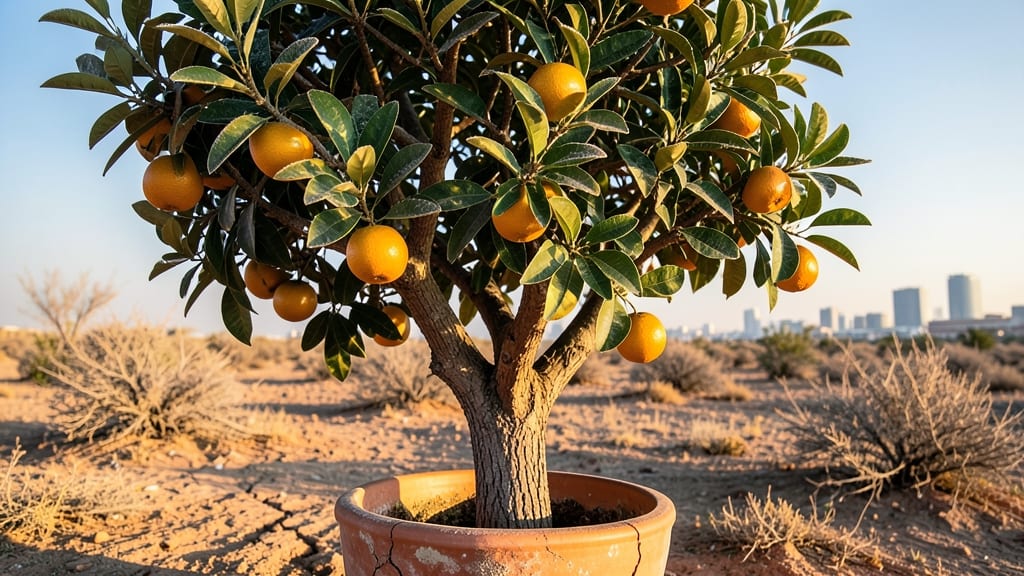
If you love citrus but live in a cold desert climate or urban heat island, Barbadine citrus is your game-changer. This hardy variety thrives with half the water of traditional citrus, making it perfect for drought-prone gardens or container growing in hot cities.
Unlike delicate lemon or lime trees, Barbadine tolerates temperatures down to 15°F, producing tart, aromatic fruit that's ideal for marmalade or fresh eating. Plant in well-draining soil with morning sun and water deeply only once every 2-3 weeks after establishment. Its compact size (8-10 feet) makes it ideal for patios or small yards.
This citrus is especially great for gardeners in USDA zones 7-10 who want flavorful fruit without the high maintenance. Try growing it in a large pot for easy mobility or as a focal point in desert landscapes. 🌻
Prickly Pear Cactus Fruit
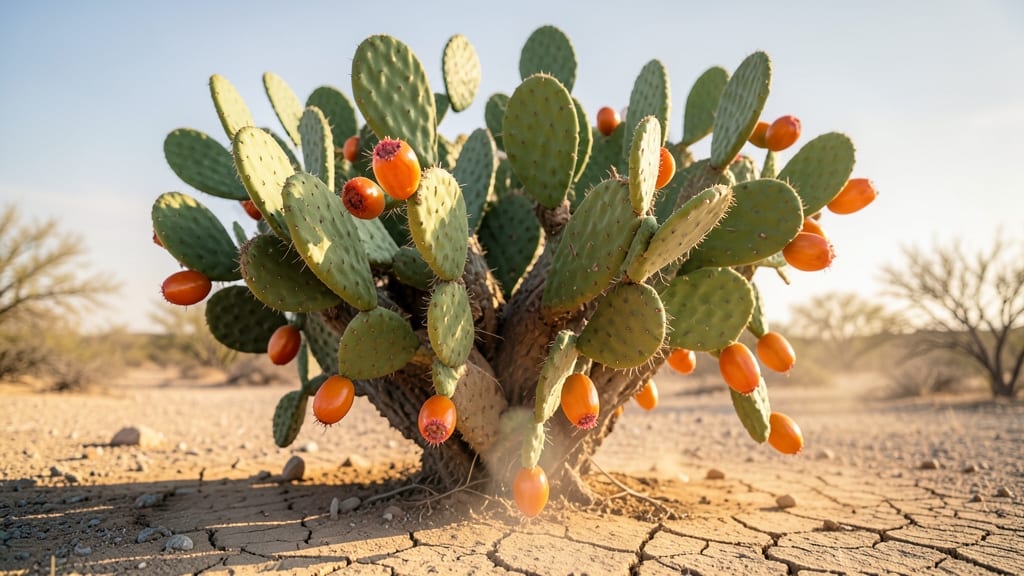
Transform your desert landscape into a pollinator paradise with prickly pear cactus—a fruit-bearing plant that thrives without a drop of irrigation after establishment. This hardy succulent produces vibrant, edible fruit packed with vitamin C, making it a dual-purpose powerhouse for both beauty and harvest.
Once rooted, prickly pear requires zero supplemental water, making it ideal for living fences or drought-prone borders. The bright pink or red fruit (called tunas) ripens in late summer and attracts bees, butterflies, and hummingbirds, boosting your garden’s biodiversity. Simply harvest the fruit by cutting it from the pads—no thorns needed if you wear gloves!
Perfect for gardeners in USDA zones 9-11, this plant also tolerates poor soil and full sun exposure. Whether you’re creating a low-maintenance edible hedge or adding a splash of color to your xeriscape, prickly pear delivers year-round interest with minimal effort. 🌻
Loquat Trees for Warm Zones
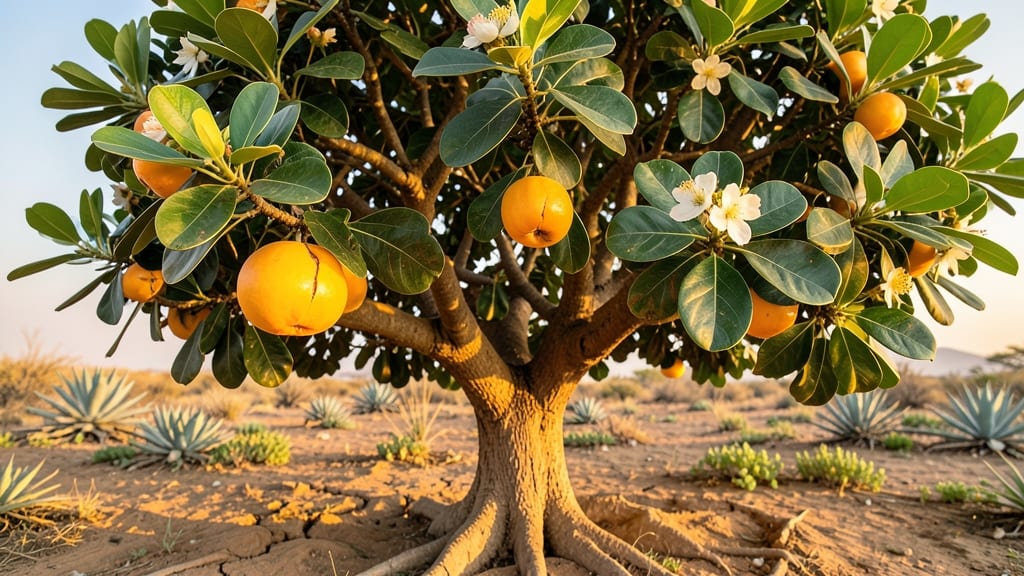
Looking for a fragrant, fast-growing fruit tree that thrives in desert heat without constant watering? The loquat tree delivers sweet, apricot-like fruit while adding year-round greenery to small spaces.
Native to Southeast Asia but perfectly adapted to USDA zones 8-11, loquat trees establish deep roots quickly, reducing water needs after the first year. They produce white, fragrant blossoms in winter followed by small, sweet fruit that ripens in spring. Prune lightly after harvest to maintain shape and encourage more fruit production.
Perfect for urban courtyards or desert yards, loquat trees offer both beauty and bounty with minimal effort. Their compact size makes them ideal for containers too! 🌟
Mulberry Trees in Dry Soil
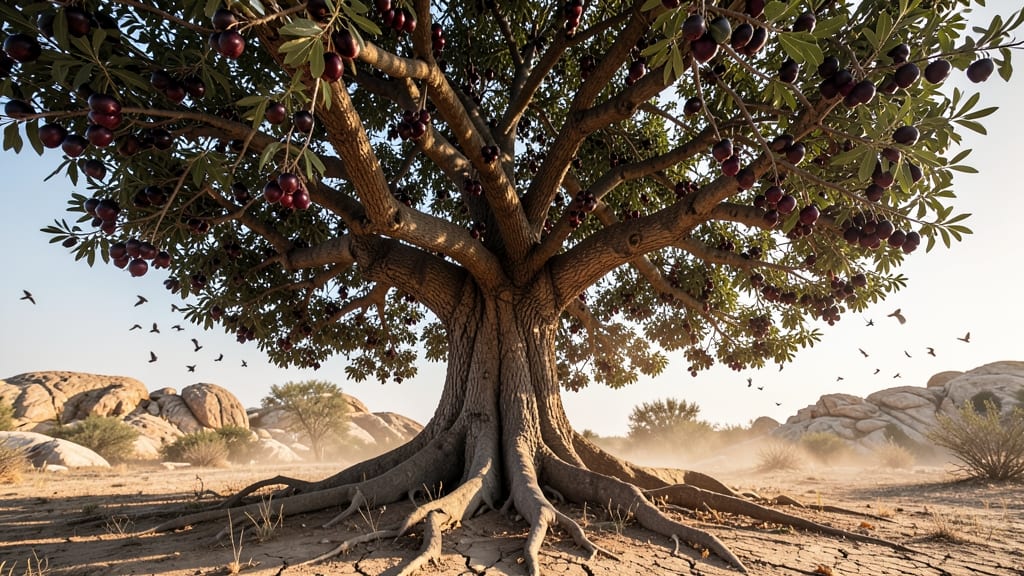
Looking for a fast-growing fruit tree that thrives in dry soil while supporting local wildlife? Mulberry trees deliver on all counts with their deep roots and drought-resistant nature, making them a standout choice for desert permaculture projects.
These trees produce black or red fruit that birds and insects adore, while their extensive root systems help prevent soil erosion. Plant them in well-draining soil with full sun exposure, and water deeply only during the first growing season. Once established, they require minimal irrigation—ideal for water-conscious gardeners.
Perfect for food forests or permaculture designs, mulberries also provide shade and improve soil health over time. Their rapid growth means you'll enjoy fruit within just a few years—without the water demands of traditional fruit trees. 🌟
Sour Orange Trees for Low-Water Use

Looking for a citrus tree that thrives in desert conditions without constant watering? The sour orange tree delivers fragrant blossoms and tart fruit while requiring almost no irrigation once mature—making it a standout for traditional desert orchards or container growing.
This hardy citrus variety tolerates poor, rocky soil and drought conditions once established, with deep roots that access moisture deep underground. Plant in full sun for best results, and expect fragrant white flowers in spring followed by small, tart oranges perfect for marmalade or fresh eating. Prune lightly to maintain shape and encourage airflow.
Perfect for gardeners in USDA zones 8-10, sour orange trees also work beautifully in large containers, making them ideal for patios or small urban spaces. Their resilience and dual-purpose beauty (fruit + fragrance) make them a must-have for water-wise citrus lovers. 🌻