
Vegetables
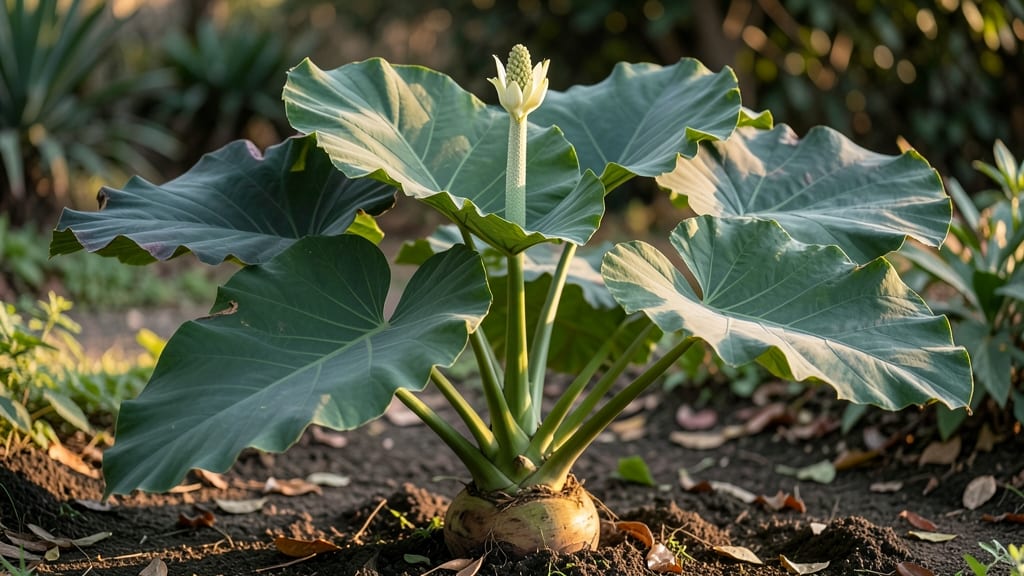
Elephant ears fruit, also called Colocasia esculenta or taro, produces edible corms and leaves, identifiable by large, heart-shaped leaves and arrowhead-shaped edible tubers. Harvest when leaves yellow or corms reach 3-4 inches in diameter for optimal flavor and texture.
This tropical plant thrives in warm climates and produces two edible parts: the starchy corms (underground tubers) and the tender leaves, which are often used in Asian cuisine. 🌿 The corms are rich in carbohydrates and fiber, while the leaves contain vitamins A and C, though they require thorough cooking to neutralize oxalates.
Many gardeners grow elephant ears for their dramatic foliage, but the real treasure is underground—those arrowhead-shaped tubers pack a nutty, slightly earthy flavor when prepared properly.
When harvesting, timing matters. The corms grow best in moist, well-drained soil and prefer full sun to partial shade. Once they reach the right size, dig carefully to avoid damaging the delicate tubers.
After harvest, store them in a cool, dark place for up to several months, or cook them fresh for dishes like taro chips, tempura, or traditional Polynesian poi.
The leaves, meanwhile, can be stir-fried or used in soups, though they must be cooked thoroughly to break down their natural toxins.
💡 In This Article
- Identifying and Growing Elephant Ears Fruit in Gardens
- Cooking and Safety Tips for Elephant Ears Fruit
Identifying and growing elephant ears fruit in gardens
Elephant ears fruit, scientifically known as Colocasia esculenta, gets its name from the massive, glossy leaves that can grow up to 5 feet long and resemble an elephant's ears. The real prize lies underground: arrowhead-shaped corms that develop from the plant's rhizome system.
These corms grow in clusters and typically reach 3-6 inches in diameter when mature, with a smooth, brownish skin that protects the starchy interior. The leaves themselves are heart-shaped with prominent veins and a waxy texture that helps them retain moisture in tropical climates.
The plant thrives in USDA hardiness zones 8-11, where temperatures stay above 50°F year-round. It demands rich, organic soil with high moisture retention—think of a mix that combines 60% garden soil, 30% compost, and 10% sand for drainage.
Full sun to partial shade works best, with at least 6 hours of sunlight daily. What makes this plant unique is its ability to grow in waterlogged conditions, thanks to specialized root structures that prevent rot.
In cooler climates, gardeners often grow it as an annual or overwinter the corms indoors.
Propagation happens through two methods: dividing mature corms or planting whole corms. For division, carefully separate the corms in early spring, ensuring each piece has at least one growth bud.
Plant them 2-3 inches deep with the bud facing upward, spacing them 2-3 feet apart to allow room for leaf expansion. Whole corms should be planted similarly, with the top third exposed above soil to prevent rot.
Watering is critical—keep the soil consistently moist but not soggy, especially during the first 4-6 weeks of growth when roots establish.
One common mistake is overwatering, which can lead to fungal diseases like leaf blight. The plant's large leaves create a dense canopy that traps moisture, creating ideal conditions for pathogens.
To prevent this, space plants properly and avoid overhead watering. 🌱 Another key factor is soil pH, which should range between 5.5-7.0. Acidic soil can inhibit corm development, while overly alkaline conditions may reduce nutrient uptake.
Amending soil with lime or sulfur can help maintain the ideal balance for healthy growth.
Harvesting happens when the leaves begin to yellow or when corms reach 3-4 inches in diameter—this usually occurs 90-120 days after planting. To harvest, gently loosen the soil around the plant with a fork and lift the corms carefully.
The corms themselves have a nutty, slightly sweet flavor when cooked, while the leaves offer a mild, spinach-like taste. What many growers don't realize is that the plant continues producing new corms even after the first harvest, making it a productive crop for multiple harvests in a single season.
For those in cooler climates, overwintering corms is essential. After the first frost, cut back the foliage and dig up the corms. Cure them in a dry, shaded area for 2-3 days to harden the skin, then store them in a cool, dark place (around 50-60°F) with high humidity.
With proper storage, these corms can last 3-6 months, allowing you to replant them the following spring and enjoy another bountiful harvest.