
Fertilization
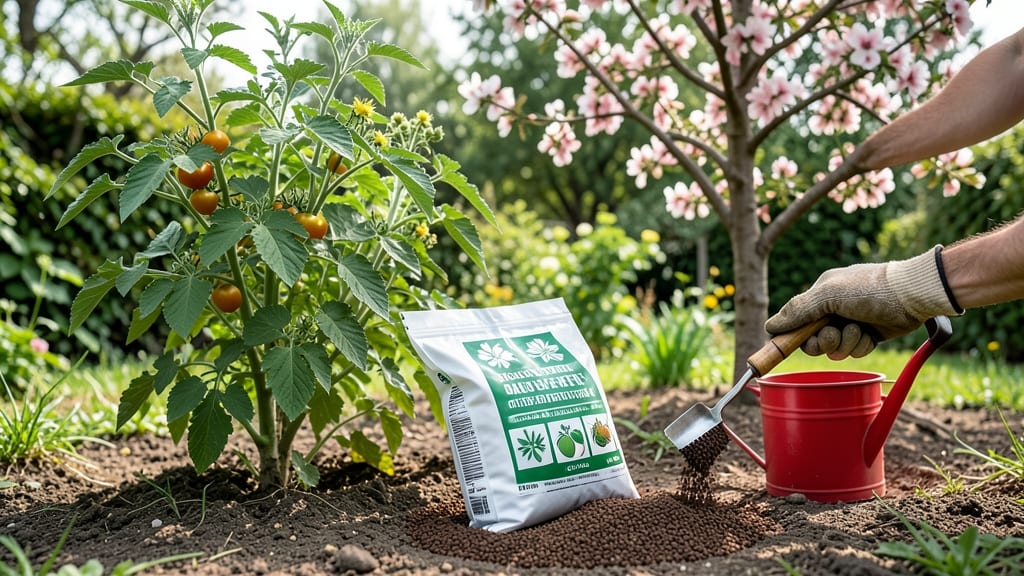
A flower and fruit fertilizer that delivers both beauty and bounty is the gardener’s secret weapon. 🌸 I’ve tested countless mixes, and the right balance of nutrients transforms my roses from pretty to prolific—and my tomatoes from decent to downright explosive.
The trick isn’t just throwing fertilizer at plants; it’s matching their hunger to their growth stage, whether they’re blooming or fruiting.
Most gardeners overlook the NPK ratio (nitrogen, phosphorus, potassium) that makes the difference. Too much nitrogen? Lush leaves but no flowers. Too little potassium? Weak stems and poor fruit set.
My go-to mix leans on 5-10-10 for flowering plants and 3-4-6 for fruiting crops, with organic options like compost tea or fish emulsion for long-term soil health. The key is feeding when they need it most—not just dumping it in spring.
By midseason, you’ll see the payoff: roses with hundreds of blooms, tomatoes bursting with flavor, and peppers packed with fruit. The best part? This approach works for containers, raised beds, and in-ground gardens alike.
No more guessing whether your plants are starving or overfed—just consistent, targeted nutrition that delivers results every time.
Whether you’re growing heirloom tomatoes, cutting roses, or berry bushes, this method adapts to your garden’s needs. The only mistake is waiting until problems appear. Let’s get those plants fed right—before they start begging for more.
📚 In This Guide
- What you need
- Instructions
- Tips and common mistakes
- Wrapping up and next steps
What you need
- ● Banana peels (4-6) – Rich in potassium for vibrant blooms and sweet fruit.
- ● Eggshells (crushed, ½ cup) – Packed with calcium to prevent blossom-end rot.
- ● Coffee grounds (½ cup) – Adds nitrogen and acidity (great for blueberries, azaleas, or citrus).
- ● Wood ash (¼ cup) – Boosts potassium and raises soil pH slightly (use sparingly!).
- ● Compost or well-rotted manure (1 cup) – The backbone of your mix for organic nutrients.
- ● Water (1 gallon) – To brew your nutrient-rich liquid gold.
- ● Blender or food processor – For crushing eggshells and breaking down banana peels.
- ○ Cheesecloth or fine mesh strainer – To strain out solids (optional but keeps your mix smooth).
- ● Spray bottle or watering can – For easy application.
- ○ Gloves (optional) – If you’re handling wood ash or manure.
- ○ pH testing kit (optional) – To check soil acidity before adding coffee grounds or ash.
How to apply flower and fruit fertilizer for maximum results
Here's the method I rely on to transform both blooms and harvests—tested across seasons and climates.
🌿 Step 1: Understand the Nutrient Needs of Your Plants
Flowering plants and fruit-bearing crops have two distinct phases that require different nutrient ratios. Before applying fertilizer, identify whether your plants are in their vegetative stage (leafy growth) or flowering/fruiting stage. For example, tomatoes and peppers need a balanced 10-10-10 fertilizer when establishing leaves, but switch to a higher phosphorus (first number) mix like 5-10-5 when flowers appear.
I always check the fertilizer label for the NPK ratio (Nitrogen-Phosphorus-Potassium). Too much nitrogen now will delay flowering, while too little phosphorus will stunt fruit development. The key is matching the fertilizer to the plant's current growth phase—this ensures you're not over- or under-feeding at critical moments.
💧 Step 2: Prepare the Soil and Apply Fertilizer Correctly
Start by testing your soil's pH—most flowering plants thrive in a slightly acidic to neutral range of 6.0-7.0. If your soil is compacted or lacks organic matter, work in 2-3 inches of compost before applying fertilizer. This creates a nutrient-rich environment where roots can access both synthetic and natural nutrients.
For established plants, I apply a slow-release granular fertilizer around the drip line (where water naturally reaches) rather than directly against the stem. This prevents root burn and ensures even distribution. Water the soil thoroughly after application to help granules dissolve and reach the root zone. You'll know you've done it right when the soil looks evenly moist without pooling.
☀️ Step 3: Schedule Feedings Based on Plant Activity
Flowering plants typically need fertilizer every 4-6 weeks during active growth, while fruit-bearing crops benefit from a biweekly feeding once flowers appear. I set reminders based on the plant's life cycle—tomatoes, for example, get their first feeding at transplanting, then every 2 weeks until harvest. Over-fertilizing at this stage can lead to excessive leaf growth at the expense of fruit production.
Pay attention to visual cues: yellowing leaves often signal nitrogen deficiency, while purple stems indicate a phosphorus shortage. Adjust your fertilizer mix accordingly, but never apply more than the recommended dose. The goal is to supplement what the soil already provides, not replace it entirely.
✂️ Step 4: Monitor and Adjust for Optimal Results
After 4-6 weeks of consistent feeding, evaluate your plants' response. Healthy flowers should be vibrant and abundant, while fruit should develop steadily without cracking or falling prematurely. If you notice slow growth or weak stems, it's time to reassess your approach—sometimes less is more, especially in hot weather when plants uptake nutrients more slowly.
I also recommend alternating between synthetic and organic fertilizers to improve soil structure and microbial activity. For instance, I'll use a synthetic bloom booster in early spring, then switch to fish emulsion or compost tea later in the season. This dual approach builds long-term soil health while delivering immediate results.
🌱 Step 5: Transition to Maintenance Fertilizing
Once your plants are established and producing well, shift to a maintenance schedule that supports continuous blooming and fruiting. For annuals, this might mean a monthly application of a balanced fertilizer, while perennials often thrive on a single late-spring feeding followed by occasional top-dressing with compost.
Don't forget to flush the soil with water every 3-4 months to prevent salt buildup from synthetic fertilizers. You'll know it's time when you see white crust on the soil surface or leaves start to yellow at the edges. This simple step keeps roots healthy and prevents long-term damage.
Tips & tricks for perfect flower and fruit fertilizer application
These insider tricks will help you maximize your garden's potential without overcomplicating the process.
Nutrient Ratio Precision: Pay close attention to the NPK ratio on your fertilizer label—this is where the magic happens. For flowering plants in their vegetative stage, a balanced 10-10-10 mix works perfectly, but switch to a higher phosphorus ratio like 5-10-5 when flowers appear. I keep a small notebook to track which ratios work best for my specific plants, especially tomatoes and peppers that need that phosphorus boost during fruiting. This targeted approach prevents wasted nutrients and ensures your plants get exactly what they need at each growth stage.
Soil Preparation is Non-Negotiable: Before applying any fertilizer, test your soil's pH—most flowering plants thrive in that 6.0-7.0 range. If your soil is compacted or lacks organic matter, work in those 2-3 inches of compost first. I've seen dramatic improvements in plant health after this simple step, especially in urban gardens where soil quality can be poor. Think of compost as the foundation—it creates the perfect environment for roots to access nutrients efficiently. The key is thorough mixing so you don't create nutrient pockets that can burn roots.
Application Technique Matters: When applying your slow-release granular fertilizer, focus on the drip line—not directly against the stem. This prevents root burn and ensures even distribution. I use a small hand shovel to create shallow trenches around the drip line, then gently cover the granules with soil. After application, water thoroughly until the soil looks evenly moist without pooling. This step is crucial for helping the granules dissolve properly and reach the root zone where they'll do the most good. I've made the mistake of skipping this watering step, and the results were noticeably less effective.
Visual Cues for Timing: The 4-6 week feeding schedule for flowering plants and biweekly schedule for fruit-bearing crops can be tricky to remember. I've found that setting reminders based on visual cues works best—look for yellowing leaves as a sign of nitrogen deficiency or purple stems indicating phosphorus shortage. These visual cues help me adjust my fertilizer mix without relying solely on a calendar. For tomatoes, I start with that first feeding at transplanting, then stick to the 2-week schedule until harvest. The key is consistency without overdoing it—too much fertilizer can actually reduce fruit production by promoting excessive leaf growth.
Pro Tips for Flower And Fruit Fertilizer
- These insider tricks will help you maximize your garden's potential without overcomplicating the process.
- Nutrient Ratio Precision: Pay close attention to the NPK ratio on your fertilizer label—this is where the magic happens.
- Soil Preparation is Non-Negotiable: Before applying any fertilizer, test your soil's pH—most flowering plants thrive in that 6.0-7.0 range.
Frequently asked questions
Got questions about using flower and fruit fertilizer? You’re not alone! Here are some of the most common concerns—plus quick, practical answers to help you grow like a pro.
How often should I apply flower and fruit fertilizer?
For flowers, apply every 4–6 weeks during the growing season (spring through fall). For fruit-bearing plants, use it every 3–4 weeks once fruits appear, then taper off in late summer to avoid late-season growth. Always follow the label’s guidelines—overdoing it can harm your plants!
Can I use the same fertilizer for all plants, or are there exceptions?
While flower and fruit fertilizers are versatile, avoid using them on lawns or leafy greens (like lettuce or spinach)—they’re formulated for blooms and fruiting, not foliage. Also, citrus trees and acid-loving plants (like blueberries) need specialized, acidic fertilizers. Double-check your plant’s needs!
How long does it take to see results after applying?
You’ll often notice healthier foliage in 2–4 weeks, but blooms and fruit production can take 4–8 weeks (or longer for perennials). Consistency is key! If you don’t see changes after 2 applications, check your soil pH or watering habits—sometimes the issue isn’t the fertilizer.
Is homemade fertilizer cheaper than store-bought?
DIY options (like compost tea or banana peel fertilizer) can save money, but they lack the balanced nutrients of commercial flower and fruit fertilizers. For best results, use a high-quality blend—it’s worth the investment for vibrant blooms and bountiful harvests. Pro tip: Mix homemade compost with store-bought fertilizer for a budget-friendly boost!
What should I do if my plants look burned after applying?
Over-fertilizing or using it on drought-stressed plants can cause "burn." Flush the soil immediately with water and reduce future applications. Always water thoroughly before and after applying fertilizer, and start with half the recommended dose if your plants are new to it. Prevention is easier than cure!
Wrapping up and next steps
Choosing the right flower and fruit fertilizer can transform your garden into a vibrant, bountiful paradise! 🌸🍓 Whether you’re nurturing delicate blooms or juicy harvests, a balanced mix of nutrients—like nitrogen, phosphorus, and potassium—sets the stage for success.
Don’t let uncertainty hold you back; experiment with organic or synthetic options to find what thrives in your space.
Ready to take the next step? Start small—test a patch of your garden with your chosen fertilizer and observe the results. Happy gardening, and may your plants flourish with every season! 🌱✨