
Plants
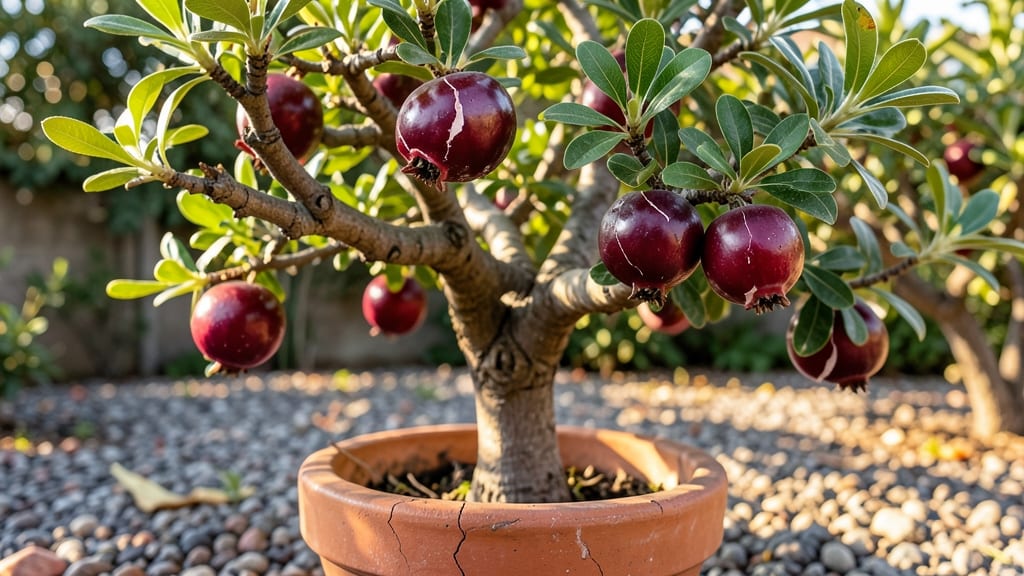
Sun-loving fruits like apricots thrive in warm climates and offer sweet, stone-fruit flavors perfect for home orchards. These 10 varieties share apricot’s sun-kissed appeal while bringing unique textures, colors, and growing benefits to your garden.
Peaches with Freestone Pit Varieties
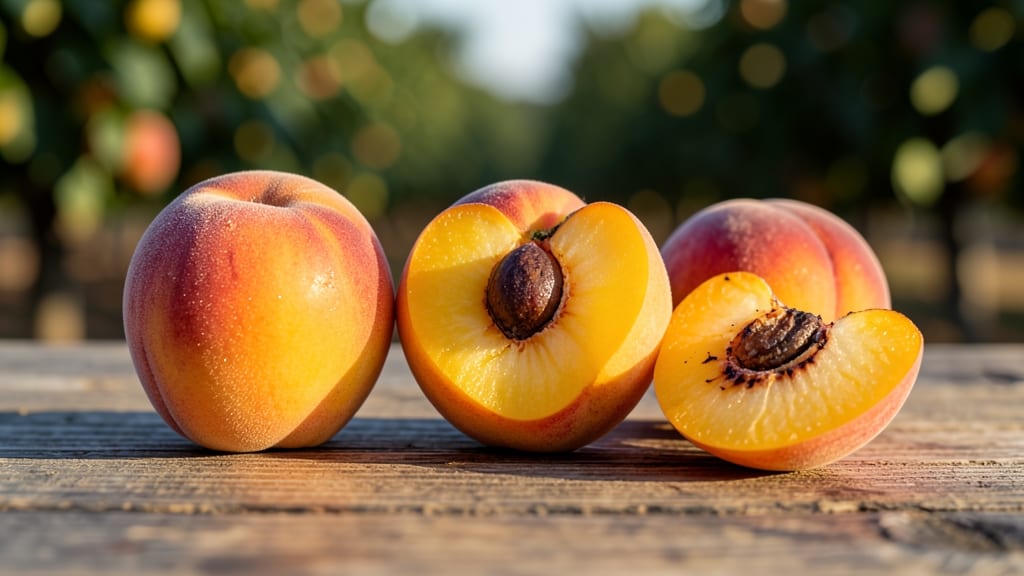
If you love the apricot’s honeyed sweetness but want a fruit that stays fresh longer, freestone peaches are your perfect match. Unlike clingstone varieties, these peaches separate easily from their pits—making them ideal for fresh eating, canning, or even grilling without the hassle of stubborn flesh clinging to the stone.
Freestone peaches like Elberta or Redhaven ripen 2-3 weeks after apricots, giving you an extended harvest window. Plant them in full sun with well-draining soil and space them 15-20 feet apart to ensure proper airflow. Their disease-resistant strains (like Contender) thrive in USDA zones 5-9, and a single tree can produce 50-100 pounds of fruit per season with proper care.
Gardeners in warmer climates will especially appreciate their late-summer harvest, while urban growers can opt for dwarf varieties like Bonanza to fit small spaces. With minimal effort, you’ll enjoy apricot-like sweetness with a juicier, more versatile fruit. 🌟
Nectarines with Blush Skin Colors
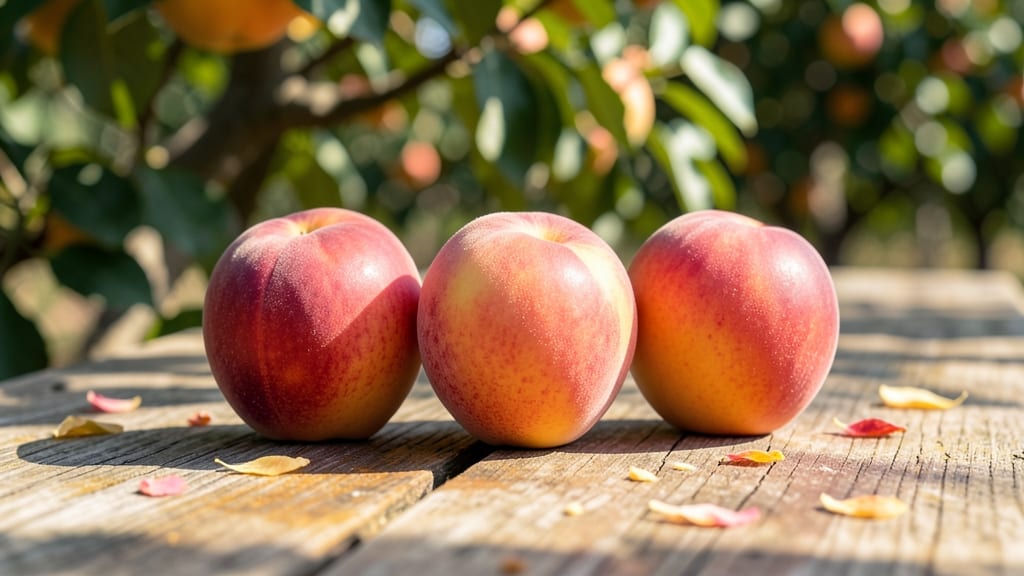
If you love the apricot-like sweetness of peaches but want a fruit with a firmer bite, nectarines are your perfect match. Their smooth, velvety skin—often adorned with a stunning blush pink or red hue—makes them as visually appealing as they are delicious.
Nectarines thrive in full sun (6-8 hours daily) and well-draining soil, much like apricots, but they’re slightly more cold-hardy, making them great for gardeners in USDA zones 5-9. Varieties like 'Fantasia' or 'Redglow' produce fruits that ripen in late summer, offering a longer harvest window than peaches. Their firmer texture holds up beautifully for snacking or even elegant desserts.
Perfect for small orchards or container growing, nectarines reward patient gardeners with low-maintenance care and striking seasonal color. 🌻
Plums with Yellow Flesh Varieties
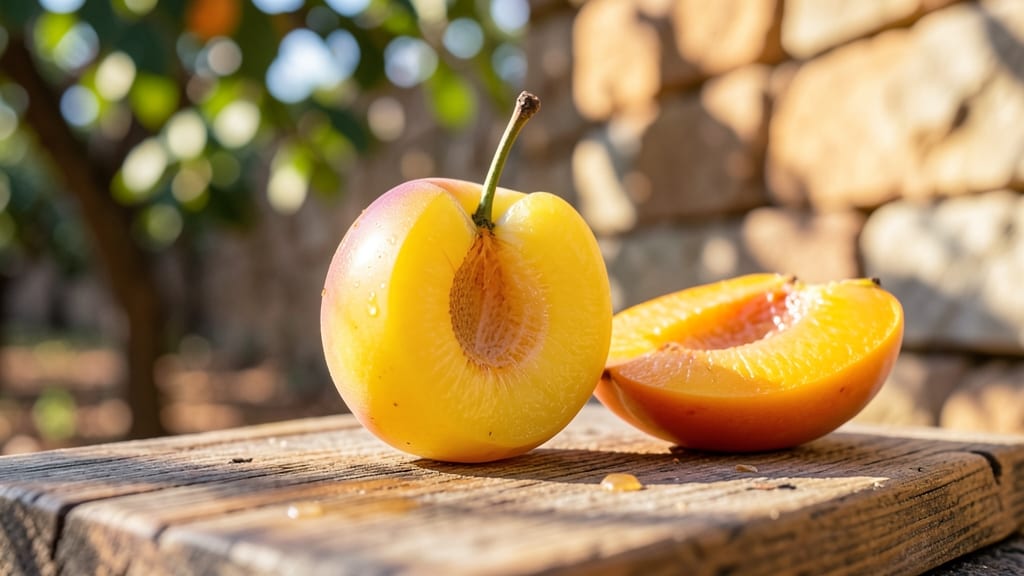
If you love the velvety sweetness of apricots but want a fruity twist with a tangy kick, yellow-fleshed plums like the famous Mirabelle are your perfect match. These plums thrive in the same warm climates as apricots, offering a juicy, apricot-like texture with a bright citrusy tang that elevates jams, desserts, or fresh snacking.
Mirabelle plums and similar varieties (such as Stanley or Golden Japan) require full sun (6-8 hours daily) and well-draining soil, making them ideal for Mediterranean or temperate climates. They’re self-pollinating, so you can plant just one tree for a bountiful harvest. Prune in late winter to encourage airflow, and expect fruit in 2-3 years for dwarf varieties or 4-5 years for standard trees.
Gardeners in small spaces or urban areas will love these compact trees—they produce abundant fruit with minimal space. Their vibrant yellow flesh also adds a cheerful pop to any kitchen or table. 🌻
Cherries with Late-Season Ripening
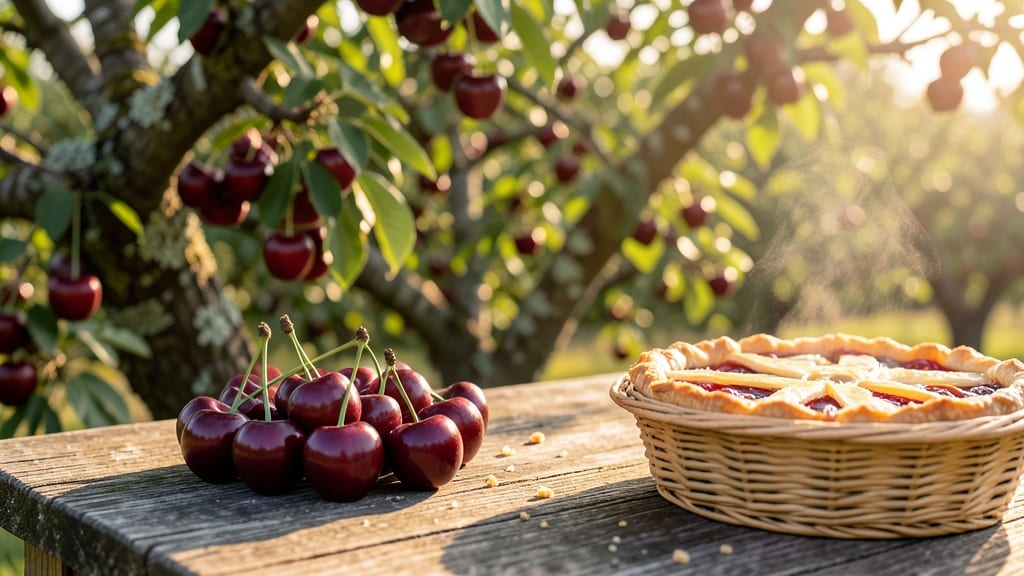
When your apricots have long since vanished from the table, late-ripening cherries like the Stella variety step in to extend your harvest season. These gems mature in late summer, offering a burst of sweetness that pairs perfectly with warm evenings and fresh-baked pies.
Stella cherries thrive in full sun (6-8 hours daily) and well-draining soil, making them ideal for gardeners in USDA zones 5-8. Their self-pollinating nature means you don’t need a second tree, and their compact size (12-15 feet tall) fits well in smaller orchards or even large containers. The deep red fruit resists cracking, a common issue with other varieties, and stores well for up to two weeks in the fridge.
This variety is a game-changer for home cooks and pie enthusiasts, delivering that perfect balance of sweetness and tartness. Perfect for beginners or those with limited space, Stella cherries bring a touch of old-world charm to modern gardens. 🌟
Apricots with Disease-Resistant Strains
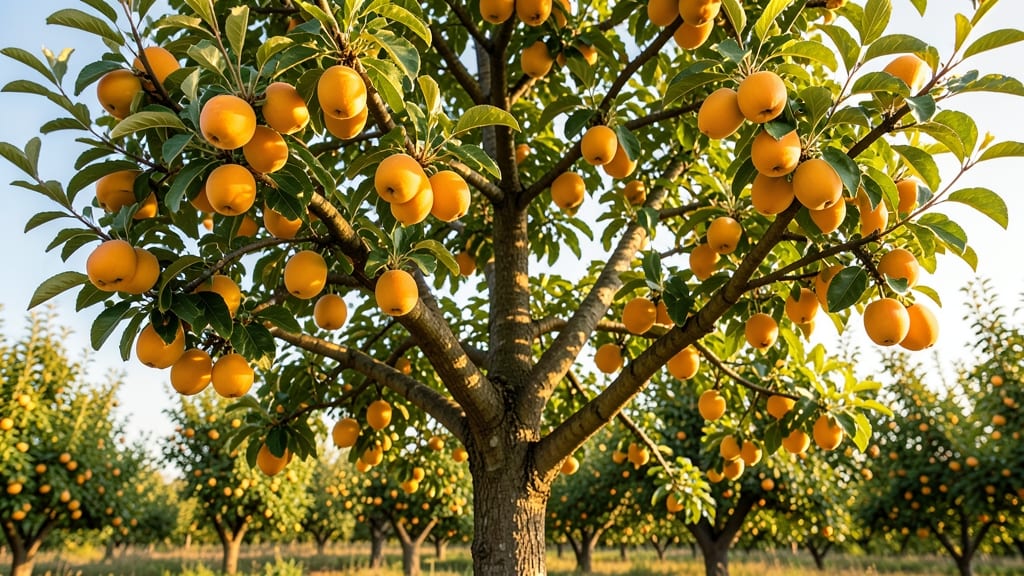
Tired of apricot trees succumbing to blight or powdery mildew? Disease-resistant hybrids like 'Goldmine' deliver the same sweet, velvety fruit without the chemical interventions, making them ideal for organic growers.
This modern variety resists common fungal diseases while thriving in USDA zones 5-9, producing fruit with apricot’s signature flavor but with a firmer texture. Plant in well-draining soil with 6-8 hours of sun daily, and prune annually to improve airflow—key for disease prevention.
Perfect for small orchards or urban yards, these trees bear fruit in 2-3 years and require minimal spraying, saving time and money. 🌱
Persimmons with Non-Astringent Varieties
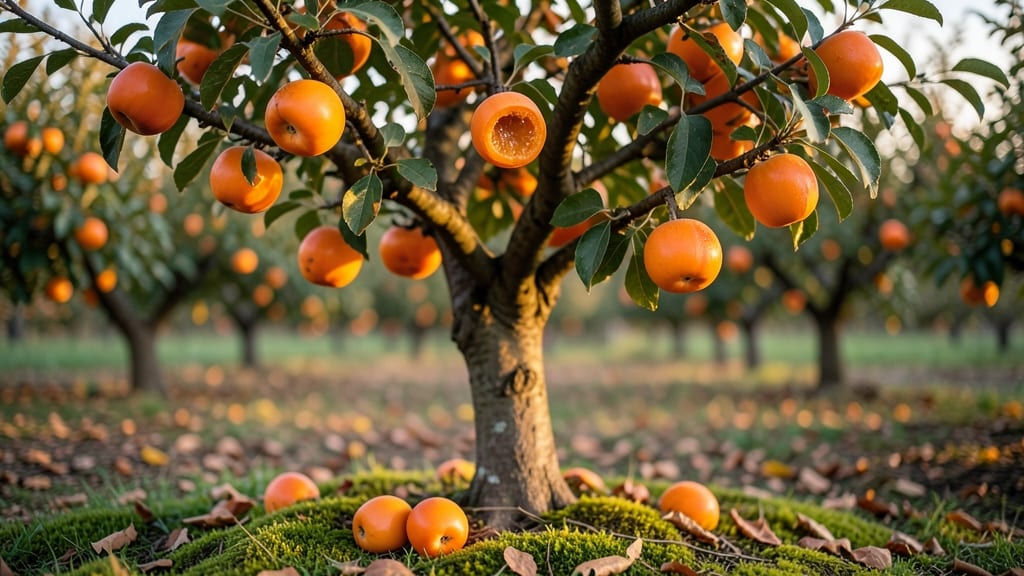
If you crave apricot-like sweetness without the fuss of astringent aftertastes, Fuyu persimmons are your perfect match. Unlike their bitter cousins, these non-astringent varieties ripen to a honeyed flavor when fully orange—ideal for snacking straight off the tree or adding to salads.
Thriving in USDA zones 7-10, Fuyu persimmons demand full sun and well-drained soil, making them perfect for warm climates like the Southeast or California. Their stunning orange-red foliage adds seasonal interest even after fruit harvest, and they’re self-pollinating for easy growing. Plant in early spring for a fall harvest that rivals apricot trees in sweetness and beauty.
These persimmons shine in small gardens or containers, offering year-round ornamental value with their striking bark and winter hardiness. Perfect for gardeners who want both fruit and foliage impact without the maintenance of traditional stone fruits. 🌻
Loquats with Early Spring Harvest
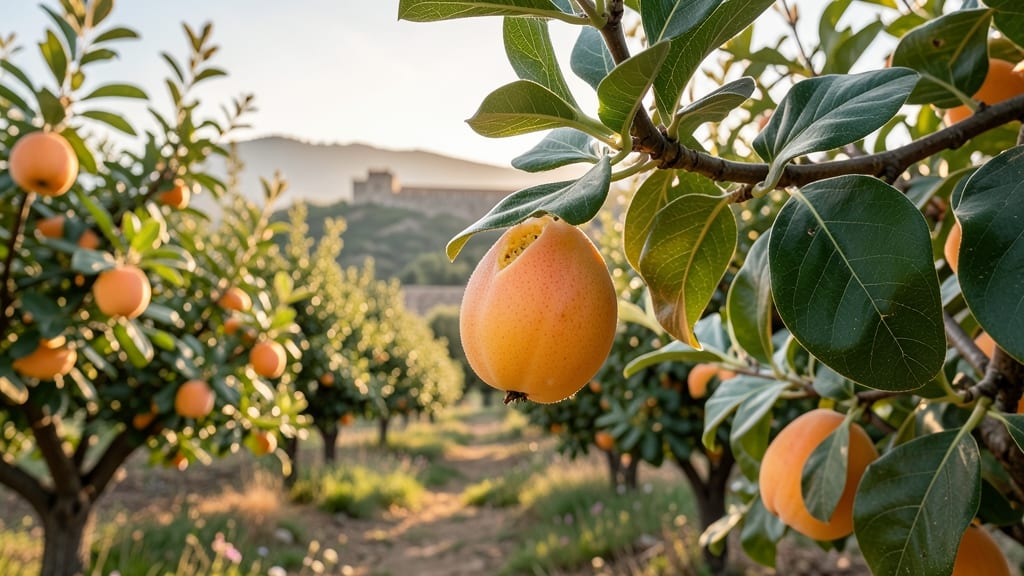
Want a spring harvest that beats the summer heat? Loquats like the 'Big Jim' variety deliver apricot-sized fruits as early as February in Mediterranean climates, giving you a head start on fresh fruit. These tropical gems thrive where traditional stone fruits struggle, offering a citrusy-sweet flavor that pairs beautifully with breakfast or desserts.
Plant loquats in well-draining soil with full sun exposure and minimal water once established—they’re drought-tolerant once mature. The 'Big Jim' variety produces abundant crops with minimal care, making it ideal for low-maintenance gardens. Prune lightly after harvest to encourage next year’s fruit production and enjoy year-round ornamental value with glossy, dark green foliage.
Perfect for urban gardeners or those with limited water resources, loquats bring early rewards and tropical flair without the fuss of high-maintenance stone fruits. 🌱
Mangos with Cold-Hardy Varieties
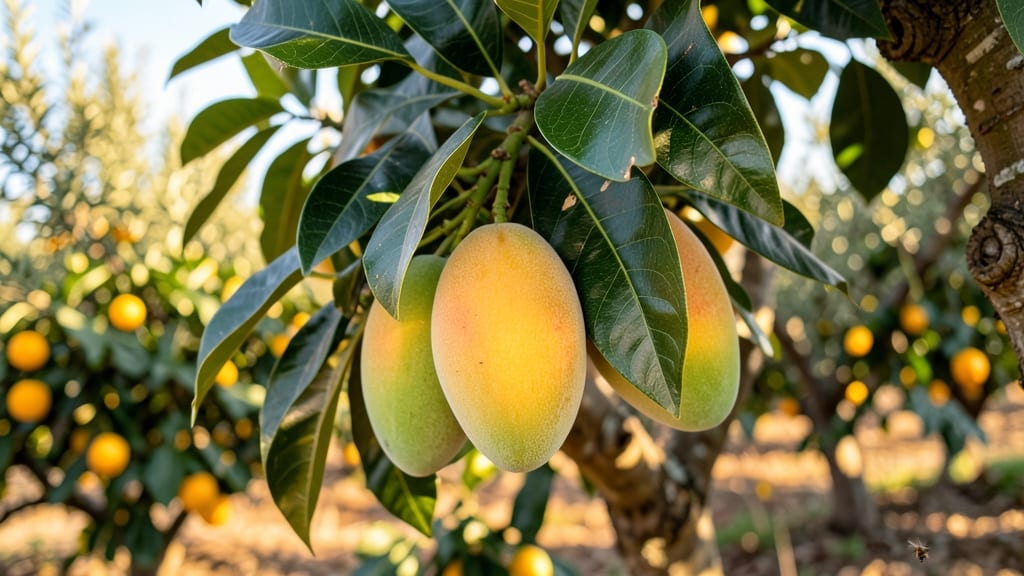
If you crave tropical flavors but live in USDA zones 8-10, the 'Julie' mango variety might just become your new favorite fruit. Unlike traditional mangos that require subtropical climates, this cold-hardy cultivar thrives in warmer temperate zones while delivering a flavor profile that blends apricot-like sweetness with tropical complexity.
This dwarf variety matures quickly—typically within 3-5 years—and produces vibrant, deep-orange fruits with a rich, honeyed taste. To maximize production, plant in full sun with well-draining soil and protect young trees from strong winds. The compact growth habit makes it ideal for containers or small gardens, offering a tropical twist without the space commitment.
Gardeners in urban areas with microclimates or those seeking an early harvest will appreciate how 'Julie' mangos ripen earlier than traditional varieties. Perfect for snacking, smoothies, or gourmet dishes, this fruit brings a taste of the tropics to your backyard. 🌻
Pawpaws with Unique Custard Texture
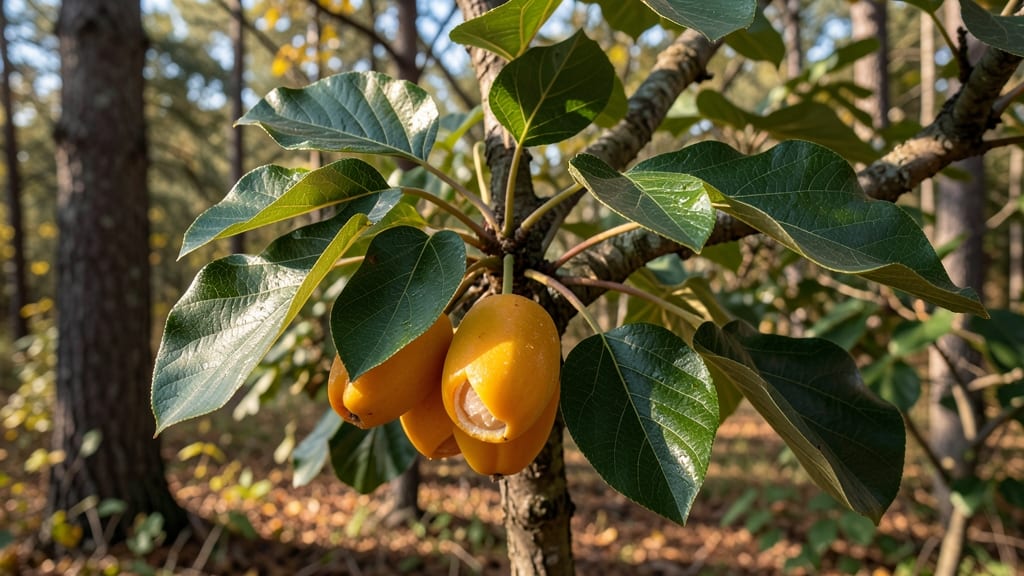
If you crave tropical flavors but live in cooler climates, pawpaws are nature’s hidden gem. This native North American fruit delivers a creamy custard-like texture and sweet, mango-like flavor—perfect for those who love apricots but want something uniquely local.
Pawpaw trees thrive in USDA zones 5-9, handling temperatures as low as -25°F, and prefer partial shade, making them ideal for understory planting. Their large, tropical leaves create a lush canopy while providing shade for understory plants like ferns or hostas. For best results, plant in well-draining, slightly acidic soil and expect fruit in 3-5 years.
Perfect for permaculture gardens or woodland edges, pawpaws offer year-round interest—from fragrant spring blooms to vibrant fall foliage. 🌱
Pomegranates with Compact Growth Habits

If you’ve ever dreamed of growing a pomegranate but lack space or worry about watering demands, dwarf varieties like ‘Wonderful’ are your solution. These compact trees produce apricot-sized arils with intense sweetness—perfect for small patios, containers, or drought-prone gardens.
Dwarf pomegranates thrive in full sun (6+ hours daily) and tolerate poor soil, making them ideal for urban gardeners or arid climates. Prune lightly in late winter to maintain shape, and expect fruit in 2–3 years after planting. Their striking deep red blooms and glossy foliage add seasonal drama too.
Urban gardeners and Mediterranean climate growers will love how these low-maintenance trees deliver year-round interest—from spring flowers to winter fruit. 🌟