
Planting
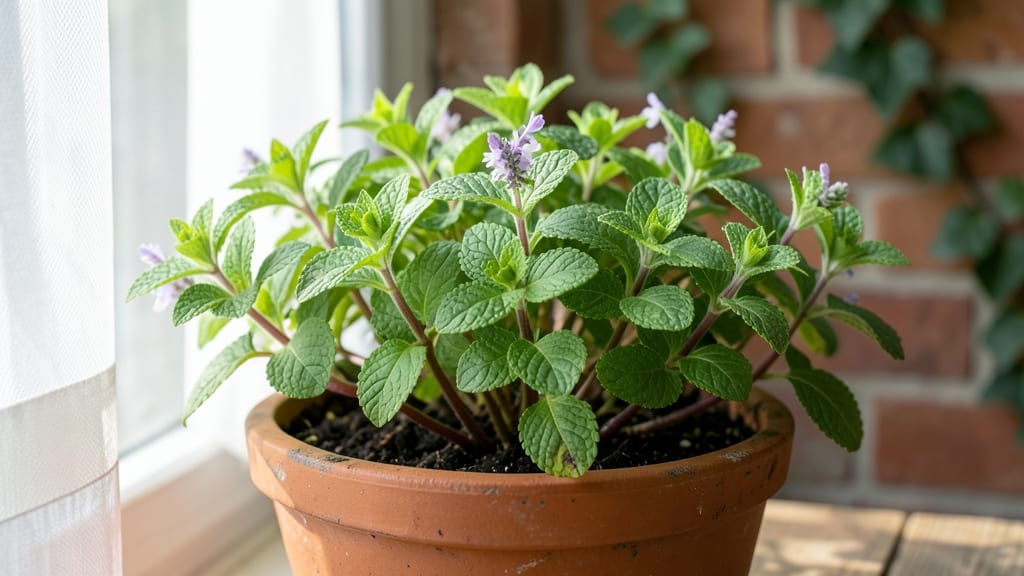
Growing the grapefruit mint plant means waking up to a garden that smells like a tropical morning. 🌿 This zesty hybrid thrives where regular mint would wilt, loving full sun instead of shade—perfect for sunny patios or kitchen windows.
The secret to its bold citrus-mint flavor? Giving it exactly what it craves: hotter light, well-draining soil, and regular pruning to keep it compact.
You’ll need just three things to get started: a sunny spot with at least 6 hours of direct light, a pot with drainage holes (or rich garden soil), and a pair of pruners.
Unlike its delicate cousins, grapefruit mint handles heat and drought better, making it the ideal herb for hot climates or forgetful gardeners. The first harvest comes in just 8-10 weeks—plenty of time to enjoy fresh leaves in teas or cocktails.
What you’ll end up with is a plant that multiplies effortlessly, spreading into lush, fragrant clumps. The leaves release that signature grapefruit-mint aroma when brushed, and the flavor is bright, citrusy, and far more complex than store-bought mint.
Prune it back by a third after flowering to encourage bushier growth, and watch it bounce back stronger than ever.
Works equally well in containers or garden beds, and thrives in USDA zones 5-11. The biggest challenge? Keeping it contained—this mint spreads fast. But with a little effort, you’ll have an herb that’s both beautiful and endlessly useful, all while adding a tropical vibe to your garden.
📚 In This Guide
- What you need
- Instructions
- Tips and common mistakes
- Wrapping up and next steps
What you need
- ● Grapefruit mint seeds or cuttings – 5–10 seeds (if starting from scratch) or 2–3 healthy cuttings (4–6 inches long) from a mature plant.
- ○ Well-draining potting soil – A high-quality mix with perlite or sand (avoid heavy clay soil). Optional: Add a handful of compost for extra nutrients.
- ● Containers or garden bed – For containers: 6–8 inch pots (with drainage holes) for seedlings or small plants.
- ● For outdoor planting: A sunny spot with at least 6 hours of direct sunlight daily and loose, fertile soil.
- ● Watering can or spray bottle – For gentle hydration (avoid soggy soil!).
- ● Gloves – Protect your hands from soil and sharp mint stems.
- ● Trowel or small shovel – For transplanting or digging holes.
- ○ Mulch (optional but helpful) – Straw or shredded leaves to retain moisture and suppress weeds.
- ○ Fertilizer (optional) – A balanced 10-10-10 or 20-20-20 liquid fertilizer (diluted to half-strength).
- ● Pro tip: Mint thrives on nitrogen, so a light dose of fish emulsion can give it a boost!
- ● Pruning shears – To keep your grapefruit mint bushy and prevent it from spreading too aggressively.
- ● A sunny location – Grapefruit mint loves heat and light (partial shade works in extreme climates).
- ● Patience – Seeds may take 2–4 weeks to germinate, while cuttings root in 1–2 weeks.
- ● Space management – Mint spreads quickly! If planting outdoors, use a container or bury a barrier (like a plastic pot) to contain roots.
Step-by-Step instructions for growing grapefruit mint
This sun-loving herb thrives in containers—here's how to grow bold, citrusy leaves that taste like dessert.
🪴 Step 1: Choose the Right Pot and Soil Mix
Pick a 6-8 inch wide container with drainage holes—grapefruit mint hates soggy roots. I use terracotta pots because they breathe and prevent rot. Fill the pot halfway with a mix of 50% potting soil and 50% perlite to keep it light and airy. This prevents compaction that smothers roots.
Gently press the mix down with your fingers until it's settled but still fluffy. You want it to hold moisture without becoming dense. The reason for perlite is simple: it mimics the well-draining conditions grapefruit mint loves in its native Mediterranean climate. Skip this step and you'll risk root rot.
🌱 Step 2: Plant Your Starter and Water Gently
Place your grapefruit mint starter in the center of the pot, spreading roots outward. Fill around it with more of your soil-perlite mix until the top of the root ball sits ½ inch below the rim. This prevents water from spilling over during irrigation.
Water immediately after planting until moisture runs out the drainage holes. You'll know it's right when the soil looks evenly damp but not saturated. Here's the thing—grapefruit mint is drought-tolerant once established, but young plants need consistent moisture to root properly. Let the top inch dry between waterings after the first week.
☀️ Step 3: Position for Maximum Sunlight
Move your pot to a spot with 6-8 hours of direct sun daily. A south-facing window or balcony works perfectly. Without enough light, the leaves will lose their vibrant color and citrusy flavor. You'll see the difference immediately—plants in full sun develop a deep green with purple undersides.
Rotate the pot a quarter turn weekly so the plant grows evenly. I know it seems like overkill, but uneven light causes lopsided growth. Watch for stems leaning toward the light—this is your signal to adjust. Grapefruit mint thrives in heat, so if your space gets above 85°F, move it to partial shade to prevent leaf scorch.
💧 Step 4: Maintain Moisture and Fertilize Lightly
Water when the top 1 inch of soil feels dry—about 2-3 times per week in summer. Stick your finger in the soil; if it's dry past your first knuckle, it's time. Overwatering is the #1 killer of container herbs, so let the soil dry slightly between waterings.
Feed every 4-6 weeks with a balanced liquid fertilizer diluted to half strength. I swear by this routine: the plant grows vigorously but never gets chemical burn from over-fertilizing. You'll notice new growth within two weeks—thick, glossy leaves that smell like grapefruit when crushed. That's your reward for proper care.
✂️ Step 5: Prune for Bushier Growth and Harvest
Pinch back the tips of new growth when stems reach 4-6 inches tall. This encourages bushier plants with more leaves. Use clean scissors to snip just above a leaf node. The plant will branch out within 2-3 weeks, giving you more harvests.
Harvest leaves anytime by snipping stems just above a leaf pair. Never take more than ⅓ of the plant at once—you'll stunt growth. The best time to harvest is morning, when oils are most concentrated. Crush a leaf between your fingers and take a deep breath—if it smells strongly of grapefruit, you're doing everything right.
Tips & tricks for perfect grapefruit mint growth
Between us, these little details make all the difference with grapefruit mint—it's the herb that smells like dessert and grows like a weed once you get it right.
Soil Mix Secret: That 50/50 soil-perlite blend in Step 1 isn't just random—it's what prevents the root rot that kills most container herbs. I've tried other mixes, and this combination keeps the roots happy while still holding enough moisture. Pro tip: If you don't have perlite, coarse sand works in a pinch, but it won't drain quite as well.
Watering Wisdom: The "top inch dry" rule in Step 4 is your golden standard, but here's what nobody tells you—stick your finger in the soil at the same time every day. Your plant will start sending you signals: if the soil feels cool and light, it's thirsty; if it's warm and heavy, it's been watered enough. In summer heat, I water mine every morning before sunrise to prevent evaporation.
Sunlight Strategy: Those 6-8 hours of direct sun in Step 3 are non-negotiable for that signature grapefruit flavor, but there's a trick: if your windows get harsh afternoon sun (especially above 85°F), move the pot to a shaded spot after 2 PM. The leaves will thank you with fewer brown spots and more vibrant color. I've watched plants go from pale to purple-green in just 48 hours when they get the right light.
Harvesting Hack: When you're ready to harvest in Step 5, don't just grab the biggest leaves—look for the ones with the most intense purple undersides. These are the flavor powerhouses! And here's a bonus: if you're using your mint for cocktails or desserts, harvest just before serving. The essential oils peak in concentration right after sunrise, which is why that morning harvest timing makes such a difference.
Pro Tips for Grapefruit Mint Plant
- Between us, these little details make all the difference with grapefruit mint—it's the herb that smells like dessert and grows like a weed once you get it right.
- Soil Mix Secret: That 50/50 soil-perlite blend in Step 1 isn't just random—it's what prevents the root rot that kills most container herbs.
- Watering Wisdom: The "top inch dry" rule in Step 4 is your golden standard, but here's what nobody tells you—stick your finger in the soil at the same time every day.
Frequently asked questions
Got questions about growing or caring for your grapefruit mint plant? You’re not alone! Here are some of the most common queries—plus quick, practical answers to keep your citrusy herb thriving.
How often should I water my grapefruit mint plant?
Water when the top inch of soil feels dry to the touch—usually every 2-3 days in hot, sunny conditions. Overwatering can lead to root rot, so ensure pots have drainage holes. Pro tip: Let the soil dry slightly between waterings to mimic its natural Mediterranean habitat.
How long does it take for grapefruit mint to grow from seed?
Germination takes about 10-14 days in warm soil (65-75°F). Once sprouted, expect slow but steady growth—you’ll see noticeable leaves in 4-6 weeks. Patience pays off, as mature plants develop that signature grapefruit-mint aroma!
Can grapefruit mint grow indoors without direct sunlight?
While it loves full sun (6+ hours daily), grapefruit mint can tolerate bright, indirect light indoors. Place it near a south-facing window or use a grow light for 4-6 hours/day. Growth may slow, but it’ll survive—just expect less intense flavor.
Why are my grapefruit mint leaves turning yellow?
Yellowing leaves usually signal overwatering or nutrient deficiency. Check soil moisture and adjust watering; yellow edges may mean low humidity. Feed with a balanced liquid fertilizer (diluted to half-strength) every 4-6 weeks. Fix it fast: Trim affected leaves to encourage new growth!
What’s a good alternative if I can’t find grapefruit mint?
Try lemon mint (similar citrusy kick) or peppermint for a classic flavor. For a grapefruit twist, mix regular mint + grapefruit zest in recipes. If growing, apple mint or orange mint offer mild citrus notes too.
Wrapping up and next steps
Growing a grapefruit mint plant is a rewarding way to bring a burst of citrusy freshness to your garden—or even your kitchen! 🌿 With its sun-loving nature and easy-care requirements, this herb is perfect for both beginners and seasoned gardeners.
Whether you’re harvesting leaves for cocktails, teas, or simply enjoying its vibrant aroma, this plant delivers big flavor with minimal effort.
Ready to dive in? Start by gathering your supplies, choosing the right spot, and giving your grapefruit mint the love it deserves. Next steps: Plant your seeds or cuttings today, and watch your garden transform into a fragrant oasis! 🌞