
Vegetables
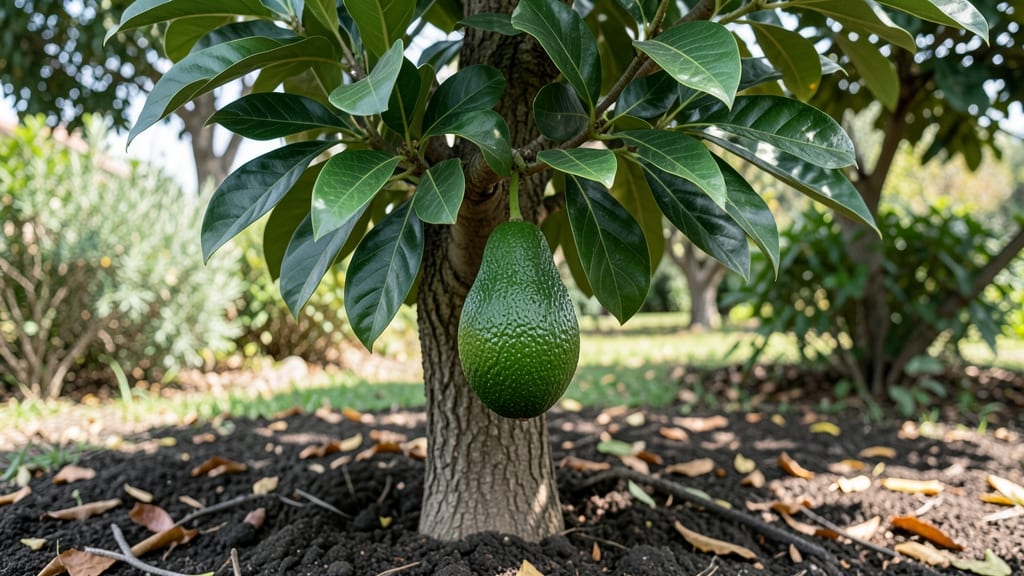
Your garden's green oblong fruit isn't a cooking ingredient—it's a sign your tomatoes, peppers, or cucumbers are struggling to mature. 🌱 The culprit is often overlooked sunlight, watering habits, or hidden pests stealing nutrients before the fruit can ripen properly.
I’ve seen this happen with heirloom tomatoes that stayed green and stunted until I adjusted their care.
Most gardeners assume the problem is disease, but it’s usually basic growing conditions. Too much water creates weak stems that can’t support proper fruit shape, while inconsistent sunlight leads to elongated, pale growth.
Even a single aphid colony can drain enough energy to keep fruit from ripening. The key is diagnosing which factor is at play in your specific case.
By next week, you could see fruit changing color and plumping up if you address the root cause—whether that means moving plants to sunnier spots, adjusting your watering schedule, or introducing beneficial insects. The payoff is worth the effort: vibrant, flavorful harvests instead of underdeveloped green oblongs.
This works for tomatoes, peppers, cucumbers, and even eggplants. The same principles apply whether you're dealing with a single plant or an entire garden bed. Let’s troubleshoot step by step to get your fruit growing as it should.
Natural Ripening Delays Explained
If you’ve ever found yourself staring at a bright green oblong fruit that refuses to turn golden—despite your best efforts—you’re not alone. The stubborn green hue isn’t just a quirk of nature; it’s a result of specific biological and environmental factors.
Understanding these causes can help you troubleshoot and encourage the ripening process more effectively. Let’s break down the science behind why some fruits stay green when they’re clearly ready to shine.
The most common reason your oblong fruit stays green is a delayed or blocked ethylene response. Ethylene is a natural plant hormone that acts like a ripening switch, triggering color changes, softening, and sweetening.
But if ethylene production or sensitivity is disrupted, your fruit can get stuck in its green phase.
- Low Ethylene Production: Some varieties naturally produce less ethylene, especially if they’re harvested early. This is common in Cucurbita pepo (like certain squash or zucchini) or underripe Cucumis melo (melons). If the fruit isn’t exposed to enough ethylene, it won’t signal the plant to shift from chlorophyll (green pigment) to carotenoids (yellow/orange pigments).
- Storage Interference: Refrigeration or cold temperatures slow down ethylene production and action. If your fruit has been chilled before ripening, it may need a warm-up period to kickstart the process.
- Genetic Traits: Some heirloom or hybrid varieties are bred to resist premature ripening. For example, Cucurbita moschata (like butternut squash) may stay green longer if grown in cooler climates, as their genetic makeup prioritizes structural integrity over speedy color change.
Actionable Fix: Place the fruit in a paper bag with a banana or apple (both ethylene producers) for 2–3 days at room temperature. The trapped ethylene gas will accelerate ripening.
Temperature and light exposure play a critical role in pigment development. If conditions aren’t ideal, chlorophyll (the green pigment) lingers, masking the underlying colors.
| Factor | Why It Causes Green Sticking | Solution |
|---|---|---|
| Cool Temperatures | Chlorophyll breaks down slower in cold environments. If your fruit was grown in a chilly climate or stored in the fridge too soon, it may never “turn off” the green signal. | Move to a warm, dry spot (70–75°F) for 3–5 days to encourage natural breakdown of chlorophyll. |
| Insufficient Sunlight | Fruits like zucchini or summer squash rely on sunlight to trigger carotenoid production. Shady growing conditions or late-season harvests can leave them perpetually green. | If growing, ensure vines get 6–8 hours of direct sunlight. For store-bought, place near a sunny window. |
| Rapid Temperature Fluctuations | Sudden drops (like moving from a warm kitchen to a cold counter) can shock the fruit’s metabolic processes, delaying pigment changes. | Keep fruit in a stable, warm environment until fully ripe. |
Pro Tip: 🌡️ If your fruit is firm and green but the stem end is slightly yellowing, it’s closer to ripening than you think—just needs warmth and time!
Timing is everything when it comes to ripening. Harvesting at the wrong stage can lock in that green phase for good.
- Premature Harvest: Picking fruit before it’s fully mature (e.g., zucchini with a hard rind or melons that haven’t slipped from the vine) means the plant hasn’t had time to shift its energy from growth to ripening. Chlorophyll production continues unchecked.
- Overripe on the Vine: Conversely, leaving fruit too long can cause uneven ripening or spoilage. If the vine is stressed (drought, disease), it may prioritize seed development over fruit color, resulting in a patchy green-and-yellow appearance.
- Improper Detachment: Twisting or snapping fruit from the vine can damage the stem, slowing nutrient flow and halting ripening signals.
How to Check Ripeness:
- For squash/zucchini: Press the skin gently—it should yield slightly near the stem.
- For melons: Look for a creamy color near the blossom end and a slight give when pressed.
- For peppers: Wait until the skin is fully colored (even if it’s still slightly green at the base).
Actionable Fix: If you’ve harvested early, place the fruit in a dark, warm spot (like a cardboard box) to encourage residual ethylene to work its magic.
Sometimes, the green color isn’t just about ripening—it’s a defense mechanism against stress or infection. Pathogens can trigger the production of chlorophyll or other pigments to protect the fruit.
- Powdery Mildew: A common fungal issue in cucurbits (squash, melons), this disease causes a white powdery coating but can also leave patches of green due to stunted growth.
- Bacterial Soft Rot: Causes discoloration and slimy texture, often appearing as uneven green-yellow spots.
- Nutrient Deficiencies: Lack of magnesium (leading to interveinal chlorosis) or nitrogen can cause pale or splotchy green areas.
Signs of Stress-Related Green:
- Uneven color (e.g., green stripes on a yellow fruit).
- Waxy or moldy texture.
- Soft spots or wilting.
What to Do: If you suspect disease, isolate the fruit and discard any moldy or rotting parts. For nutrient issues, amend soil with compost or use a balanced fertilizer next season.
Fixing overripe or underripe green fruits
Whether you're dealing with green oblong fruits that are too firm or have turned mushy, knowing how to salvage them—or prevent the issue in the first place—can save your recipe (and your wallet!).
Below are practical, step-by-step solutions tailored to common problems, along with prevention tips to keep your produce fresh and perfect for dishes like sunny-side-up eggs with crispy edges.
Hard, unyielding green fruits can be tough to cut, cook, or even enjoy raw. Here’s how to soften them up safely:
🔥 Quick Ripening Trick (Room Temperature)
- What to do: Place the fruit in a paper bag with a banana or apple (both release ethylene gas, a natural ripening agent).
- How long? 1–3 days at room temperature, checking daily.
- Pro tip: 💡 If your fruit is extremely hard, try placing it near a sunny window for a few hours to speed up the process.
🍳 Gentle Heat Method (For Cooking)
- What to do: If you’re using the fruit in a cooked dish (like a stir-fry or roasted veggie medley), parboil or steam it first to soften the texture.
- How long? 5–10 minutes in boiling water or steamed until slightly tender.
- Pro tip: 🌡️ Test doneness with a fork—it should pierce easily but not turn mushy.
🔪 Pre-Cutting Hack (For Immediate Use)
- What to do: Slice the fruit thinly and massage it with olive oil or lemon juice for 10 minutes. The acid and fat help break down fibers.
- Best for: Salads, quick pickling, or as a topping for eggs.
Mushy, fermented, or mealy green fruits can ruin a recipe—but don’t toss them yet! Here’s how to repurpose or rescue them:
👨🍳 Cook It Down (Soups, Sauces, or Purées)
- What to do: Blend or simmer the fruit into a smooth sauce for pasta, soups, or even a creamy dip.
- Flavor boost: Add garlic, herbs, or a splash of vinegar to balance sweetness.
- Pro tip: ✨ Overripe fruits are packed with natural sugars—perfect for caramelizing in a skillet!
🥘 Freeze for Later (Best for Smoothies)
- What to do: Peel, seed, and freeze slices in an airtight container. Thaw and use in smoothies, baked goods, or as a base for salsa.
- Bonus: Frozen fruit prevents waste and adds thickness to dishes.
🍲 Ferment or Pickle (For Tangy Twists)
- What to do: Use overripe fruit in quick-pickling (vinegar + spices) or ferment it with salt and water for probiotic-rich snacks.
- Example: Thinly slice green tomatoes (a common oblong fruit) and pickle them for a tangy crunch.
Avoid the ripeness rollercoaster with these easy habits:
📊 Storage Do’s and Don’ts
- ✅ Do: Store firm green fruits in the fridge (except avocados—keep them at room temp until ripe).
- ✅ Do: Separate ethylene-sensitive fruits (like green peppers or zucchini) from ethylene producers (bananas, apples).
- ❌ Don’t: Wash until ready to use—moisture speeds up spoilage.
🌱 Buy Strategically
- For immediate use: Choose slightly firm fruits (they’ll ripen faster at home).
- For long-term storage: Pick fruits with a mature green color (not too pale or dark).
🎯 Ripeness Test Cheat Sheet
Use your senses to gauge readiness:
| Fruit | Ready When... |
|---|---|
| Green Tomatoes | Firm but yielding slightly when squeezed (like a ripe avocado). |
| Zucchini | Skin is shiny, not dull or wrinkled. |
| Avocados | Gives gently when pressed (no resistance). |
💡 Bonus: Revive Wilted Greens
If the leaves of your oblong fruit (like a pepper or eggplant) are drooping:
- Soak stems in ice water for 30 minutes to crisp them up.
- Trim wilted parts and use the rest in cooked dishes where texture matters less.
With these fixes, you’ll never let a green oblong fruit go to waste—whether it’s too tough, too soft, or just past its prime. Happy cooking! 🍴
Frequently asked questions
Can I eat green oblong fruits raw if they're still hard?
Most hard green fruits like zucchini or green tomatoes can be eaten raw, but they'll be very firm and less flavorful. Try slicing them thinly and massaging with olive oil or lemon juice for 10 minutes to soften the texture before adding to salads or using as a topping for eggs.
Why do my garden fruits stay green and oblong instead of ripening?
This usually happens due to insufficient sunlight (less than 6 hours/day), overwatering, or nutrient deficiencies. Ethylene production (the ripening hormone) gets blocked when plants are stressed. Move plants to sunnier spots and adjust watering to 1 inch per week.
How can I tell if a green oblong fruit is bad or just unripe?
Check for soft spots, mold, or an off smell—those mean it's spoiled. A firm fruit with no rot is just unripe. For tomatoes, press gently: if it yields slightly (like a ripe avocado), it's ready. For zucchini, look for a shiny skin—dull skin means it's overripe.
Will putting green fruits in the fridge speed up ripening?
No! Cold temperatures actually slow down the ripening process. Store ethylene-sensitive fruits like green peppers or zucchini in the fridge to maintain freshness, but move them to room temperature for 2-3 days if you want them to ripen faster.
Can I use green oblong fruits in cooking even if they're not fully ripe?
Hard green fruits work great in cooked dishes. Try roasting them with olive oil and spices, or simmering in soups. The heat will soften them naturally. For pickling, use firm green tomatoes—they hold their shape better than overripe ones.