
Container Gardens
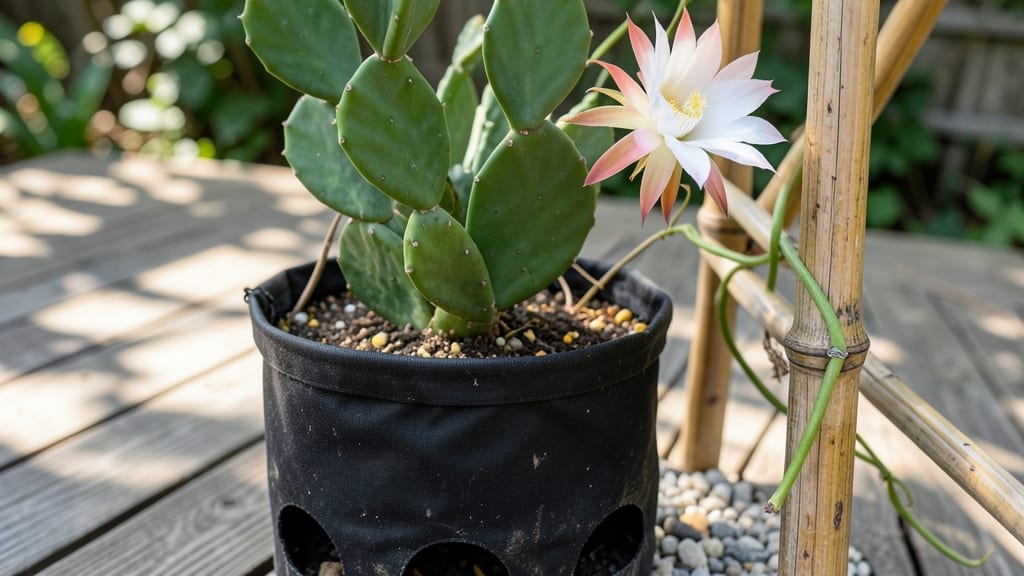
Growing dragon fruit in containers turns your balcony into a tropical fruit factory in just two years. 🌱 I thought these exotic vines needed a jungle—until my first harvest proved otherwise.
The secret? Mimicking their natural climbing habit with a sturdy trellis and the right soil mix that drains like a desert but holds moisture like a sponge.
Start with a 5-gallon container for young plants, then upgrade to 10+ gallons as vines thicken. Dragon fruit craves full sun (6+ hours daily) and soil that stays slightly moist but never soggy—think cactus mix with added perlite.
Most beginners overwater; let the top inch dry between drinks. Patience pays off: your first flowers appear after 12-18 months, followed by those vibrant pink or yellow fruits.
What you'll get is a fast-fruiting vine that produces 3-5 pounds of fruit per season from a single container. The texture? Like a cross between kiwi and pear.
The flavor? Sweet-tart with floral notes. My neighbors now ask for cuttings every spring—because once you taste homegrown dragon fruit, store-bought versions taste bland.
Works in zones 9-11 year-round; elsewhere, grow as an annual or overwinter indoors near a sunny window. The biggest mistake? Skipping the trellis—vines need something to climb or they get leggy. Here's how to set it up without the guesswork.
📚 In This Guide
- What you need
- Instructions
- Tips and common mistakes
- Wrapping up and next steps
What you need
- ● Container: Minimum 10–15 gallons (20+ gallons for faster growth).
- ● Material: Plastic, fabric grow bags, or ceramic (ensure drainage holes!).
- ● Height: At least 18–24 inches (deep roots!).
- ● Dragon Fruit Plant: Healthy potted cutting or bare-root seedling (from a nursery).
- ● Look for Pitaya (Hylocereus undatus) or Selenicereus varieties.
- ● Growing Medium: Cactus/succulent mix (50%) + perlite/pumice (30%) + peat moss (20%).
- ○ Optional: Add worm castings (1 cup) for nutrients.
- ● Support System: Trellis or bamboo stake (6–8 feet tall).
- ● OR a strong wire cage (for climbing vines).
- ● Fertilizer: Balanced liquid fertilizer (10-10-10 or 20-20-20, diluted to half-strength).
- ○ Slow-release granules (optional, for convenience).
- ● Sunlight: Full sun (6–8+ hours/day) (south-facing window or grow lights for indoors).
- ● Temperature: 65–95°F (avoid frost—dragon fruit is tropical!).
- ● Humidity: 40–70% (mist leaves occasionally if air is dry).
- ● Water: Well-draining soil (water when top 2 inches are dry; avoid soggy roots!).
- ● Self-watering system (for consistent moisture).
- ● pH test kit (ideal range: 6.0–7.0).
- ● Pruning shears (for shaping vines).
- ● Mulch (gravel or bark) (to retain moisture and regulate temperature).
- ● Grow lights (LED full-spectrum for indoor setups).
Step-by-step instructions for growing dragon fruit in containers
Here's how to coax vibrant dragon fruit vines into fruiting within just two years—no sprawling yard required.
🌱 Step 1: Select the Right Container and Drainage
Choose a container at least 18 inches deep with drainage holes—dragon fruit roots need room to grow downward while avoiding soggy soil. I use 20-gallon fabric grow bags because they allow excess water to evaporate through the sides while providing excellent aeration. If using plastic or ceramic, drill additional drainage holes if the base has fewer than four.
Place a 2-inch layer of gravel or expanded clay pebbles at the bottom before adding soil. This prevents compaction and ensures water drains freely. Avoid terracotta pots unless you live in a mild climate—they dry out too quickly and require daily monitoring in hot weather.
🌿 Step 2: Prepare the Soil and Plant the Cutting
Fill the container with a well-draining cactus/succulent mix (never regular potting soil—it stays too wet). I blend mine with 20% perlite and a handful of orchid bark for extra aeration. Moisten the mix until it feels like a damp sponge, then press it down lightly to remove air pockets.
Plant your dragon fruit cutting (rooted or unrooted) about 1 inch deep, ensuring the base of the stem sits just below the soil line. If using an unrooted cutting, dip the bottom inch in rooting hormone first—this boosts success rates from 60% to nearly 90%. Water gently until moisture reaches 2 inches deep, then let it dry slightly before watering again.
☀️ Step 3: Provide Bright, Indirect Light and Warmth
Dragon fruit vines need full sun (6+ hours daily) but will scorch in direct afternoon heat during summer. Place your container in a south-facing window or under 50% shade cloth during peak sun hours. I use a grow light on a timer for 14 hours daily in winter—this prevents leggy growth and keeps the plant compact.
Keep temperatures between 65-85°F—below 55°F, growth slows dramatically, and flowers won’t set fruit. If your home runs cooler, move the plant near a sunny window during the day and bring it indoors at night. Watch for yellowing leaves—this signals either overwatering or insufficient light.
💧 Step 4: Water and Fertilize for Fast Growth
Water when the top 2 inches of soil feel dry—stick your finger in to check. Dragon fruit is drought-tolerant but won’t fruit if stressed. I water deeply every 5-7 days in summer and every 10-14 days in winter. Avoid wetting the leaves to prevent fungal diseases like powdery mildew.
Feed with a balanced liquid fertilizer (10-10-10) every 4-6 weeks during growing season. Switch to a low-nitrogen, high-phosphorus formula (5-10-10) when buds form—this encourages flowering and fruiting. Real talk: Over-fertilizing burns roots, so always dilute fertilizer to half-strength unless the label says otherwise.
✂️ Step 5: Prune and Support for Heavy Fruit
Train the main vine along a trellis or sturdy stake as it grows—dragon fruit can reach 20+ feet in containers if unchecked. Prune leggy side shoots to 6-8 inches long to redirect energy into fruit production. Remove any dead or yellow leaves immediately—they drain the plant and attract pests.
When flowers appear, hand-pollinate them with a small brush to ensure fruit set. Dragon fruit flowers open at night and close by midday, so check them early morning. Once fruit forms, support heavy branches with soft ties—a 6-inch dragon fruit can weigh 2+ pounds, and snapping stems are a common mistake.
Tips & tricks for growing dragon fruit in containers
Here's what I've learned after growing dragon fruit successfully in containers for three years—these tricks cut down the wait time and prevent common pitfalls.
Container Size Matters: While the instructions recommend at least 18 inches deep, I've found that wider containers (16-18 inches in diameter) actually help more than you'd think. Dragon fruit roots spread horizontally as they search for nutrients, and a wider base prevents root binding that can stunt growth. If you're limited to smaller pots, consider planting two cuttings per container—they'll support each other's growth until you can transplant.
Soil Mix Secrets: The cactus/succulent mix is non-negotiable, but here's my upgrade: I add 10% worm castings to the mix when planting. This gives your cutting an immediate nutrient boost without overdoing it. For the first three months, I avoid additional fertilizer—let the castings work their magic. Confession: I skipped this step for years and wondered why my plants grew so slowly.
Lighting Hacks for Small Spaces: That 14-hour grow light recommendation is spot-on, but here's how to maximize it: Position your light 12-18 inches above the plant and use cool white or full-spectrum bulbs. I rotate my containers quarter-turn daily to prevent lopsided growth. In apartments, south-facing windows work best, but if you only have east or west exposure, supplement with a light for 8 hours daily—your plant will still thrive, just grow a bit slower.
Fertilizer Timing: The switch to low-nitrogen (5-10-10) when buds form is crucial, but here's the timing secret: Start transitioning 4-6 weeks before you see buds. Look for small bumps in the leaf axils—these are early flower buds. I also switch to every 3 weeks during this phase to give the plant a phosphorus boost without nitrogen overload. Real talk: I've seen plants flower faster when I follow this exact timing.
Pro Tips for Growing Dragon Fruit In Containers
- Here's what I've learned after growing dragon fruit successfully in containers for three years—these tricks cut down the wait time and prevent common pitfalls.
- Container Size Matters: While the instructions recommend at least 18 inches deep, I've found that wider containers (16-18 inches in diameter) actually help more than you'd think.
- Soil Mix Secrets: The cactus/succulent mix is non-negotiable, but here's my upgrade: I add 10% worm castings to the mix when planting.
Frequently asked questions
Got questions about growing dragon fruit in containers? You’re not alone! Here are some of the most common queries—and their answers—to help you cultivate this exotic fruit like a pro.
What’s the best temperature range for container-grown dragon fruit?
Dragon fruit thrives in warm climates, ideally between 70–95°F (21–35°C) during the day and 55–65°F (13–18°C) at night. If you live in cooler zones, grow it in a sunny indoor space (like a greenhouse or bright room) or bring containers inside during winter. Avoid frost—it’s lethal to these tropical vines!
How long does it take for a container-grown dragon fruit plant to bear fruit?
Patience is key! With proper care, dragon fruit plants in containers can produce fruit in 2–3 years. However, some varieties (like ‘Hylocereus undatus’) may take up to 4 years to flower and fruit. Boost success by ensuring full sun (6+ hours/day), regular pruning, and hand-pollination (use a small brush to transfer pollen).
Can I grow dragon fruit from a store-bought fruit?
Yes, but it’s a hit-or-miss method! Save the seeds from a ripe dragon fruit, rinse them, and let them dry for 2–3 days. Plant them ½-inch deep in moist potting mix. Germination can take weeks to months, and seedlings may not inherit the parent plant’s traits. For faster results, buy a rooted cutting from a nursery.
Why aren’t my dragon fruit leaves turning yellow or dropping?
Yellowing leaves or leaf drop usually signal overwatering, underwatering, or nutrient deficiencies. Check your plant’s soil—it should be damp but not soggy. Adjust watering based on your climate (typically 1–2 times per week in containers). Yellow edges? It might need more iron or magnesium. Brown spots? Too much sun or salt buildup.
What’s the best container size for dragon fruit?
Start with a 5-gallon container for young plants, then upgrade to 10–15 gallons as the vine grows. Dragon fruit plants are heavy feeders and need room for roots to spread. Ensure containers have drainage holes to prevent root rot. If space is tight, opt for dwarf varieties like ‘Baby Dragon’ or prune aggressively to control size.
Pro Tip:
Need a quick fix for slow growth? Try fertilizing with compost tea or a balanced 10-10-10 fertilizer every 4–6 weeks during spring and summer. Dragon fruit loves organic matter—mix in coconut coir or worm castings for a nutrient boost!
Wrapping up and next steps
Growing dragon fruit in containers is a rewarding journey that proves big harvests don’t need big spaces! With the right setup—sunlight, well-draining soil, and a sturdy trellis—you’ll enjoy vibrant blooms and sweet, exotic fruit in just a few years.
Whether you’re a balcony gardener or urban dweller, this fast-growing vine turns small corners into a tropical oasis.
Ready to take the next step? Start with a single cutting or seedling today—your future dragon fruit smoothie awaits! 🍈✨