
Trees
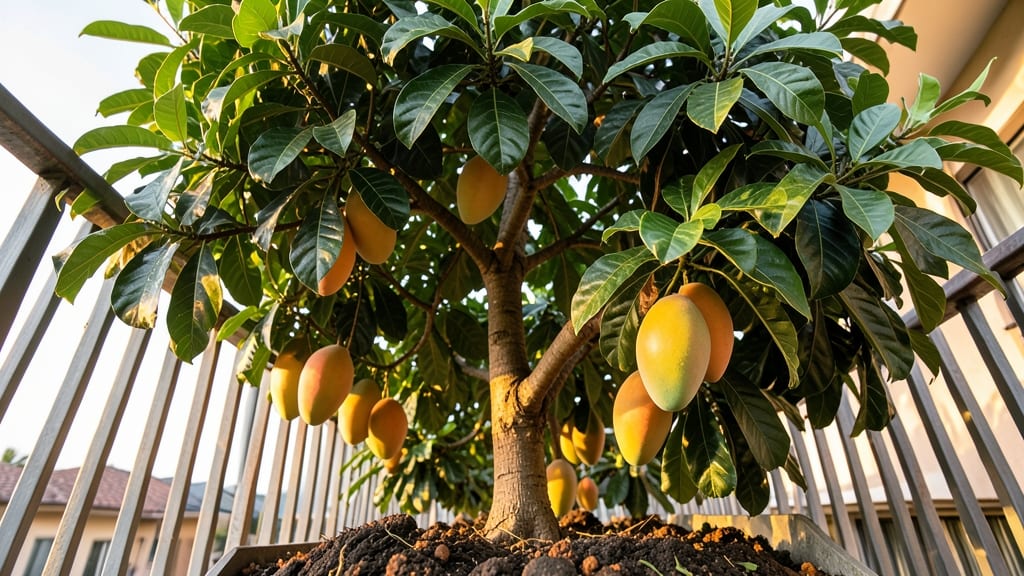
Transform your tropical garden into a fruit-bearing paradise with these 10 Hawaiian trees that produce delicious, edible fruit. These native and adapted varieties thrive in Hawaii’s climate and offer both beauty and bounty for home growers.
ʻŌhiʻa Lehua Fruit Trees
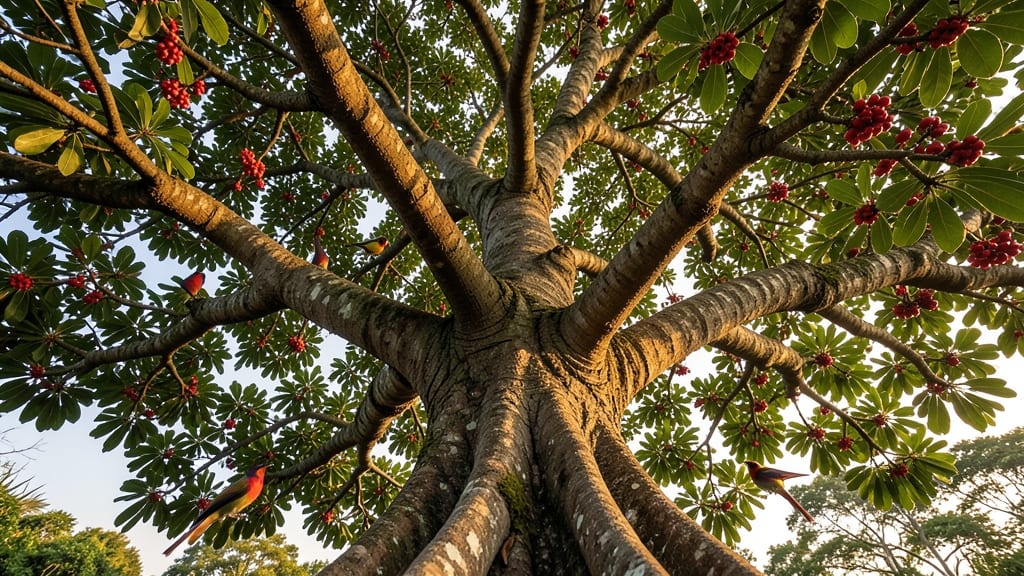
Looking to honor Hawaiian culture while creating a thriving ecosystem in your garden? The ʻōhiʻa lehua tree is your sacred connection to both tradition and nature. This iconic native tree produces edible red berries that feed native birds like the ʻapapane and ʻamakihi, while its deep roots stabilize volcanic soil.
Plant your ʻōhiʻa lehua in well-draining volcanic soil with morning sun and afternoon shade—it thrives in Hawaii’s diverse microclimates from sea level to 8,000 feet. Water deeply once established, as mature trees are surprisingly drought-tolerant. The berries ripen in late summer, offering both visual beauty and a sweet-tart snack for humans and wildlife alike.
Perfect for cultural landscapes, wildlife gardens, or as a living tribute, this tree combines spiritual significance with practical benefits. Its evergreen foliage provides year-round interest while supporting Hawaii’s delicate ecosystem. 🌿
Breadfruit Trees for Tropical Gardens
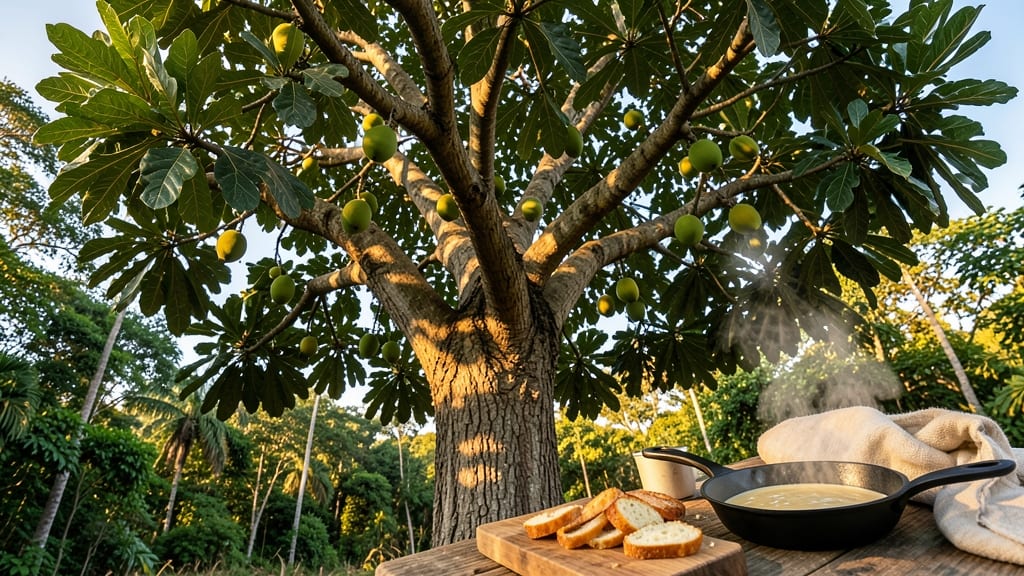
Imagine a tree that grows faster than bamboo, feeds your family like a potato, and thrives on neglect once established—breadfruit is your tropical garden’s secret weapon. This versatile staple isn’t just a fruit; it’s a flour substitute, a frying staple, and a nutrient-dense snack all in one.
Native to the Pacific but perfectly at home in Hawaii, breadfruit trees produce year-round harvests once mature (typically 3–5 years), with fruits that can be baked, boiled, or fried. They’re remarkably drought-tolerant after their first year, making them ideal for food forests or water-conscious gardens. Plant them in well-draining soil with full sun to partial shade, and watch them grow 10+ feet tall in just a few seasons.
Perfect for homesteaders, urban farmers, or anyone craving a low-maintenance, high-reward crop, breadfruit turns your yard into a pantry. 🌱
Lilikoi (Passionfruit) Vines
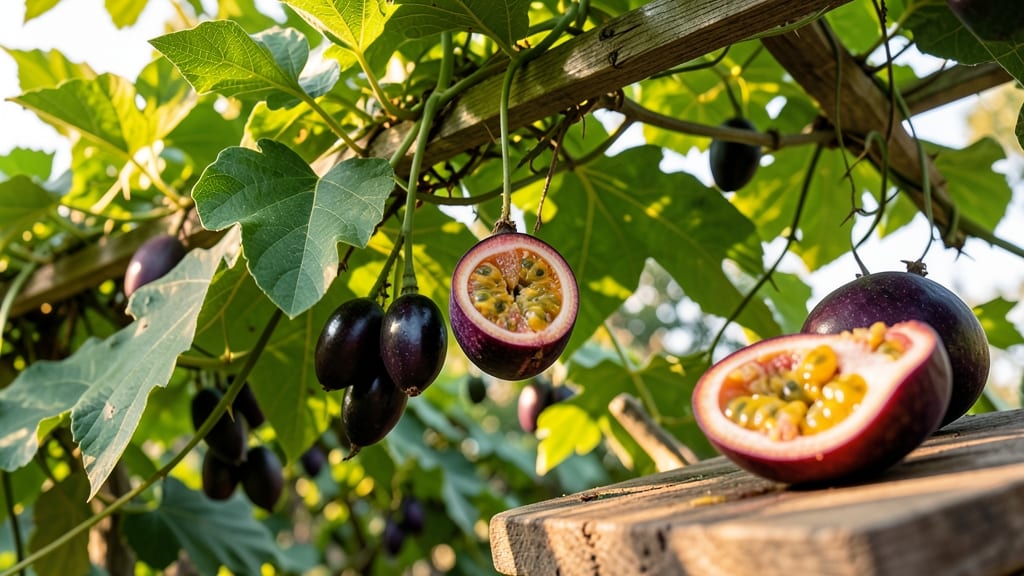
Ready to grow your own tropical juice bar? The lilikoi (passionfruit) vine delivers a high-yield harvest of tart-sweet fruit perfect for homemade juices, smoothies, and desserts—all with minimal fuss. Unlike many tropical plants, this vigorous vine thrives in warm microclimates and adapts well to containers or trellises, making it ideal for urban gardens.
Plant your vines in well-draining soil with 6-8 hours of sun daily, and watch them climb and produce fruit within 6-8 months. The key to success? Pruning only to shape the vine—no heavy maintenance required. Varieties like ʻŌkolehao (yellow passionfruit) are especially popular in Hawaii for their sweet-tart flavor and abundance.
Perfect for home gardeners who want flavorful fruit without the upkeep of traditional trees, lilikoi vines also attract pollinators and add a tropical touch to any landscape. 🌻
Mountain Apple Trees
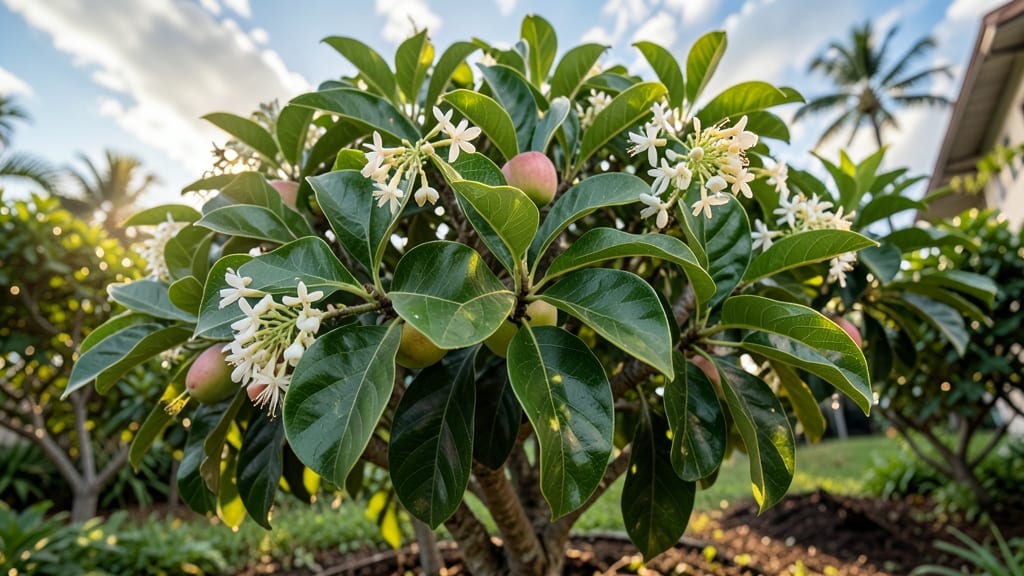
Looking for a drought-resistant citrus tree that thrives in small spaces and delivers both beauty and bounty? The mountain apple (Syzygium malaccense) is your answer—a fragrant, versatile Hawaiian gem that adapts to elevations from sea level to 3,000 feet. Its glossy leaves and white, jasmine-like flowers make it a standout ornamental, while its sweet-tart fruit adds a tropical twist to snacks or jams.
This tree handles poor soil and limited water once established, making it ideal for urban gardens or slopes where other citrus might struggle. Plant it in full sun to partial shade for best fruit production, and expect harvests within 2–3 years. Prune lightly to maintain shape, and watch for scale insects—a common pest, but easily managed with horticultural oil.
Perfect for gardeners who want low-maintenance yet rewarding trees, mountain apples are especially great for small yards, container growing, or even as a striking focal point. Their adaptability and dual-purpose appeal make them a must-try for tropical landscapes. 🌟
ʻAwa (Kava) Plants
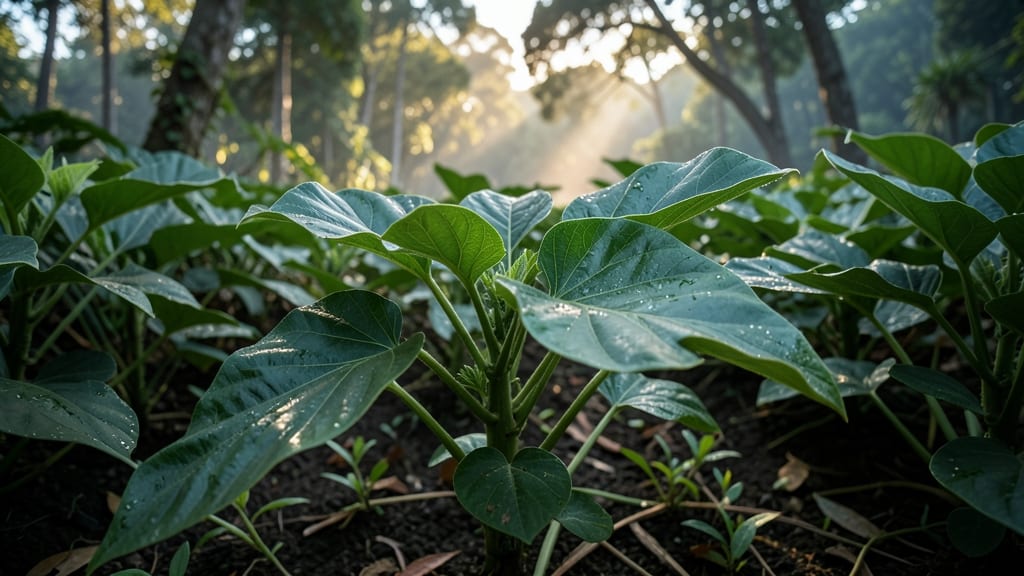
Bring cultural significance and tranquility to your garden with ʻawa (kava), a sacred Hawaiian plant used for centuries in traditional ceremonies. Unlike fruit-bearing trees, ʻawa thrives in shaded areas, making it perfect for understory planting or as a living privacy screen in traditional Hawaiian landscapes.
This hardy perennial grows best in well-draining, slightly acidic soil with consistent moisture—ideal for rainforest gardens. Its broad, heart-shaped leaves create lush foliage, while its small white flowers add delicate contrast. The edible root (processed into ceremonial drinks) and leaves (used in traditional medicine) make it a versatile addition to cultural gardens.
Perfect for gardeners seeking low-maintenance plants with deep cultural roots, ʻawa plants require minimal pruning and tolerate shade better than most tropical crops. 🌿
Banana Trees for Year-Round Harvests
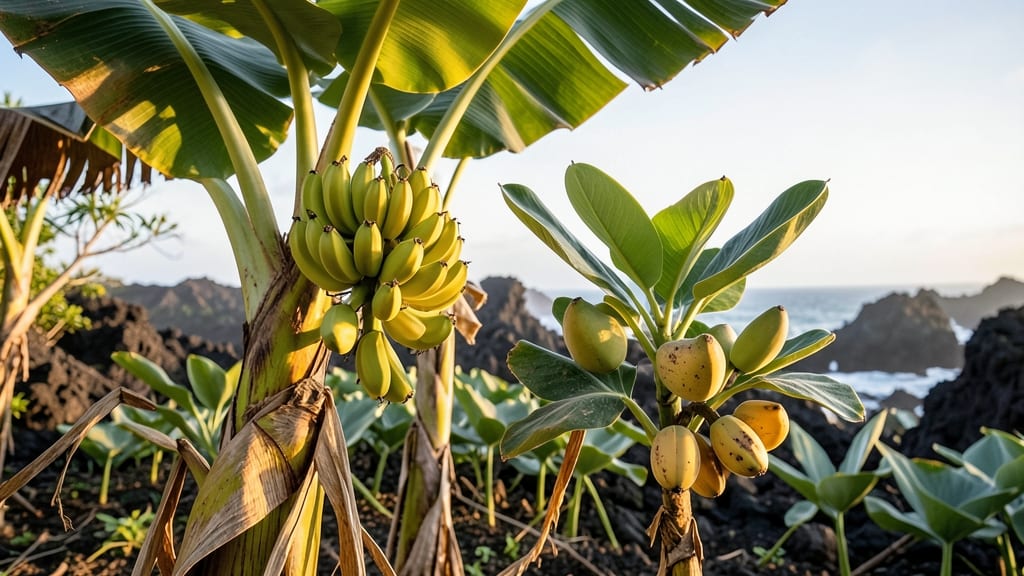
Want a year-round banana harvest without the fuss of tropical greenhouses? Hawaiian banana varieties like ‘Mākeke’ and ‘Dwarf Cavendish’ deliver sweet, starchy fruit in just 9-12 months—and they’re built for resilience. These aren’t your grocery-store bananas; they’re compact, cold-hardy (for Hawaii’s standards), and thrive in partial shade, making them perfect for urban yards or small homesteads.
Plant your banana "tree" (it’s technically a giant herb!) in well-draining volcanic soil or rich compost, and water deeply once a week during dry spells. Unlike commercial varieties, these stay productive for years with minimal pruning—just remove dead leaves and watch bunches of bananas emerge from the stem. The ‘Mākeke’ variety even handles light frosts, expanding your growing zone options.
Ideal for families or homesteaders seeking low-maintenance calories, these bananas also make fantastic compost starters. With one plant, you’ll enjoy dozens of bananas—plus the joy of watching them grow from tiny shoots to fruit-laden stalks. 🌻
Guava Trees with Fragrant Fruit
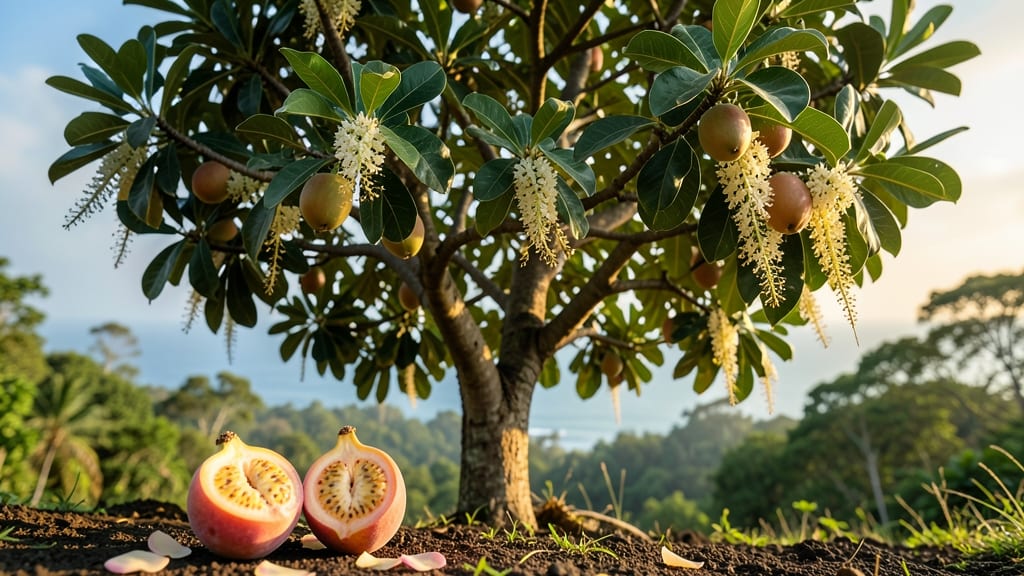
Looking for a tropical fruit tree that rewards you with fragrant, sweet harvests with almost no fuss? Guava trees deliver exactly that—juicy, aromatic fruit perfect for snacking, jams, or fresh eating, all while requiring minimal pest control. Their glossy leaves and abundant blossoms add beauty to any garden too.
These hardy trees thrive in full sun to partial shade and adapt to various soil types, making them ideal for both rural and urban Hawaiian landscapes. Once established, they’re drought-tolerant and produce fruit year-round in warm climates. Prune lightly to shape the tree and remove dead branches, but avoid over-trimming to maintain their natural productivity.
Perfect for beginners or busy gardeners, guava trees offer low-maintenance care with high rewards. Their pest-resistant nature means fewer chemical treatments, letting you enjoy the sweet, tropical flavor without the hassle. 🌻
ʻApe (Sugar Apple) Trees
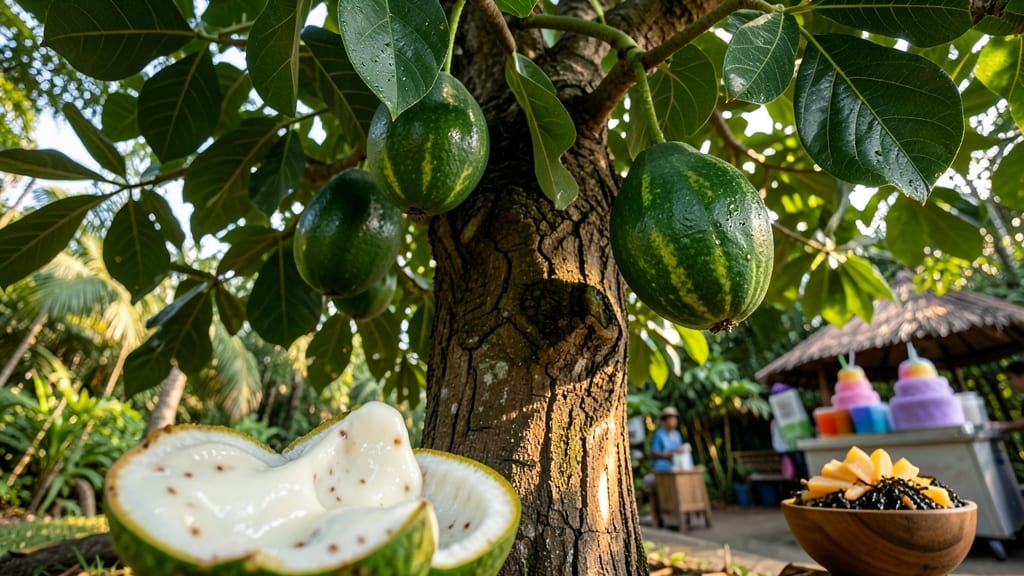
Craving a tropical fruit that tastes like nature’s own dessert? The ʻape (sugar apple) tree delivers a creamy, custard-like fruit with a flavor so unique it’s a staple in Hawaiian desserts like ʻape shave ice and poke bowls. Unlike other tropical fruits, this tree thrives in warm, humid climates—making it perfect for Hawaii’s lush landscapes.
Plant your ʻape tree in well-draining soil with partial shade to full sun, and expect fruit in 2-3 years. The tree’s glossy leaves and fragrant white flowers add beauty, while its low-maintenance nature makes it ideal for both gardens and containers. Harvest when the fruit yields slightly to touch—rewarding you with a sweet, seedless treat that’s as versatile as it is delicious.
Perfect for home gardeners who love easy-to-grow tropical fruits or those looking to add a cultural touch to their landscape. 🌟
Poi Trees (Taro) for Edible Corms
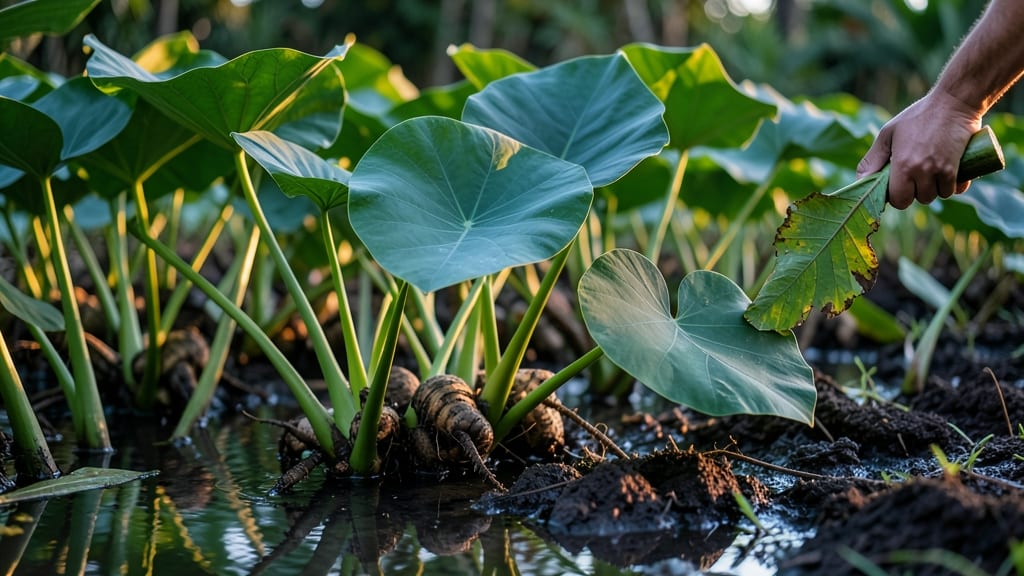
Looking to grow a plant that’s both historically significant and delicious? Taro (Colocasia esculenta), the traditional Hawaiian crop behind poi, is your answer. This versatile aquatic plant thrives in wetland conditions, making it perfect for gardeners with marshy soil or containers filled with water.
Taro grows best in full sun to partial shade and requires consistently moist, nutrient-rich soil. Plant corms (the edible root) 4-6 inches deep and space them 2-3 feet apart. Harvest after 8-12 months when leaves turn yellow, or let them grow for larger corms. Varieties like ʻuluʻulu (red-stemmed) or ʻōkala (green-stemmed) are popular choices.
Perfect for gardeners seeking cultural connection, taro is a staple in Hawaiian cuisine and a great addition to sustainable gardens. Whether you're growing it for poi or simply admiring its broad, lush leaves, taro brings both tradition and sustenance to your space. 🌱
Mango Trees for Tropical Yields

Want to grow tropical fruit without needing acres of land? Hawaiian mango varieties like ‘Haden’ and ‘Kensington Pride’ deliver sweet, juicy rewards in compact spaces—perfect for urban balconies or small yards.
These fast-growing trees thrive in full sun and well-draining soil, producing fruit in as little as 3-4 years. Prune regularly to maintain shape and encourage airflow, and harvest when fruit yields slightly to touch. Their drought tolerance once established makes them low-maintenance stars.
Urban gardeners and small-space growers will love how these trees fit into tight landscapes while still yielding 50-100 pounds of fruit annually. 🌻