
Pruning
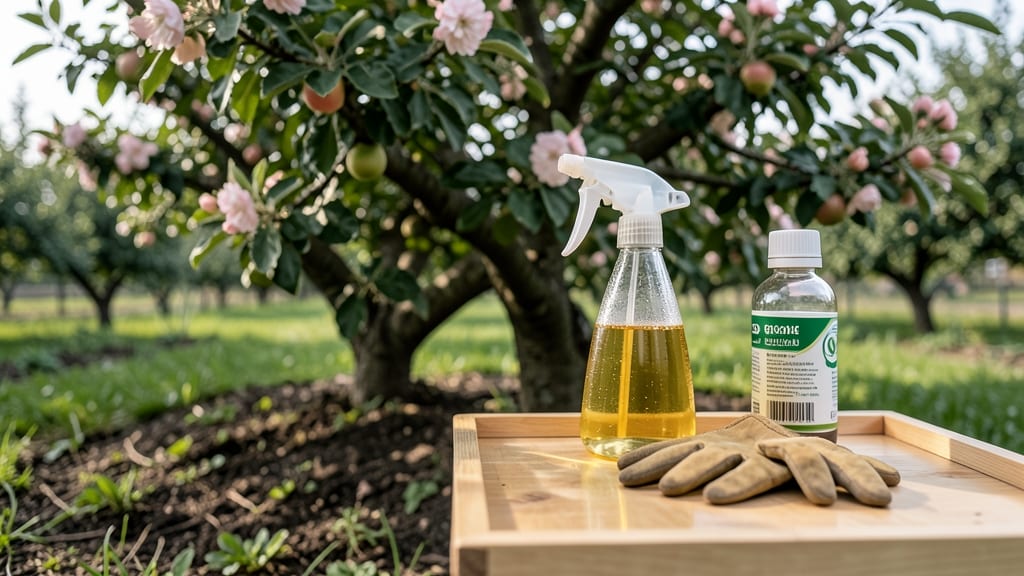
My fruit trees used to look like they were in a constant war with nature—aphids, spots, and wilting leaves everywhere. 🌳 A home fruit tree spray turned things around by giving me control over pests and diseases without harsh chemicals, and it works for apples, peaches, and cherries alike.
The best part? You don’t need fancy equipment—just a few simple ingredients like neem oil, baking soda, or even dish soap (yes, the kind in your kitchen). These sprays tackle everything from fungal infections to stubborn aphids while keeping your fruit safe to eat.
I’ve saved entire harvests with just a spray bottle and 15 minutes of effort.
By applying it at the right time—like before blooms or after harvest—you’ll see healthier leaves, fewer pests, and fruit that stays fresh longer. The results are noticeable within days, and your trees will thank you with fewer brown spots and more vibrant growth.
Whether you’re dealing with a single infestation or want to prevent issues before they start, this method works for any home orchard. Let’s get those trees thriving again—naturally.
📚 In This Guide
- What you need
- Instructions
- Tips and common mistakes
- Wrapping up and next steps
What you need
- ● Spray bottle or garden sprayer: Choose a 1- to 3-gallon pump sprayer for larger trees or a 16- to 32-ounce handheld sprayer for smaller ones. Look for food-safe, BPA-free options if using edible ingredients.
- ● Organic base ingredients (pick one): Neem oil (1–2 tbsp per gallon of water) – antifungal and pest-repellent
- ● Food-grade soap (1.5 tbsp per gallon) – breaks down insect shells (e.g., Castile soap or mild dish soap)
- ● Baking soda (1 tbsp per gallon) – fights fungal diseases like powdery mildew
- ● Apple cider vinegar (2 tbsp per gallon) – natural fungicide (use raw, unfiltered for best results)
- ● Water: 1 gallon (3.8 liters) of warm water per batch (avoid hard water if possible).
- ● Strainer or cheesecloth: To filter out undissolved particles if using homemade recipes.
- ● Gloves (nitrile or rubber) – Protects your skin from irritation.
- ● Face mask or respirator – Recommended if working with neem oil or strong vinegar solutions to avoid inhaling fumes.
- ● Stirring stick or spoon – For mixing ingredients thoroughly.
- ● Measuring cups/spoons – Ensures precise ratios for effectiveness.
- ○ Essential oils (optional boost): Cinnamon oil (5 drops per gallon) – antifungal
- ● Clove oil (3 drops per gallon) – pest deterrent
- ● Horticultural oil (1 tsp per gallon) – Adds extra pest control (use only when trees aren’t blooming).
- ● Ladder or step stool – For reaching higher branches safely.
- ● Labeling tags – To mark spray dates and ingredients (especially useful for multiple recipes).
- ● Sunset or dawn timing – Not a material, but a pro tip! Spray when pests are most active and temps are mild (60–85°F).
Step-by-step instructions for making an effective organic fruit tree spray
Here's how to create a powerful, plant-safe spray that keeps pests and disease in check—no harsh chemicals needed.
🌿 Step 1: Gather Your Organic Spray Ingredients
You'll need 1 tablespoon of neem oil, 1 tablespoon of liquid dish soap (unscented, like Castile), 1 tablespoon of baking soda, and 1 gallon of water. Mix these in a large spray bottle or pump sprayer—neem oil and soap work together to smother pests while baking soda adjusts pH to deter fungal spores.
Warm the water slightly to help ingredients blend better, but never above 100°F—hot water can kill beneficial microbes in the soil. Stir gently but thoroughly to avoid creating suds. If you notice separation later, shake the bottle before each use.
💧 Step 2: Apply Spray at the Right Time
Spray your fruit trees early in the morning or late afternoon when temperatures are below 85°F. Direct spray onto leaves, stems, and fruit—focus on the undersides of leaves where pests like aphids hide. Avoid spraying when blooms are open, as the baking soda can harm pollinators.
Test a small area first to check for leaf sensitivity. If you see any browning within 24 hours, dilute the mixture with more water next time. Reapply every 7-10 days or after rain, as the spray washes off quickly.
✂️ Step 3: Monitor and Adjust for Effectiveness
Check your trees 3-5 days after spraying for signs of improvement. Look for fewer aphids, mites, or white powdery mildew. If pests persist, increase the neem oil to 2 tablespoons next time—it’s the most potent ingredient against soft-bodied insects.
For fungal issues like brown spots or black rot, add 1 tablespoon of potassium bicarbonate to the mix. This creates a stronger antifungal barrier. Rotate your spray ingredients every few weeks to prevent pests from building resistance.
🌱 Step 4: Store and Reuse Your Spray
Store any leftover spray in a cool, dark place for up to 5 days. Shake well before each use, as ingredients may settle. If you notice mold or a foul odor, discard it immediately—this means the mixture has spoiled and could harm your plants.
For best results, make fresh spray every 2 weeks, especially during peak growing season. Keep a spray log to track what works best for your trees—some varieties respond better to neem-heavy mixes, while others need more baking soda for fungal control.
Tips & tricks for perfect home fruit tree spray
Took me years to perfect this spray—here's what I learned the hard way about keeping your trees thriving.
Mixing Precision: When combining the 1 tablespoon each of neem oil, dish soap, and baking soda with 1 gallon of water, use a whisk or small whisk attachment on a drill for 30 seconds to fully emulsify. I learned this after seeing separation in my first batches—neem oil and soap need that extra agitation to stay suspended. The key is gentle but thorough mixing to avoid suds that can clog spray nozzles.
Temperature Matters: Warm the water to just below 100°F—this helps dissolve the baking soda completely and activates the neem oil's pest-fighting properties. I use a thermometer to monitor, as anything hotter can damage beneficial microbes in the soil. Test the temperature by touching the inside of the container—it should feel warm but not scalding.
Application Strategy: Focus on the undersides of leaves where aphids and mites hide, but avoid oversaturating the fruit. I found that using a fine-mist setting on my sprayer delivers better coverage without running off. For large trees, consider adding a 1-quart pump sprayer to your collection—it makes application much easier for those hard-to-reach branches.
Monitoring and Adjusting: After your 3-5 day check, if you still see pests, increase the neem oil to 2 tablespoons next time—it's the most effective against soft-bodied insects. For fungal issues, that 1 tablespoon of potassium bicarbonate makes a noticeable difference. I keep a small notebook by my garden tools to track which adjustments work best for each tree variety.
Pro Tips for Home Fruit Tree Spray
- Took me years to perfect this spray—here's what I learned the hard way about keeping your trees thriving.
- Mixing Precision: When combining the 1 tablespoon each of neem oil, dish soap, and baking soda with 1 gallon of water, use a whisk or small whisk attachment on a drill for 30 seconds to fully emulsify.
- Temperature Matters: Warm the water to just below 100°F—this helps dissolve the baking soda completely and activates the neem oil's pest-fighting properties.
Frequently asked questions
Got questions about keeping your fruit trees healthy and thriving?
Here are answers to the most common concerns about using home fruit tree sprays—so you can protect your harvest without the guesswork!
When is the best time to spray my fruit trees?
Spray your trees before pests or diseases appear—ideally in early spring (just as buds swell) and late summer (after harvest). For organic sprays like neem oil or copper fungicide, apply every 2–4 weeks during peak growing seasons. Avoid spraying when bees are active (early morning or evening works best).
Can I use store-bought sprays on my fruit trees?
While synthetic sprays (like malathion) work fast, they can harm beneficial insects, leave residues on fruit, and disrupt soil health. Opt for organic alternatives like neem oil, horticultural oil, or baking soda spray (for fungal issues). Always check the label for fruit-safe instructions and follow pre-harvest intervals.
Will spraying affect the taste or safety of my fruit?
When used correctly, organic sprays won’t harm fruit taste or safety—just avoid spraying directly before harvest. For example, neem oil needs a 7-day wait, while copper fungicide requires 14–21 days. Rinse fruit thoroughly if spraying late in the season. Pro tip: Always prioritize preventative sprays over reactive ones!
How do I protect bees and pollinators while spraying?
Bees are most active between 10 AM–4 PM, so spray early morning or late evening when they’re less active. Avoid spraying blooming fruit trees (like apples or cherries) unless absolutely necessary. Choose bee-friendly sprays like kaolin clay or soapy water (1 tsp mild soap per gallon of water).
What should I do if my spray isn’t working?
If pests or diseases persist, reassess your approach:
- Rotate sprays (e.g., neem oil one week, copper fungicide the next).
- Check for proper coverage—undersides of leaves and new growth often hide pests!
- Improve tree health with mulch, watering, and pruning to boost natural defenses.
- Identify the problem—is it aphids, powdery mildew, or something else? Targeted sprays work better!
If all else fails, consult a local extension office for tailored advice.
Wrapping up and next steps
Caring for your fruit trees doesn’t have to mean battling pests and diseases with harsh chemicals—organic sprays are a simple, effective, and eco-friendly solution! 🌿 By using natural ingredients like neem oil, garlic, or soap sprays, you’re not only protecting your trees but also promoting a healthier garden for future harvests.
Start small, experiment with recipes, and watch your trees thrive with minimal effort.
Ready to take action? Pick one spray to try this weekend—your fruit trees (and your conscience) will thank you! 🍏🍊