
How To
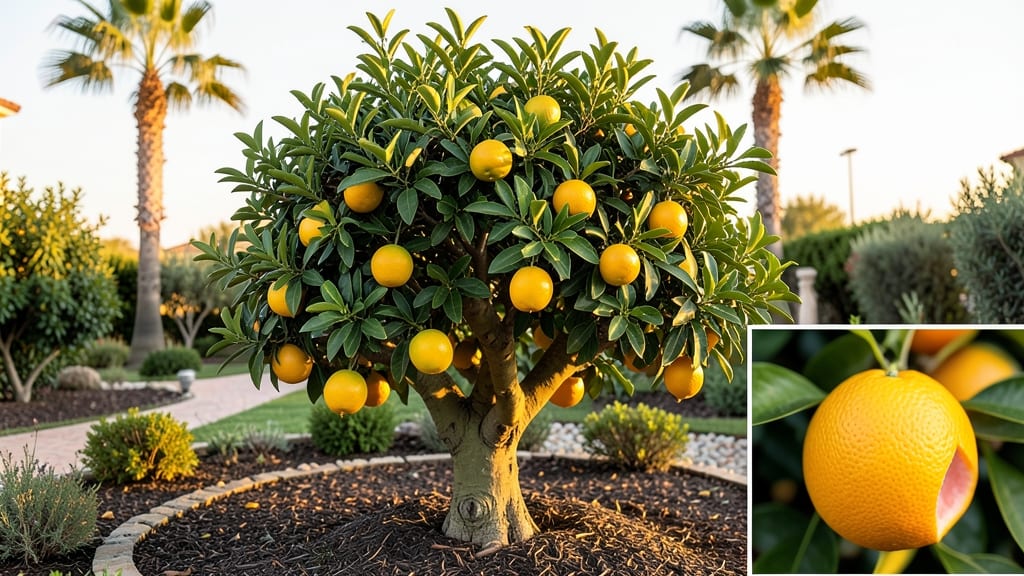
Grapefruit trees grow anywhere from 8 feet to towering 25 feet tall, depending on the variety you choose—so your backyard plans might need a serious reality check before you plant.
Picture this: a Ruby Red grapefruit tree stays compact enough for a large container, while a standard Marsh White variety stretches toward your roof, demanding careful spacing and pruning from day one. That’s the kind of difference you’re dealing with.
If you’re dreaming of fresh fruit but short on yard space, dwarf varieties are your best bet—but even they need room to breathe. Meanwhile, standard trees thrive in landscapes but require long-term planning for height and root spread.
Below, I’ll break down the height ranges by variety, how to control growth, and whether a smaller tree means smaller harvests—or just smarter placement.


Grapefruit tree height by variety: small vs tall growing types
Choosing a grapefruit tree isn't just about flavor—it's about space! Some varieties stay small enough for containers while others grow tall enough to shade your patio. The mature height of a grapefruit tree can vary by 10 feet or more, depending on the variety you select.
Understanding these differences helps you plan your garden layout or container setup before planting.
For example, the Ruby Red grapefruit is a popular choice for home gardens because of its manageable size, while the White Marsh grapefruit often grows much taller. Your choice impacts not only your garden's aesthetics but also how much fruit you can harvest and how easy it is to maintain.
Let’s break down the height ranges and growth habits of four common grapefruit varieties to help you decide which fits your space best.
📏 Height matters because taller trees require more space, deeper root zones, and potentially more frequent pruning. Smaller varieties, on the other hand, are perfect for urban gardens, patios, or even large containers. Below, you’ll find a detailed comparison of four popular grapefruit varieties, including their mature heights, growth rates, and space requirements.
The Ruby Red grapefruit is one of the most compact options, making it ideal for container gardening or small backyards. With a mature height of 12–18 feet, it grows at a steady pace of 1–2 feet per year.
This variety is perfect if you want to enjoy fresh grapefruits without dedicating an entire corner of your yard to a towering citrus tree.
If you have more space, the White Marsh grapefruit is a classic choice but requires careful planning due to its 20–25 foot mature height. Its fast growth rate of 2–3 feet per year means it will quickly outgrow a small garden.
However, its sweet flavor and large fruit size make it a favorite for those with ample yard space.
For a middle-ground option, consider the Oroblanco grapefruit, which typically reaches 15–20 feet at maturity. This variety grows at a moderate pace and is often used in commercial orchards due to its balanced size and productivity.
It’s a great choice if you want a tree that’s manageable but still substantial.
The Thompson grapefruit, on the other hand, is the tallest of the bunch, often reaching 25–30 feet. It’s best suited for large properties or orchards where height isn’t a concern.
Its rapid growth rate of 3+ feet per year means it will dominate your landscape quickly, so it’s not ideal for urban or suburban settings.
When selecting a variety, also consider your pruning goals and container potential. Smaller varieties like Ruby Red can be pruned to stay even shorter, while taller types may need regular pruning to keep them manageable.
If you’re growing in containers, choose a dwarf or semi-dwarf rootstock to limit height and ensure the tree thrives in a restricted space.
Finally, remember that growing conditions can influence height. Trees grown in full sun and well-draining soil tend to grow taller and produce more fruit, while those in partial shade or poor soil may stay shorter.
Always plant your grapefruit tree in a location that matches its mature size and growth habits for the best results.
How grapefruit tree height affects your garden space and fruit production
Your grapefruit tree's height isn't just about aesthetics—it directly impacts your garden's layout, fruit production, and even maintenance efforts. A standard grapefruit tree can reach 20-30 feet tall, while dwarf varieties stay between 8-12 feet.
This dramatic difference means your planting location, container choice, and pruning strategy must align with your space and goals.
Taller trees require more horizontal space for root spread and vertical clearance for branches. In small yards or urban gardens, this can limit placement options or force you to choose dwarf varieties. Meanwhile, container-grown grapefruit trees need compact root systems, making height control even more critical for successful potted cultivation.
Here's the key insight: tree height affects fruit quality and yield. Taller trees often produce more fruit but may require extra support for heavy branches.
Smaller trees concentrate energy into fewer, often higher-quality fruits. Understanding these trade-offs helps you choose the right variety and care approach for your specific garden conditions.
Dwarf: 8-12 ft
Semi-Dwarf: 12-18 ft
Standard: 20-30 ft
Dwarf: 10-15 ft spacing
Semi-Dwarf: 15-20 ft spacing
Standard: 25-30 ft spacing
Smaller trees: fewer, larger fruits
Taller trees: more fruit, lighter size
All heights: full sun needed for best quality
Dwarf: light pruning for shape
Semi-Dwarf: moderate pruning annually
Standard: aggressive pruning for control
For container gardening, height becomes even more critical. Most grapefruit trees need at least 3-5 gallon pots for dwarf varieties and significantly larger containers for standard sizes. The root ball must match the tree's mature height—small pots restrict growth and reduce fruit production.
I recommend using fabric grow bags for better root aeration when growing in containers.
Pruning plays a vital role in managing height and improving fruit quality. Structural pruning in early years establishes a strong framework, while fruit-thinning pruning later helps direct energy to larger, higher-quality fruits.
Remember to prune during dormant season (late winter) to minimize stress on the tree and avoid spreading diseases through fresh cuts.
Height also affects fruit quality—taller trees often produce more but smaller fruits due to energy distribution. Shorter trees concentrate resources into fewer, larger fruits. If you're growing for home consumption, dwarf varieties may offer better-sized fruit with less effort.
For commercial production, taller trees maximize yield but require more space and maintenance.
Before planting, measure your space and consider future growth. A 10-foot-tall tree today could be 20 feet in 5 years if unchecked. Plan for overhead clearance, especially if near walkways or structures.
With proper planning, your grapefruit tree's height can work for you—whether you're creating a stunning focal point or maximizing fruit production in limited space.