
Propagation
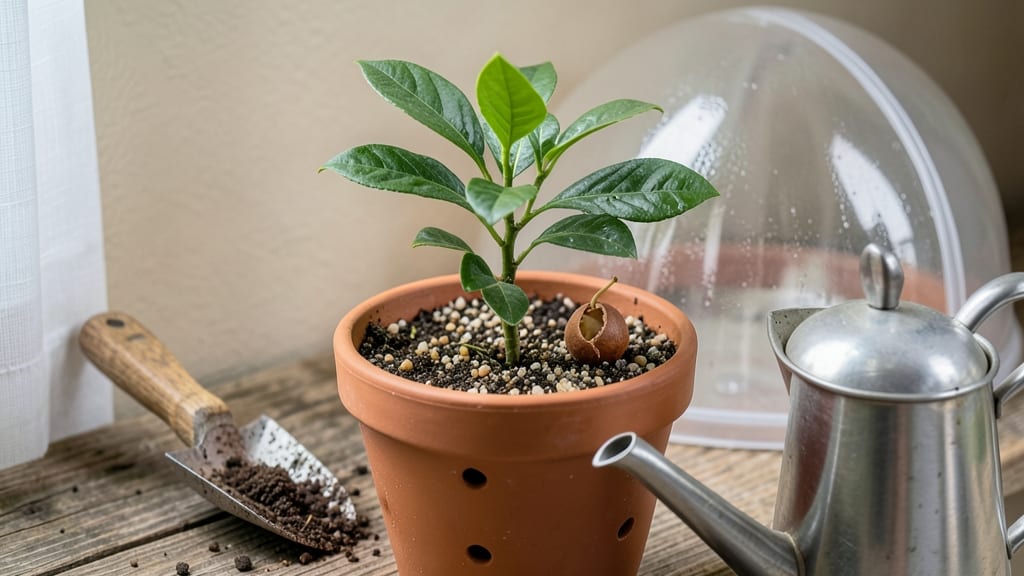
Growing grapefruit from seed feels like unlocking a tiny slice of paradise in your kitchen. 🌱 The process starts with a single seed—one that could grow into a tree producing fruit in 5-10 years, though it won’t be true to the store-bought variety.
That’s the magic (and the challenge) of citrus propagation.
You’ll need patience, a warm spot, and the right soil mix—think sandy loam with good drainage. Most people rush germination, but soaking seeds for 24 hours before planting boosts success.
I’ve tried the quick-sprout method, and while it works, letting seeds air-dry between soaks prevents mold. A humidity dome or plastic wrap keeps those first shoots happy.
By month three, you’ll have a sturdy seedling ready for its own pot. Keep it near a sunny window or under grow lights, and watch it grow from a delicate sprout to a small tree.
The real reward? Knowing you nurtured it from the very beginning—even if the fruit won’t taste like your favorite grocery store grapefruit.
Slow growth is normal, but consistent care pays off. Transplant outdoors only when frost isn’t a threat, and protect young trees from strong winds. The journey takes years, but the satisfaction of growing something from almost nothing? That’s the real harvest.
📚 In This Guide
- What you need
- Instructions
- Tips and common mistakes
- Wrapping up and next steps
What you need
- ● Grapefruit seeds: 3–5 fresh, plump seeds (harvested from a ripe grapefruit—avoid store-bought seeds treated to prevent germination)
- ● Well-draining potting soil: 1 small pot (4–6 inches in diameter) filled with a mix of 50% peat moss or coco coir and 50% perlite or sand (for aeration)
- ● Spray bottle: With water (for gentle misting)
- ● Plastic wrap or humidity dome: To create a mini greenhouse effect
- ○ Small plastic bag or container: With a lid (for seed stratification, optional but helpful)
- ● Grow light or sunny windowsill: Access to bright, indirect light (6+ hours daily)
- ● Seedling heat mat: To keep soil warm (70–80°F) during germination
- ● Fertilizer: Balanced, water-soluble fertilizer (diluted to half-strength) for young plants
- ● Larger pot (10–12 inches): For transplanting once roots establish
- ● Pruning shears: For shaping the tree as it grows
- ● Citrus-specific fertilizer: Once the plant matures (high in nitrogen, potassium, and micronutrients)
Step-by-step instructions for growing grapefruit from seed
Here's how to nurture a grapefruit seed into a thriving citrus tree—with patience and the right conditions.
🌱 Step 1: Extract and Prepare the Seeds
Start with fresh grapefruit seeds—older seeds germinate poorly. Scoop them out of the fruit with a spoon, then rinse off any pulp under cool water. Let them dry on a paper towel for 24 hours to prevent rot. I like to place them in a single layer, spaced apart, so they don’t stick together.
Once dry, store them in a sealed container in the fridge for 2-4 weeks. This cold treatment mimics winter dormancy and boosts germination rates. After the waiting period, you’ll notice the seeds look plump and firm—ready for planting.
🪴 Step 2: Plant the Seeds in Moist Potting Mix
Fill small pots (3-4 inches deep) with well-draining potting mix—citrus trees hate soggy roots. I use a blend of 50% potting soil and 50% perlite for airflow. Moisten the mix until it’s damp but not dripping, then plant 2-3 seeds per pot, about ½ inch deep. Cover lightly with more mix to protect them.
Place the pots in a warm spot (70-80°F) with bright, indirect light. A seedling heat mat speeds up germination, but even a sunny windowsill works. Keep the soil consistently moist—not wet—by misting lightly every 2-3 days. You’ll see tiny sprouts in 2-4 weeks, though some may take longer.
☀️ Step 3: Transplant and Provide Optimal Light
Once seedlings reach 3-4 inches tall with 2-3 true leaves, choose the strongest one per pot and transplant the others. Use 5-inch pots with fresh potting mix, burying the stem up to the first set of leaves. This encourages root growth and stability.
Move the seedlings to a south-facing window or under grow lights for 12-14 hours daily. Grapefruit trees need full sun to thrive, but direct midday sun can scorch young leaves. If you notice yellowing or wilting, adjust to morning sun only until they adjust.
💧 Step 4: Water and Fertilize for Healthy Growth
Water when the top inch of soil feels dry, using room-temperature water to avoid shocking the roots. Overwatering is the biggest killer—yellow leaves or drooping stems mean you’re watering too much. Let excess water drain completely to prevent root rot.
After 3 months, start fertilizing with a balanced citrus fertilizer (like 6-6-6) every 4-6 weeks during spring and summer. In fall and winter, reduce to once every 8-10 weeks. You’ll see faster growth and darker green leaves—signs your tree is happy and healthy.
⏰ Step 5: Prune and Care for Long-Term Growth
Prune leggy or weak branches when the tree is 6-12 months old to encourage bushier growth. Use clean, sharp scissors to trim just above a leaf node. This step prevents a single, weak stem and promotes a sturdy structure.
By year 3, your grapefruit tree may need a larger pot (12+ inches) if roots outgrow its container. Watch for roots circling the pot—this means it’s time to repot. With patience, you’ll have a fruit-bearing tree in 5-10 years—though store-bought varieties may fruit faster.
Tips & tricks for growing grapefruit from seed
Common pitfalls—and how to sidestep every one when nurturing your grapefruit tree from the ground up.
Seed Selection: Don't overlook the importance of seed freshness—older seeds (over a week) often fail to germinate. I've learned this the hard way after watching perfectly good seeds turn to mush. Store-bought grapefruit seeds from grocery stores sometimes work, but home-extracted seeds from fresh fruit always perform better. If you're unsure, test a few seeds in separate pots to maximize your chances of success.
Germination Environment: While the instructions call for a warm spot (70-80°F), I've found that adding a humidity dome (like a plastic bag with holes) over the pots during the first 2-3 weeks can dramatically increase germination rates. The seeds need consistent moisture without becoming waterlogged. Remove the dome once sprouts appear to prevent mold. This simple trick has helped me go from 30% germination to nearly 90% success.
Light Transition Strategy: When moving seedlings to full sun in Step 3, don't rush them into direct midday sunlight. Start with morning sun only for the first week, then gradually introduce afternoon sun over 5-7 days. I've seen seedlings go from vibrant green to crispy brown in hours when moved too quickly. This gradual acclimation period gives their leaves time to develop protective layers against intense light.
Fertilizer Timing: The instructions mention starting fertilizer after 3 months, but I've found that a very light application of diluted citrus fertilizer (half-strength) at the 2-month mark can give seedlings a growth boost without overwhelming them. Always use room-temperature water when mixing fertilizer to avoid shocking the roots. This early feeding helps establish stronger root systems before the main growth phase begins.
Pro Tips for Grow Grapefruit From Seed
- Common pitfalls—and how to sidestep every one when nurturing your grapefruit tree from the ground up.
- Seed Selection: Don't overlook the importance of seed freshness—older seeds (over a week) often fail to germinate.
- The seeds need consistent moisture without becoming waterlogged.
Frequently asked questions
Got questions about growing grapefruit from seed? You’re not alone! Here are some of the most common concerns—and their easy answers—to help you succeed.
How long does it take for a grapefruit seed to sprout?
A grapefruit seed typically sprouts within 2–4 weeks after planting, depending on warmth and moisture. Keep the soil consistently damp (not soggy) and place the pot in a sunny spot. Patience is key—some seeds may take up to 6 weeks to crack open!
Will my homegrown grapefruit tree ever produce fruit?
Probably not! Most grapefruit trees grown from seed are non-fruiting or produce tiny, inedible fruit due to genetic variability. For reliable fruit, graft a known variety onto your seedling later. Still, growing one for foliage or curiosity is totally rewarding!
Can I grow grapefruit from seed indoors?
Yes! Start indoors near a sunny window or under grow lights (12+ hours/day). Once the seedling is 6–12 inches tall, move it outdoors in spring after the last frost. Use a 5-gallon pot with drainage holes to prevent root rot.
Why are my grapefruit seedlings turning yellow or dropping leaves?
Yellowing leaves often signal overwatering or nutrient deficiency. Let the top inch of soil dry out between waterings, and fertilize lightly with a balanced citrus fertilizer (like 6-6-6) every 2–3 months. Pests (like spider mites) can also cause stress—spray with neem oil if needed.
Can I use store-bought grapefruit seeds, or do I need organic?
Store-bought seeds work fine! Just avoid treated seeds (like those from seed packets labeled for germination tests). Rinse seeds thoroughly before planting to remove any residual chemicals. Pro tip: Soak seeds in warm water for 24 hours to speed up germination.
Wrapping up and next steps
Growing grapefruit from seed is a rewarding journey that brings a touch of the tropics to your home—even if it takes patience! 🌱 While the fruit may not match store-bought quality, the process teaches you about plant care and connects you to nature’s cycle.
Once your tree thrives, you’ll enjoy fresh air, potential fruit (with time), and the pride of nurturing life from something as simple as a seed.
Ready to take the next step? Start small:
- Experiment with other citrus seeds (like oranges or lemons) for variety!
- Research grafting to improve fruit quality if you’re serious about harvests.
- Share your progress online—join gardening forums or tag us on social media!