
How To
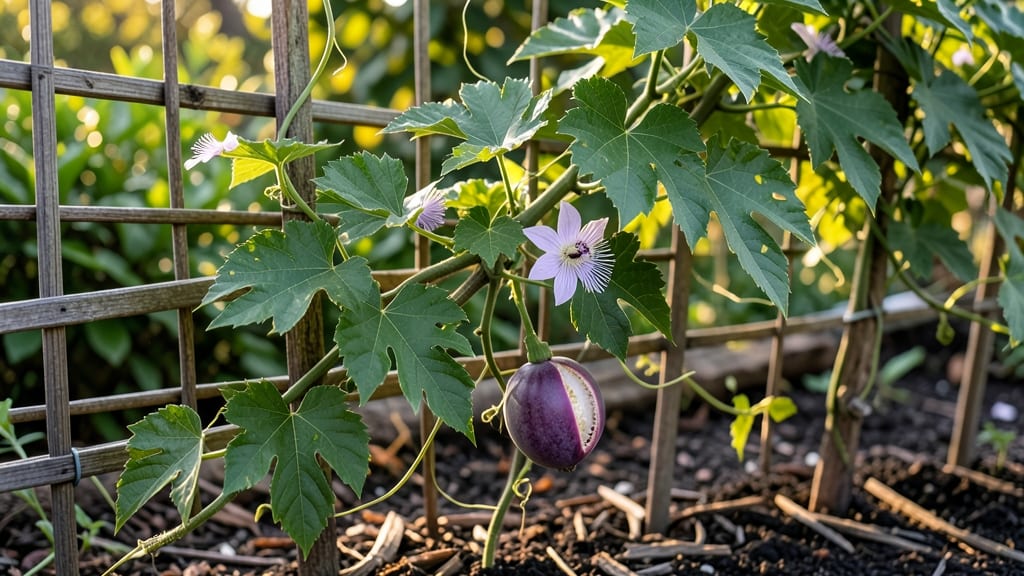
Growing passion fruit from seed or vine gives you exotic, fragrant fruit that tastes nothing like store-bought. 🌿 I've grown these vines for years—first in Florida, then in containers on my California patio—and the key is mimicking their tropical roots while keeping things simple.
The vines thrive in warm climates but can also produce fruit in containers if you give them enough sunlight and support.
You'll need a sunny spot (6+ hours of direct light daily), well-draining soil, and a sturdy trellis or fence for the vines to climb. Passion fruit loves heat but struggles with frost—so if you're in a cooler zone, grow it in pots you can move indoors in winter.
Start with seeds or a young vine, and expect first fruit in 12-18 months if you're patient (and lucky with pollinators).
The payoff is worth it: vibrant purple or yellow fruit bursting with tropical flavor, perfect for juices, desserts, or just eating fresh off the vine. The vines are fast-growing, so keep pruning to control size and encourage fruit production.
With the right care, you'll have a year-round harvest in warm climates—or at least a summer bounty in containers.
Works in small spaces (even balconies) and adapts to different climates with a few adjustments. Whether you're growing for the first time or troubleshooting a struggling vine, this guide covers everything you need to know. Let's get those vines climbing!
📚 In This Guide
- What you need
- Instructions
- Tips and common mistakes
- Wrapping up and next steps
What you need
- ● Passion fruit plants: Option 1: Seeds (2–5 seeds per plant; choose from varieties like Purple Passionfruit (Passiflora edulis) or Sweet Granadilla (Passiflora ligularis)).
- ● Option 2: Young vines (1–2 plants per container or in-ground spot; look for healthy, disease-free starts from a nursery).
- ● Potting mix or soil: Well-draining, slightly acidic soil (pH 6.5–7.5). Mix in compost (1 part compost to 3 parts soil) for nutrients.
- ● Fertilizer: Balanced fertilizer (10-10-10 or 20-20-20; apply every 4–6 weeks during growing season).
- ○ Citrus or fruit-specific fertilizer (optional, for extra nutrients like magnesium and zinc).
- ● Support structure: Trellis, arbor, or sturdy fence (6–10 feet tall; passion vines are vigorous climbers!).
- ● Container growers: 5-gallon pots or larger (with drainage holes) and bamboo stakes or wire cages for support.
- ● Pruning shears (sterilized with rubbing alcohol to prevent disease).
- ○ Gloves (optional, but passion fruit vines have thorns!).
- ● Watering can or hose with a gentle spray nozzle (passion fruit plants love moisture but hate soggy roots).
- ● Mulch (straw or wood chips; helps retain moisture and suppress weeds).
- ○ pH testing kit (optional, to monitor soil acidity).
- ● Climate: Passion fruit thrives in USDA Zones 8–11. In cooler zones, grow in containers and bring indoors during winter.
- ● Sunlight: Full sun (6–8 hours daily). Partial shade in extreme heat (e.g., afternoon shade in Zone 10+).
- ● Water: Consistent moisture (1–2 inches per week; drought-stressed plants may drop flowers/fruit).
- ● Wind protection: Young vines are fragile; plant near a windbreak or shelter if needed.
Step-by-Step instructions for growing passion fruit vines
Here's how to cultivate these exotic vines for lush foliage and sweet tropical fruit.
🌱 Step 1: Select and Prepare Your Passion Fruit Variety
Choose between purple passion fruit (Passiflora edulis) for sweet, seedy fruit or yellow passion fruit (Passiflora ligularis) for tart, jelly-like pulp. Both thrive in warm climates but require different chill hours—purple varieties tolerate slightly cooler temperatures. I recommend starting with a healthy, disease-free cutting or young plant from a reputable nursery to avoid introducing pests or weak genetics.
If propagating from seed, soak the pulp-covered seeds in warm water for 24 hours to soften the outer coating, then plant them ½ inch deep in a well-draining mix. Germination takes 2-4 weeks in 70-80°F soil. Seedlings grow fast, so keep them in a warm, humid environment until they develop 3-4 true leaves—that’s your signal to transplant.
🪴 Step 2: Plant in Well-Draining Soil with Full Sun Exposure
Passion fruit vines demand 6+ hours of direct sunlight daily—they won’t tolerate shade. Amend native soil with compost or aged manure to improve fertility, as these vines are heavy feeders. I dig a hole twice as wide as the root ball but only as deep as the container it came in, then loosen the surrounding soil to encourage root spread.
Plant in spring or early summer after the last frost, spacing vines 10-15 feet apart if growing in the ground or 8-10 feet apart if training along a trellis. Passion fruit vines climb aggressively, so install a sturdy support system (like a metal trellis or pergola) at planting. The roots are sensitive to waterlogging, so ensure the site has excellent drainage—soggy soil leads to root rot and stunted growth.
☀️ Step 3: Water Deeply and Fertilize for Vigorous Growth
Water newly planted vines deeply 2-3 times per week until established, then taper to once weekly once roots spread. The key is consistent moisture—let the top 2 inches of soil dry out between waterings to prevent fungal issues. I use drip irrigation to deliver water at the base, avoiding wetting the leaves, which reduces disease risk.
Feed vines every 4-6 weeks with a balanced, organic fertilizer (like 10-10-10) during the growing season. In late summer, switch to a phosphorus-heavy fertilizer (like 5-10-5) to encourage flowering. Passion fruit vines are heavy producers, so they reward consistent feeding—you’ll see new leaves and tendrils within weeks of proper fertilization.
✂️ Step 4: Prune and Train for Optimal Fruit Production
Prune vines in late winter or early spring before new growth begins. Remove dead, diseased, or crossing branches to improve airflow, then cut back overgrown vines by ⅓ to stimulate bushier growth. I also pinch back the tips of young shoots to encourage lateral branching, which increases fruit set. Passion fruit vines produce fruit on new wood, so aggressive pruning in autumn can reduce next year’s harvest.
Train vines along a trellis or pergola, guiding the main stems upward while allowing side branches to spread. This not only saves space but also makes fruit easier to harvest. Remove suckers (shoots growing from the base) unless you’re propagating new plants—these divert energy from fruit production. Watch for tendrils and gently weave them around the trellis to support the vine’s weight as it matures.
🍈 Step 5: Harvest and Overwinter for Year-Round Success
Passion fruit turns from green to its signature color (purple or yellow) when ripe. Gently twist the fruit from the vine—it should detach easily without resistance. Harvest in morning hours when temperatures are coolest to preserve quality. Ripe fruit stores for 2-3 weeks at room temperature or up to 2 months in the fridge.
In colder climates, protect vines from frost by covering them with frost cloth or bringing potted plants indoors before temperatures drop below 30°F. Even in mild winters, prune back vines by 50% in late winter to encourage new growth. Passion fruit vines are perennial in warm zones but may need winter care in cooler regions—don’t let them freeze, or you’ll lose next year’s crop.
Tips & tricks for perfect passion fruit vine cultivation
Growing these tropical vines successfully comes down to a few key tricks that prevent common pitfalls. Here's what I've learned from years of growing passion fruit—don't skip these!
Soil and Drainage Strategy: The most critical factor after sunlight is drainage. I've seen passion fruit vines fail spectacularly when planted in heavy clay soil because they're prone to root rot. If your native soil doesn't drain well, create a raised bed or amend with perlite and coarse sand to achieve that perfect well-draining mix. In Step 2, when you're preparing your planting site, take an extra 10 minutes to test drainage by digging a hole, filling it with water, and watching how quickly it drains—it should empty within an hour.
Climate Adaptation: While passion fruit thrives in warm climates, I've found that purple varieties can handle slightly cooler temperatures than their yellow counterparts. If you're in a transitional climate zone, plant your purple passion fruit vines where they'll get afternoon shade during hot summer months—this prevents heat stress while still giving them the 6+ hours of sunlight they need. In Step 1, when selecting your variety, consider your specific microclimate to choose the right type.
Pruning Precision: The timing and method of pruning in Step 4 make all the difference. I've learned that cutting back by exactly ⅓ stimulates bushier growth without sacrificing next year's harvest. Use sharp, sterilized pruners to make clean cuts just above a leaf node. For established vines, I recommend a two-step pruning approach: first remove all dead or diseased wood, then selectively thin out crowded branches to improve airflow—this prevents fungal diseases that can devastate your crop.
Fertilizer Transition: The switch from balanced fertilizer to phosphorus-heavy in late summer is crucial for flowering. I've seen vines produce abundant leaves but few flowers when growers don't make this transition. In Step 3, when you're preparing to switch fertilizers, apply a small amount of the phosphorus-heavy fertilizer about 6 weeks before your first expected frost date—this gives the plant time to process the nutrients before dormancy.
Pro Tips for Grow Passion Fruit
- Growing these tropical vines successfully comes down to a few key tricks that prevent common pitfalls.
- Soil and Drainage Strategy: The most critical factor after sunlight is drainage.
- Climate Adaptation: While passion fruit thrives in warm climates, I've found that purple varieties can handle slightly cooler temperatures than their yellow counterparts.
Frequently asked questions
Got questions about growing passion fruit? You’re not alone—this tropical vine can be tricky for beginners! Here are answers to the most common queries to help you cultivate a thriving harvest.
How long does it take for passion fruit vines to bear fruit?
Passion fruit vines typically take 12–18 months to produce fruit from seed, while grafted plants may bear fruit in 6–12 months. Patience is key—provide consistent care (sun, water, and support) to speed up the process.
Can passion fruit survive frost?
No, passion fruit vines are highly sensitive to frost and will die in temperatures below 28°F (-2°C). In colder climates, grow them in containers and move them indoors during winter. If you’re in a frost-prone area, consider Passiflora edulis forma flavicarpa (yellow passion fruit), which is slightly hardier.
What can I plant near passion fruit to improve growth?
Passion fruit thrives with companion plants like marigolds (pest deterrents), beans (nitrogen fixers), or citrus trees (shared moisture needs). Avoid planting near potatoes or tomatoes, as they compete for nutrients. A 3–5 foot buffer between vines and other plants ensures airflow and reduces disease risk.
Why are my passion fruit leaves turning yellow or dropping?
Yellowing leaves often signal overwatering, underwatering, or nutrient deficiencies. Check soil moisture—passion fruit prefers well-draining soil and 1–1.5 inches of water per week. Yellow edges? It could be magnesium or potassium deficiency. Feed with a balanced fertilizer (10-10-10) every 2–3 months.
Can I grow passion fruit in containers? What’s the best pot size?
Yes! Passion fruit vines do well in large containers (at least 15–20 gallons) with drainage holes. Choose a wide, shallow pot (18–24 inches in diameter) to accommodate sprawling roots. Use a lightweight potting mix with perlite or coconut coir for aeration. Move pots to a sunny spot and rotate them weekly for even growth.
How do I know when passion fruit is ripe and ready to pick?
Ripe passion fruit turns deep yellow (purple for some varieties) and feels slightly soft when gently squeezed. The skin may also develop a slight wrinkle near the stem. Pick in the morning for the best flavor—unripe fruit won’t sweeten after harvesting.
Wrapping up and next steps
Growing passion fruit is a rewarding journey that brings tropical flavors right to your doorstep! With the right location, soil, and care, you’ll enjoy lush vines and a bountiful harvest year-round. Whether you’re a beginner or a seasoned gardener, these steps make it easy—just be patient and consistent.
Now that you’re ready to plant, take the first step today! Start with healthy vines, monitor their growth, and soon you’ll be savoring homemade passion fruit treats. Happy gardening! 🌱🍈