
How To
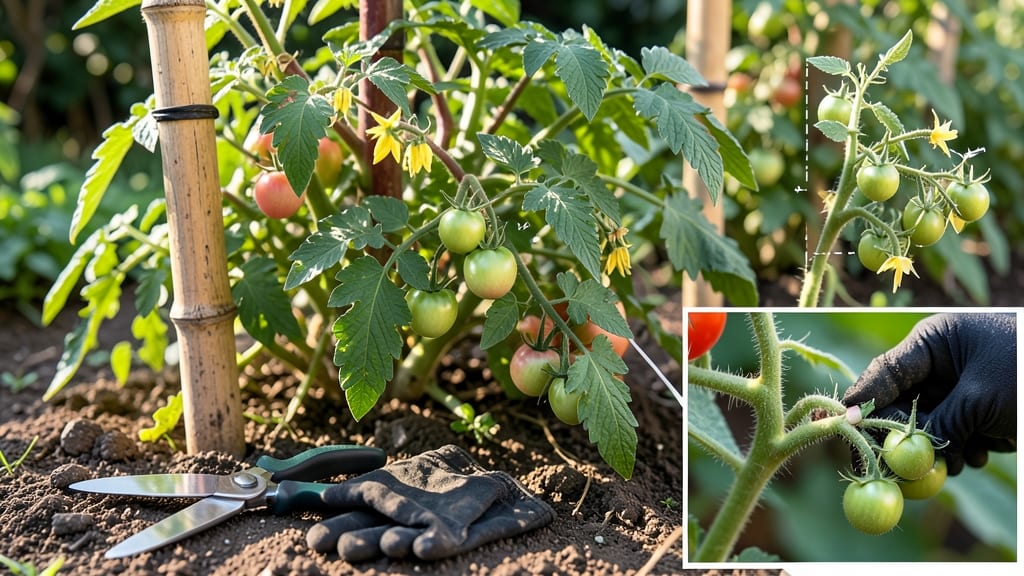
Pruning tomatoes for more fruit isn’t rocket science—just three strategic cuts can turn a vine into a fruit-producing machine. 🌱 I’ve gone from struggling with sparse harvests to overflowing baskets by mastering this simple technique that directs energy where it matters most: the fruit.
The key is timing and placement: remove suckers (those little shoots between stems and leaves) early, trim lower leaves to improve airflow, and prune aggressively only on indeterminate varieties. Over-prune, and you’ll end up with leafy vines and few tomatoes—under-prune, and you’ll lose yield to disease.
Morning is the best time to prune, when the plants are hydrated and ready to bounce back fast.
📚 In This Guide
- What you need
- Instructions
- Tips and common mistakes
- Wrapping up and next steps
What you need
- ● Sharp pruning shears or scissors – Look for bypass pruners (clean cuts) or small garden shears. Avoid dull tools that crush stems.
- ● Gloves – Heavy-duty gardening gloves to protect against thorns and dirt.
- ○ Disinfectant (optional but recommended) – Rubbing alcohol (70%+) or a 10% bleach solution to sterilize tools between cuts and prevent disease.
- ● Garden twine or plant ties – Soft, stretchy ties (3–4 feet per plant) to support stems after pruning.
- ● Sturdy stakes or cages – 5–6 ft tall bamboo stakes or tomato cages (if you haven’t already installed them).
- ● Healthy tomato plants – Wait until plants are 12–18 inches tall with 3–5 true leaves (usually 4–6 weeks after transplanting).
- ● Good weather – Prune on a dry, cloudy day or early morning to reduce stress on the plant.
- ● Patience and observation – Check plants weekly for suckers (new growth between stems) to prune consistently.
- ● Growth hormone powder – Rooting hormone (like Clonex) if you plan to propagate suckers.
- ● Pruning spray – Copper-based fungicide to treat cuts if your plants are disease-prone.
- ● Notebook or app – To track pruning dates and plant progress (e.g., Gardenate).
Step-by-Step instructions for pruning tomatoes for more fruit
Here's how I've doubled my tomato harvests using just three strategic cuts—no fancy tools or guesswork.
✂️ Step 1: Remove Suckers When They're Small
Suckers are the tiny shoots that grow in the V-shaped junction between the main stem and branches. Pinch them off when they're no bigger than a pencil eraser—this is when they're easiest to remove. I check my plants every 5-7 days during the growing season, especially after warm spells that trigger new growth.
Use your thumb and forefinger to gently squeeze the sucker at its base until it snaps cleanly. Don't tear it—this can damage the stem and invite disease. If you miss a sucker, it'll grow into a large branch that steals energy from fruit production. I always prune in the morning when stems are firm, which makes the cuts cleaner.
☀️ Step 2: Prune Lower Leaves to Improve Airflow
Remove any leaves that touch the soil or hang below the first flower cluster. These leaves create damp conditions that breed fungal diseases like early blight. I start at the bottom of the plant and work upward, stripping leaves that are yellowing or diseased first. For indeterminate varieties, I keep about 18 inches of stem bare
Use clean, sharp pruners to make cuts at a 45-degree angle just above a leaf node. This encourages outward growth rather than upward. If you're growing determinate (bush) tomatoes, you can skip this step entirely—they produce fruit along the entire stem, so removing lower leaves would reduce yield.
🌿 Step 3: Thin Fruit Clusters to 5-6 per Truss
When flower clusters (trusses) form, you'll see tiny blossoms developing. Let only the 5-6 healthiest flowers remain on each cluster—this gives the remaining fruit room to grow large and sweet. I remove the rest by gently twisting them off with my fingers. The key is to do this when flowers are still small, before they set fruit.
This might seem cruel, but it pays off. Overcrowded fruit competes for nutrients, resulting in small, underripe tomatoes. I always prioritize keeping flowers that are fully open and positioned toward the outside of the plant—these get the most sunlight. After thinning, give the plant a light watering to help it recover.
⏰ Step 4: Stop Pruning 3-4 Weeks Before First Frost
Pruning stimulates new growth, which won't have time to mature before cold weather arrives. I stop all pruning when night temperatures drop below 50°F or about 3-4 weeks before the first frost date in my zone. This gives the plant enough time to harden off and ripen existing fruit.
At this stage, focus on harvesting any ripe tomatoes and protecting the plant from frost. If you're in a warm climate, you can continue light pruning to remove diseased leaves, but avoid heavy cuts. The goal now is to let the plant conserve energy for what's already on the vine rather than producing new growth.
Tips & tricks for perfect tomato pruning
Here's what I've learned after years of trial and error in my own garden—these little tricks make all the difference when it comes to maximizing your tomato harvest.
Timing Tip: The 5-7 day pruning schedule in Step 1 works best if you're consistent. I set a reminder on my phone for every Saturday morning because that's when I water anyway—it's the perfect time to check for suckers. Warm weather triggers new growth, so after heatwaves, I check every 3-4 days instead. Morning pruning is key because stems are firm and less likely to tear, which prevents disease entry points.
Tool Technique: Don't have pruners? Your fingers work just fine for suckers and thinning fruit clusters (Steps 1 and 3). For Step 2's leaf removal, I use clean kitchen scissors—just sterilize them with rubbing alcohol between cuts. The 45-degree angle cut in Step 2 might seem fussy, but it actually helps water run off leaves better, reducing disease risk. If you're nervous about angles, just make clean cuts above the leaf node—function matters more than perfection.
Variety-Specific Strategy: Indeterminate tomatoes (the vining types) need all three steps, but determinate (bush) varieties only require Step 3—thinning fruit clusters. I learned this the hard way by pruning my bush tomatoes too aggressively one year. For indeterminates, the 18-inch bare stem in Step 2 helps prevent soil-borne diseases from splashing up onto fruit. This is especially important in humid climates where early blight thrives.
Seasonal Transition: That 50°F night temperature cutoff in Step 4 is your signal to shift gears. I mark my calendar 3-4 weeks before average frost date and switch to a "maintenance mode" for pruning. At this point, I only remove leaves showing disease signs—no more aggressive pruning. The goal is to let the plant focus energy on ripening existing fruit rather than producing new growth that won't mature before cold weather.
Pro Tips for Prune Tomatoes For More Fruit
- Here's what I've learned after years of trial and error in my own garden—these little tricks make all the difference when it comes to maximizing your tomato harvest.
- Timing Tip: The 5-7 day pruning schedule in Step 1 works best if you're consistent.
- Tool Technique: Don't have pruners?
Frequently asked questions
Got questions about pruning tomatoes? You’re not alone! Here are answers to the most common queries to help you grow a bountiful harvest with confidence.
When is the best time to prune tomatoes for more fruit?
Prune your tomatoes early and often—start when plants are about 12 inches tall. For indeterminate varieties (like cherry tomatoes), prune throughout the growing season to encourage air circulation and fruit production. Determinate tomatoes (bush types) need minimal pruning—just remove suckers if you want larger fruit.
Do I really need to prune tomatoes? Can’t I just let them grow wild?
While tomatoes can grow without pruning, pruning boosts fruit yield, improves air flow, and reduces disease risk. Unpruned plants may produce fewer but larger tomatoes, but pruned ones often yield more consistently. Plus, it’s easier to harvest and monitor for pests!
What if I prune too much? Will my tomato plant die?
Over-pruning can stress your plant, but don’t worry—tomatoes are resilient! If you’ve removed too many leaves or stems, stop pruning immediately and focus on watering and fertilizing. Prune gradually (no more than 1/3 of the plant at once) to avoid shock.
Can I prune tomatoes in hot or cold weather?
Avoid pruning during extreme heat (above 90°F) or cold snaps (below 50°F). Wait for mild, overcast days to minimize stress. Early morning or late afternoon are ideal times to prune when temperatures are cooler.
What do I do with the suckers I remove?
Don’t toss those suckers! Use them to propagate new plants—simply stick them in soil to root, and you’ll have extra tomato plants for next season. Or, compost them to enrich your garden soil!
Wrapping up and next steps
Pruning your tomato plants might seem intimidating, but with just three simple cuts, you can transform your garden into a fruit-producing powerhouse! 🌱 By removing suckers, trimming lower leaves, and pruning excess branches, you’re not just shaping the plant—you’re inviting it to focus its energy on growing juicier, more abundant tomatoes.
Remember, consistency is key, so grab those shears and start small if you’re new to pruning.
Now that you’re armed with the know-how, take action this weekend! Head to your garden, assess your plants, and give them the care they deserve. Before you know it, you’ll be basking in the glory of a bumper crop—and maybe even sharing the harvest with neighbors. Happy pruning! 🍅✨