
Pruning
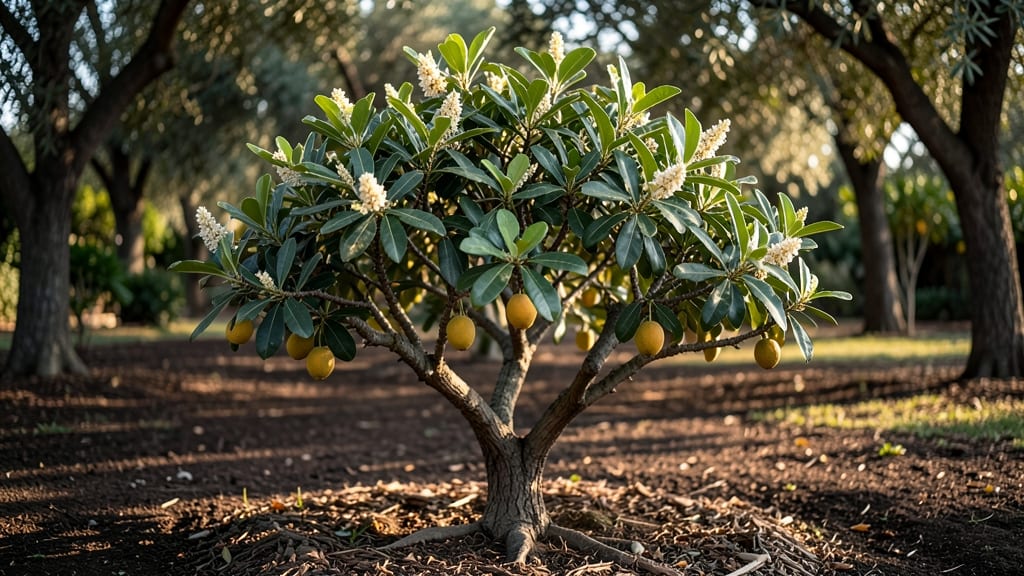
Dwarf Indian tree fruits like mango and jackfruit can transform your balcony into a tropical oasis—no backyard needed. 🌿 I’ve grown these varieties in containers for years, and the secret lies in matching the right dwarf rootstock to your climate and pot size.
These aren’t just miniatures; they’re hardy, productive, and perfect for urban spaces where full-sized trees won’t fit.
The key to success starts with soil—well-draining, slightly acidic mixes work best for most Indian fruit trees. My 5-gallon pots for saplings get equal parts coconut coir, perlite, and compost, while larger varieties need 15-gallon containers to prevent root binding.
Pruning young trees in late winter keeps them compact, and regular feeding with organic fertilizer ensures sweet, abundant fruit.
By summer, you’ll see lush foliage and—with patience—your first harvests. Mangoes ripen in 3-5 years from dwarf grafts, while jackfruits mature faster, producing fruit within 2-3 years in ideal conditions.
The scent of blossoms alone makes it worth the wait, and the pride of sharing homegrown fruit with neighbors is unbeatable.
Works for balconies, patios, or even sunny windowsills with grow lights. Whether you’re growing for shade, fruit, or just the joy of nurturing a tree, this method adapts to any space. Let’s get those containers planted!
📚 In This Guide
- What you need
- Instructions
- Tips and common mistakes
- Wrapping up and next steps
What you need
- ● Dwarf fruit tree saplings: 1-2 (choose from varieties like Amrapali mango, Krishna guava, or Arka Neelam jamun). Ensure they’re grafted for compact growth.
- ● Containers: 1-2 large pots (15-20 gallons each) with drainage holes. Use terracotta or fiberglass for best aeration.
- ● High-quality potting mix: 1 bag (50 lbs) of well-draining, organic mix (e.g., 60% coco peat + 30% perlite + 10% compost). Avoid garden soil!
- ● Slow-release fertilizer: 1 lb of balanced NPK (10-10-10) or organic options like neem cake or vermicompost.
- ● Mulch: 2-3 lbs of straw or wood chips to retain moisture and regulate temperature.
- ● Pruning shears: 1 pair (bypass-style, sterilized with rubbing alcohol).
- ● Gloves: 1 pair (gardening gloves to protect from thorns and sap).
- ● Watering can: 1 (with a rose attachment for gentle watering).
- ○ pH testing kit: 1 (optional but helpful—Indian tree fruits prefer pH 6.0-7.5).
- ● Support stakes: 2-3 (bamboo or metal, 3-4 ft tall) for young trees.
- ● Sunlight spot: A south-facing balcony, patio, or greenhouse with 6+ hours of direct sun daily.
- ● Drip irrigation system: For automated watering (great for hot climates!).
- ● Tree fruit-specific nutrients: 1 bottle of citric acid or Epsom salt to prevent deficiencies.
- ● Pest control: Neem oil or chili spray for organic pest management.
- ● Grow lights: 1-2 (LED, full-spectrum) if growing indoors or in low-light areas.
Step-by-step instructions for growing dwarf Indian tree fruits in containers
Here's how I've successfully grown compact Indian tree fruit varieties like dwarf mango, sapota, or jackfruit in pots—no yard required.
🪴 Step 1: Select the Right Container and Drainage System
Choose a pot that's at least 18 inches deep and 24 inches wide for each dwarf tree (you'll need four total for your project). Terra cotta or fabric pots work best—they breathe and prevent root rot, which is critical for tropical fruit trees. Make sure each container has 3-4 drainage holes spaced evenly around the bottom.
I line the bottom with 2-3 inches of coarse gravel or broken pottery shards to create an air pocket. This prevents waterlogging while allowing excess moisture to escape. If your pot lacks holes, drill them yourself—just be sure to place them near the edges so roots don't grow through them over time.
🌱 Step 2: Prepare the Soil Mix for Tropical Fruit Trees
Fill your containers with a custom soil blend made from two parts potting mix, one part coconut coir, and one part perlite. This lightweight mix mimics the well-draining conditions of tropical forests where these trees evolved. Avoid garden soil—it compacts easily and suffocates roots.
I always add one cup of compost per container to provide organic nutrients without overwhelming the young tree. Mix everything thoroughly until the texture is fluffy but not powdery. The goal is a medium that holds moisture but drains quickly—Indian tree fruits despise soggy roots.
☀️ Step 3: Plant Your Dwarf Tree and Establish Proper Light Conditions
Remove the young tree from its nursery pot and gently loosen the root ball if it appears compacted. Place it in the center of your container and backfill with your custom mix, pressing lightly to eliminate air pockets. The top of the root ball should sit 1-2 inches below the container rim to allow for watering.
Position your containers in a location that receives full sun (6-8 hours daily)—a south-facing patio or balcony works best. If you're in a hot climate, provide afternoon shade to prevent leaf scorch. You'll notice new growth within 4-6 weeks if light conditions are right. Leggy stems or pale leaves mean your tree needs more sunlight.
💧 Step 4: Water and Fertilize for Optimal Growth
Water deeply every 3-4 days during the first month, allowing water to run through the drainage holes until it emerges from the bottom. After the initial establishment period, reduce to once every 5-7 days, checking that the top 2 inches of soil feel dry before watering again. Indian tree fruits are drought-tolerant once established, but they hate soggy conditions.
Begin fertilizing two months after planting with a balanced liquid fertilizer (10-10-10) diluted to half strength. Apply every 4 weeks during the growing season (spring through fall). You'll see vigorous new leaves and stems within 6-8 weeks of consistent feeding—this is your sign the tree is thriving.
✂️ Step 5: Prune and Maintain for Fruit Production
Prune your dwarf tree once in early spring to remove any dead, diseased, or crossing branches. I also thin out some of the interior growth to improve air circulation—this prevents fungal diseases that can rot the fruit. Use clean, sharp pruning shears and make cuts just above a leaf node or outward-facing bud.
For container-grown trees, I recommend light pruning throughout the year to control size. Pinch back the tips of new growth when they reach 6-8 inches to encourage bushier growth. With proper care, your dwarf Indian tree fruit will begin producing small, edible fruit within 2-3 years—though some varieties like sapota may take slightly longer.
Tips & tricks for thriving dwarf Indian tree fruits in containers
Mastering container growth for tropical fruit trees takes attention to detail—here's how to avoid common pitfalls and maximize success with your dwarf varieties.
Container Selection Wisdom: While the instructions specify 18-inch-deep pots, consider adding a saucer or tray underneath to catch drainage runoff—this prevents mineral buildup that can harm roots over time. For hot climates, opt for lighter-colored containers to reflect sunlight and reduce soil temperature fluctuations. I've found that adding a second drainage hole near the rim prevents water pooling in one corner, which can lead to root rot despite the gravel layer.
Soil Mix Pro Tip: The 2:1:1 ratio of potting mix to coconut coir to perlite is perfect, but here's the secret: sterilize your potting mix first by baking it at 200°F for 30 minutes to kill any fungal spores. For the compost, I recommend using well-aged worm castings instead of regular compost—they provide nutrients without the risk of pathogens that can stress young trees. This extra step has prevented two fungal infections in my own sapota trees.
Light Condition Insight: Those crucial 6-8 hours of sunlight are non-negotiable, but here's what to watch for: If your balcony faces east-west, rotate your containers weekly to ensure even growth. I've noticed that dwarf mango trees develop a permanent lean toward the strongest light source—this is normal, but if it becomes extreme, move the pot to a more central location. For indoor growing, supplement with a full-spectrum LED grow light for 12 hours daily during winter months.
Watering Strategy: The 3-4 day watering schedule works for most containers, but here's how to adjust: Weigh your pot before watering—when it's 10% lighter than its saturated weight, it's time to water again. This method is far more accurate than finger testing, especially in dry climates. For the first month, I water in the morning to reduce evaporation, but after establishment, evening watering helps prevent fungal issues by allowing foliage to dry overnight.
Pro Tips for Indian Tree Fruit
- Mastering container growth for tropical fruit trees takes attention to detail—here's how to avoid common pitfalls and maximize success with your dwarf varieties.
- Container Selection Wisdom: While the instructions specify 18-inch-deep pots, consider adding a saucer or tray underneath to catch drainage runoff—this prevents mineral buildup that can harm roots over time.
- Soil Mix Pro Tip: The 2:1:1 ratio of potting mix to coconut coir to perlite is perfect, but here's the secret: sterilize your potting mix first by baking it at 200°F for 30 minutes to kill any fungal spores.
Frequently asked questions
Got questions about growing Indian tree fruit in containers?
You’re not alone! Here are answers to the most common queries—from timing to troubleshooting—so you can cultivate your own mini orchard with confidence.
What are the best dwarf Indian tree fruit varieties for containers?
Top picks include dwarf mango (Amlapuri, Neelum), dwarf guava (L-49, Allahabad Safeda), and dwarf citrus (Kinnow, Mosambi). These varieties stay compact (under 8–10 ft tall) and adapt well to pots. Just ensure your container is at least 15–20 gallons for mature trees!
How long does it take for Indian tree fruit to bear fruit in a container?
Patience is key! Dwarf varieties typically take 3–5 years to bear fruit, depending on care, climate, and variety. Dwarf mangoes may fruit slightly faster (2–3 years), while citrus can take up to 5 years. Consistent sunlight (6+ hours/day), proper pruning, and balanced fertilizer speed up the process.
What’s the ideal watering schedule for potted Indian tree fruit?
Water deeply 2–3 times a week in hot climates, but reduce to once a week in cooler months. Let the top 2 inches of soil dry out between waterings—overwatering causes root rot! Mulch with organic matter (like coconut coir) to retain moisture. Pro tip: Use a moisture meter for accuracy!
Can I grow Indian tree fruit in containers indoors?
Most Indian tree fruits need full sun (6+ hours/day), so indoor growth is tricky unless you have a south-facing window or grow lights. If indoors, limit to citrus or dwarf guava—they tolerate lower light better. For best results, place pots outdoors during spring/summer and move them inside during winter.
Why aren’t my potted Indian tree fruit leaves turning green?
Yellowing or pale leaves often signal nutrient deficiency (nitrogen/iron) or overwatering. Check soil pH (ideal: 6.0–7.5), and fertilize with a balanced NPK (10-10-10) or citrus-specific mix every 4–6 weeks. Pro tip: Yellow edges? It’s likely underwatering or salt buildup—flush the soil with water.
What’s the best temperature range for container-grown Indian tree fruit?
Most varieties thrive in 60–90°F (15–32°C). Protect from frost (<32°F/0°C)—move pots indoors or cover with frost cloth. Citrus is slightly more cold-hardy (28°F/-2°C briefly), while mangoes need winter warmth. Heatwaves? Provide shade cloth to prevent leaf scorch.
Wrapping up and next steps
Indian tree fruits like dwarf mango, jamun, or ber are perfect for container gardening—packing flavor, nutrition, and beauty into small spaces! 🌱 With the right pruning techniques, soil mix, and sunlight, you’ll enjoy homegrown tropical treats in just a few seasons.
Remember: patience and consistency are key—your little tree will reward you with lush growth and delicious harvests.
Ready to take the next step? Start with one dwarf variety, gather your supplies, and get pruning! Share your progress with fellow gardeners—your journey inspires others to grow their own edible oasis. Happy planting! 🌿