
Vegetables
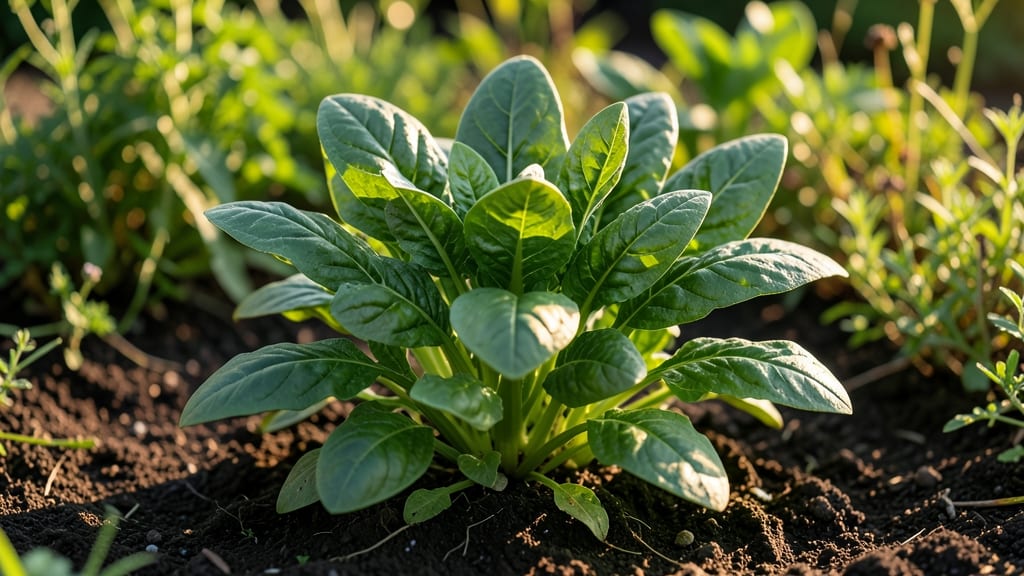
Is spinach a fruit or vegetable? It is a vegetable botanically, classified as a leafy green grown for its edible leaves, though it produces tiny seeds that technically make it a flowering plant. Culinary use defines it as a vegetable in most kitchens worldwide.
Spinach gets its vegetable classification from how we eat it—its tender leaves are the star ingredient, not its seeds. 🌱 Botanically, it's part of the flowering plant family (like most greens), but its culinary role as a side dish or salad base is what matters in the kitchen.
Even though it produces flowers and seeds, those parts aren't what we consume, making it functionally a vegetable in both science and cooking.
What's fascinating is how this distinction plays out in everyday meals. Spinach's mild, slightly earthy flavor works perfectly in everything from creamy soups to raw salads, proving its vegetable status isn't just theoretical.
The confusion often comes from how we categorize plants based on what we eat rather than their reproductive structures.
💡 In This Article
- Botanical Classification: Why Spinach Is a Vegetable
- Culinary Uses of Spinach: How It Functions as a Vegetable
Botanical classification: why spinach is a vegetable
The confusion about spinach stems from how botanists define fruits versus vegetables. Scientifically, a fruit develops from a plant's flower and contains seeds—like tomatoes or cucumbers. Spinach, however, produces tiny yellow flowers that develop into seeds, but we never eat those parts.
Instead, we harvest its large, nutrient-packed leaves, which are technically modified stems called petioles and leaf blades. This makes spinach a vegetable by botanical definition because we consume non-reproductive plant parts.
Here's where it gets interesting: spinach belongs to the Amaranthaceae family, which includes other leafy greens like beets and Swiss chard. These plants produce flowers and seeds, but their edible portions are leaves—just like lettuce or kale.
The key difference? Fruits (like apples) develop from fertilized flowers, while vegetables are other edible plant components. Spinach's seeds are so small and insignificant to our diet that they don't factor into its classification. 🌱
Taxonomy contrasts sharply with culinary reality. While botanists focus on reproductive structures, chefs and home cooks care about flavor, texture, and preparation. Spinach's tender leaves are perfect for sautéing at 350°F for 2-3 minutes, wilting into creamy dips, or blending into smoothies.
These uses align with vegetable behavior—supporting dishes rather than standing alone like fruits might. Even the USDA categorizes spinach under "Vegetables" in its food groups, despite its botanical family.
Consider this comparison: A tomato is botanically a fruit but treated as a vegetable in cooking, while spinach is botanically a vegetable despite its flowering nature. The distinction shows how human consumption drives classification.
Spinach's leaves contain 91% water, 3% protein, and vital minerals like iron and vitamin K—nutritional profiles that match other leafy vegetables. The seeds, meanwhile, are barely noticeable in culinary contexts, reinforcing its vegetable status.
What most people overlook is how spinach's growth cycle mirrors other vegetables. It's an annual plant grown for its leaves, not its seeds. The flowers appear only after 45-60 days of growth, long after the leaves become edible.
This delayed reproduction is typical of leafy greens cultivated for their foliage, not their fruit. The seeds serve ecological purposes, not culinary ones—further separating spinach from fruits in everyday use.
This botanical vs. culinary divide explains why spinach appears in vegetable sections of grocery stores, despite its flowering nature. The confusion arises because we've trained ourselves to associate "vegetable" with savory, non-fruity foods—even when science tells a different story.
Spinach proves that classification depends entirely on what we choose to eat, not just what plants produce. 💫