
Vegetables
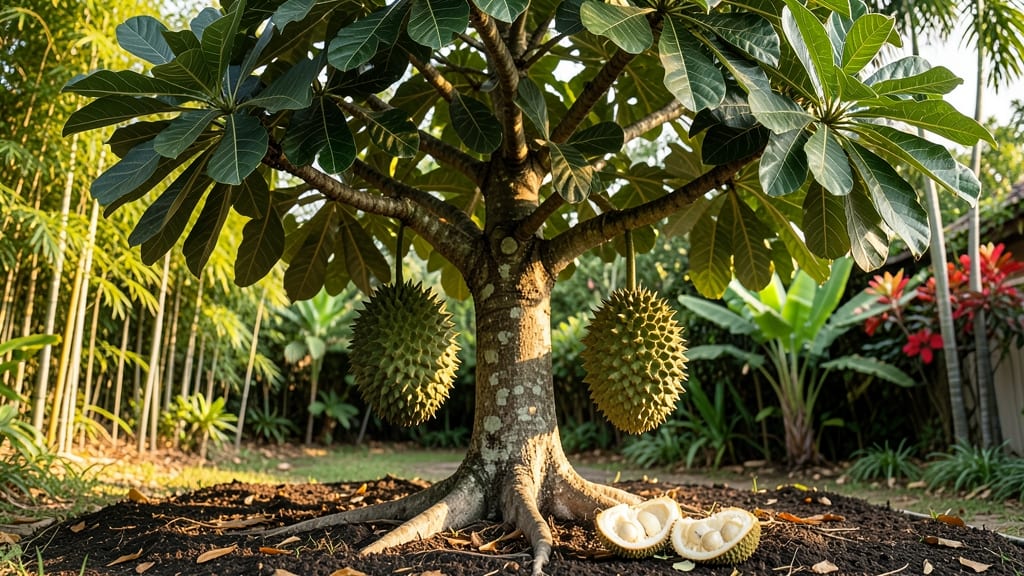
Jackfruit in Mexico is a prized ingredient in regional cooking, used in everything from sweet mango con chile dishes to savory tacos, thanks to its adaptable texture and mildly sweet flavor when ripe or firm when unripe. It flourishes in Mexico's warm coastal regions like Veracruz and Oaxaca.
Mexico's tropical climate makes it an ideal home for jackfruit, which local chefs use to mimic pulled pork in tacos or blend into creamy desserts like atole. 🌿 The fruit's ability to absorb flavors—whether spicy, sweet, or tangy—makes it a staple in street food and home kitchens alike.
What's fascinating is how its texture changes from stringy when unripe to soft and custard-like when fully ripe, giving cooks two distinct culinary options in one fruit.
In Veracruz, jackfruit often stars in seafood-inspired dishes, while Oaxacan recipes highlight its versatility in both sweet and savory profiles. Many families grow it in home gardens, harvesting it year-round in these warm climates.
The fruit's mild sweetness pairs perfectly with Mexico's bold spices, making it a favorite for both traditional and modern recipes.
💡 In This Article
- Growing Jackfruit in Mexico’s Climate Zones
- Traditional Mexican Jackfruit Recipes and Uses
Growing jackfruit in Mexico’s climate zones
Mexico’s tropical and subtropical regions—particularly Veracruz, Chiapas, and Yucatán—offer perfect conditions for jackfruit cultivation due to their warm temperatures and high humidity. The fruit thrives in areas with 25-30°C (77-86°F) average temperatures and well-drained, slightly acidic soil with a pH between 6.0-6.5.
In Veracruz, coastal breezes and consistent rainfall create ideal growing conditions, while Chiapas’ high-altitude tropical zones provide cooler nights that slow fruit maturation, enhancing sweetness.
The jackfruit tree (Artocarpus heterophyllus) requires 150-200 cm (60-80 inches) of annual rainfall, but supplemental irrigation is often needed during dry seasons, especially in Yucatán. Young trees need frequent watering (2-3 times per week) until established, while mature trees tolerate drought better but produce fewer fruits. 🌱 Planting typically occurs in the dry season (November-February) to avoid fungal diseases, with trees reaching maturity in 3-5 years and yielding 50-100 kg (110-220 lbs) of fruit annually.
Soil composition is critical—jackfruit trees prefer loose, sandy loam with organic matter. In Mexico’s volcanic regions, like parts of Oaxaca, the soil naturally contains minerals that boost fruit sweetness. Farmers often enrich soil with compost or banana peels, which decompose quickly and provide potassium, a key nutrient for jackfruit development.
The tree’s extensive root system also makes it drought-resistant once established, reducing irrigation needs after the first year.
One challenge in Mexican cultivation is pest control, particularly from fruit flies and aphids. Local farmers use neem oil or natural predators like ladybugs to manage infestations without chemicals. The jackfruit’s thick, spiky husk also deters many pests, making it a low-maintenance crop once planted.
In Veracruz, some farms even intercrop jackfruit with coconut palms to maximize space and improve soil health through natural mulching.
Harvesting occurs year-round in warm climates, but peak seasons vary by region. Veracruz produces jackfruit from May-October, while Chiapas extends harvests to December-April due to its cooler highlands.
Ripe jackfruit releases a sweet, tropical aroma, while unripe fruit has a firmer, slightly astringent bite—both stages are prized in Mexican cuisine for different dishes. 🌿
The fruit’s adaptability to Mexico’s diverse microclimates has made it a staple in home gardens and commercial orchards. In Oaxaca, for example, small-scale farmers often sell jackfruit at local markets within 24 hours of harvest to preserve its freshness, as the fruit’s sugar content increases rapidly after picking.
This regional variation in growing conditions directly influences the flavor and texture of jackfruit used in Mexican recipes.