
Fertilization
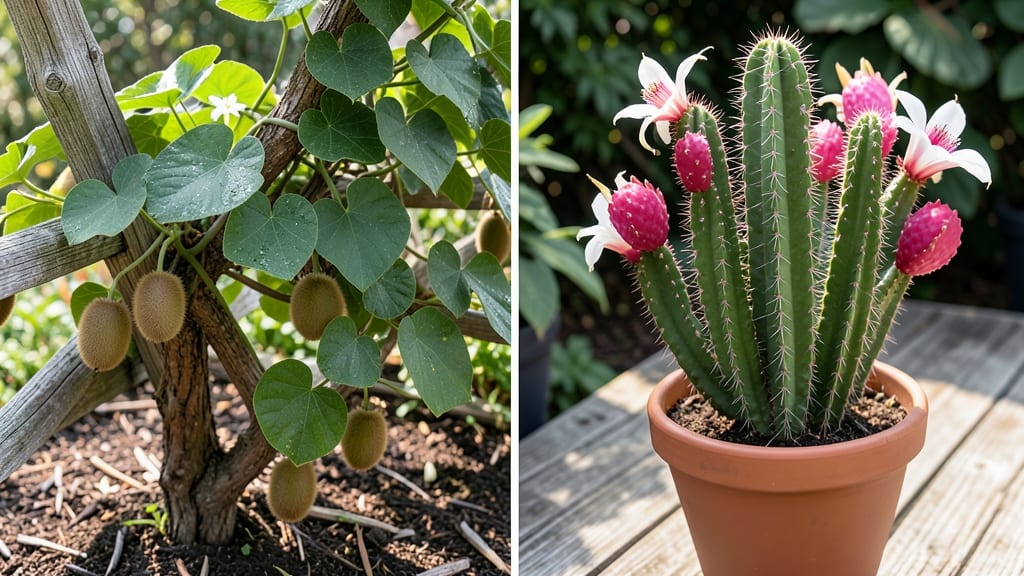
Growing kiwi dragon fruit in containers feels like bringing a slice of Hawaii to your patio—no tropical vacation required. 🌺 These striking vines produce edible fruit with minimal fuss, and I’ve grown them successfully in zones 9-11 (and even indoors in cooler climates).
The secret lies in mimicking their natural desert-forest habitat: bright light, fast-draining soil, and just enough water to keep roots happy without drowning them.
You’ll need a sturdy container at least 12 inches wide with drainage holes, a well-draining cactus/succulent mix, and a sunny spot getting 6+ hours of direct light daily. Start with seeds (slow but rewarding) or cuttings (faster, but harder to find).
Most beginners struggle with overwatering—these plants prefer dryness between drinks, so let the top inch of soil dry out completely before watering again.
By late summer, you’ll see those iconic pink night-blooming flowers followed by the quirky, scaly fruit. The vines grow aggressively—prune in early spring to control size and encourage bushier growth.
With proper care, your container can produce fruit within 18-24 months, and the vines will reward you for years with minimal maintenance.
Works equally well on balconies, greenhouses, or sunny windowsills—just adjust light and water as seasons change. Here’s how to keep them thriving through every challenge, from pests to winter dormancy.
📚 In This Guide
- What you need
- Instructions
- Tips and common mistakes
- Wrapping up and next steps
What you need
- ● Pitaya (Dragon Fruit) Cuttings: 3–5 healthy, 12–18" long cuttings with 2–3 nodes each (ask at a local nursery or order online).
- ● Container: A 5-gallon+ pot (18"+ diameter) with drainage holes. Pro tip: Terracotta or fabric pots work best for airflow!
- ● Well-Draining Soil: Mix 60% cactus/succulent soil + 30% perlite/pumice + 10% compost (avoid heavy garden soil—roots hate sogginess!).
- ○ Rooting Hormone (optional but helpful): A small tube or powder to boost cutting success.
- ● Pruning Shears: Sharp, clean pair for trimming cuttings.
- ● Spray Bottle: For misting cuttings during rooting.
- ● Support Trellis: A 6–8 ft tall bamboo stake or wire cage (dragon fruit vines are climbers!).
- ● Balanced Fertilizer: 10-10-10 or 7-9-5 (diluted to half-strength) for feeding. Pro tip: Switch to low-nitrogen, high-potassium (like 5-10-10) when flowering!
- ○ Mulch (optional): Gravel or bark chips to retain moisture and deter weeds.
- ● A sunny spot (6+ hours of direct light daily). Indoor growers? Use a grow light 12–14 hours/day.
- ● Warmth: Ideal temps: 70–95°F (60°F minimum). Chilly climates? Move pots indoors in winter.
- ● Patience: Cuttings take 4–8 weeks to root; first fruit appears in 18–24 months!
How to grow kiwi dragon fruit in containers
Here's the straightforward method I've used to coax these exotic vines into fruitfulness—even in modest spaces.
🌱 Step 1: Select the Right Variety and Starting Material
For container growing, choose the kiwi dragon fruit (Hylocereus undatus), a dwarf variety that stays under 10 feet when properly pruned. You'll need 4-6 mature cuttings (each with 3-4 nodes) or potted plants from a specialty nursery—avoid grocery store plants, as they're often sterile hybrids. The nodes are the bumps along the vine where roots and branches emerge.
Inspect your cuttings carefully. Healthy nodes should be firm and green, not shriveled or brown. Soak the cuttings in lukewarm water for 24 hours before planting to encourage root formation. I like to use a small glass of water and change it daily—this prevents bacterial growth while stimulating root growth.
🪴 Step 2: Prepare Containers and Potting Mix
Use 10-15 gallon containers with drainage holes—kiwi dragon fruit roots need oxygen but hate soggy soil. I recommend fabric grow bags because they allow excess moisture to evaporate while still providing structural support. Fill the bottom 3 inches with perlite or pumice to improve drainage and prevent compaction.
Fill the remaining space with a well-draining cactus/succulent mix blended with 20% coconut coir for moisture retention. Avoid garden soil—it compacts and suffocates roots. Mix in a slow-release fertilizer (look for one with low nitrogen and high phosphorus) to kickstart growth. The potting mix should feel light and airy, like damp sand when squeezed.
☀️ Step 3: Plant and Provide Initial Care
Plant your cuttings 2 inches deep, burying two nodes below the soil line. Space multiple cuttings 6 inches apart in the same container—they'll tangle and support each other as they grow. Gently press the soil around the nodes to ensure good contact but don't pack it down tightly. Water lightly immediately after planting to settle the soil.
Place the container in a location with bright, indirect light for the first 2 weeks—direct sun can scorch the delicate new growth. You'll know your cuttings are rooting when new leaves emerge from the top nodes. Kiwi dragon fruit is slow to establish, so patience is key. Avoid fertilizing during this phase—wait until you see new growth before adding nutrients.
💧 Step 4: Establish Light and Watering Routine
Once rooted, move your container to a spot with full sun (6+ hours daily)—a south-facing window or under grow lights works well. Kiwi dragon fruit thrives in warmth (70-90°F) and needs consistent humidity. If your home is dry, mist the leaves daily or place the pot on a pebble tray filled with water. The goal is to mimic the vine's tropical habitat without overwatering.
Water when the top 2 inches of soil feel dry—stick your finger in to check. Overwatering is the #1 killer of container-grown dragon fruit. The roots should have 1-2 weeks between waterings once established. In winter, reduce watering to every 3-4 weeks, as growth slows dramatically. Yellowing leaves often signal overwatering, while crispy edges mean the plant needs more moisture.
✂️ Step 5: Prune and Encourage Fruit Production
Pruning isn't just about shaping—it's how you trigger flowering and fruiting. When your vine reaches 6 feet, trim back the longest stems by one-third to encourage bushier growth. Remove any dead or diseased branches immediately with sterilized pruners. The best time to prune is early spring, just as new growth begins.
Kiwi dragon fruit flowers only at night and require cross-pollination—even in containers. If you have multiple plants, they'll pollinate each other naturally. For single plants, use a small paintbrush to transfer pollen from one flower to another in the evening. Flowers last only one night, so timing matters. Once pollinated, you'll see small, green fruits develop within 2-3 weeks. Harvest when they're fully red or pink, typically 3-4 months after flowering.
Tips & tricks for growing kiwi dragon fruit in containers
Here's what I learned after years of coaxing these tropical vines to thrive in containers—tricks that'll save you time and frustration.
Rooting Secret: The 24-hour soaking of cuttings in lukewarm water is non-negotiable. I've tried shorter times and seen slower root development. Change the water daily to prevent bacterial growth—this makes all the difference in getting vigorous roots. For extra insurance, add a rooting hormone (optional) to the water before planting. The nodes should plump up slightly after soaking, indicating readiness to root.
Container Selection: Fabric grow bags are my top recommendation because they allow excess moisture to evaporate while still providing structural support. If you don't have fabric bags, use 10-15 gallon plastic or ceramic containers with drainage holes—just avoid terracotta, which dries out too quickly. The 3 inches of perlite at the bottom creates a perfect drainage layer that prevents root rot, which is especially critical for these tropical vines.
Light Transition: The first 2 weeks of bright, indirect light are crucial for preventing sun scorch on delicate new growth. I use a grow light on a timer (12 hours/day) for my indoor plants during winter months. Watch for pale leaves—this is your cue to increase light gradually. Once established, your dragon fruit will crave full sun (6+ hours daily), but the initial transition period is where most beginners see problems.
Pruning Strategy: When your vine hits 6 feet, prune the longest stems by one-third to encourage bushier growth and more flowering sites. I always prune in early spring because this aligns with the plant's natural growth cycle. Use sterilized pruners to make clean cuts just above a node—this prevents disease and encourages new growth from the right spot. The key is to maintain an open, airy structure that allows sunlight to penetrate all parts of the plant.
Pro Tips for Kiwi Dragon Fruit
- Here's what I learned after years of coaxing these tropical vines to thrive in containers—tricks that'll save you time and frustration.
- Rooting Secret: The 24-hour soaking of cuttings in lukewarm water is non-negotiable.
- Container Selection: Fabric grow bags are my top recommendation because they allow excess moisture to evaporate while still providing structural support.
Frequently asked questions
Got questions about growing kiwi dragon fruit (or Hylocereus undatus)? You’re not alone! Here are some of the most common queries—plus straightforward answers to help you cultivate this tropical beauty with confidence.
How long does it take for kiwi dragon fruit vines to bear fruit?
Patience is key! With proper care, kiwi dragon fruit vines typically take 2–3 years to produce their first flowers, followed by fruit in 3–5 months after flowering. Young plants may take longer—focus on strong growth first by providing bright, indirect light and a well-draining potting mix. Pro tip: Use a balanced fertilizer (like 10-10-10) every 4–6 weeks during spring/summer to speed up maturation.
Can kiwi dragon fruit survive winter indoors? What’s the ideal temperature?
These tropical vines hate cold—keep them in 65–85°F year-round. If temps drop below 50°F, move them indoors near a south-facing window or under grow lights. Avoid drafts (like AC vents) and reduce watering in winter, as growth slows. Troubleshooting: Yellow leaves? Likely overwatering—let the soil dry 2–3 inches deep before watering again.
Is kiwi dragon fruit edible? How do I harvest and eat it?
The pink-fleshed fruit is sweet, tangy, and packed with vitamin C. Harvest when the skin turns deep pink/magenta and feels slightly soft when gently squeezed. Cut open with a knife, scoop out the flesh with a spoon, and enjoy fresh or blend into smoothies. Fun fact: The seeds are edible too—just chew them like chia seeds for extra fiber!
What’s the best fertilizer for kiwi dragon fruit? Organic or synthetic?
Both work, but organic fertilizers (like compost tea or fish emulsion) are gentler for container-grown vines. Use a low-nitrogen, high-potassium blend (e.g., 5-10-10) during flowering/fruiting stages. Feed every 6–8 weeks in growing season (spring–fall) and reduce in winter. Warning: Over-fertilizing causes leaf burn—always water before applying fertilizer.
Why are my kiwi dragon fruit leaves turning yellow or dropping?
Yellow leaves usually signal overwatering or nutrient deficiencies. Check these fixes:
- Watering: Let soil dry completely between waterings (stick your finger 2 inches deep—if dry, water).
- Drainage: Ensure pots have drainage holes to prevent root rot.
- Light: Leggy vines or pale leaves? Move to brighter light (4–6 hours of direct sun daily).
- Fertilizer: Yellow edges? Flush soil with water to remove excess salts, then reapply a balanced fertilizer.
Still struggling? Check for pests like spider mites (tiny webs on undersides of leaves) and treat with neem oil.
Wrapping up and next steps
Growing kiwi dragon fruit in containers is a rewarding adventure that brings vibrant color and exotic flavors to your space—with surprisingly little effort! 🌱 Whether you're a seasoned gardener or a curious beginner, these tropical vines prove that stunning harvests are possible with the right light, soil, and patience.
Start small, stay consistent with your care routine, and soon you’ll be savoring homegrown dragon fruit straight from your balcony or patio.
Ready to take the next step? Plant your seeds or cuttings today and watch your green thumb grow—literally! Share your progress with fellow plant lovers or experiment with new container setups. The tropical paradise starts with one vine at a time. 🌿