
Pruning
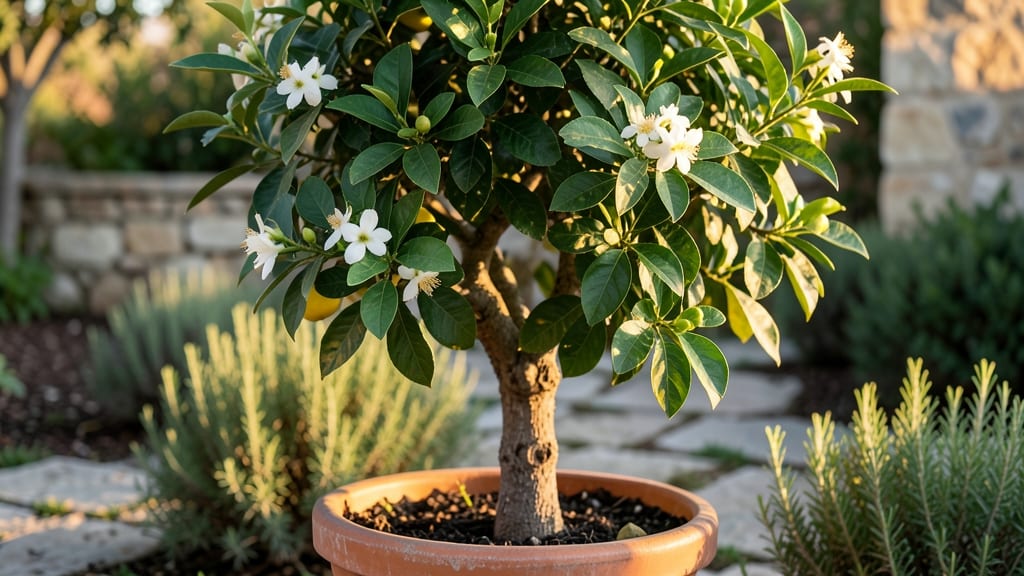
A lemon tree not fruiting feels like waiting for a promise that never arrives. 🌿 The good news? Most non-fruiting issues have simple fixes—starting with sunlight. My Meyer lemon tree went from zero lemons to a heavy harvest in just one season after I moved it to a sunnier spot.
The key is understanding what your tree actually needs versus what you're giving it.
Blooms disappear when trees get confused: too much water drowns roots, too little stresses them, and wrong fertilizers push leaves over fruit. I learned the hard way that citrus trees hate nitrogen-heavy feedings—they'll grow lush foliage but skip the flowers.
The fix? A balanced citrus fertilizer in early spring, followed by monthly checks for pests hiding under those new leaves.
You'll see the first sign of progress in 4-6 weeks: tiny white buds forming where last year's blooms failed. Prune back any leggy growth now to redirect energy toward fruit production, and watch for spider mites (they love dry conditions).
A quick spray with neem oil keeps them away without harming bees.
This works for both potted and in-ground lemon trees, from dwarf varieties to full-size Meyer lemons. The same principles apply whether you're in Zone 9 or a container on a sunny patio. Let's get those lemons growing!
Root Causes Behind Missing Fruit
If your lemon tree is putting out leaves but skipping the fruit, don’t panic—there’s usually a clear reason behind it. Understanding these causes is the first step to turning your citrus tree into a lemon-producing powerhouse.
Below, we break down the key factors that prevent blooming and fruiting, backed by science and practical insights.
Lemon trees (Citrus × limon) are sun-worshippers, and without enough light, they simply won’t bloom. Here’s why:
- Photosynthesis slowdown: Light triggers chlorophyll production, which fuels energy for growth—including flowers and fruit. In low light, the tree diverts all its energy to leafy growth instead.
- Daylength sensitivity: Lemon trees need 6–8 hours of direct sunlight daily to initiate flowering. Shorter days (common in winter) can delay blooms unless the tree gets enough light year-round.
- Weak stems = fewer flowers: Light deprivation leads to etiolation—elongated, weak stems with sparse branches, reducing potential flowering sites.
💡 Pro Tip: If your tree is indoors or in partial shade, move it to a south- or west-facing window or supplement with a grow light (12–16 hours/day). Outdoor trees? Prune nearby structures blocking sunlight.
Water stress—whether from drought or overwatering—throws flowering hormones (florigen) out of whack. Here’s how:
- Drought stress: Lemon trees need consistent moisture (1–1.5 inches per week). Dry soil triggers abscisic acid, a stress hormone that halts flower development.
- Overwatering: Soggy roots suffocate the tree, preventing nutrient uptake (like boron and calcium, critical for fruit set). Root rot also disrupts hormone signals for blooming.
- Irregular watering: Fluctuating moisture confuses the tree’s circadian rhythm, delaying the transition from vegetative to reproductive growth.
🌡️ Fix It:
- Check soil moisture 1–2 inches deep—water when dry.
- Use well-draining soil (sandy loam + perlite) and pots with drainage holes.
- Avoid wetting leaves to prevent fungal diseases (like anthracnose), which further stress the tree.
Fruit production is a nutrient-heavy process, and deficiencies or excesses can derail it. The biggest culprits:
| Nutrient | Role in Fruiting | Deficiency Signs |
|---|---|---|
| Nitrogen (N) | Supports leafy growth but too much delays flowering. | Yellowing leaves (older first) but no blooms. |
| Phosphorus (P) | Critical for energy transfer in flower/fruit development. | Purple stems, dark green leaves, stunted growth. |
| Potassium (K) | Regulates enzyme activity for fruit set and disease resistance. | Yellowing leaf edges, weak stems, dropped buds. |
| Boron (B) | Essential for pollination and cell wall formation in fruit. | Thickened, cracked stems; blossoms fall off. |
🎯 Action Plan:
- Test soil pH (ideal: 6.0–7.0)—acidic soil locks out nutrients.
- Fertilize with a balanced citrus fertilizer (6-6-6 or 8-3-9) in early spring.
- Add Epsom salt (magnesium sulfate) monthly for potassium/magnesium.
- For boron deficiency, use borax (1 tsp/gallon of water, every 2 months).
Lemon trees are tropical but not tropical year-round. Extreme heat or cold disrupts their natural blooming cycle:
- Cold stress: Temperatures below 50°F (10°C) can kill blossoms or prevent them from forming. Even brief chills (32°F/0°C) damage cells.
- Heat shock: Sudden spikes above 95°F (35°C) cause flower drop due to water stress.
- Seasonal mismatch: Lemon trees bloom in spring/summer after a cool winter rest period. If they’re forced to grow nonstop (e.g., indoor lighting + heat), they skip flowering.
🔥 Climate Hacks:
- Move potted trees indoors if temps drop below 40°F (4°C).
- Use row covers or shade cloth in summer to prevent heat stress.
- For indoor trees, mimic seasons: reduce water/light in winter to trigger dormancy.
Most lemon trees (Citrus × limon) are self-pollinating, but poor pollination can still be the issue:
- No bees = no fruit: Indoor trees or those in isolated areas miss out on pollinators. Even self-pollinating varieties benefit from vibration (e.g., wind or manual shaking).
- Wet blossoms: Rain or overhead watering can wash away pollen, preventing fertilization.
- Young trees: Trees under 3–5 years old may bloom but drop fruit due to insufficient energy reserves.
👨🍳 DIY Pollination:
- Gently shake the tree during bloom (morning is best).
- Use a soft paintbrush to transfer pollen between flowers.
- For indoor trees, place a small fan nearby to simulate wind pollination.
Physical stress—like recent repotting or aggressive pruning—can halt flowering as the tree prioritizes recovery:
- Root disturbance: Transplanting damages fine roots, reducing nutrient/water uptake. The tree focuses on regrowing roots instead of blooming.
- Over-pruning: Cutting back more than 1/3 of the canopy
Revitalize Your Lemon Tree’s Fruit Production
When your lemon tree refuses to bear fruit, the good news is that most causes have simple, science-backed fixes. Below, we’ll match common issues with practical solutions—plus prevention tips to keep your tree thriving long-term.
Problem: Lemon trees (Citrus × limon) need 6–8+ hours of direct sunlight daily to flower and fruit. Shade or weak light starves the tree, delaying (or halting) blooms.
How to Fix It: 🔥 Move the Tree (Permanent Fix)
- If potted, relocate it to a south-facing window, patio, or balcony with unobstructed sun.
- For outdoor trees, prune nearby branches or structures blocking sunlight (e.g., tall fences, overhanging roofs).
- Pro tip: 🌡️ Test sunlight—use a light meter or observe shadows at noon. If your tree gets <4 hours of direct sun, it’s the culprit.
🍳 Supplement with Grow Lights (Temporary Fix)
- Place a full-spectrum LED grow light 6–12 inches above the tree for 12–14 hours/day (ideal for indoor trees).
- Budget hack: 💡 Use a cheap LED bulb (6000K–6500K color temp) on a timer for 8+ hours daily.
🌿 Prevention Tips:
- Plant in full sun (no compromises!)—even partial shade reduces fruit yield by 30–50%.
- In winter, rotate potted trees weekly to ensure even light exposure.
Problem: Lemon trees hate soggy roots. Overwatering (or compacted soil) causes root rot, stressing the tree and halting flower production.
How to Fix It: 👨🍳 Check the Soil First
- Stick your finger 2–3 inches deep—if it’s damp, wait to water. Lemon trees prefer slightly dry soil between waterings.
- Test for rot: 🔪 Gently tug on the tree. If it pulls out easily, roots are dead—repot or trim affected roots immediately.
⏰ Water Deeply but Infrequently
- Potted trees: Water only when the top 1–2 inches of soil are bone-dry (usually every 7–10 days in summer, less in winter).
- Outdoor trees: Water deeply 1–2 times per week (soak the root zone, not just the surface).
- Pro tip: 🎯 Use a moisture meter or drip irrigation for consistency.
🌡️ Improve Drainage
- Potted trees: Add perlite, pumice, or orchid bark to soil mix (aim for 30% drainage material).
- Outdoor trees: Amend clay soil with compost or sand to prevent waterlogging.
Prevention Tips:
- Never let trees sit in saucers or trays—empty excess water within 30 minutes.
- Mulch (2–3 inches of wood chips) to retain moisture without suffocating roots.
Problem: Lemon trees need balanced nutrients, especially nitrogen (N), phosphorus (P), and potassium (K). Deficiencies (like yellow leaves or stunted growth) signal the tree is too busy surviving to fruit.
How to Fix It: 📊 Diagnose the Deficiency
| Symptom | Likely Nutrient Deficiency | Quick Fix |
|---|---|---|
| Yellow lower leaves | Nitrogen (N) | Apply balanced fertilizer (10-10-10) or compost. |
| Purple stems/leaves | Phosphorus (P) | Use bone meal or citrus-specific fertilizer. |
| Weak, wilting growth | Potassium (K) | Feed with banana peel tea or potash. |
| Small, pale leaves | Magnesium (Mg) or Iron (Fe) | Spray with chelated iron or Epsom salt (1 tbsp/gallon water). |
💪 Fertilize Correctly
- Spring/Summer: Use a citrus-specific fertilizer (high in N-P-K, e.g., 6-6-6) every 4–6 weeks.
- Fall/Winter: Switch to a low-nitrogen fertilizer (e.g., 3-6-6) to encourage blooming.
- Pro tip: 🌿 Avoid synthetic fertilizers in winter—they promote leaf growth over flowers.
🥗 Natural Boosts
- Compost tea (weekly during growing season).
- Fish emulsion (for nitrogen) or kelp meal (for potassium).
- Crushed eggshells (for calcium) to prevent blossom-end rot.
Prevention Tips:
- Test soil every 2 years with a citrus-specific kit.
- Avoid over-fertilizing—too much nitrogen = leafy growth, no fruit.
Problem: Lemon trees bloom on new growth. Over-pruning (or wrong timing) removes potential flower sites, while neglecting shape leads to dense, unproductive canopies.
How to Fix It: 🔪 Prune at the Right Time
- Best time: Late winter/early spring (just before new growth starts).
- Avoid pruning in fall—it removes next year’s flower buds!
- Exception: Lightly trim dead or diseased branches anytime.
👨🍳 Prune for Airflow & Light
- Open the canopy by removing crossing or inward-growing branches.
- Thin out dense areas to let sunlight reach the inner branches (where flowers often form).
- Pro tip: ✨ Target "water sprouts" (thin, vertical shoots)—these steal energy from fruiting.
🌿 Encourage Flowering with Strategic Cuts
- Shorten last year’s growth by 1/3 to promote bushier, fruit-bearing branches.
- Avoid heavy pruning—never cut more than 25% of the tree at once.
Prevention Tips:
- Prune annually to maintain shape and health.
- Disinfect shears with rubbing alcohol to prevent disease spread.
Problem: Lemon trees thrive in USDA Zones 9–11. Cold snaps (<30°F) or heat waves (>95°F) shock the tree, halting blooms.
How to Fix It: ❄️ Cold Protection
- Potted trees: Move indoors (near a sunny window) or wrap in burlap + frost cloth.
- Outdoor trees: Mulch heavily (4–6 inches) and cover with blankets if frost is forecasted.
- Pro tip: 🌡️ Use a space heater (safely!) near potted trees in garages or patios.
🔥 Heat & Drought Relief
- Shade cloth (30–50%) during peak summer heat (10 AM–4 PM).
- Mist leaves in extreme heat (but avoid wetting flowers).
- Deep watering (1–2 inches per week) to combat drought stress.
Prevention Tips:
- Choose cold-hardy varieties (e.g., ‘Meyer’ lemon) if you live in Zones 7–8.
- Avoid transplanting in summer—wait until spring or fall to minimize shock.
Final Note: 🎯 Patience is key! Lemon trees can take 1–3 years to fruit after adjustments. Track your fixes with a simple chart (sunlight, water, fertilizer dates) to spot patterns. With these tweaks, your tree will be bursting with blossoms—and soon, lemons! 🍋
Frequently asked questions
Why does my lemon tree have leaves but no fruit?
Lemon trees prioritize leaf growth over fruit when they're stressed. Common culprits include too much nitrogen fertilizer (which fuels leaves but blocks blooms), insufficient sunlight (less than 6 hours/day), or watering issues (either drought or overwatering). Check for yellowing leaves (nitrogen overload) or weak stems (light deprivation) first.
How long does it take for a lemon tree to fruit after fixing issues?
With proper care, you may see blooms in 4-8 weeks and fruit in 6-12 months depending on the tree's age and variety. Young trees (3 years old) need more time, while mature trees can produce fruit within 2-3 months of correcting issues like sunlight or nutrients. Patience is key!
Can I force my lemon tree to bloom indoors?
Yes, but it requires precise conditions: 12+ hours of bright light daily (grow lights work), consistent temperatures between 60-75°F, and low-nitrogen fertilizer in winter. Avoid overwatering and ensure good airflow. Indoor trees often need manual pollination—gently shake branches during bloom or use a soft brush to transfer pollen.
What's the difference between blooms and fruit set?
Blooms are the white flowers that appear, while fruit set happens when these flowers are successfully pollinated and begin swelling. If you see blooms but no fruit after 2-3 weeks, check for pollen issues (no bees indoors?), nutrient deficiencies (like boron), or temperature stress (below 50°F or above 95°F).
Is my lemon tree too young to fruit?
Most lemon trees take 3-5 years to bear significant fruit, though dwarf varieties may fruit in 1-2 years. Look for blooms first—if your tree is producing flowers but dropping them, it's likely too young or needs better care. Focus on balanced fertilizer and pruning for airflow to encourage fruit retention.