
Fertilization
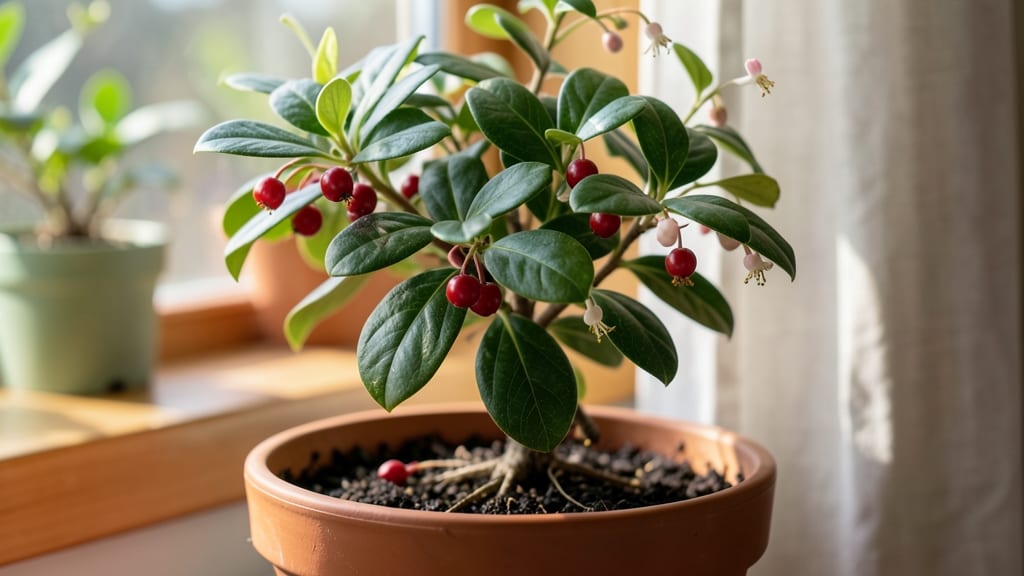
Miracle fruit foods refer to berries containing miraculin, a natural protein that transforms sour flavors into sweet sensations when consumed. The most famous variety, Synsepalum dulcificum, originates from West Africa and has captivated food enthusiasts worldwide with its mind-bending culinary potential.
This unique berry works by binding to your taste receptors, making acids like lemon or vinegar taste sweet for about an hour after eating. 🌟 Unlike artificial sweeteners, miraculin doesn't add calories or alter the actual flavor—it simply changes how your brain perceives sourness.
Many chefs use these berries to create unexpected flavor profiles, especially in desserts or acidic dishes where you'd normally need sugar. The effect wears off naturally, making it a fascinating tool for both home cooks and professional kitchens.
What makes miracle fruit particularly intriguing is its temporary nature—you can experience multiple flavor transformations in a single meal. For example, a slice of lime might taste like candy, while a glass of orange juice becomes almost syrupy.
This phenomenon has led to creative applications in molecular gastronomy, where chefs experiment with taste perception in innovative ways.
💡 In This Article
- How Miracle Fruit Berries Trick Your Taste Buds
- Growing and Harvesting Miracle Fruit at Home
How miracle fruit berries trick your taste buds
Miracle fruit berries contain a remarkable protein called miraculin that binds specifically to your taste receptors in a way that changes how you perceive sour flavors. When you consume the berry, miraculin attaches to the receptors that normally detect sourness (like those activated by citric acid in lemons).
However, it doesn't trigger the sour signal - instead, it blocks the sour receptors while simultaneously sending sweet signals to your brain. This creates the illusion of sweetness when you eat acidic foods afterward.
The effect lasts about 30-60 minutes because miraculin gradually detaches from the receptors as your saliva washes it away. What's fascinating is that miraculin doesn't make anything actually sweeter - it just changes your brain's perception.
For example, a 1-inch slice of lime might taste like candy, while a half-cup of orange juice becomes syrupy sweet. This temporary transformation works best with foods containing citric acid, tartaric acid, or acetic acid - the compounds that normally trigger sourness.
Unlike artificial sweeteners that add calories or alter food chemistry, miraculin works purely through neural perception. The protein has a molecular weight of approximately 26,000 daltons and requires an acidic environment (pH < 4) to bind effectively to receptors.
This is why the berry's effect is so pronounced with citrus fruits - their natural acidity creates the perfect conditions for miraculin to work its magic. 💫 The sensation differs from natural sweetness because it lacks the complex flavor compounds found in sugar or fruit sugars.
What most people don't realize is that miraculin actually enhances existing sweetness too. When you eat something naturally sweet (like an apple) while under the berry's influence, the sweetness becomes more intense because your brain's sweet receptors are already primed.
This dual effect makes miracle fruit particularly valuable in culinary experiments where flavor perception is key. The berry's effect diminishes as the miraculin protein degrades in your saliva, typically within 1-2 hours depending on your saliva production.
Scientists have studied miraculin's structure extensively, discovering it forms a tetramer (four-protein complex) that binds to the T1R2/T1R3 receptor complex - the same receptors that detect natural sugars. This binding mechanism explains why the sweet sensation feels so authentic, even though no actual sugar molecules are present.
The temporary nature of the effect makes it ideal for culinary play without permanent flavor alteration, unlike chemical sweeteners that permanently change food properties.
Consider this practical application: if you're making a lemon meringue pie but want to reduce sugar, miracle fruit could make the tart filling taste sweeter while keeping the original recipe.
The berry's effect creates a unique sensory experience where you can taste the same food differently - first as sour, then as sweet - demonstrating how powerfully our perception shapes flavor experiences. This phenomenon has even been studied in medical contexts for potential applications in taste disorders.