
Vegetables
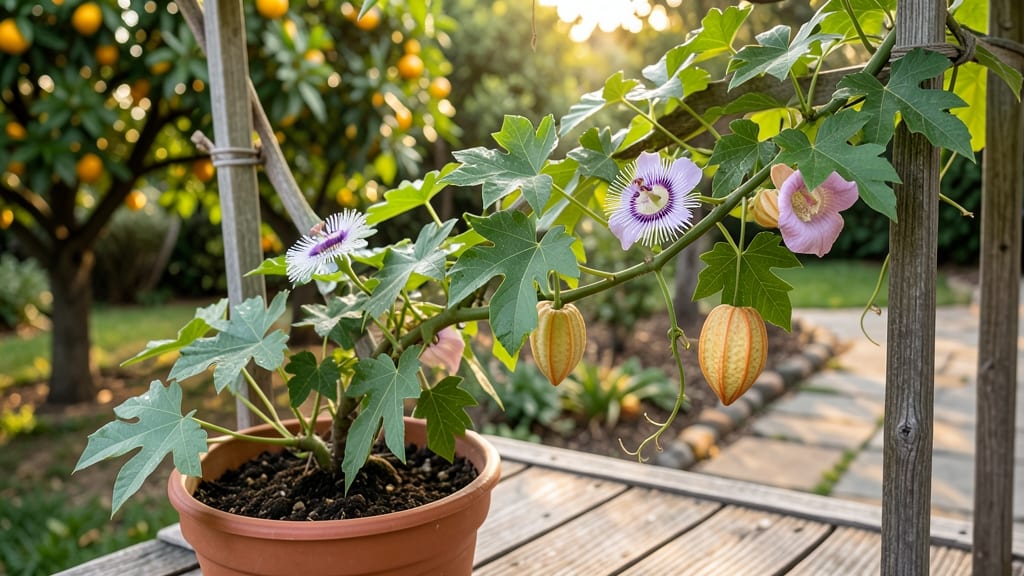
The Nancy Garrison passion fruit vine delivers tropical fruit so juicy you'll want to grow it even if you're not in a warm climate. 🌿 I've grown this variety in containers through three winters, and the secret to success lies in mimicking its natural subtropical habitat—something even beginners can master with the right setup.
This vine thrives in full sun and well-draining soil with a pH between 6.0 and 7.5. Unlike many tropical plants, it tolerates brief dips below freezing if kept dry, making it surprisingly adaptable.
The key is starting with a strong root system—either from a nursery plant or seeds germinated in warm, moist conditions. Once established, it climbs aggressively, so provide a sturdy trellis or fence to guide its growth.
By summer's end, you'll be harvesting fruit with vibrant orange rinds that hide pulp so rich it rivals store-bought passion fruit juice. The vines reward consistent care with bold, fragrant blooms that attract pollinators, and the fruit continues producing well into fall if protected from early frosts.
The first harvest is always the most exciting—nothing beats biting into a vine-ripened passion fruit straight from your garden.
Even in cooler climates, this vine can thrive with winter protection—just move containers to a sheltered spot or wrap the base with frost cloth. The biggest challenge is patience: it takes about 12-18 months from planting to first fruit, but the payoff is worth every wait.
Here's how to keep it productive year after year without the common pitfalls.
📚 In This Guide
- What you need
- Instructions
- Tips and common mistakes
- Wrapping up and next steps
What you need
- ● Passion fruit vine (Passiflora edulis 'Nancy Garrison') – 1 healthy plant (bare-root or potted, 1-2 years old).
- ● Well-draining potting mix – 5-10 gallons (or enough to fill your container). Mix in perlite or coconut coir (20%) for aeration.
- ● Large container or raised bed – Minimum 15-gallon pot (or larger for outdoor planting). Ensure drainage holes!
- ● Support structure – Trellis, arbor, or sturdy fence (6-10 feet tall). Vines need space to climb!
- ● Balanced fertilizer – 10-10-10 or organic options (e.g., composted manure). Use sparingly—passion vines are sensitive to over-fertilizing.
- ● Pruning shears – Sharp, clean pair for trimming.
- ● Mulch – Straw, wood chips, or shredded leaves (2-3 inches) to retain moisture.
- ● pH testing kit – Ideal soil pH: 6.0–7.5 (adjust with lime or sulfur if needed).
- ● Drip irrigation or hose with spray nozzle – Passion vines love consistent moisture but hate soggy roots.
- ● Frost cloth or row covers – For tender varieties in cooler climates (USDA Zones 8–11).
- ● Pollination aid – Small paintbrush or hand pollination (if bees are scarce).
- ● Glove – Passion fruit vines have tiny, irritating hairs—protect your hands!
Step-by-step guide to growing the Nancy Garrison passion fruit vine
This fragrant, hardy climber thrives with just a few key techniques—here's how to coax sweet, juicy fruit from your vine.
🌱 Step 1: Select the Right Location and Prepare the Soil
Choose a spot with full sun exposure (6-8 hours daily) and protection from strong winds. The Nancy Garrison variety tolerates a range of soil types but thrives in well-draining, slightly acidic soil with a pH between 6.0-7.0. Amend heavy clay with 2-3 inches of compost to improve drainage—passion fruit vines despise soggy roots.
Dig a hole twice as wide as the root ball but only as deep. Loosen the surrounding soil to encourage root spread. If planting in containers, select a 5-gallon pot with drainage holes and fill with a mix of 50% potting soil and 50% perlite. The vine's roots need room to grow aggressively, so plan for 10-15 feet of climbing space or a sturdy trellis.
🌿 Step 2: Plant and Provide Initial Support
Plant your vine in early spring after the last frost date in your zone. Gently remove the plant from its container and tease the roots apart if they're circling. Position it so the graft union (visible bump near the base) sits 1-2 inches above soil level—this prevents rot and encourages strong growth.
Install a 4-6 foot tall trellis or sturdy post immediately beside the planting hole. Passion fruit vines are vigorous climbers and need support from day one. Secure the main stem loosely to the trellis with soft garden twine, leaving room for the vine to thicken. Water deeply right after planting to settle the soil and encourage root contact.
☀️ Step 3: Water and Fertilize for Optimal Growth
Keep the soil consistently moist but never waterlogged—1-1.5 inches of water per week is ideal. Water at the base of the plant in the morning to allow foliage to dry before evening, reducing fungal risks. Mulch with 2-3 inches of organic mulch (like shredded bark) to retain moisture and regulate soil temperature.
Fertilize lightly in early spring with a balanced 10-10-10 fertilizer (1 tablespoon per foot of vine height). Switch to a low-nitrogen, high-phosphorus formula (5-10-10) when flowers appear to encourage fruiting. Avoid high-nitrogen fertilizers—they promote leafy growth at the expense of fruit production. You'll know you're on track when new growth appears bright green and vigorous within 4-6 weeks.
✂️ Step 4: Prune and Train for Maximum Fruit Production
Prune in late winter or early spring before new growth begins. Remove any dead, diseased, or crossing branches to improve airflow. Thin out excessive foliage to allow sunlight to reach the center of the plant—this is where the most fruit develops. Leave 3-4 main stems and prune side shoots back to 2-3 leaves to encourage bushier growth.
Train the vine along the trellis using soft ties, guiding it in a spiral pattern. This method maximizes sunlight exposure and air circulation, both critical for preventing fungal diseases. Once flowers appear, watch for the distinctive trumpet-shaped blooms—these develop into fruit within 8-10 weeks. Remove any fruit that appears after the first flush in late summer to redirect the vine's energy into developing larger, juicier fruit for the next season.
🍈 Step 5: Harvest and Enjoy the Juicy Fruit
Harvest when the fruit changes from green to yellow with some orange blush—this usually occurs in late summer to early fall, depending on your climate. Gently twist the fruit from the vine; it should release easily when ripe. The skin will wrinkle slightly, and the fruit will feel slightly soft to the touch. If it's still firm, wait another 3-5 days—overripe fruit becomes mealy and less flavorful.
Store harvested fruit at room temperature for up to 2 weeks or refrigerate for 3-4 weeks. The Nancy Garrison variety is prized for its sweet, aromatic pulp—perfect for juicing, smoothies, or fresh eating. To encourage another harvest, fertilize lightly with a potassium-rich formula after the first fruit drop in late fall. With proper care, your vine will produce fruit for 10-15 years, rewarding you with year after year of tropical flavor.
Tips & tricks for growing the Nancy Garrison passion fruit vine
Here's what I learned after years of growing tropical vines—these details make all the difference between a struggling plant and a thriving fruit producer.
Sunlight Strategy: While the 6-8 hours of daily sun is ideal, watch for afternoon shade in summer—intense midday sun can scorch young leaves. If you notice browning edges on leaves, provide partial afternoon shade using a sheer curtain or lattice structure. The Nancy Garrison variety actually handles heat better than most passion fruits once established, but young plants need gradual acclimation.
Container Considerations: If growing in a 5-gallon pot, upgrade to a 10-gallon container by year two—this vine's roots spread aggressively. I've seen vines in 5-gallon pots produce fruit, but the plants become root-bound quickly and fruit production declines after two years. Use containers with at least 12 inches of depth to accommodate the extensive root system.
Fertilizer Timing: The switch from 10-10-10 to 5-10-10 when flowers appear is crucial—this shift prevents excessive leaf growth that steals energy from fruit development. I've found that applying the 5-10-10 fertilizer right when you see the first trumpet-shaped blooms gives the best results. Too much nitrogen at this stage will give you lush foliage but tiny, underdeveloped fruit.
Harvesting Cues: The yellow-orange blush and slight wrinkling of the skin are your best indicators, but there's one more trick: give the fruit a gentle tug. When ripe, it should pull away easily from the vine. If it resists, wait another 3-5 days—overripe fruit loses its signature sweetness and becomes mealy. The Nancy Garrison's skin actually develops a faint marbling pattern when fully ripe, which is a subtle but reliable sign.
Pro Tips for Nancy Garrison Passion Fruit Vine
- Here's what I learned after years of growing tropical vines—these details make all the difference between a struggling plant and a thriving fruit producer.
- Sunlight Strategy: While the 6-8 hours of daily sun is ideal, watch for afternoon shade in summer—intense midday sun can scorch young leaves.
- Container Considerations: If growing in a 5-gallon pot, upgrade to a 10-gallon container by year two—this vine's roots spread aggressively.
Frequently asked questions
Got questions about growing and caring for the Nancy Garrison passion fruit vine? You’re not alone! Here are some of the most common queries—and straightforward answers—to help you cultivate this fragrant, fruit-bearing beauty with confidence.
How fast does the Nancy Garrison passion fruit vine grow?
The Nancy Garrison passion fruit vine is a fast grower! With ideal conditions (full sun, well-draining soil, and consistent water), it can climb 15–20 feet in a single season. Expect vigorous growth in spring and summer, especially if supported by a sturdy trellis or fence. Prune regularly to manage its spread and encourage fruit production.
When will my passion fruit vine start producing fruit?
Patience is key—most Nancy Garrison vines take 12–18 months to bear fruit after planting. In warmer climates (USDA Zones 8–11), you might see fruit as early as the first year if grown from a mature cutting. Cooler regions may need to overwinter the vine indoors or in a greenhouse. Once established, expect a harvest in late summer to fall!
How much water does a passion fruit vine need?
Passion fruit vines are thirsty but hate soggy roots. Water deeply 2–3 times per week during dry spells, ensuring the soil stays moist but not waterlogged. Reduce watering slightly in winter, but avoid letting the soil dry out completely. Mulch around the base to retain moisture and regulate temperature—just keep mulch a few inches away from the stem to prevent rot.
Can the Nancy Garrison passion fruit vine survive winter?
This tropical vine is not frost-hardy—it thrives in temperatures above 50°F (10°C). In colder climates, dig up the vine in fall, trim it back, and overwinter it in a cool, bright spot (like a garage or basement). Alternatively, plant it in a large container for easy winter relocation. With protection, you can enjoy years of fruit-bearing growth!
What should I do if my passion fruit vine isn’t flowering?
Lack of flowers? Check these common culprits:
- Too much shade: Passion fruit vines need 6+ hours of direct sun daily.
- Over-fertilizing with nitrogen: Shift to a balanced fertilizer (like 10-10-10) or compost to encourage blooms.
- Stress from temperature swings: Keep it in a stable, warm environment.
- Immature vine: Young plants may take a year or more to flower.
If the issue persists, hand-pollinate flowers with a small brush to boost fruit set!
Wrapping up and next steps
Growing a Nancy Garrison passion fruit vine is a rewarding journey that blends beauty, fragrance, and delicious tropical fruit into your garden! 🌿 With the right care—sunlight, support, and a little patience—you’ll enjoy fragrant blooms and sweet, juicy passion fruits in no time.
Whether you’re a seasoned gardener or just starting, this vine offers a thrilling mix of challenges and rewards.
Ready to take the next step? Start with a healthy plant, follow the care tips, and soon you’ll be harvesting your own homegrown passion fruit. Happy gardening! 🍈✨