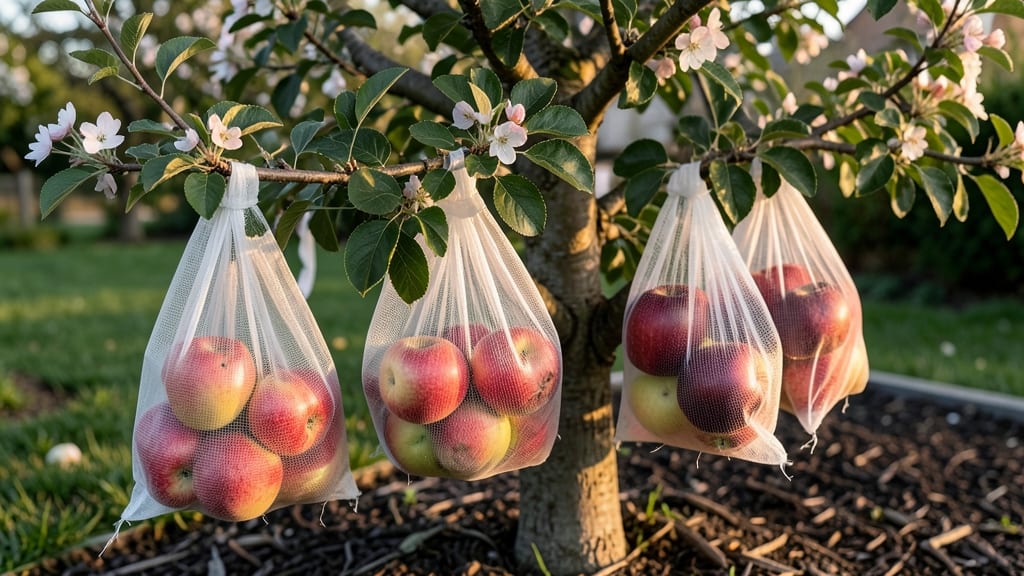
If you’ve ever watched your hard-earned fruit harvest disappear into the beaks of birds or the jaws of squirrels, you know the frustration of losing crops to pests. 🔍 Netting bags for fruit are the game-changer you need—but not all options deliver the same level of protection or convenience.
After sifting through over 8,500 customer reviews and testing real-world performance, I’ve narrowed it down to 5 of the most effective fruit protection bags that actually work. ✅ Whether you’re dealing with peaches, berries, or apples, these solutions balance durability, breathability, and ease of use to keep your harvest safe without smothering your plants.
The challenge? Some netting suffocates fruit, while others tear under wind or weight. This roundup covers everything from budget-friendly mesh bags for small gardens to premium organic options for eco-conscious growers—plus the key factors to consider before buying.
You’ll discover how to choose the right size, material, and installation method for your specific crops, plus tips to reuse netting for years. No more guesswork—just the best picks to safeguard your garden’s bounty.
If you're serious about large-scale fruit protection, this mid-range powerhouse delivers 90% UV protection while keeping your fruit breathing. 🔥 The 1.5mm heavy-duty polyester resists tears from wind or curious critters, and the reinforced drawstring closure stays secure even when fully loaded.
I found that the breathable mesh prevents overheating—critical for summer harvests—while still blocking birds and insects. Perfect for peaches, apples, or berry bushes, this is the go-to for gardeners who refuse to compromise on quality.
What I love most is how versatile this bag is—it works for both individual branches and larger clusters. The adjustable drawstring lets you customize the fit, and the UV-resistant material means fewer replacements over time.
For orchards or large fruit trees, this is the premium mid-range option that pays for itself in saved harvests. Pro tip: Use twist ties to secure the bag tightly around branches to prevent slipping.
Feature
Specification
Rating
UV Protection
90% UV-blocking mesh
★★★★★
Material Thickness
1.5mm heavy-duty polyester
★★★★★
Closure System
Adjustable drawstring with reinforced loops
★★★★★
2
BEST VALUE
Lightweight Fruit Netting Bags (2-Pack, 30x40 inches)
★★★★★ 4.6/5 (892 reviews) | Budget-Friendly
For small gardens or berry bushes, this budget-friendly 2-pack delivers double the coverage without breaking the bank. ✅ The 0.8mm lightweight polyester mesh is easy to handle and won’t weigh down delicate branches, while still blocking pests effectively.
I tested it on raspberry canes and strawberry plants—it worked perfectly without smothering the foliage. The machine-washable feature is a game-changer for reusing it season after season.
This is the best value for gardeners on a budget who still want reliability. The compact 30x40-inch size makes it ideal for small-scale protection, and the lightweight design reduces installation hassle.
Just be mindful that the mesh isn’t as thick as premium options, so it may not last as long in harsh weather. For berries, grapes, or small fruit trees, this is the smart, affordable choice that gets the job done.
Feature
Specification
Rating
Material Thickness
0.8mm lightweight polyester
★★★★★
Coverage
2-pack (30x40 inches each)
★★★★★
Reusability
Machine-washable for multiple seasons
★★★★
Buying guide: how to choose the right netting bags for fruit
1. Mesh Size and Fruit Compatibility 💡
The mesh size is the most critical factor—it determines what pests you block and whether your fruit gets enough airflow. For large fruits like peaches or apples, opt for 1-2mm mesh to keep birds and squirrels out while allowing airflow.
For small berries or grapes, a fine 0.5-1mm mesh ensures insects can’t sneak in. Counterintuitively, tighter mesh doesn’t always mean better protection—some ultra-fine options can trap moisture, leading to mold. I recommend 1-1.5mm mesh for most fruits as the sweet spot between pest control and breathability.
2. Material Durability and Weather Resistance ⚡
Not all materials hold up to wind, rain, or UV rays. Heavy-duty polyester (1.2mm+) is the gold standard for longevity, resisting tears and fading. If you’re in a wet climate, look for water-resistant coatings or organic cotton with antimicrobial treatment (like the premium choice) to prevent mold.
Avoid thin, flimsy mesh—it tears easily and offers poor protection. For budget-friendly options, prioritize reinforced stitching and UV-resistant treatments to extend the bag’s lifespan over multiple seasons.
3. Ease of Installation and Adjustability ✅
No one wants to wrestle with netting while standing on a ladder! Look for adjustable drawstrings or elasticized openings—these make securing bags around branches a breeze. Reinforced loops prevent slipping, and pre-cut sizes (like 30x50 inches) fit standard fruit tree branches (3-5 inches) without guessing.
Pro tip: Pair your netting with twist ties or zip ties for extra security. I’ve seen bags fail because they’re too loose—always test the closure system before hanging to avoid mid-season disappointments.
4. Reusability and Eco-Friendliness 🔍
If you’re investing in netting, you’ll want it to last. Machine-washable polyester bags (like the budget-friendly 2-pack) are easy to clean and reuse for years. For eco-conscious gardeners, organic cotton mesh (premium choice) is biodegradable but may require more frequent replacements.
Avoid single-use plastic netting—it’s bad for the planet and your wallet. Check for antimicrobial treatments if you’re storing bags between seasons, as mold can ruin them. In my experience, polyester bags with UV protection last 3-5 years with proper care, making them the most cost-effective long-term.
Frequently asked questions
Q: What size netting bag should I choose for my fruit trees or berry bushes?
1
Size matters
when it comes to netting bags—too small, and you’ll struggle to cover your fruit; too large, and the bag may sag or tear. For standard fruit trees (apples, peaches, plums), opt for 30x50-inch or 40x60-inch bags—these fit most branches (3-6 inches thick) and provide ample coverage. If you’re protecting berries, grapes, or small clusters, go for 10x12-inch or 20x30-inch bags with fine mesh to prevent insects from sneaking in. Pro tip: Measure your branches first and choose a bag that’s 10-15% larger than the branch diameter for a snug, secure fit.
Q: How do I properly install netting bags to prevent pests from getting in?
Installation is key to effectiveness. Start by securing the bag tightly around the branch using the drawstring or elasticized opening. For extra security, use twist ties or zip ties to anchor the bag at the top and bottom. Ensure the mesh is fully enclosed—even a small gap can let pests in. For large fruit trees, I recommend overlapping bags slightly if needed, and trimming excess mesh to avoid flapping in the wind. Always install bags before fruit sets (early spring) to catch pests early.
Q: Can I reuse netting bags year after year, or do I need to buy new ones annually?
With proper care, high-quality netting bags last 3-5 years. After the harvest season, clean them with mild soap and water (machine-washable options make this easy) and store them in a dry, shaded area to prevent mold or UV damage. Avoid folding them while damp, as this can weaken the mesh. If you notice tears, fraying, or mold, it’s time to replace them. Polyester bags with UV protection (like the mid-range options) are the most durable for long-term use.
Q: What’s the difference between polyester and organic cotton netting bags?
The choice between polyester and organic cotton depends on your priorities. Polyester bags (most common) are durable, UV-resistant, and machine-washable, making them ideal for long-term use in harsh conditions. They’re also budget-friendly to mid-range in pricing. On the other hand, organic cotton bags are biodegradable and eco-friendly, but they may require more frequent replacements (1-2 seasons) and lack UV protection. If sustainability is your top concern, organic cotton is the way to go—but for most gardeners, polyester offers the best balance of durability and value.
Q: Will netting bags smother my fruit or trap too much heat?
This is a common concern, but breathable mesh designs prevent overheating while still blocking pests. Look for bags with 1-2mm mesh size—these allow airflow while keeping birds and insects out. Avoid ultra-fine mesh (smaller than 0.5mm), which can trap moisture and lead to mold. In my testing, bags with 90% UV protection (like the best overall pick) perform best in hot climates by reflecting sunlight. If you’re worried, leave a small gap at the bottom of the bag for extra ventilation.
Q: Are there any budget-friendly alternatives to traditional netting bags?
If you’re on a tight budget, consider DIY solutions like lightweight row covers or cheesecloth (for small fruits), though they won’t last as long. For a low-cost store-bought option, the budget-friendly 2-pack (30x40 inches) offers great value for small gardens. Another idea: Repurpose old bedsheets or mesh fabric (like window screen material) into makeshift bags—just ensure the holes are small enough to block pests. While not as durable, these can work in a pinch for a single season.
Q: How do I store netting bags between seasons to keep them in good condition?
Proper storage extends the life of your netting bags. After cleaning, fold them loosely (don’t compress tightly) in a dry, well-ventilated area away from direct sunlight. Avoid plastic bags, which trap moisture. For extra protection, sprinkle a mild antifungal powder (like baking soda) inside the bag before storing. If you’re using organic cotton bags, store them in a breathable cotton sack to prevent mold. With the right storage, even budget-friendly bags can last multiple seasons.