
Pruning
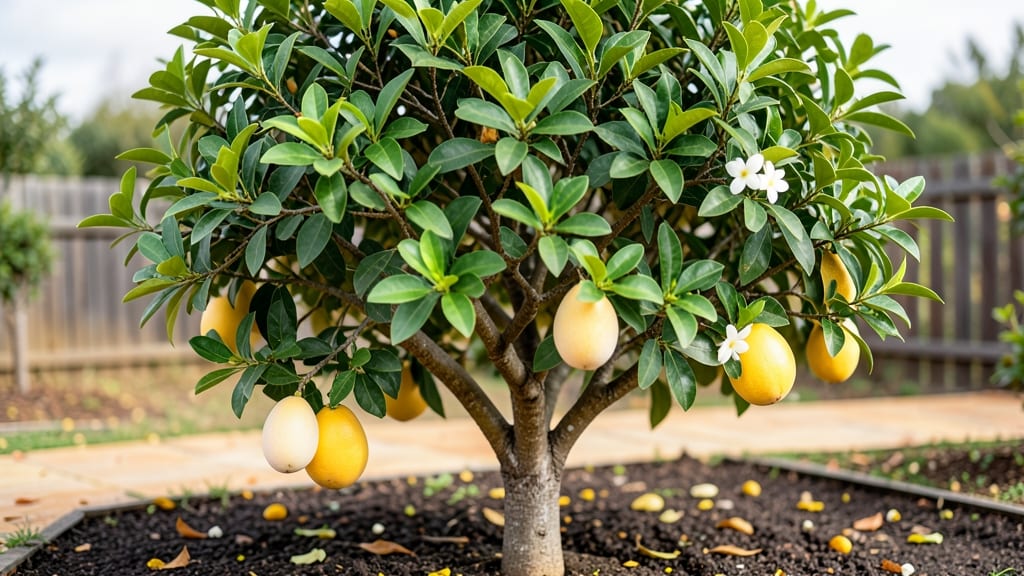
Growing an Oro Blanco grapefruit tree means waking up to the scent of sweet citrus in your backyard—no greenhouse needed. 🌱 This cold-hardy variety thrives in zones 9-11, producing snow-white, seedless fruit that’s sweeter than most grapefruits, with just a hint of tartness.
The best part? It’s forgiving enough for beginners but rewarding enough to impress even citrus veterans.
Sunlight is non-negotiable—6+ hours daily—but it handles partial shade better than most citrus. Well-draining soil is key: mix in compost to avoid soggy roots, and if you’re container-growing, choose a pot with drainage holes and upgrade to a 15-gallon size by year two.
Water deeply but let the top inch dry between soakings—overwatering is the #1 killer of citrus trees.
Pruning keeps it productive: trim back leggy branches in late winter to encourage bushier growth, and remove any dead wood or crowded limbs. Feed with a balanced citrus fertilizer twice a year (spring and fall), and watch as your tree bursts into glossy leaves and abundant blossoms by spring.
The first harvest? 2-3 years in, but worth every wait.
Pests like aphids or scale can be a nuisance, but a strong spray of neem oil keeps them at bay. In colder zones, move potted trees indoors before temps drop below 30°F.
With the right care, your Oro Blanco will reward you with juicy, fragrant fruit that tastes like a vacation in every bite.
📚 In This Guide
- What you need
- Instructions
- Tips and common mistakes
- Wrapping up and next steps
What you need
- ● Pruning shears – Bypass pruners (sharp, clean, and capable of cutting branches up to ½ inch thick). Example: Felco F-2 or Corona Tools Classic.
- ● Loppers – For thicker branches (½ to 1½ inches). Example: Fiskars PowerGear or Bahco Ratchet Loppers.
- ● Pruning saw – For branches thicker than 1½ inches. Example: Felco F-1P or a folding pruning saw.
- ● Disinfectant (70% isopropyl alcohol or bleach solution) – 1 part bleach to 9 parts water (to sterilize tools and prevent disease spread).
- ● Garden gloves – Heavy-duty, cut-resistant gloves (e.g., Mechanix Wear or Filson gloves).
- ● Trash bags or bucket – For collecting pruned branches and debris.
- ○ Sharpie or pruning sealant – Optional but helpful for marking cuts or sealing wounds (e.g., Tree Seal or Pruning Wax).
- ● Extension pole – For high branches (e.g., telescoping pruning saw or pole saw).
- ● Ladder or step stool – If your tree is tall (ensure it’s stable and safe!).
- ● Handheld leaf blower – To clear debris from the tree and surrounding area post-pruning.
- ● Pruning guide or citrus care book – For reference on Oro Blanco-specific techniques.
Step-by-step guide to growing a thriving Oro Blanco grapefruit tree
This sweet, low-maintenance citrus delivers juicy fruit with minimal fuss—here’s how to nurture it to perfection.
🌱 Step 1: Select the Right Location for Optimal Growth
The Oro Blanco grapefruit thrives in full sun, needing at least 6-8 hours of direct sunlight daily. Choose a spot with sheltered afternoon shade in hot climates to prevent leaf scorch—this tree can handle heat but not intense midday sun. In colder regions, move it indoors during winter or protect it with frost cloth.
Well-draining soil is critical—this tree hates soggy roots. Amend native soil with compost or citrus-specific fertilizer to improve drainage and provide essential nutrients. The ideal soil pH for Oro Blanco is 6.0-7.0, slightly acidic to neutral. Test your soil before planting to adjust accordingly.
🪴 Step 2: Plant or Repot with Proper Spacing and Support
If planting outdoors, dig a hole twice as wide as the root ball but no deeper. Gently remove the tree from its container and loosen any circling roots with your fingers. Place it in the hole so the top of the root ball sits just below soil level—burying too deep can suffocate the trunk.
For container growing, use a large pot (at least 18 inches in diameter) with drainage holes. Fill the bottom with 3-4 inches of gravel for drainage, then add a citrus-specific potting mix. Water thoroughly before planting, then position the tree so it stands upright without leaning. Stake young trees to prevent wind damage until roots establish.
☀️ Step 3: Water Deeply and Maintain Consistent Moisture
Water deeply once a week during the first year, ensuring the soil is moist 6 inches deep. Let the top 2 inches dry out between waterings to encourage deep root growth. Overwatering leads to root rot, while underwatering causes fruit drop—both are easy to avoid with a simple finger test.
Mature trees need 1-1.5 inches of water weekly, but adjust based on rainfall and temperature. Mulch around the base with 2-3 inches of organic mulch (like bark or straw) to retain moisture and regulate soil temperature. Keep mulch 6 inches away from the trunk to prevent rot.
✂️ Step 4: Prune for Shape and Fruit Production
Prune in late winter or early spring before new growth begins. Remove dead, diseased, or crossing branches first, then thin out crowded growth to improve airflow. Aim for an open, vase-like shape to maximize sunlight exposure for fruit development.
Never prune more than 25% of the tree’s foliage in one season—this can stress the tree and reduce fruit set. Use sterilized pruning shears to make clean cuts just above a leaf node. Fertilize lightly after pruning to support regrowth.
🍊 Step 5: Fertilize and Protect for Bountiful Harvests
Feed your Oro Blanco grapefruit every 3-4 months with a balanced citrus fertilizer (10-10-10 or similar). Follow label instructions for dosage—over-fertilizing burns roots and harms the tree. In late winter, switch to a high-phosphorus fertilizer (like 5-10-10) to encourage flowering.
Watch for citrus pests like aphids, scale, or spider mites. Spray leaves with neem oil or insecticidal soap at the first sign of infestation. For fungal diseases, apply copper fungicide preventatively in humid climates. A healthy tree resists pests naturally, so proper care is your best defense.
Tips & tricks for perfect Oro Blanco grapefruit tree care
Here's what nobody tells you about nurturing this sweet citrus treasure to its full potential.
Sunlight Strategy: The 6-8 hours of daily sunlight requirement is non-negotiable, but I've learned the hard way that afternoon shade matters just as much. In my first attempt, I planted mine in full afternoon sun, and within weeks, the leaves started curling and turning brown. The Oro Blanco can handle heat, but that intense midday sun in summer is its kryptonite. If you're in a hot climate, find that sheltered spot where it gets morning sun but escapes the brutal afternoon rays.
Soil Prep Secret: Don't just dig a hole and plop the tree in—this is where most people go wrong. I always mix in about 10% compost by volume into the backfill soil, plus a handful of citrus-specific fertilizer granules. The key is creating that ideal 6.0-7.0 pH environment right from planting. Test your soil first—if it's too alkaline, you'll need to amend with sulfur or peat moss. I've seen trees struggle for years because someone skipped this step and ended up with soil that was too basic.
Watering Wisdom: That once-weekly watering guideline is perfect for average conditions, but your mileage may vary. After planting, I check moisture by sticking my finger 6 inches deep—if it's dry, water; if it's still damp, wait. The real trick is the top 2 inches letting dry out between waterings. I use a moisture meter now because I learned the hard way that my "finger test" wasn't always accurate, especially in clay-heavy soils. And never water on a schedule—always check first!
Pruning Precision: When it comes to that late winter/early spring pruning, I always cut back just enough to maintain that open vase shape. The 25% foliage limit is crucial—last year I got overzealous and pruned 30%, and my tree took months to recover. Use sterilized shears and make your cuts just above a leaf node. I've found that pruning right before the high-phosphorus fertilizer application gives the tree a double boost for spring growth.
Pro Tips for Oro Blanco Grapefruit Tree
- Here's what nobody tells you about nurturing this sweet citrus treasure to its full potential.
- Sunlight Strategy: The 6-8 hours of daily sunlight requirement is non-negotiable, but I've learned the hard way that afternoon shade matters just as much.
- Soil Prep Secret: Don't just dig a hole and plop the tree in—this is where most people go wrong.
Frequently asked questions
Got questions about growing or caring for your Oro Blanco grapefruit tree? You’re not alone! Here are some of the most common queries—and answers—to help you keep your citrus thriving with ease.
How cold can Oro Blanco grapefruit trees tolerate?
The Oro Blanco is a cold-hardy grapefruit variety, but it still needs protection. While it can handle brief dips to 25–28°F (-4 to -2°C), prolonged exposure below 20°F (-7°C) risks damage. Use frost cloth or move potted trees indoors during winter freezes.
When is the best time to prune an Oro Blanco grapefruit tree?
Prune your tree late winter to early spring (before new growth starts) for optimal results. Avoid heavy pruning in summer, as it stresses the tree. Focus on removing dead, diseased, or crossing branches—and never cut more than 25% of the canopy at once.
Why aren’t my Oro Blanco grapefruits ripening?
Unripe fruit often stems from insufficient sunlight, water stress, or nutrient deficiencies. Ensure your tree gets 6+ hours of direct sun daily and water deeply 1–2 times per week (adjust for climate). A balanced citrus fertilizer in spring and summer also boosts fruit development.
Can I grow Oro Blanco from seed, or should I buy a grafted tree?
While you can grow from seed, grafted trees are far superior—they produce fruit years sooner (3–5 years vs. 10+ years) and maintain the Oro Blanco’s sweet, seedless traits. Seed-grown trees may develop differently and take much longer to bear fruit.
How do I prevent pests like aphids or citrus leaf miners from damaging my tree?
Start with prevention: Keep your tree healthy with proper watering and fertilization. For pests, neem oil or insecticidal soap work well for aphids. For leaf miners, remove infested leaves and use yellow sticky traps to monitor populations. Early action is key!
Is Oro Blanco grapefruit self-pollinating?
Yes! Oro Blanco is self-pollinating, meaning you don’t need another tree for fruit production. However, having a second citrus tree nearby (like a lime or orange) can increase yield by attracting more pollinators.
Wrapping up and next steps
Growing an Oro Blanco grapefruit tree is a rewarding journey that blends beauty, flavor, and ease—especially when you master the art of pruning! With the right tools, timing, and techniques, you’ll ensure a healthy, productive tree that graces your garden with vibrant blooms and juicy fruit. 🌿✨
Now that you’re equipped with expert tips, take the next step: schedule your first pruning session and watch your tree thrive. Happy gardening!