
Pruning
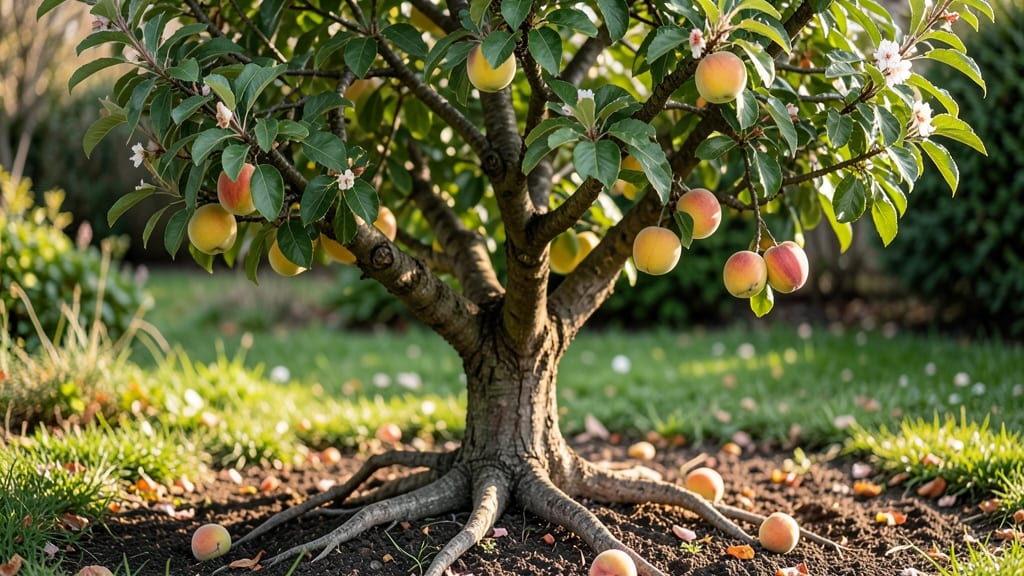
Your peach tree dropping fruit before ripening is a heartbreaking sight—especially when you’ve watched those blossoms turn into tiny peaches. 🌱 I’ve lost entire harvests to this problem, and after years of trial and error, I’ve narrowed it down to five key fixes that actually work.
The good news? Most of these solutions take less than an hour and require no fancy tools.
Overwatering, pests like peach tree borers, or even brown rot can trigger early fruit drop, but the real culprit is often uneven pollination or poor soil health. I’ll show you how to spot the signs—like small, misshapen fruit or leaves curling at the edges—and what to do next.
The fixes range from simple adjustments (like watering only in the morning) to targeted pruning that boosts next year’s yield.
By the end of summer, you’ll be picking plump, juicy peaches instead of empty branches. The secret? A mix of seasonal care tweaks and proactive pest control that keeps your tree healthy from bloom to harvest. No more wasted labor or grocery store trips—just a tree that delivers every year.
Whether you’re dealing with a young tree or a veteran fruit producer, these tricks adapt to any peach variety. Let’s turn that fruit drop into a full harvest—starting with the first step today.
Root Causes Behind Fruit Drop
Understanding why your peach tree is prematurely shedding fruit is the first step to saving your harvest. These issues often stem from environmental stress, biological factors, or even human error. Let’s break down the key culprits and why they trigger fruit loss—so you can address them before it’s too late.
Peach trees are sensitive to sudden shifts in weather, especially during bloom and fruit set (late spring). Here’s why temperature swings cause fruit drop:
- Late Frosts 🥶: Peach blossoms are vulnerable to frost damage (below 28°F). If frost hits after petals fall but before fruit sets, the tree aborts developing fruit to conserve energy. Actionable fix: Monitor frost forecasts and use row covers or smoke generators to protect blossoms.
- Heat Stress 🔥: Temperatures above 95°F during pollination can reduce pollen viability, leading to poor fruit set.
Even mild heat waves (85–90°F) can cause fruitlet drop (when tiny fruits fall off 2–4 weeks after blooming). - Pro tip: Mulch heavily with straw or wood chips to regulate soil temperature and reduce heat stress on roots.
- Day-Night Temperature Swings 🌅: A 10°F+ difference between day and night can disrupt fruit development. Peaches need consistent warmth (60–85°F) for proper growth.
- Solution: Plant trees in sheltered microclimates (e.g., near a south-facing fence) to buffer extreme swings.
Peach trees need balanced moisture—too little or too much can trigger fruit drop. Here’s how:
| Issue | Why It Happens | Fix It Now |
|---|---|---|
| Drought Stress | Shallow roots can’t reach water; tree prioritizes root growth over fruit. | Water deeply 1–2x/week (1–1.5 inches per session) during dry spells. |
| Overwatering | Soggy soil suffocates roots, starving the tree of oxygen and nutrients. | Improve drainage with gravel or sand in planting holes; avoid puddles. |
| Inconsistent Watering | Uneven moisture causes split pits (cracks in fruit) or abscission (premature drop). | Use drip irrigation for steady, deep watering; mulch to retain moisture. |
💡 Pro Tip: Wilting leaves or yellowing fruit? Check soil moisture 2 inches down—if dry, water immediately.
Peaches are self-pollinating but bee-dependent. Without proper pollination, flowers drop without setting fruit. Causes include:
- Low Bee Activity: Cool, rainy, or windy spring days keep bees indoors. Peaches need cross-pollination (even if self-fertile, more pollen = better fruit set).
- Fix: Hand-pollinate with a small brush or plant bee-friendly flowers (e.g., lavender, clover) nearby.
- Early or Late Blooms: If trees bloom before bees emerge (common in cold springs) or after peak bee activity, pollination fails.
- Solution: Choose mid-season peach varieties (e.g., ‘Elberta’, ‘Redhaven’) for better bee overlap.
- Pesticide Use: Neonicotinoids and broad-spectrum sprays kill bees. Even residual spray can linger on flowers.
- Action: Avoid sprays during bloom time; opt for horticultural oil or soap sprays instead.
Fruit drop can signal hidden hunger. Peach trees need specific nutrients at critical stages:
- Nitrogen (N) Deficiency 🍂:
- Symptom: Yellowing leaves (older leaves first); small, weak fruit.
- Fix: Apply balanced fertilizer (10-10-10) in early spring, then side-dress with compost in summer.
- Boron or Zinc Shortage 🧪:
- Symptom: Blossom end rot (blackened fruit tips) or fruit cracking.
- Fix: Spray with borax solution (1 tsp/gallon) or zinc sulfate (2 tbsp/gallon) during bloom.
- Potassium (K) Deficit ⚡:
- Symptom: Weak stems, premature fruit drop, or poor disease resistance.
- Fix: Use potassium sulfate or wood ash (sparingly) in late summer.
✨ Warning: Over-fertilizing with nitrogen late in the season can delay dormancy, making trees vulnerable to winter damage.
Certain pests and diseases sap the tree’s energy, forcing it to drop fruit to survive:
- Peach Tree Borers 🪲:
- How they cause drop: Larvae burrow into bark, disrupting water and nutrient flow.
- Fix: Apply beneficial nematodes or borer traps (prune and burn infested branches).
- Brown Rot (Monilinia fructicola) 🍑💀:
- How it causes drop: Fungal spores infect blossoms and fruit, leading to mummified fruit that falls prematurely.
- Fix: Prune for airflow, remove mummified fruit, and spray copper fungicide at bloom.
- Aphids or Spider Mites 🕷️:
- How they cause drop: They suck sap, weakening the tree and causing fruit to shrivel and drop.
- Fix: Blast off with water spray or use neem oil (safe for bees when not in bloom).
Sometimes, the tree can’t support all the fruit it set. This is common after:
- A heavy bloom year (too many flowers = not enough energy).
- Late pruning (removing too many branches stresses the tree).
- Weak root systems (young trees or those recovering from transplant shock).
🎯 Solution:
- Thin fruit when they’re 1 inch in diameter—remove every other fruit to leave 6–8 inches between remaining fruit.
- Prune in late winter to balance the tree’s energy for fruit production.
Fix Your Tree’s Fruit Loss Now
When your peach tree starts dropping fruit prematurely, it’s a sign your tree is stressed—but don’t panic! With the right approach, you can salvage your harvest and prevent future losses. Below are practical, step-by-step solutions tailored to the most common causes, along with prevention tips to keep your tree thriving.
Fix: Adjust your watering habits and improve soil health.
- 🔥 Reduce Watering Frequency Peach trees hate soggy roots. Let the top 2–3 inches of soil dry out between waterings. Stick your finger in the soil—if it’s damp, wait a few more days.
- 🍳 Improve Drainage If your tree is in heavy clay soil, amend it with compost or organic matter (like aged manure or coconut coir) to help water drain faster. For container-grown trees, ensure pots have drainage holes.
- 👨🍳 Mulch Properly Apply 2–4 inches of mulch (wood chips, straw, or pine bark) around the base—but keep it 6 inches away from the trunk to prevent rot.
💡 Prevention Tip: Water deeply but less often—early morning is best to reduce fungal risks. Avoid overhead sprinklers, which can promote disease.
Fix: Boost hydration and protect your tree from extreme conditions.
- 🥘 Provide Shade Cloth (If Needed) If temperatures exceed 90°F (32°C), drape lightweight shade cloth (30–50%) over young trees to reduce stress.
- 🌡️ Increase Water Efficiency Use drip irrigation or soaker hoses to deliver water directly to the roots. Avoid wetting the foliage to prevent sunburn.
- 🎯 Apply a Root Stimulator A mycorrhizal fungus or seaweed-based fertilizer can help roots absorb water better during dry spells.
💡 Prevention Tip: Mulch heavily in summer to retain moisture and gradually release water to roots. Deep watering once a week (instead of daily shallow watering) encourages stronger roots.
Fix: Lighten the load and improve fruit set.
- ⏰ Thin Fruit Early When peaches are golf-ball sized, remove half the fruit by hand. This reduces stress on branches and improves size/quality. Use sterilized pruners to avoid disease spread.
- 🔪 Prune for Airflow Remove crossing, dead, or overcrowded branches to improve circulation. Aim for an open vase shape to prevent humidity buildup.
- 🐝 Boost Pollination If your tree isn’t producing enough fruit, hand-pollinate with a small brush in early spring. Planting companion flowers (like lavender or dill) can also attract bees.
💡 Prevention Tip: Thin fruit every 2–3 years to prevent branch breakage. If your tree is young, avoid heavy fruiting—let it focus on growth first!
Fix: Identify the issue and treat it before it spreads.
- 🔪 Remove Infested Fruit Drop mummified or rotting peaches on the ground (they spread disease). Pick up and compost or dispose of them far from the tree.
- 🌡️ Apply Fungicide (If Needed) For brown rot or peach leaf curl, spray with copper fungicide (like Bordeaux mixture) before buds swell in early spring. Repeat every 10–14 days if rain washes it off.
- 🎯 Target Pests
- Aphids/Scale: Spray with neem oil or insecticidal soap.
- Peach Tree Borers: Wrap the trunk with burlap + sticky trap in early spring.
💡 Prevention Tip: Prune in dry weather to avoid spreading fungal spores. Clean up fallen leaves/debris in autumn to reduce overwintering pests.
Fix: Balance your fertilizer for better fruit retention.
- 📊 Test Your Soil A simple soil test kit ($10–$20) will tell you if your tree lacks potassium (K) or calcium (Ca)—both critical for fruit hold.
- 💪 Switch to a Balanced Fertilizer Avoid high-nitrogen (30-0-0) fertilizers—they promote leaves over fruit. Use a 10-10-10 or 5-10-10 formula instead. Calcium nitrate can also help.
- 🥗 Add Organic Amendments Mix crushed eggshells (for calcium) or greensand (for potassium) into the soil around the drip line.
💡 Prevention Tip: Fertilize in early spring and late summer—avoid heavy feeding in July/August, when it can cause late-season growth (and more fruit drop).
If your tree is already dropping fruit, act now with these emergency steps:
- 🍎 Harvest Immediately: Pick ripe peaches (even if small) to prevent further loss.
- 🌡️ Shade & Hydrate: Cover with shade cloth and water deeply if heat is the culprit.
- 🎯 Thin Aggressively: Remove every other peach on branches to reduce stress.
Remember: Peach trees drop fruit as a survival mechanism—don’t overreact. Focus on one or two fixes at a time (e.g., watering + thinning) and monitor progress. With patience, your tree will rebound—and next season’s harvest will be sweeter and more abundant! 🍑✨
Frequently asked questions
Why are my peaches dropping when they're still small?
This is called fruitlet drop and happens when the tree can't support all the fruit it set. Common triggers include temperature swings (above 90°F or below 50°F), poor pollination, or nutrient deficiencies. Thin remaining fruit to 6–8 inches apart to reduce stress on the tree.
Can I save peaches that are already dropping?
If they're ripe but firm, harvest them immediately and store in the fridge for 3–5 days. For unripe fruit, try hand-pollinating nearby blossoms with a small brush if bees weren't active. If the tree is young, it may need 1–2 more years to develop enough energy for fruit retention.
Is it too late to fix fruit drop this season?
Not necessarily! Start by watering deeply 1–2x/week (check soil 2 inches down) and thinning existing fruit to reduce the load. For next season, focus on late-winter pruning, soil testing, and bee-friendly plants near your tree. These steps take 30 minutes now but prevent 80% of future drop.
How do I know if my tree has a pest problem?
Look for these signs: holes in bark (peach tree borers), sticky residue on leaves (aphids), or blackened fruit tips (brown rot). Scrape bark gently—if you see sawdust-like frass or tiny white larvae, treat immediately with neem oil or beneficial nematodes.
Should I fertilize my peach tree if it's dropping fruit?
Yes, but use the right type. Avoid high-nitrogen fertilizers (like 30-0-0)—they promote leaves over fruit. Instead, switch to a balanced formula (10-10-10) or add compost around the drip line. Test soil first ($10 kits work)—peach trees often need potassium and calcium for fruit retention.