
Vegetables
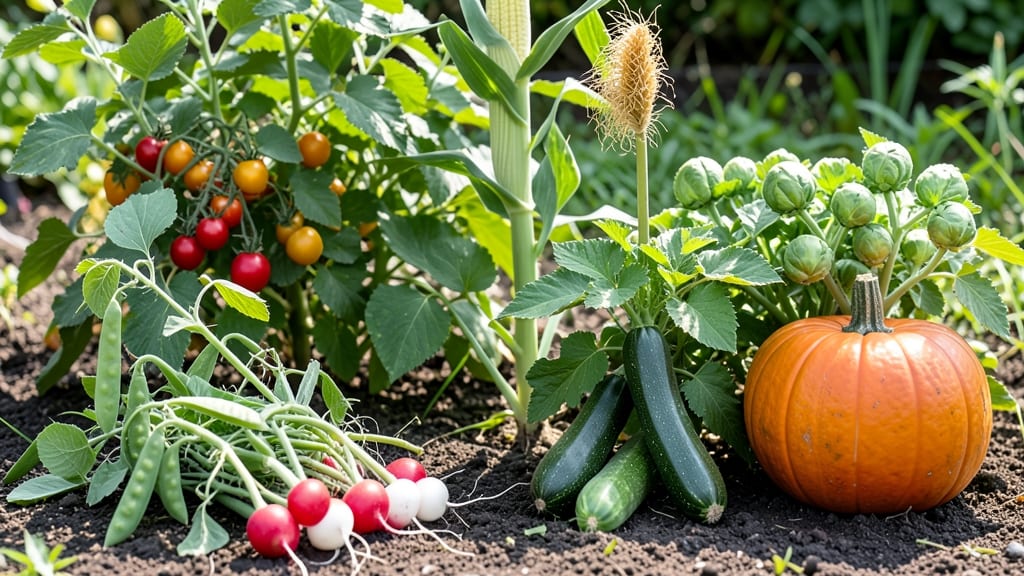
Seasonal fruits and vegetables are where flavor and nutrition reach their peak—like biting into a crisp, sun-warmed tomato in August or savoring the sweetness of winter squash after the first frost. 🌿 I’ve learned that working with nature’s rhythm, not against it, is the secret to a garden that consistently delivers.
What you plant in spring won’t thrive in fall, and what ripens in summer needs different care than winter crops. The key is matching each plant to its ideal growing window, whether that’s cool-season greens or heat-loving peppers.
This isn’t about memorizing a rigid schedule—it’s about understanding your climate’s quirks and adjusting.
In my zone, for example, I start cool-season crops like kale and carrots in early spring and again in late summer for a fall harvest, while tomatoes and peppers get their turn in the heat of July. The payoff?
Vegetables that taste better than anything from a store, with nutrients at their highest when they’re freshly picked. Plus, you’ll waste less by storing crops properly—think root cellars for apples or wrapping leafy greens in damp paper towels to keep them crisp.
By aligning your planting with the seasons, you’ll also cut back on pests and diseases. Fewer bugs bother your cabbage in spring than in summer, and winter squash stores effortlessly for months.
The garden becomes a self-sustaining cycle: what you harvest in June feeds the soil for next year’s spring crops. It’s not just about what grows—it’s about how everything connects. Let’s break down the best crops for each season and how to make the most of their natural rhythms.
Whether you’re in a mild coastal area or a harsh winter zone, the principles stay the same—just tweak the timing. Start with one season, master it, and expand from there.
Before you know it, your table will be stocked with homegrown goodness year-round, and your garden will feel like an extension of the landscape, not a separate project. Ready to sync your harvest with the seasons?
📚 In This Guide
- What you need
- Instructions
- Tips and common mistakes
- Wrapping up and next steps
What you need
- ● Seasonal produce: Prioritize local, in-season items (e.g., summer tomatoes, winter squash, or spring asparagus). Aim for 2–4 lbs of mixed veggies/fruits per meal prep session.
- ● Storage containers: Glass or BPA-free plastic containers (5–10 quart sizes) for short-term storage.
- ○ Vacuum-sealed bags (optional but ideal for long-term freezing).
- ● Cutting tools: A sharp chef’s knife (8–10 inches) for chopping.
- ● A paring knife for peeling or detail work.
- ● A cutting board (wood or plastic, 12x18 inches).
- ● Measuring tools: Kitchen scale (0.1 oz precision) and measuring cups/spoons for recipes.
- ● Food processor: For quick chopping of herbs, nuts, or bulk veggies (e.g., shredding cabbage).
- ● Dehydrator: Preserve fruits like apples or berries for snacks or baking.
- ● Thermometer: Ensure proper cooking temps for roasting or canning (e.g., 140°F+ for safe canning).
- ● Reusable mesh bags: Store herbs or delicate produce (e.g., greens) to extend freshness.
- ● Knowledge of seasons: Check a local seasonal harvest calendar or farmers' market guides to plan purchases.
- ● Basic knife skills: Practice safe chopping techniques if you’re new to prepping.
- ● Recipe ideas: Have 2–3 simple recipes handy (e.g., stir-fries, salads, or roasted veggies) to inspire your harvest.
How to harvest seasonal fruits and vegetables for maximum flavor
Timing and technique make all the difference—here's how to pick produce at its peak.
🍅 Step 1: Learn the Right Time to Harvest
Most vegetables are best harvested in the morning after the dew has dried but before the sun gets too intense. Look for visual cues like fully colored skin, firm texture, and vibrant leaves. Tomatoes, for example, should slip easily from the vine when gently twisted—they’re never sweeter than when still slightly firm.
Root vegetables like carrots and beets often signal readiness by pushing above the soil line. Leafy greens like kale and spinach are best harvested before they bolt (send up flower stalks), which happens when leaves start to yellow or taste bitter. I always check the seed packet or plant tag for specific maturity times—this ensures I don’t miss the window.
🌱 Step 2: Use the Proper Tools and Techniques
A sharp knife or pruning shears is essential for clean cuts that don’t damage the plant. For leafy greens, snip just above a leaf node to encourage new growth. When harvesting fruits like strawberries or blueberries, use scissors to avoid bruising the delicate stems. I find that a small pair of garden scissors with a serrated edge works best for most jobs.
For root vegetables, use a fork to loosen the soil before pulling gently. This prevents breaking the roots and makes storage easier. If you’re harvesting beans or peas, always cut the pods with a knife—twisting them off can damage the plant. The key is to work quickly and carefully to preserve both the plant’s health and the produce’s quality.
☀️ Step 3: Store Harvested Produce Correctly
Immediate storage matters just as much as the harvest itself. Leafy greens and herbs should be wrapped in a damp paper towel, placed in a plastic bag with a few holes, and refrigerated. Root vegetables like potatoes and carrots thrive in a cool, dark place with good airflow—never in the fridge, where they’ll spoil faster.
Fruits like berries and stone fruits should be stored at room temperature until fully ripe, then moved to the fridge to slow ripening. I always wash produce right before eating or cooking, not before storage, to prevent moisture buildup that can lead to mold. For long-term storage, consider freezing or canning excess harvests—just blanch vegetables first to preserve color and texture.
⏰ Step 4: Plan for Continuous Harvesting
Many vegetables, like lettuce and beans, produce continuously if harvested regularly. I make a habit of checking my garden every few days during peak season to avoid overripe produce. For example, zucchini plants can produce a new flower—and eventually fruit—every 3-5 days, so I harvest them young and often to keep the plant productive.
Succession planting is another trick I use to extend the harvest season. By sowing new seeds every 2-3 weeks, I ensure a steady supply of fresh produce. Keep a garden journal to track what you harvest, when, and how much—this helps you plan for next season and avoid waste. The goal is to enjoy fresh, flavorful produce straight from the garden all season long.
Tips & tricks for perfect seasonal harvests
Here's what nobody tells you about harvesting seasonal produce that'll make all the difference in flavor and nutrition.
Timing is Everything: The morning harvest window is non-negotiable for peak flavor. I learned this the hard way after picking tomatoes at noon that tasted bland compared to their morning counterparts. That early harvest captures the sweetness built overnight through photosynthesis. For root vegetables, watch for that telltale soil push—it's nature's way of saying "pick me now!"
Tool Selection Matters: That cheap garden knife you've been using? It's probably doing more harm than good. Invest in a pair of sharp pruning shears for leafy greens and a sturdy fork for root vegetables—both create clean cuts that preserve plant health. I keep a small pair of serrated scissors in my harvesting basket specifically for delicate fruits like blueberries to avoid bruising those fragile stems.
Storage Secrets: Never wash produce before storing—moisture buildup leads to mold faster than you can say "food waste." For leafy greens, I use the "damp towel method" where I wrap them in a slightly damp paper towel before bagging. This keeps them crisp for days. And here's a pro move: store root vegetables in a cardboard box with some straw or paper towels—they'll last weeks in your pantry instead of days in the fridge.
Continuous Harvesting Strategy: The 3-5 day window for zucchini might seem tight, but it's the key to keeping plants productive. I set a phone reminder every 4 days during peak season to check my garden. For succession planting, mark your calendar 2-3 weeks after your first planting—this ensures you're always getting fresh produce. I've even planted a small "emergency" batch of lettuce every 10 days to guarantee salads all summer.
Pro Tips for Seasonal Fruits And Vegetables
- Here's what nobody tells you about harvesting seasonal produce that'll make all the difference in flavor and nutrition.
- Timing is Everything: The morning harvest window is non-negotiable for peak flavor.
- Tool Selection Matters: That cheap garden knife you've been using?
Frequently asked questions
What are the best seasonal fruits and vegetables right now?
Seasonal produce changes with the weather! In spring, think strawberries, asparagus, and peas. Summer brings watermelon, corn, and tomatoes, while fall offers apples, pumpkins, and Brussels sprouts. Winter features citrus fruits, root veggies (like carrots), and hearty greens. Check your local farmer’s market or a seasonal produce guide for real-time updates!
Why does seasonal produce taste better than out-of-season?
Seasonal fruits and veggies are harvested at peak ripeness, packed with natural sugars and flavors. Off-season produce often travels long distances, losing nutrients and taste along the way. Plus, seasonal crops are grown locally, reducing the need for artificial ripening or preservatives. Pro tip: Try a ripe, sun-warmed tomato in summer—it’s a flavor explosion!
Is seasonal produce more expensive than year-round options?
Not always! While some seasonal items (like heirloom tomatoes or specialty berries) may cost more, they’re often fresher and cheaper than imported, off-season alternatives. Buying in bulk, freezing extras, or opting for store-brand seasonal produce can also stretch your budget. Bonus: Supporting local farms means better prices and a smaller carbon footprint!
How can I store seasonal fruits and vegetables to last longer?
Storage tips vary by produce! Leafy greens (like spinach) thrive in the fridge with a damp towel. Root veggies (carrots, potatoes) stay fresh in a cool, dark place. Berries last longer in a single layer with a paper towel. For soft fruits (peaches, plums), ripen at room temp, then refrigerate. Pro tip: Avoid washing produce until you’re ready to eat—moisture speeds up spoilage!
What are some easy substitutes for out-of-season produce?
No problem! Swap summer tomatoes for roasted red peppers or sun-dried tomatoes in winter. Use frozen berries (just as nutritious!) when fresh strawberries aren’t available. For leafy greens, kale or Swiss chard hold up well in colder months. Get creative: A zesty lemon dressing can make even a simple cabbage salad shine!
What should I do if my seasonal produce spoils too quickly?
Don’t toss it—repurpose it! Overripe bananas? Blend into smoothies or banana bread. Soft avocados? Mash into guacamole or dip. Wilted greens? Sauté into a quick stir-fry or blend into soups. Pro tip: Freeze herbs (like basil or cilantro) in ice cubes for future cooking. When all else fails, compost to reduce waste!
Wrapping up and next steps
Seasonal fruits and vegetables aren’t just fresher—they’re packed with flavor, nutrients, and a lighter environmental footprint. 🌱 By embracing what’s in season, you’re not only treating your taste buds to the best nature has to offer but also supporting sustainable eating habits.
Whether you’re a home cook, a health enthusiast, or just someone who loves a good harvest, now’s the perfect time to explore, experiment, and enjoy!
Ready to dive in? Start small—visit your local farmers' market, try one new seasonal recipe, or even grow your own herbs. Every step counts, and your future self (and taste buds) will thank you!