
Pruning
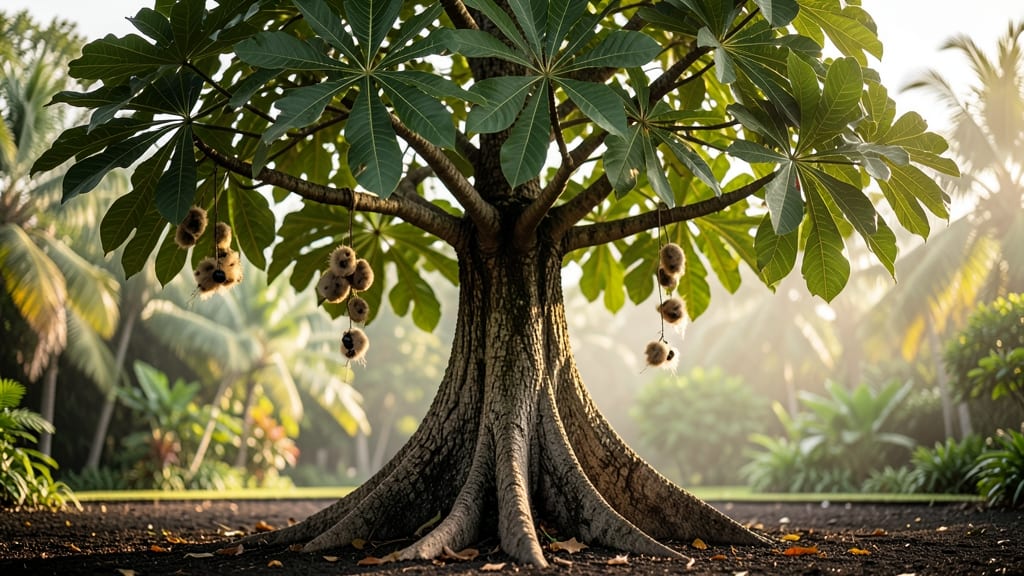
Growing silk cotton tree fruit means fast, dramatic trees that produce edible pods and fluffy kapok seeds. 🌿 I planted mine as a sapling, and within two years, it was already dropping those iconic cotton-ball seed pods—plus, the tree itself grows 30-50 feet tall in tropical climates.
The pods aren’t just ornamental; they’re edible when young and full of protein-rich seeds.
This tree thrives in full sun and well-draining soil—think sandy loam or clay amended with compost. It’s drought-tolerant once established but loves moisture in its early years.
Pruning is minimal, mostly to remove dead branches or shape the canopy, though young trees benefit from occasional trimming to encourage a strong trunk.
Harvest the pods when they’re still green and firm for the best flavor, or wait until they split open to collect the fluffy kapok fibers. The seeds inside can be roasted and ground into flour, while the young pods make a nutritious stir-fry ingredient in some cultures.
Just be warned—those cottony fibers are everywhere once the pods open!
Perfect for tropical or subtropical gardens, silk cotton trees add drama and utility to landscapes. They’re not for small yards, but if you’ve got space, they’re a fast-growing way to grow food, fiber, and shade all at once. Just watch out for those seed pods—they’re nature’s confetti machine.
📚 In This Guide
- What you need
- Instructions
- Tips and common mistakes
- Wrapping up and next steps
What you need
- ● Pruning shears – Bypass pruners (for small branches, 2–4" cutting capacity)
- ● Loppers – Long-handled (3–5 ft) for thicker branches (1–2" diameter)
- ● Pole saw – Extendable (10–15 ft) for high branches (2–4" diameter)
- ● Pruning saw – Curved-tooth blade for large limbs (4"+ diameter)
- ● Work gloves – Heavy-duty, cut-resistant (e.g., Mechanix or pruning-specific)
- ● Safety goggles – ANSI-rated to protect from debris
- ● Ladder or lift – Sturdy, 30–40 ft extension ladder (or professional lift for tall trees)
- ● Disposable pruning bags – Heavy-duty, 30–50 gallon (for debris collection)
- ● Rubbing alcohol (70%+) – Small bottle for sterilizing tools
- ○ Tree wound dressing (optional) – Pruning sealant or beeswax (controversial but useful for large cuts)
- ● Weather check – Prune on a dry, wind-free day (avoid rainy or humid conditions).
- ● First-aid kit – Basic kit with bandages and antiseptic (silk cotton thorns are sharp!).
- ● Partner assistance – Recommended for large trees (one to stabilize, one to cut).
- ● Tree health assessment – Inspect for diseased or pest-infested branches before pruning.
Step-by-Step guide to growing silk cotton tree fruit
Here’s how to grow these striking, fast-growing trees from seed to fruiting—no nursery shortcuts needed.
🌱 Step 1: Start Seeds Indoors for Early Growth
Silk cotton tree seeds (from the Ceiba pentandra pod) sprout best with a little warmth. Fill a small pot with sterile seed-starting mix and moisten it until damp but not soggy. Plant 1-2 seeds per pot just below the surface—about ¼ inch deep—since they need light to germinate. Cover lightly with a sprinkle of mix, then place the pot in a warm spot (75-85°F) like on top of a refrigerator or near a heat source.
Keep the soil consistently moist but never waterlogged—you’ll see tiny roots pushing through in 2-4 weeks. Once seedlings reach 3-4 inches tall, they’re ready to move outdoors. I like to harden them off by placing them outside for 1-2 hours daily over a week before transplanting. This prevents shock when they face real sunlight.
☀️ Step 2: Transplant to a Sunny, Sheltered Spot
Silk cotton trees thrive in full sun (6+ hours daily) and need space—plant them 30-40 feet apart if growing multiple trees. The soil should drain well, so avoid low spots where water pools. Dig a hole twice as wide as the root ball and mix in a handful of compost to boost nutrients. Place the seedling in, backfill with soil, and water deeply to settle everything.
Young trees grow fast, but they’re sensitive to cold drafts. If your climate dips below 50°F, protect them with a windbreak or move pots indoors during winter. You’ll notice new leaves within 2-3 weeks—that’s your sign they’re adapting. Mulch around the base with 2-3 inches of organic mulch to retain moisture and keep roots cool.
💧 Step 3: Water Deeply and Fertilize for Fruit Production
Water deeply once a week during dry spells, letting the soil dry out slightly between waterings. Overwatering causes root rot, so check 2 inches down—if it’s damp, wait another day. Once the tree is 2-3 years old, switch to a balanced, slow-release fertilizer (like 10-10-10) every 3 months to encourage flowering and fruiting. Silk cotton trees flower best when slightly stressed, so don’t over-fertilize.
You’ll spot pink or white flowers in spring—this means fruiting is coming! The pods take 6-12 months to mature, depending on climate. Harvest when they turn brown and woody, then split open to reveal the fluffy seeds. The fruit itself isn’t edible, but the seeds are a fun (and fast) way to grow more trees.
✂️ Step 4: Prune for Shape and Health
Prune in late winter before new growth starts. Remove dead or crossing branches with clean, sharp shears, cutting just above a leaf node. Silk cotton trees grow tall and wide, so thin out crowded branches to improve airflow. Avoid heavy pruning—these trees recover slowly from cuts. You’ll see fresh, vibrant growth within 2-3 weeks of pruning.
Watch for pests like aphids or fungal spots on leaves. Treat early with neem oil or soapy water spray to prevent spread. Mature trees handle pests better, so focus on young plants. With proper care, your silk cotton tree will reward you with dramatic, fast growth and striking pods—perfect for tropical landscapes!
Tips & tricks for growing silk cotton tree fruit
These little details make all the difference when nurturing your fast-growing silk cotton tree from seed to striking fruit-bearing beauty.
Warmth is Key: Those warm temperatures (75-85°F) in Step 1 aren't just suggestions—they're critical for germination. I've seen seeds take up to 6 weeks to sprout when kept too cool. If your home stays below 70°F, consider using a seedling heat mat ($15 at garden centers) to maintain consistent warmth. This is especially important if you're starting seeds in cooler months.
Hardening Off Strategy: The gradual 1-2 hour daily outdoor exposure in Step 1 prevents transplant shock. Here's what I do: Start with just 30 minutes on day one, then add 30 minutes each subsequent day until you reach the full 1-2 hours. Watch for wilting—if you see it, the plant isn't ready for that duration yet. This gradual approach builds resilience that makes all the difference when moving to permanent outdoor conditions.
Sunlight Secrets: While silk cotton trees thrive in full sun, they actually appreciate some afternoon shade during their first year. If you're in a particularly hot climate, provide afternoon shade for the first 3-6 months after transplanting. This prevents sunburn on young leaves while they're still developing their full sun tolerance. The 6+ hours of sun mentioned in Step 2 should be morning sun with afternoon protection in extreme heat zones.
Fertilizer Timing: The switch to balanced fertilizer at 2-3 years old is perfect timing. Before that, your tree's roots are still establishing themselves, and extra nutrients can actually stress young plants. When you do fertilize, split that 10-10-10 into four equal applications—one every 3 months—rather than dumping it all at once. This steady approach prevents nutrient burn while encouraging gradual, healthy growth that supports strong fruiting structures.
Pro Tips for Silk Cotton Tree Fruit
- These little details make all the difference when nurturing your fast-growing silk cotton tree from seed to striking fruit-bearing beauty.
- Warmth is Key: Those warm temperatures (75-85°F) in Step 1 aren't just suggestions—they're critical for germination.
- Hardening Off Strategy: The gradual 1-2 hour daily outdoor exposure in Step 1 prevents transplant shock.
Frequently asked questions
Got questions about growing, harvesting, or using silk cotton tree fruit? You’re not alone! Here are answers to the most common queries to help you navigate this fast-growing tropical treasure.
When is the best time to harvest silk cotton tree pods?
The pods are ready to harvest when they turn brown and dry—usually 2–4 weeks after flowering. Avoid harvesting when they’re still green or fuzzy, as they’ll be bitter and underripe. Pro tip: Tap the pod gently; if it rattles, it’s ready! Harvest in the morning for the freshest flavor.
Are silk cotton tree pods safe to eat raw?
While the pods are technically edible when cooked, they’re not recommended raw due to potential irritants and astringent taste. Always boil or roast them first to remove toxins and improve digestibility. Warning: Never consume the seeds—they’re toxic! Stick to the fibrous pod meat.
How do I encourage more silk cotton tree pods to grow?
Silk cotton trees thrive in full sun and well-draining soil. Prune lightly to improve airflow, and fertilize with a balanced, tropical-friendly formula (like 10-10-10) during the growing season. Bonus: Hand-pollinate flowers with a soft brush if your tree isn’t producing pods naturally.
Can silk cotton tree pods be stored for later use?
Fresh pods spoil quickly, but you can dry or freeze them for long-term storage. To dry: slice pods thinly, spread on a tray, and bake at 200°F (93°C) for 2–3 hours until crisp. For freezing, blanch pods for 2 minutes first. Store in airtight containers for up to 6 months.
What are some alternatives if silk cotton trees aren’t available?
If silk cotton trees aren’t in your area, try these edible pod-producing plants:
- Moringa (Drumstick Tree) – Nutrient-packed pods, easy to grow.
- Carob Tree – Chocolate-flavored pods, drought-tolerant.
- Tamarind – Sweet-tart pods, great for cooking.
Wrapping up and next steps
The silk cotton tree fruit isn’t just a stunning addition to tropical landscapes—it’s a fast-growing, edible treasure with minimal upkeep once established. Whether you’re pruning for safety, aesthetics, or harvest, these trees reward your efforts with vibrant blooms, shade, and even culinary potential. 🌿
Ready to transform your space? Start by observing your tree’s growth and pruning strategically—small steps now will lead to a thriving, low-maintenance giant in no time. Grab your tools and give it a try!