
Pruning
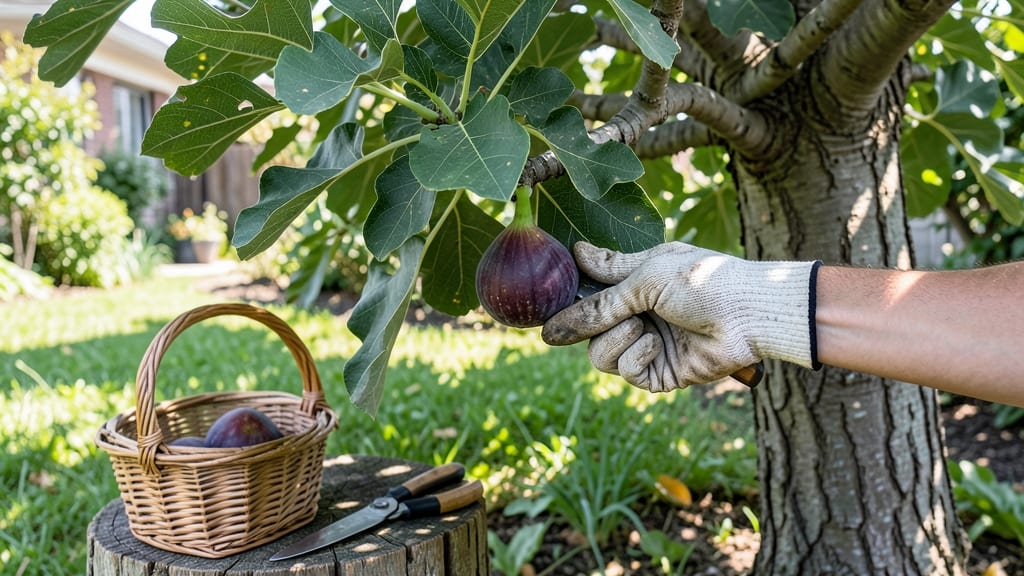
Strangler fig fruit isn't just edible—it's a tropical treasure with a creamy texture and mild sweetness. 🌿 I’ve eaten them straight from the tree in Southeast Asia, where they’re prized in local markets and home gardens.
The key is knowing which varieties are safe (like Ficus carica or Ficus racemosa) and how to spot ripe fruit before harvesting. The fruit starts green and ripens to a yellowish-brown, softening like a plum when ready. Avoid unripe figs—they’re bitter and can cause mild stomach upset.
Always wash the skin, as latex sap might irritate sensitive skin, and cut the fruit from the stem to avoid sticky residue. Once ripe, the flesh is smooth and slightly sweet, perfect for eating fresh or adding to salads, smoothies, or even baked goods.
In tropical regions, they’re often dried for long-term storage. The seeds are safe too, though they’re fibrous and usually discarded. If you’re growing strangler figs for fruit, plant them in well-draining soil with partial shade and consistent moisture.
Patience is key—they take years to bear fruit, but the payoff is worth it for adventurous eaters and gardeners alike.
📚 In This Guide
- What you need
- Instructions
- Tips and common mistakes
- Wrapping up and next steps
What you need
- ● Harvesting Gloves: A pair of cut-resistant, thick gardening gloves (e.g., blank">Mechanix Wear or similar) to protect your hands from thorns and sap.
- ● Pruning Shears or Sharp Knife: Pruning shears: Bypass-style (e.g., blank">Felco F-2) for clean cuts.
- ● Knife: A sterilized 6–8" chef’s knife or machete if branches are thick (3+ inches in diameter).
- ● Bucket or Harvest Bag: A large, breathable mesh bag (10–20 gallons) or sterilized plastic bucket with holes for ventilation (to prevent fruit bruising).
- ● Ladder or Stable Perch: If harvesting from tall trees, use a secure 12–16 ft ladder or a stable stool with non-slip feet.
- ● Disinfectant Spray (70% Isopropyl Alcohol): A small spray bottle to sterilize tools before and after cuts (prevents sap-related irritation or contamination).
- ● First-Aid Kit: Include antiseptic wipes, bandages, and tweezers for thorn pricks or sap exposure.
- ○ Markers or Tags: Waterproof labels to mark harvested fruit by date (optional but helpful for tracking ripeness).
- ● Long-Sleeve Clothing: Lightweight, thorn-resistant fabric (e.g., blank">arm sleeves with padding) to shield arms/legs.
- ● Safety Goggles: Protect your eyes from sap splashes or debris (especially when using a machete).
- ● Portable Scale: A digital kitchen scale (0–5 lbs) to weigh harvested fruit for yield tracking.
- ● Sap Neutralizer: A vinegar-soaked cloth or commercial sap remover (e.g., blank">Goop) to clean sticky residue from tools/skin.
- ● Camera or Notebook: To document the tree’s location, fruit stages, or notes on ripeness cues.
How to harvest and prepare strangler fig fruit safely
Here's the straightforward process I use to identify, harvest, and prepare strangler fig fruit for eating.
🌿 Step 1: Identify Mature Fruit for Safe Harvesting
Strangler figs produce edible fruit only when fully ripe—look for deep purple to black skin that yields slightly when pressed. The fruit should smell sweet and earthy, not fermented or sour. I always check for no visible cracks or mold on the surface, as these indicate spoilage or pest damage.
Harvest in the morning when temperatures are cooler—this preserves fruit quality. Use clean pruning shears to cut the stem about 1 inch below the fruit. Avoid pulling or twisting, which can damage the tree and make future harvests harder. Remember, only the Ficus aurea variety (common strangler fig) produces edible fruit—never consume fruit from unidentified fig species.
✂️ Step 2: Prepare the Fruit for Consumption
Wash the fruit thoroughly under cool running water to remove any dirt or pesticide residue. Gently pat dry with a clean towel—never rub, as this bruises the delicate skin. For immediate eating, cut the fruit in half lengthwise and scoop out the gelatinous interior using a spoon. The edible portion is the clear, translucent pulp surrounding the small seeds.
If storing, place whole fruit in a paper bag with a few apple slices to speed ripening (ethylene gas helps). Store at room temperature for 2-3 days max—never refrigerate, as cold temperatures destroy the fruit's delicate texture. For longer storage, you can freeze the pulp in ice cube trays after removing all seeds.
🍽️ Step 3: Eat or Preserve the Edible Pulp
The strangler fig's pulp has a mild, sweet flavor similar to honeydew melon with a slightly nutty aftertaste. Eat fresh by spooning the pulp directly or blending it into smoothies. I like to mix it with yogurt and a drizzle of honey for a tropical dessert. Always remove all seeds and skin before eating—they're not edible and can cause digestive upset.
For preservation, you can make fig jam by simmering the pulp with equal parts sugar and water for 15-20 minutes, then canning in sterilized jars. Another option is to dry the pulp in a 175°F dehydrator for 6-8 hours until leathery. Store dried fruit in an airtight container for up to 6 months.
⚠️ Step 4: Know the Safety Precautions
Never eat strangler fig fruit if it's green or partially yellow—these indicate unripe fruit, which can cause stomach upset. Always wash your hands before and after handling, as fig sap can irritate skin. If you're allergic to figs or latex, do a small skin patch test first—strangler figs contain similar proteins.
Watch for signs of spoilage like fermentation odors or slimy texture—these mean the fruit has gone bad. Pregnant women and young children should avoid consumption until tolerance is confirmed. When in doubt, throw it out—fig fruit spoils quickly and can harbor harmful bacteria when overripe.
Tips & tricks for perfect strangler fig fruit prep
Between us, harvesting and preparing strangler fig fruit safely takes practice—and these tricks will help you avoid common pitfalls while getting the most out of your harvest.
Timing Secret: The morning harvest window is non-negotiable for quality. Early morning fruit contains the most natural sugars and hasn't begun fermenting from daytime heat. I've found that fruit harvested after 10 AM often develops fermentation odors within hours, even when stored properly. If you must harvest later, work with fruit that's already showing early ripening signs like slight skin softening.
Safety First: Always do the "squeeze test" before harvesting—press gently on the fruit. It should yield slightly like a ripe avocado, not feel rock-hard or mushy. I learned this the hard way after eating fruit that was slightly underripe; the stomach upset lasted for hours. Also keep a small magnifying glass handy to check for tiny cracks or insect activity that might not be visible to the naked eye.
Preservation Hack: For the 15-20 minute jam-making step, use a candy thermometer to monitor sugar syrup temperature. The ideal range is 220-225°F—this ensures proper gel formation without burning. I've had better success with equal parts sugar and water, but if you prefer a sweeter jam, increase sugar to 1.5 parts while keeping water at 1 part. Remember to sterilize jars properly to prevent spoilage during the 6-month storage period.
Equipment Upgrade: Invest in a small food mill or fine-mesh strainer if you plan to process large quantities. These tools make separating the translucent pulp from seeds effortless, especially when working with multiple fruits. I keep one in my kitchen specifically for tropical fruits—it's saved me hours of manual scooping and seed removal. For drying, a dehydrator at exactly 175°F works best, but you can also use a well-ventilated oven with the door slightly ajar to maintain consistent temperature.
Pro Tips for Strangler Fig Fruit Edible
- Between us, harvesting and preparing strangler fig fruit safely takes practice—and these tricks will help you avoid common pitfalls while getting the most out of your harvest.
- Timing Secret: The morning harvest window is non-negotiable for quality.
- Safety First: Always do the "squeeze test" before harvesting—press gently on the fruit.
Frequently asked questions
Got questions about harvesting and eating strangler fig fruit? You’re not alone—this tropical gem can be tricky! Below, we tackle the most common concerns to help you enjoy it safely and confidently.
Can you eat strangler fig fruit raw, or does it need cooking?
Strangler fig fruit (Ficus aurea) is edible raw when fully ripe—think soft, mushy texture like a fig or overripe banana. However, some varieties may have a milder, slightly bitter taste when uncooked. For a sweeter flavor, try lightly roasting or baking the fruit (peeled) with honey or cinnamon. Pro tip: Always taste-test a small piece first to check for any unusual flavors or textures!
How do I know when strangler fig fruit is ripe enough to eat?
Ripe strangler fig fruit turns deep purple, brown, or black (depending on the variety) and feels soft to the touch, almost like a squishy plum. If it’s still firm or green, it’s not ready—wait a few more days. Smell it too: Ripe fruit has a sweet, fermented aroma (like overripe figs or dates). Avoid fruit with mold or a foul odor—it’s past its prime!
Are there any parts of the strangler fig that are poisonous?
While the fruit and young leaves are edible, other parts can be toxic or irritating. Avoid:
- The latex sap (found in stems/bark)—it can cause skin irritation or allergic reactions. Wear gloves when handling!
- Unripe fruit or seeds in large quantities (may cause mild digestive upset).
- The roots (not edible and can be harmful).
If you’re unsure about a part of the plant, skip it—when in doubt, throw it out!
What are some easy ways to prepare strangler fig fruit?
This versatile fruit shines in both sweet and savory dishes! Try these simple ideas:
- Fresh snack: Peel, slice, and eat like a mango or banana.
- Smoothies: Blend with yogurt, honey, and a pinch of salt for a tropical twist.
- Baked goods: Mash into muffins, pancakes, or energy balls (great for binding!).
- Savory dishes: Grill or sauté with chili and lime for a tangy side (popular in Caribbean cuisine!).
Fun fact: The fruit’s high pectin content makes it perfect for jams or jellies!
What should I do if I accidentally eat unripe strangler fig fruit?
Unripe strangler fig fruit can cause mild stomach upset (nausea, bloating, or diarrhea) due to higher levels of ficin (a latex-like compound). If this happens:
- Drink plenty of water and rest.
- Avoid heavy meals until symptoms pass (usually 24–48 hours).
- Seek medical help if you experience severe pain, vomiting, or dizziness—these could signal an allergy.
To prevent this, always check ripeness before eating!
Wrapping up and next steps
So, is strangler fig fruit edible? Absolutely—when harvested and prepared with care! 🌱 This tropical treasure offers a unique, slightly sweet flavor packed with nutrients, but always prioritize safety by confirming proper identification, avoiding toxic lookalikes, and cooking thoroughly.
Whether you’re foraging or cultivating, your efforts could reward you with a delicious (and nutritious) harvest.
Ready to try it? Start small—pick a few fruits, experiment with recipes, and share your discoveries with fellow plant enthusiasts. Who knows? You might just inspire others to explore the edible wonders of your backyard (or jungle)!