
Propagation
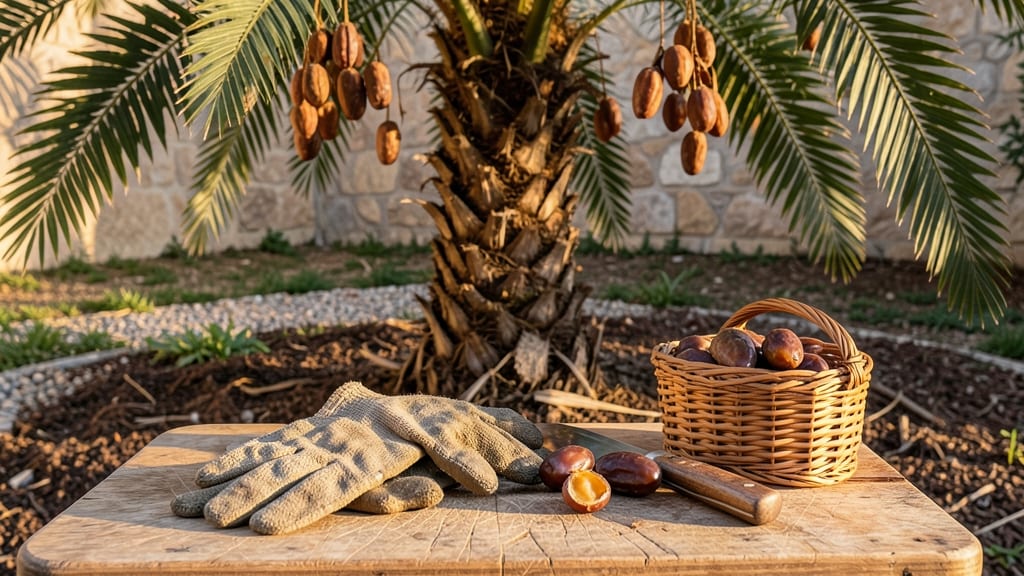
Dates are made from the fruit of the date palm tree (Phoenix dactylifera), which grows from the tree's flower clusters and transforms into the sweet, fibrous fruit we eat.
Dates come from the date palm tree, scientifically known as Phoenix dactylifera, and are classified as drupes—a type of stone fruit similar to peaches or cherries. 🌿 The fruit starts as tiny, green flowers that develop into dates through pollination, gradually ripening from the hard, unripe Kimri stage to the soft, sweet Rutab we enjoy.
What makes them unique is their single large seed (the pit) surrounded by sweet flesh, a defining trait of drupes. This botanical process explains why dates are both a fruit and a seed—nature's perfect package!
Understanding this helps when growing date palms at home. These trees thrive in hot, arid climates with well-draining soil, and their flowers require cross-pollination between male and female trees.
With proper care, home growers can expect fruit production within 4-7 years, though patience is key—each stage of ripening takes its time. The result? A truly natural sweet treat straight from the palm tree's heart.
💡 In This Article
- How Date Palm Fruit Develops into Edible Dates
- Growing Date Palms for Home Harvests
How date palm fruit develops into edible dates
The date palm tree (Phoenix dactylifera) produces dates through a fascinating botanical process that begins with its distinctive flower clusters. Each cluster contains both male and female flowers, and successful pollination occurs when wind or insects transfer pollen from male to female flowers.
This process triggers the formation of the fruit, which starts as tiny, hard, and green—this early stage is called Kimri. At this point, dates contain high levels of glucose and are too firm to eat, but they're packed with antioxidants and nutrients like potassium and magnesium.
As the fruit matures, it undergoes dramatic changes in both texture and sweetness. The ripening process takes about 4-6 months, during which the dates transition through intermediate stages like Khalal (red, crunchy) and Rutab (brown, soft, and sweet).
The key transformation happens when the fruit's starches convert to sugars—dates can contain up to 70% sugar by weight at full ripeness!
This sweetness comes from glucose and fructose, which is why dates have that caramel-like flavor. 🌟 What makes dates unique among fruits is their single large seed (the pit), which classifies them as drupes—a category that includes peaches, plums, and cherries.
The date palm's fruit development is a perfect example of nature's efficiency. The outer skin protects the developing fruit while allowing water and nutrients to flow through specialized tissue. Inside, the fleshy part (the edible portion) surrounds the seed, providing energy for the tree's reproduction cycle.
This structure explains why dates are both a fruit and a seed—nature's way of packaging nutrition and propagation together. The fibrous texture we enjoy comes from the fruit's cellular structure, which breaks down as it ripens, creating that perfect balance between chewiness and softness.
Understanding these stages helps explain why dates vary so much in taste and texture. For example, Medjool dates are known for their honey-like sweetness because they're harvested at a later stage, allowing more sugar conversion.
Meanwhile, Deglet Noor dates are picked slightly earlier, giving them a firmer bite and slightly less sweetness. The ripening process also affects storage—dates harvested at the Tamar stage (fully ripe) can last up to 12 months without refrigeration, thanks to their natural sugar content acting as a preservative.
Here's what's actually happening during ripening:
- Color change: From green (Kimri) to red (Khalal) to deep brown (Rutab)
- Texture shift: Hard and crunchy to soft and fibrous
- Sugar increase: Starches convert to sugars (glucose/fructose)
- Moisture loss: Water content drops from 75% to 20% as dates mature
The date palm's ability to produce such sweet fruit in harsh desert conditions is a testament to its evolutionary adaptations. These trees can thrive with minimal water, storing nutrients in their fruit for long-term survival.
This is why dates have been a vital food source in desert regions for thousands of years—they're nature's perfect energy-dense food package! 🌵