
Orchid Care
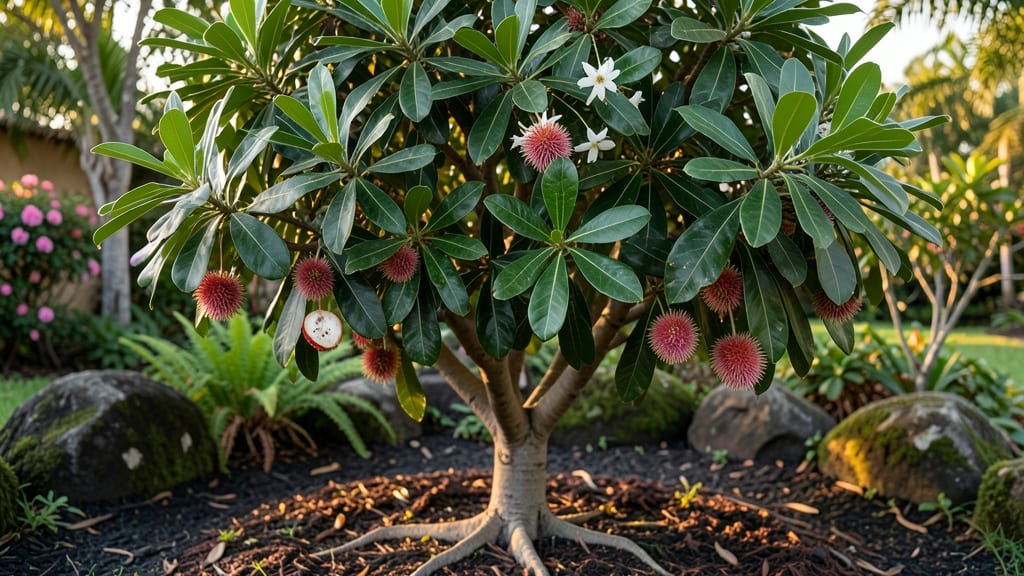
Fruits that start with R include raspberries, rambutans, redcurrants, and rock melons, among others. These varieties thrive in diverse climates, from temperate raspberry bushes to tropical rambutan trees, making them adaptable for different growing zones.
When you think of fruits starting with R, your mind might first jump to raspberries—the classic bramble berry—but there's a whole world of R fruits waiting to be discovered. 🌱 From the tart redcurrants perfect for jams to the exotic rambutans with their spiky green husks, these fruits offer both culinary excitement and gardening adventure.
Many of these varieties aren't just delicious but also surprisingly easy to grow, whether you're working with backyard beds or container gardens.
The key to success lies in matching each fruit's specific needs—raspberries love cooler climates while rambutans crave tropical warmth—so you can enjoy a year-round harvest with the right planning.
What's particularly fascinating is how these R fruits span such different botanical families.
Raspberries belong to the rose family, while rambutans are tropical relatives of lychees, each with unique growing requirements. 🍓 This diversity means you can create a fruit garden that thrives in your specific climate zone while still offering a wide range of flavors and textures.
For example, redcurrants prefer cooler northern climates, while rock melons (also called cantaloupes) do best in warmer southern regions.
💡 In This Article
- Botanical Classification and Growth Habits of R Fruits
- Best Growing Zones and Seasonal Planting Tips for R Fruits
Botanical classification and growth habits of R fruits
The world of R fruits spans an incredible botanical diversity, from delicate berries to exotic tropical delights. Raspberries belong to the Rosaceae family, sharing genetic traits with apples and roses, while rambutans are part of the Sapindaceae family, related to lychees and longans.
This diversity means their growth requirements vary dramatically—raspberries thrive in cool temperate climates with well-drained soil, while rambutans need tropical humidity and temperatures above 65°F year-round. The fibrous, spiky husk of rambutans serves as a natural protective layer, shielding the translucent white flesh from pests and physical damage.
Redcurrants, another berry type, prefer moist, acidic soil with a pH between 5.5-6.5 and partial shade during hot afternoons. Their small, tart fruits grow in clusters on woody vines that can reach 6-10 feet tall, making them ideal for trellises.
Meanwhile, rock melons (cantaloupes) belong to the Cucurbitaceae family, requiring full sun exposure and sandy loam soil to develop their signature sweet aroma. The difference in root systems is striking—raspberry roots spread horizontally while melon vines develop deep taproots, each adapted to their native growing conditions.
What makes these R fruits particularly interesting is how their growth habits reflect their evolutionary adaptations. Raspberries develop aggregate fruits from multiple ovaries, creating their signature hollow core, while rambutans produce single-seeded drupes with a thick, leathery outer layer.
This botanical variety means gardeners can create layered plantings that provide year-round harvests—plant raspberries for summer, redcurrants for early fall, and rambutans for tropical regions where they fruit continuously. The key to success lies in understanding these fundamental differences in plant structure and environmental needs.
For home gardeners, this botanical diversity presents both challenges and opportunities. Raspberries and redcurrants can be grown in USDA zones 3-9, making them accessible to most North American gardeners, while rambutans require zones 10-11 and specialized care.
The fibrous texture of rambutan husks contrasts sharply with the delicate skin of redcurrants, demonstrating how different fruits have evolved unique protective mechanisms. This diversity allows you to experiment with different growing techniques—container gardening for rambutans in cooler climates or trellis systems for redcurrants to maximize vertical space.
One fascinating aspect is how these fruits interact with their pollinators. Raspberries rely on bees and butterflies for cross-pollination, while rambutans attract tropical fruit flies and birds. This ecological relationship affects both fruit set and flavor development.
The tartness of redcurrants comes from their high malic acid content, while rambutans develop their signature sweetness through a complex sugar profile that includes fructose and glucose ratios that change as the fruit ripens. Understanding these botanical relationships helps gardeners create more productive and flavorful harvests.
Consider these key botanical traits when planning your R fruit garden:
- Berry types: Raspberries and redcurrants grow on woody canes with aggregate fruit structures, while rambutans produce single-seeded drupes with protective husks
- Root systems: Raspberries have shallow, spreading roots while rock melons develop deep taproots requiring well-draining soil
- Climate needs: Temperate berries thrive in cool seasons while tropical fruits like rambutans need consistent warmth above 65°F
- Pollination: Different fruits attract specific pollinators that affect fruit development and flavor
The sensory experience of these R fruits also varies dramatically—raspberries offer a juicy, seed-speckled texture, redcurrants provide a tart, poppable burst, and rambutans deliver a creamy, lychee-like sweetness when properly ripened. This diversity makes them perfect for both culinary experimentation and garden planning. 🌟