
Fertilization
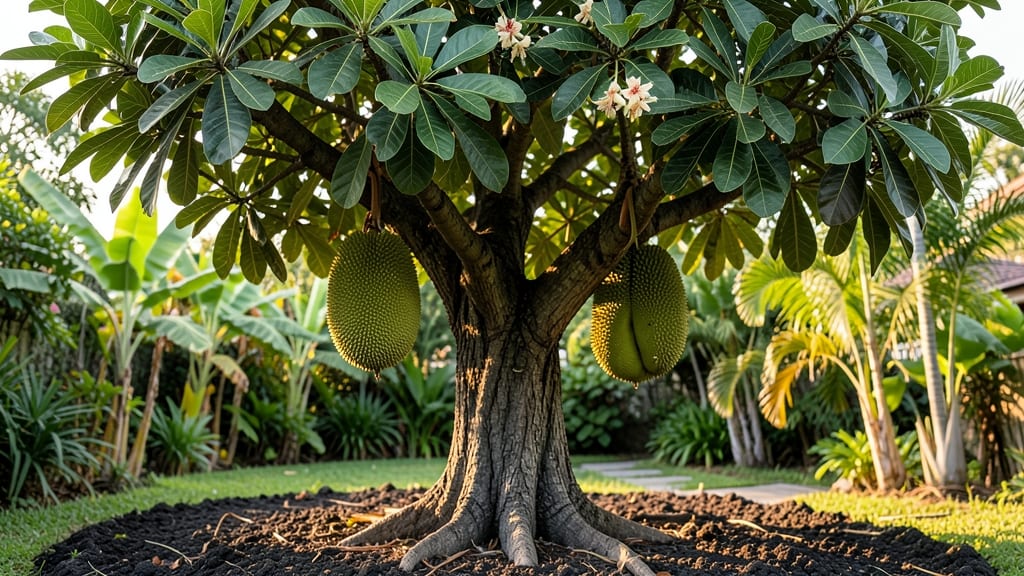
The biggest fruit in the world is the pumpkin, with the heaviest recorded specimen weighing 2,624.6 pounds (1,190.5 kg) grown in 2021. Giant squash varieties like Cucurbita maxima also compete for size records in competitive gardening and agriculture.
The title "biggest fruit" might surprise you—pumpkins technically belong to the squash family, but their massive size earns them the crown. 🌱 What makes these giants possible is a combination of selective breeding and precise growing conditions, including rich soil and controlled pollination.
These record-breaking specimens often require teams to harvest, proving just how enormous they can become.
Competitive growers focus on varieties like Atlantic Giant or Howden, which are bred specifically for size rather than flavor. The world record pumpkin wasn't just grown—it was nurtured with specialized techniques, including hand-pollination and constant monitoring of soil moisture.
For home gardeners, even modest-sized pumpkins can reach impressive weights with the right care.
What's fascinating is how these fruits grow: their weight comes from water content and rapid vine expansion, not dense flesh. 💫 This means they're more about breaking records than culinary use—though smaller pumpkins from the same plants make great pies!
💡 In This Article
- How Giant Pumpkins and Squash Achieve Record-Breaking Sizes
- Growing Giant Fruits: Tips for Home Gardeners and Competitors
How giant pumpkins and squash achieve record-breaking sizes
Giant pumpkins and squash achieve their massive sizes through a carefully engineered combination of genetics and environmental conditions. The varieties used for records, like Atlantic Giant or Dill's Atlantic Giant, have been selectively bred over decades to maximize vine length and fruit weight.
These plants can grow vines spanning over 100 feet long, creating a sprawling network that supports multiple fruits. The key is their ability to produce fruits with thin rinds relative to their volume, allowing them to hold more water and flesh without structural collapse.
The pollination process is critical—competitive growers often use hand-pollination with paintbrushes to ensure cross-pollination between the largest flowers, which produces heavier fruits. 🌱 The resulting seeds are planted in nutrient-rich soil with high organic matter content (often 10% compost or more) and maintained at pH 6.0-6.8 for optimal nutrient uptake.
Water management is equally precise: vines require 1-2 inches of water per week, delivered directly to the roots to prevent disease while avoiding water stress.
Temperature plays a surprising role—ideal growing conditions include daytime highs of 75-85°F and cool nights (60-65°F). This range maximizes photosynthesis while slowing vine growth at night, directing energy toward fruit expansion.
The fruits themselves can weigh 500 pounds or more just 60 days after pollination, growing at rates of 1-2 pounds per day during peak growth. This rapid expansion requires constant monitoring to prevent rot or pest damage.
What most people don't realize is that these giants aren't just big—they're structurally different. Their cell walls contain more pectin and calcium, which strengthens the fruit's integrity despite its weight.
The flesh is also less dense, with 90% water content compared to 85% in standard pumpkins, allowing them to grow larger without becoming too heavy for their vines. 💫 This water-heavy composition is why record-breaking pumpkins often have a rubbery texture—they're essentially giant water balloons with a thin skin!
Competitive growers also use trellising techniques to support the weight, often creating raised beds with 12-inch-high frames to keep fruits off damp soil.
The world record pumpkin required 12 people to lift it onto a weighing platform—its sheer size makes it a marvel of botanical engineering as much as agricultural achievement.
For context, the average pumpkin weighs 10-20 pounds, while the 2021 record-holder was 131 times heavier. This extreme growth isn't just about size—it's a testament to how precisely we can manipulate plant biology when we understand their needs. 🌟