
Blooming
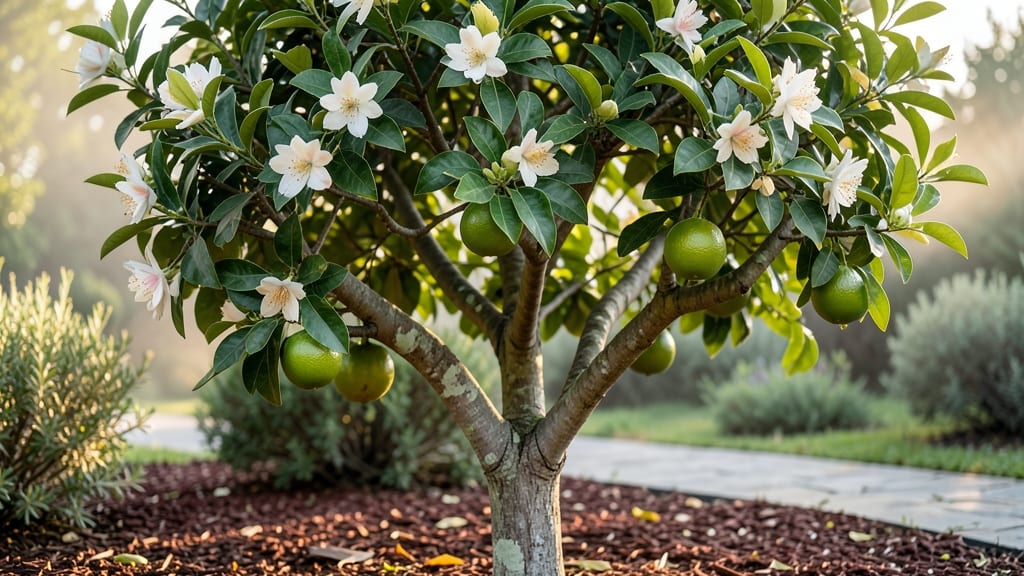
Grapefruit trees bloom in late winter to early spring, with timing that shifts dramatically between Tropical and Subtropical zones.
If you’ve ever wondered why your 🍊 grapefruit tree sits quiet for months before erupting in fragrant white blossoms—or why your neighbor’s tree blooms six weeks earlier—it’s all about your local climate.
Too much heat or a sudden chill can push back that bloom window, and if you’re not paying attention, you might miss the entire show.
In USDA Zones 9a-11, most grapefruit trees start flowering in February or March, with peak bloom stretching into April. But in cooler microclimates or higher-elevation spots, those blossoms might not appear until May.
Understanding these shifts isn’t just about admiring the flowers—it’s the key to predicting your harvest season.
Here’s what you’ll learn: the exact bloom months for your zone, how temperature and sunlight tweak that timeline, and 5 simple tricks to encourage earlier—or more abundant—blossoms next year.
Grapefruit tree bloom timeline by USDA hardiness zones
Timing your grapefruit tree’s blooming season depends heavily on your USDA hardiness zone—especially in Zones 9-11. While Florida’s humid climate may trigger blooms in January, California’s coastal areas often see them in March, and Arizona’s desert heat can delay flowering until April.
Understanding these regional differences helps you anticipate fruit production and adjust care routines.
In Zone 9, grapefruit trees typically bloom from late February to early April, with peak flowering in March. Meanwhile, Zone 10 gardens often experience blooms as early as December, stretching into May, while Zone 11 trees may bloom year-round in frost-free microclimates.
These variations mean your tree’s schedule could shift dramatically depending on whether you’re in Southern California, Florida, or Hawaii.
| Zone | Early Bloom | Peak Bloom | Late Bloom | Notes |
|---|---|---|---|---|
| Zone 9a-9b (e.g., Southern California) | Late February | March | Early April | Cooler coastal areas may delay blooms by 2-3 weeks. |
| Zone 10a-10b (e.g., Central Florida) | December–January | February–March | Late April | Humidity can extend bloom period; watch for fungal risks. |
| Zone 11 (e.g., Hawaii, Southern Arizona) | Year-round (peaks January–May) | March–April | June (minor flush) | Desert heat may cause bud drop if irrigation is inconsistent. |
In Zone 9, grapefruit trees often produce two bloom cycles: a major flush in spring and a smaller one in fall. This dual-flowering pattern is less pronounced in Zone 10, where continuous warmth can lead to year-round blooming—though fruit set may be uneven.
For example, a tree in Miami might bloom in January and again in July, while one in San Diego may wait until March.
Climate plays a critical role in bloom timing. In humid regions like Florida, high moisture can trigger early blooms but also increase the risk of bloom rot. Conversely, dry climates like Arizona may require hand-pollination if bees are scarce.
Pay attention to your local chill hours—even in warm zones, 100–200 hours below 45°F can signal bloom initiation.
If you’re in Zone 9b, like Los Angeles, expect your tree’s first blooms in late February, with peak flowering by mid-March. Fruit will typically ripen by fall, but a late frost could damage blossoms.
In Zone 10a, such as Orlando, blooms may appear as early as December, offering an early harvest window. Always monitor your tree’s leaf color—healthy, glossy foliage indicates readiness for flowering.
For Zone 11 gardeners, blooms can occur anytime, but the most reliable period is March–April. In Hawaii, for instance, grapefruit trees often bloom in winter, while Arizona trees may wait until spring due to cooler nights.
Use a gardening journal to track your tree’s specific pattern—this helps predict fruit ripening and plan harvests.
To encourage consistent blooming, provide balanced fertilization in late winter and ensure your tree receives 6+ hours of sunlight daily. In Zone 9, prune lightly after blooming to redirect energy to fruit development, while Zone 11 trees benefit from light pruning year-round to maintain shape.
Avoid overwatering, as soggy soil can stress the tree and delay flowering.
Remember, pollination is key to fruit set. In areas with low bee activity, like urban deserts, consider hand-pollinating blossoms with a soft brush. This simple step can double your yield in Zone 10–11 climates where natural pollinators are scarce.
Keep an eye on pest activity too—aphids and spider mites can damage blossoms, reducing fruit production.
By aligning your care routine with your local bloom timeline, you’ll maximize your grapefruit tree’s potential. Whether you’re in Florida’s heat, California’s coastal breeze, or Arizona’s desert, understanding these patterns ensures you’re always one step ahead of the season. Happy growing! 🌱
How climate affects grapefruit tree blooming: heat, chill hours, and rainfall
Grapefruit trees thrive in warm climates, but their blooming schedule is heavily influenced by temperature fluctuations, humidity levels, and rainfall patterns. Unlike citrus trees in colder zones, grapefruit trees in USDA Zones 9-11 may bloom year-round in frost-free areas, but timing shifts dramatically with seasonal changes.
For example, trees in Southern California often bloom in late winter to early spring, while those in Florida may flower sporadically throughout the year.
One of the biggest misconceptions is that grapefruit trees require chill hours like their cold-hardy citrus cousins. While they don’t need the same 200-400 chill hours as lemons or limes, they do benefit from cooler winter temperatures (50-60°F) to reset their growth cycle.
Without this slight dip, blooms can become irregular or sparse, leading to fewer fruits. In Texas Hill Country, where winters are mild but not freezing, grapefruit trees often bloom in February and March, aligning with the cooler months.
🌱
Critical Climate Factors for Grapefruit Blooms
Too much heat (above 95°F) can delay or prevent blooming, while excessive humidity (above 70%) may lead to poor pollination or fungal issues. In Southern California’s inland valleys, grapefruit trees often struggle to bloom in summer heatwaves, requiring shade cloth or drip irrigation to mitigate stress. Conversely, drought conditions can cause buds to abort before opening, reducing fruit yield.
Rainfall plays a dual role in grapefruit blooming. While trees need consistent moisture to support flower development, excessive rain during bloom can wash away pollinators like bees and cause blossom rot.
In Florida’s humid climate, grapefruit trees often bloom in dry winter months to avoid these issues, while Arizona’s arid conditions require supplemental irrigation to encourage flowering. A general rule: aim for 1-1.5 inches of water weekly, delivered deeply at the root zone to avoid wetting foliage.
Regional case studies highlight these differences. In Texas’s Rio Grande Valley, grapefruit trees bloom in January-February due to cooler winters and lower humidity compared to coastal areas.
Meanwhile, in Southern California’s coastal regions, blooms may stretch from December to April because of milder winters and marine layer influences.
If you’re in a transition zone (like Zone 8b), protect young trees with frost cloth during unexpected cold snaps, as even light frost can kill blossoms before they open.
To optimize blooming, monitor your tree’s stress signs, such as dropped buds or yellowing leaves, which often signal water or nutrient imbalances. In high-heat zones, prune trees in late winter to reduce canopy density and improve airflow, which helps prevent heat stress during critical bloom periods.
For container-grown grapefruit trees, move pots to partial shade during summer to protect roots and flowers from extreme temperatures.
Understanding your local climate’s quirks—like microclimates in urban areas or coastal vs. inland differencestime blooms more accurately. For instance, a grapefruit tree in Phoenix may bloom in late winter, while one in San Diego might flower in early spring due to cooler ocean breezes.
By adjusting care based on these factors, you’ll maximize your tree’s bloom potential and fruit production.
☀️